
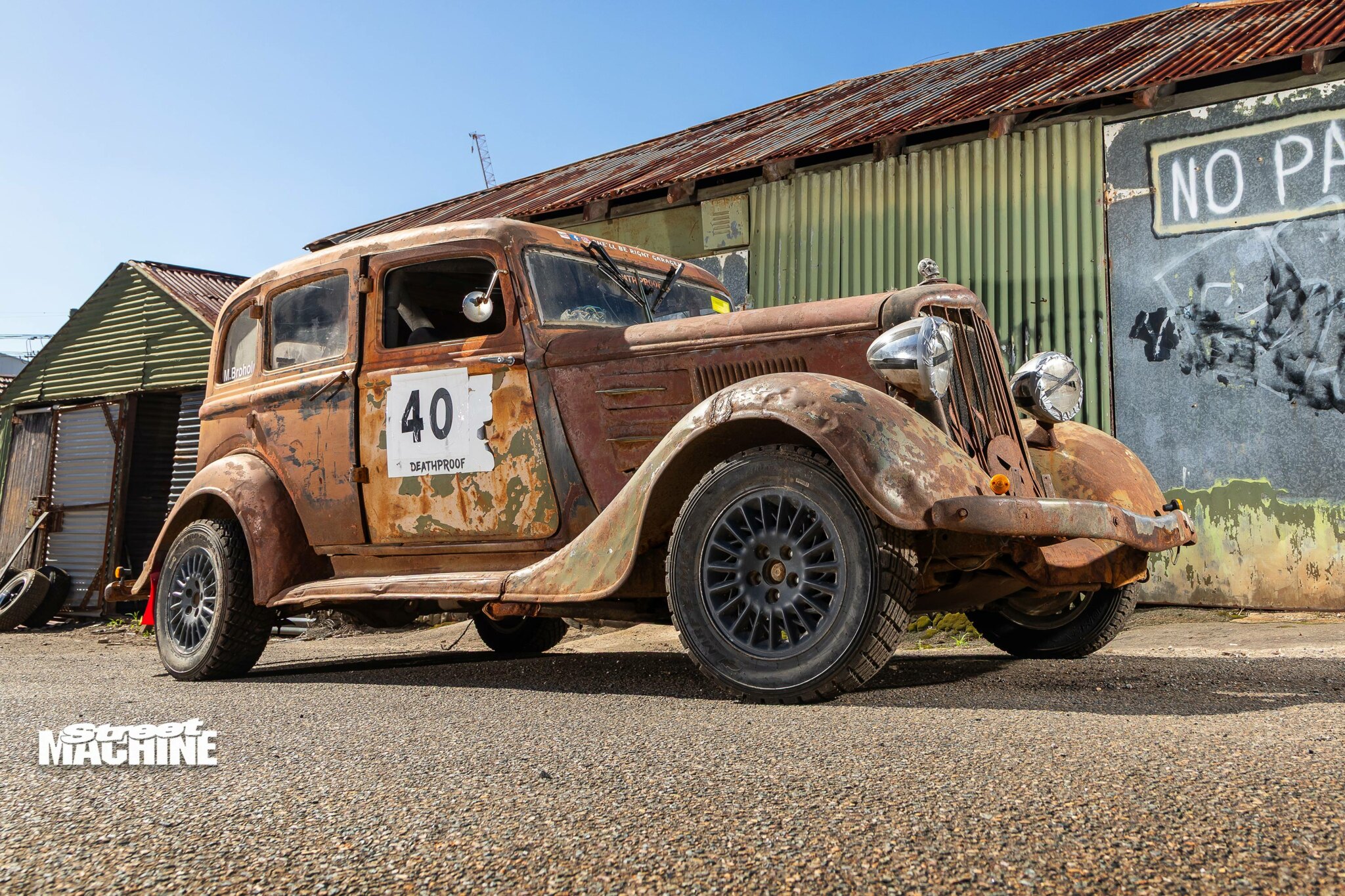
Even when you’re competing in a modern car with fit-for-purpose chassis, suspension and braking systems, crumple zones and all-wheel-drive grip, rallying takes balls of steel. Tear-arsing through the forest at speeds well north of 150km/h on skatey, rapidly changing gravel surfaces ain’t for the faint of heart, especially since you’re always half a mistake away from burying your car in an immovable object.
First published in the June 2026 issue of Street Machine

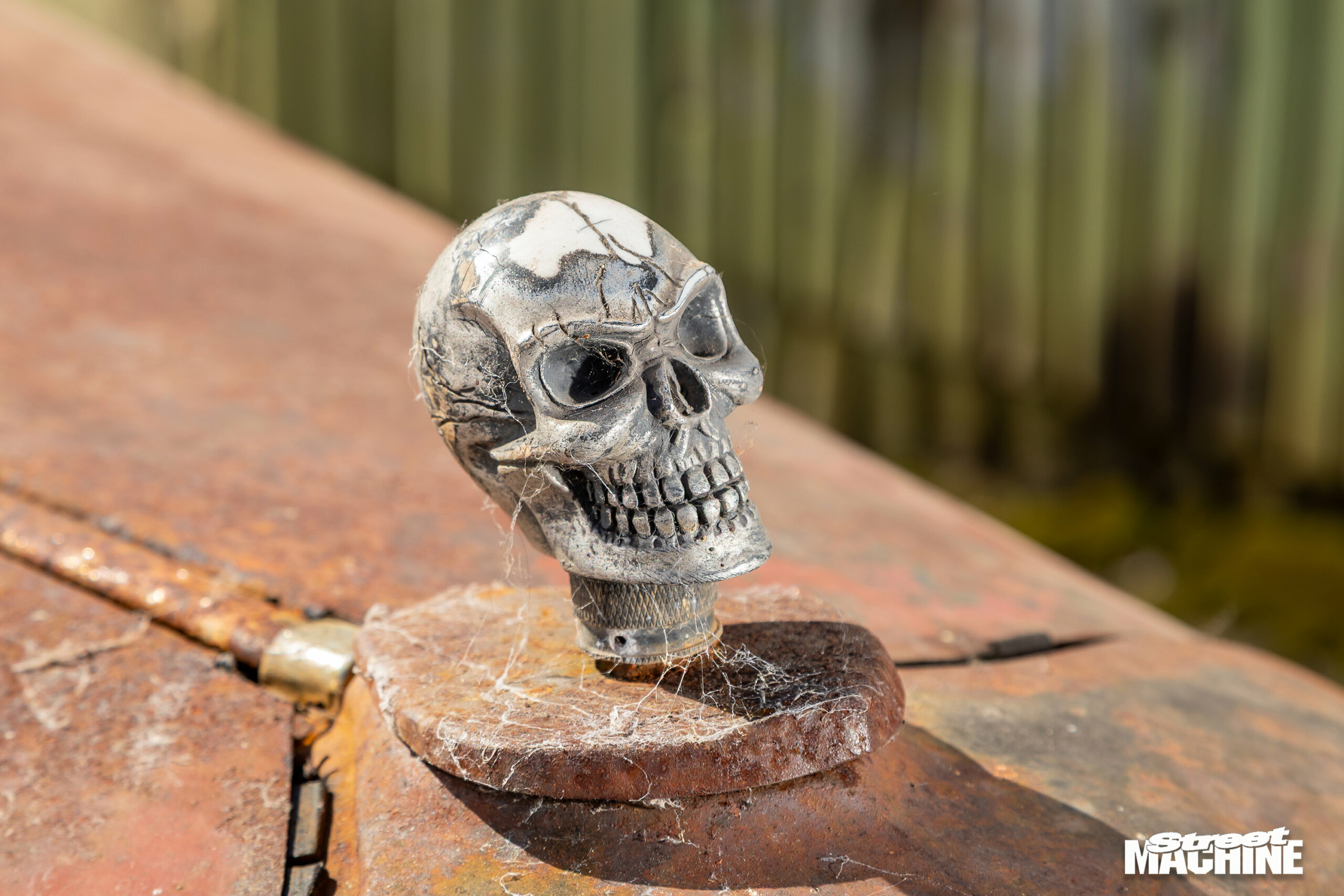
So, with that being said, it’s fair to call Michael Broholm a bit of a mad bastard. With a hankering to build a hot rod and an interest in rallying developed through servicing for a mate with an RA23 Celica, he decided to build this thoroughly outrageous ’34 Plymouth rally car. What’s even crazier is that he’s managed to convince his missus to be his co-driver!
“I think I paid $550 for it; I just thought it was cool,” says Michael. “I got it home, and the hamster kept turning in its wheel, and I figured that with the motor and ’box being quite set back in a hot rod, the front-to-rear weight balance probably wouldn’t be half bad [for a rally car]. I knew that suspension and handling was going to be difficult, but the balance was there, and it was relatively light.”
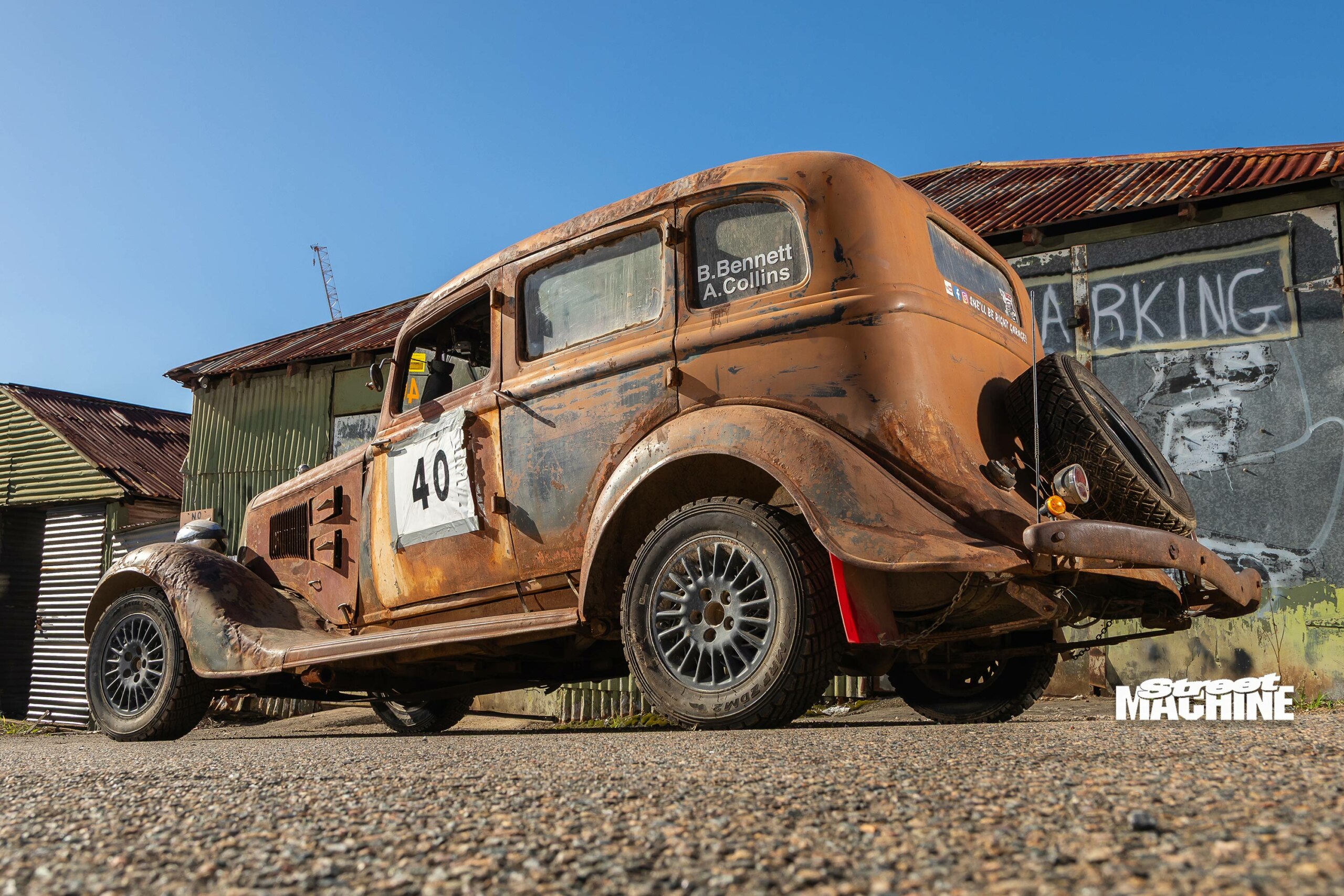
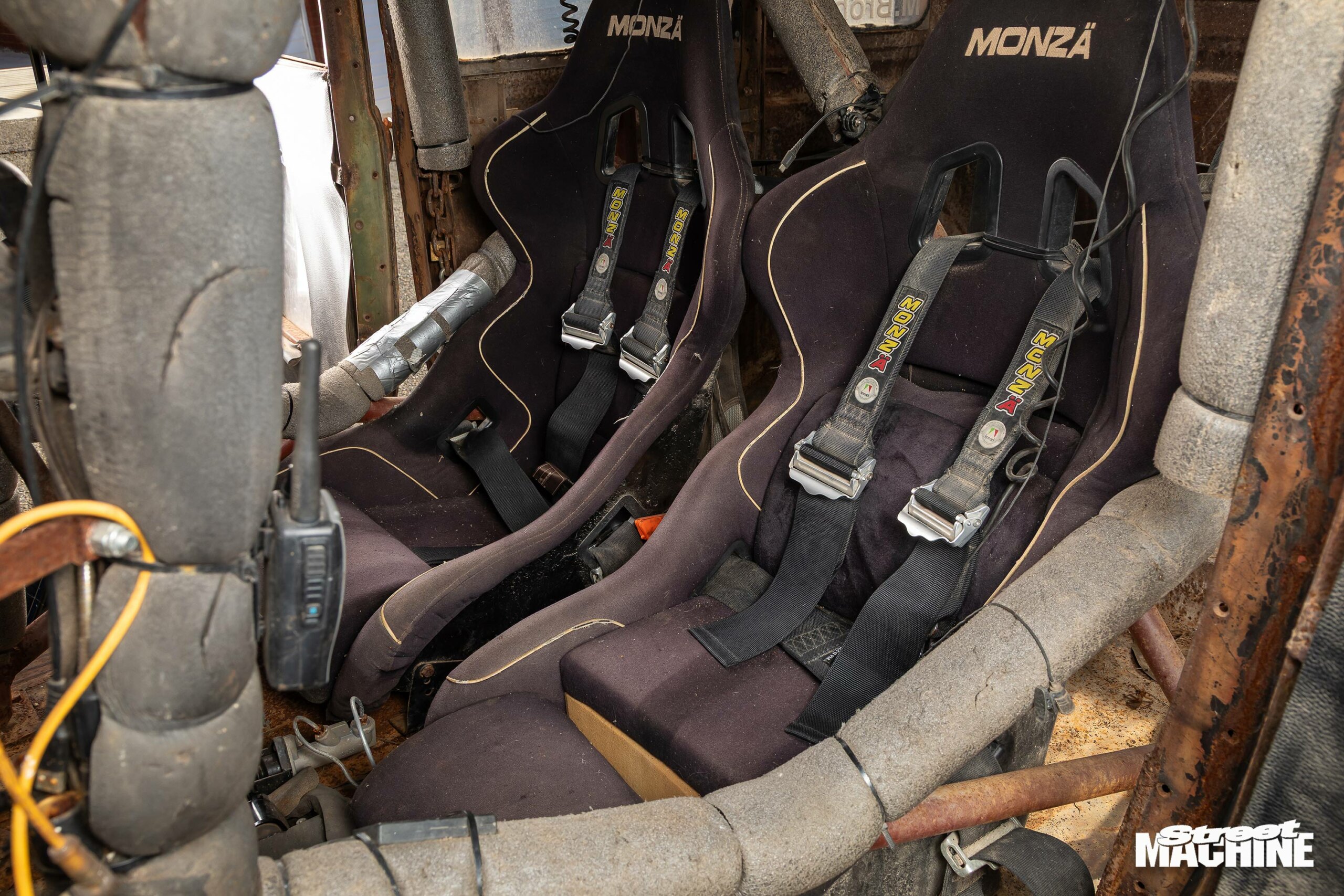
Michael is a handy backyard fabricator, so he ripped in and built an eight-point rollcage for the car. He’s also a Ford man with a big cache of parts on hand, and with spare engines, gearboxes and diffs racked and stacked, the main building blocks of the car would initially prove cheap and easy to get his hands on. At first, it was indeed a low-budget affair, with a 302ci Cleveland junker motor, single-rail gearbox, ex-Falcon BorgWarner disc-brake rear end and an HK Holden front end, but the car has evolved a great deal since those days.
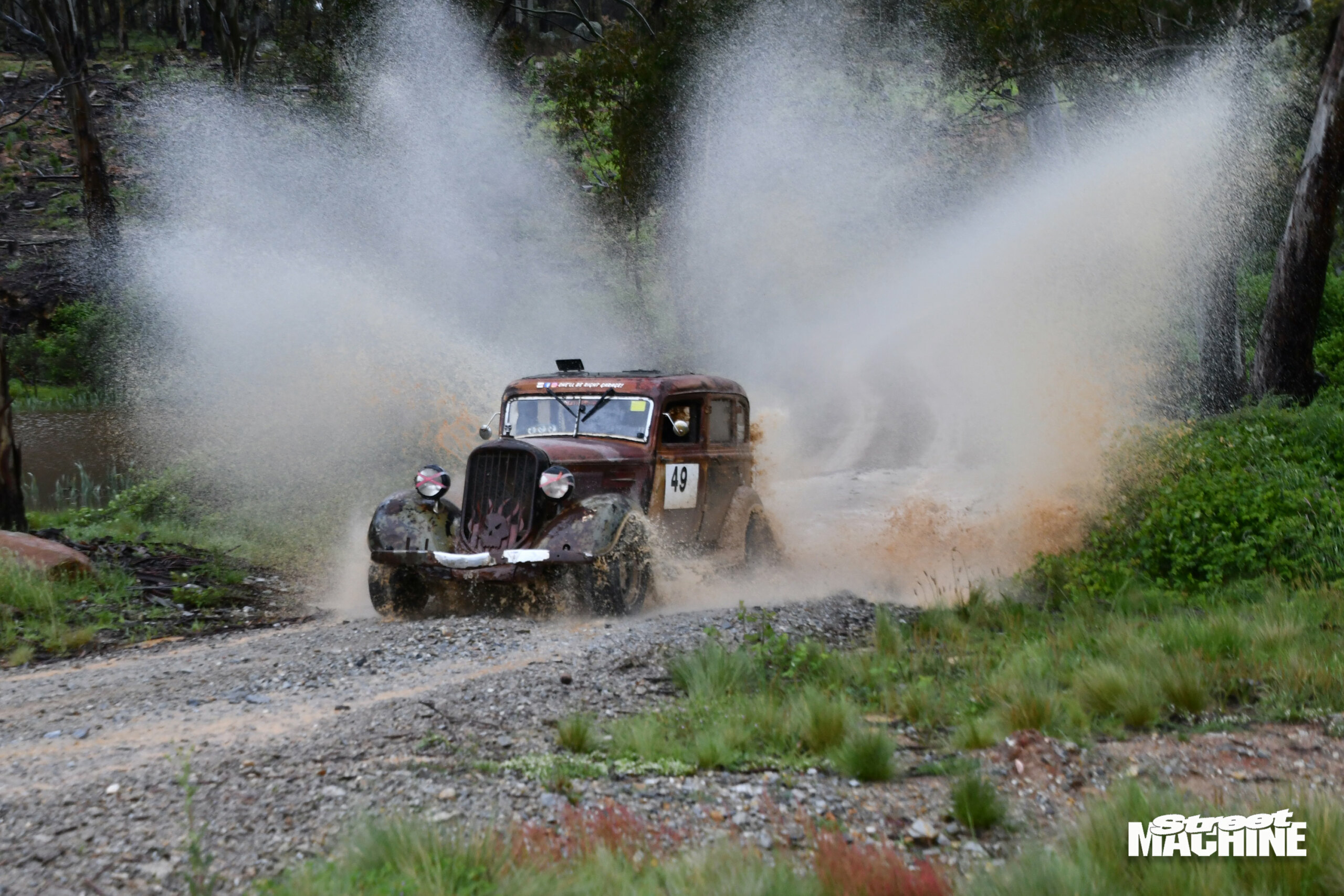
“The first time I went out, I could barely do 80km/h on the highway, let alone on the dirt!” Michael says. “The standard HK front end was not well-suited, and likewise the rear suspension; upgrading to the Watt’s link and tramp rods made a big difference. I’d go out and do a rally, find the weak point or limiting factor, and then I’d upgrade it and come back out to try again.”

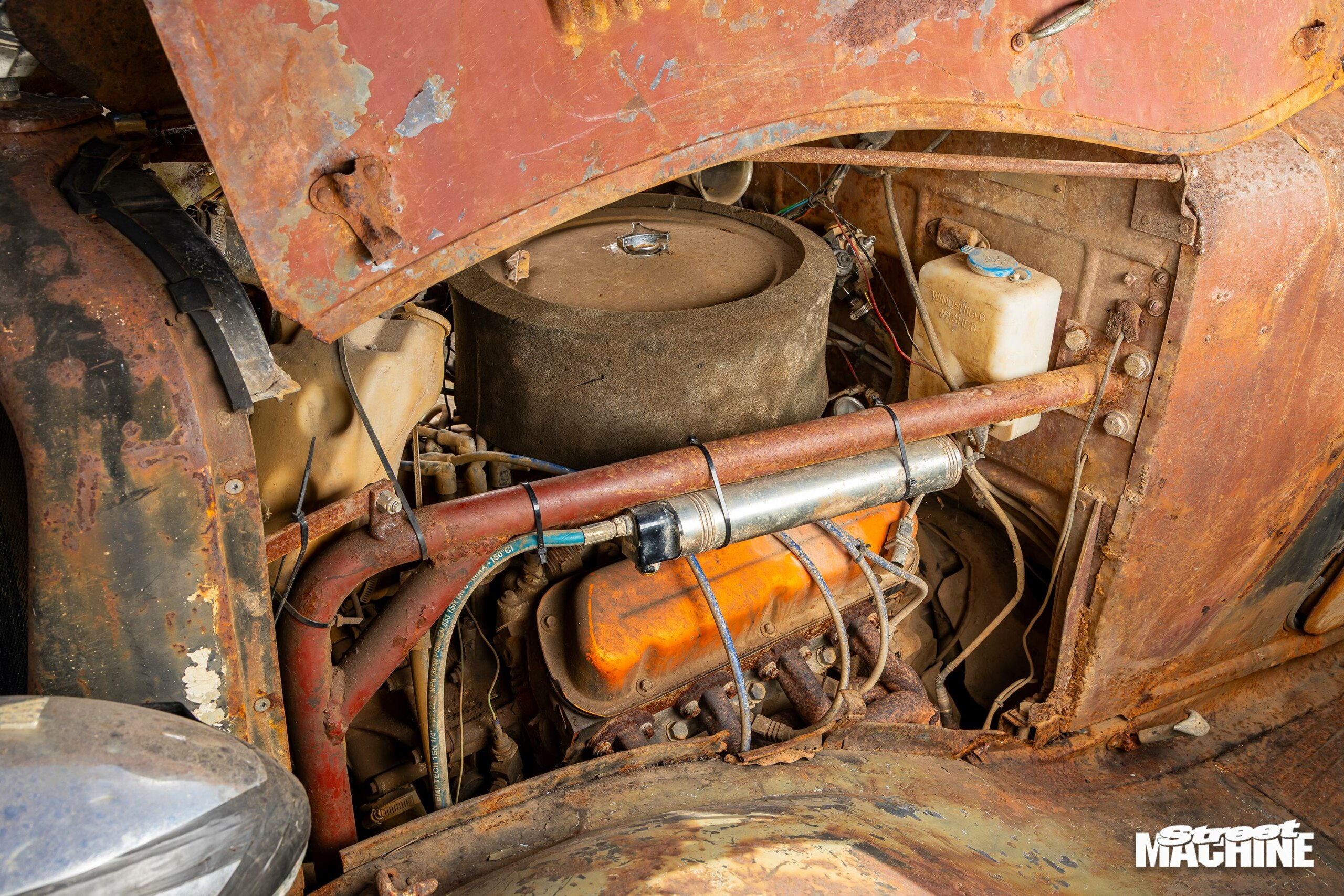
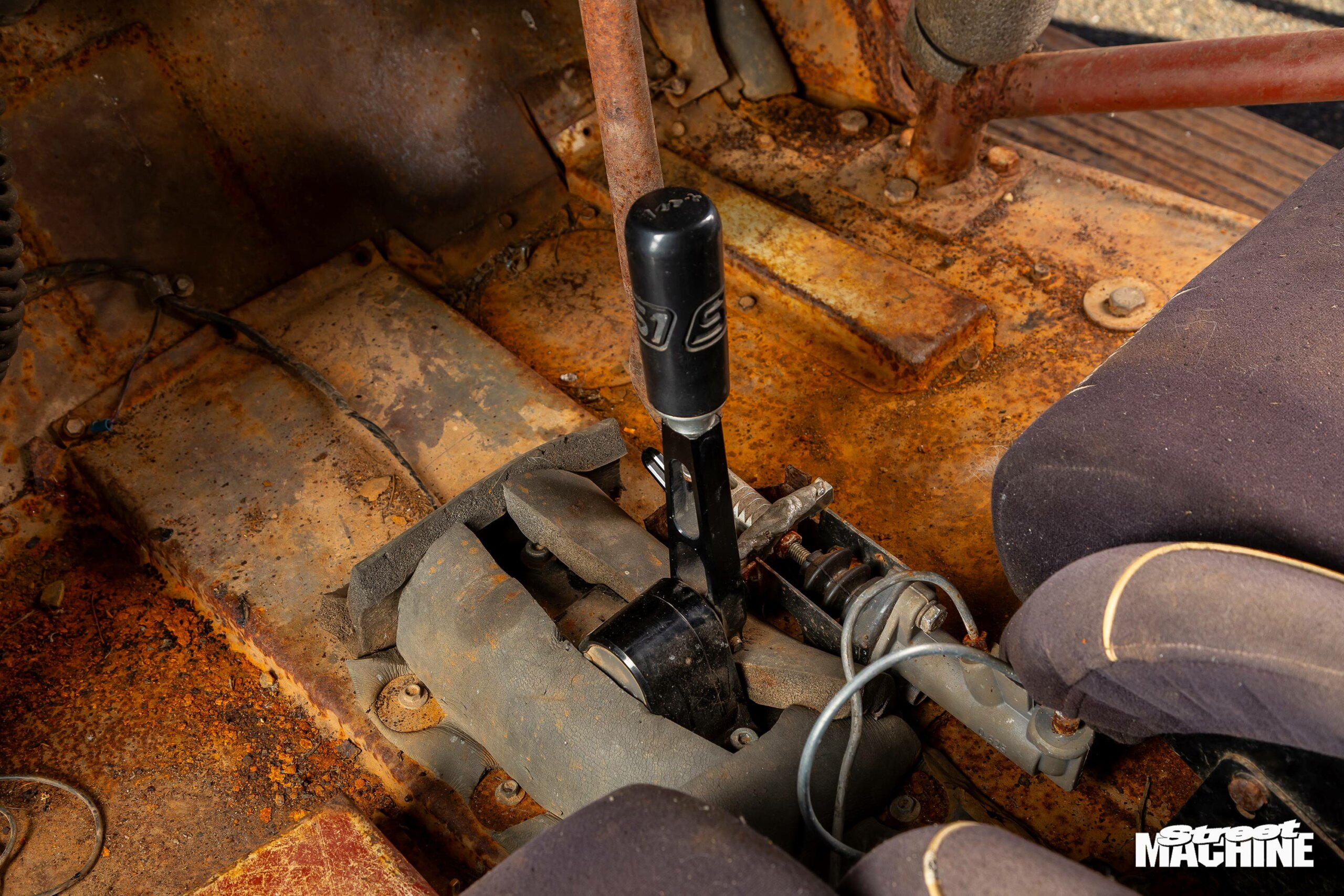
The junkyard Clevo failed very early on in the piece, so Michael sourced a little 331ci stroker Windsor based on an EL block with GT40P heads that’s good for around 400hp. The single-rail was switched out for a T5, which in turn was replaced with a much stronger G-Force-cased T5, complete with G-Force dog-engagement gears and an S1 Sequential shifter. The Borgy diff also suffered a sudden death, and so in went a nine-inch.
The HK front end was prone to bump steer, so Michael has radically modified it, with great results. “There’s not much standard HK left anymore,” he says. “It still has the original mounting points for the lower control arms and springs, but the lower arms have been modified to allow more lock, and the upper arms are custom, which has avoided a lot of the issues with bump steer. HKs didn’t have a good amount of castor to start with, and as it stands now, I can get up to 6½ degrees, which is ideal for rallying. When I first started out, 80km/h was really scary; I can do double that now, and it’s still pretty solid at that kind of speed.”
That’s helped significantly by the high-end, remote-reservoir shocks from MCA – another example of how Michael has refined the car over time and come to spend money where it counts the most. But one aspect of the car that’s cost him nothing at all is the labour.

“Absolutely everything has been done at home; the only work that’s ever been farmed out was the driveshaft,” he says. “Even the rollcage was built at home; the bending was done by somebody else, but beyond that, the assembly and welding was all me.”
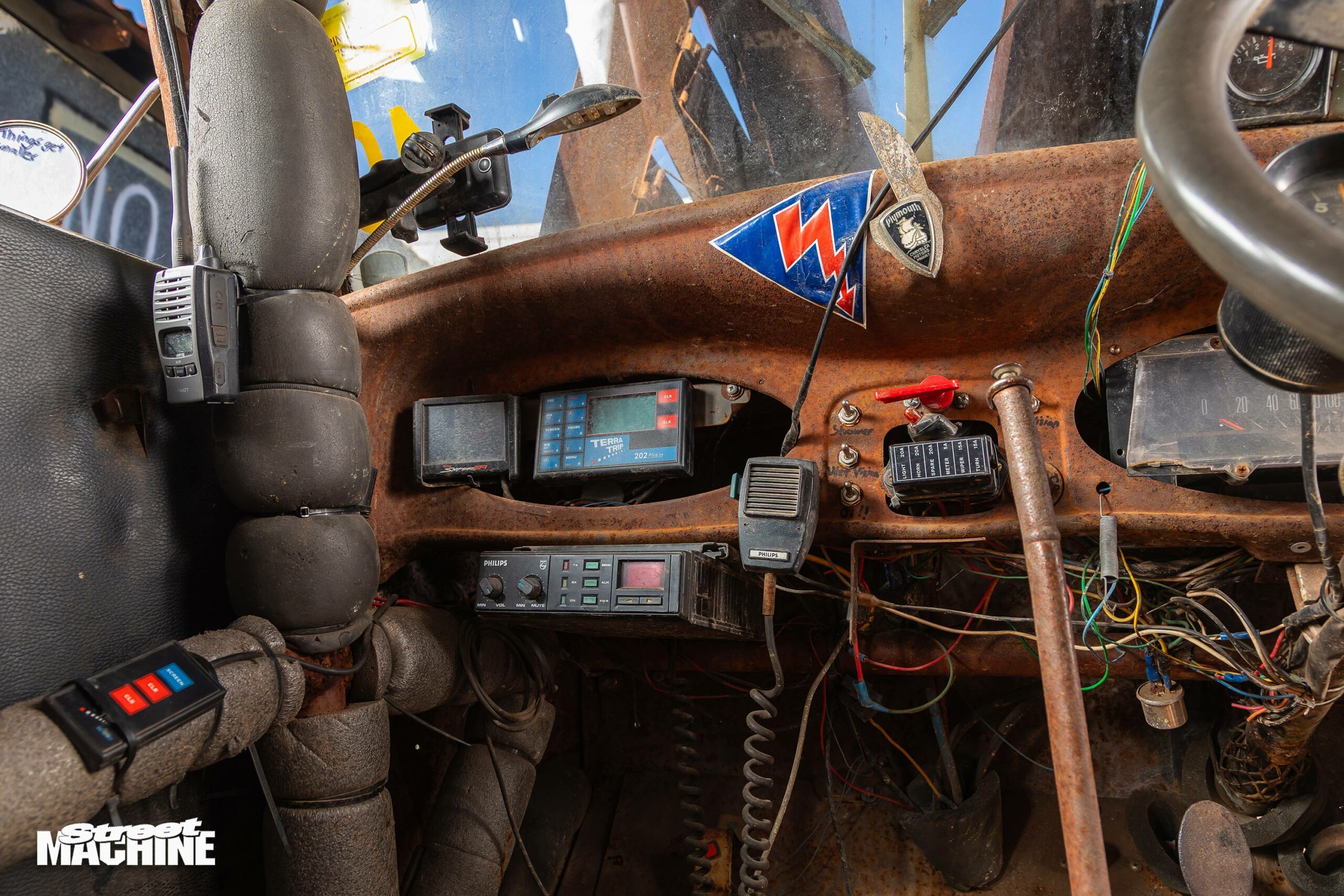
Generally speaking, the Plymouth has been well received by the rallying community, especially within the AMSAG organisation, which is where Michael competes with the car. “They’re a lot more easy-going and less restrictive around all these modified components,” he says. “They’ve given me a logbook, and they’ve been very welcoming, though I’ve heard whispers that some guys don’t like seeing something so old and potentially decrepit out there. In saying that, the car passes scruitineering on its merits every time.”
You have to wonder if Michael enjoys being a bit of a disruptor. “A little bit, yeah; I enjoy being different,” he says. “I go to the beat of my own drum, and I’ve had positive moments where people have come up to me and said, ‘You’ve inspired me to build something a bit different as a rally car, rather than a Datsun or Escort.’ I tell them, just do it; build the oddball, because you only live once. I know that I’ll never be at the front of the field in a car like this, but even the guy who’s dead last is having more fun than the guy who’s watching.”
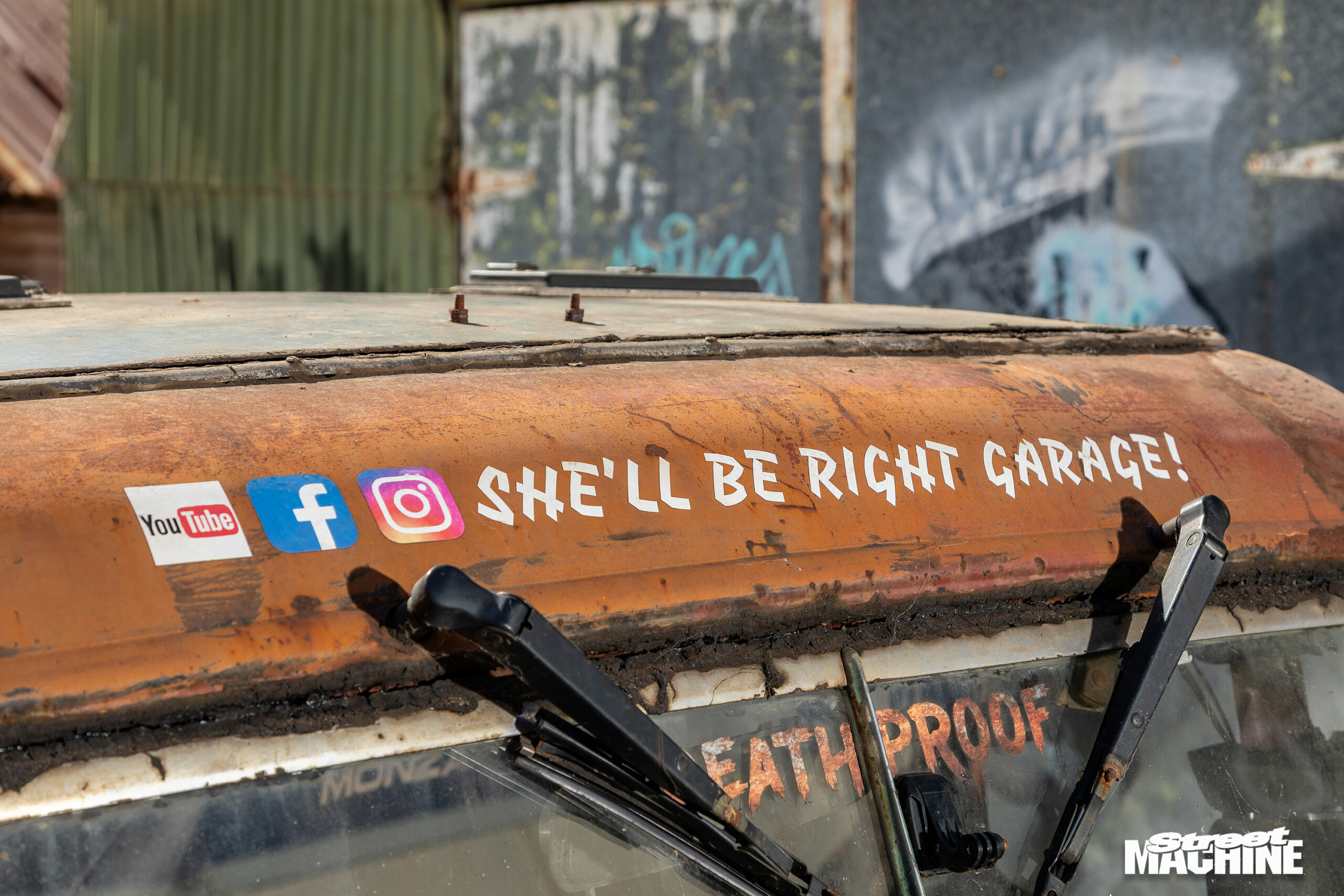
To keep an eye on Michael’s rallying exploits and his other many and varied projects, hit up @shellberightgarage on YouTube.
SHOCK TO THE SYSTEM

Michael’s Plymouth might look a little rough around the edges, but it has high-end gear where it counts. The remote-res MCA Gold shocks from Murray Coote (pictured above) are a prime example. “I could buy a $100 set of shocks on eBay and they’d last a single stage, or I could buy some mid-range stuff and they might last a season. These MCAs will last a lifetime, and they can be fully serviced every few years,” Michael says.

“It’s all part of the progression of the car, and they’re far better quality in terms of handling. When you’re rallying, the contact of the tyre on the road surface is so important, and these shocks are what allows you to do that. If you’ve got a wheel that’s bouncing around, as impressive as it looks to go sideways, you’re going slow. A car that has no traction has no acceleration, so I sort of looked at it and thought, ‘This is worth that kind of money.’ It’s an investment.”

MICHAEL BROHOLM
1934 PLYMOUTH PE
| Paint: | Natural patina |
| ENGINE | |
| Brand: | 331ci Windsor |
| Induction: | Edelbrock Air Gap inlet, 750cfm mech secondary Holley carb, K&N two-stage air filter |
| Heads: | GT40P, roller rockers |
| Camshaft: | Hydraulic |
| Pistons: | High-compression |
| Crank: | Stroker |
| Oil pump: | High-volume pump and oil pan |
| Fuel system: | Holley blue |
| Cooling: | Original radiator, 16in thermo fan |
| Exhaust: | EF Falcon headers, balance pipe, 2in open exhaust |
| Ignition: | OEM points dizzy |
| TRANSMISSION | |
| Gearbox: | T5, G-Force case, G-Force dog-engagement gears, S1 Sequential shifter |
| Clutch: | Heavy-duty fine-spline |
| Diff: | XC Falcon 9in, LSD, 3.89:1 gears |
| SUSPENSION & BRAKES | |
| Front: | HK front end, modified lower arms, modified XB stubs, fabricated adjustable upper arms, custom-rate coil springs to suit HK, MCA Gold remote-canister dampers |
| Rear: | XB Falcon leaf springs (last leaf removed), custom tramp rods, MCA Gold remote-canister dampers, Panhard bar |
| Steering: | Daewoo Lanos steering rack, standard column with VL Commodore base, Astra electric power steering pump |
| Brakes: | XB discs and calipers (f), XB discs with XB front calipers, hydraulic handbrake (r) |
| Master cylinder: | XC Falcon, Ford F250 hydroboost booster |
| WHEELS & TYRES | |
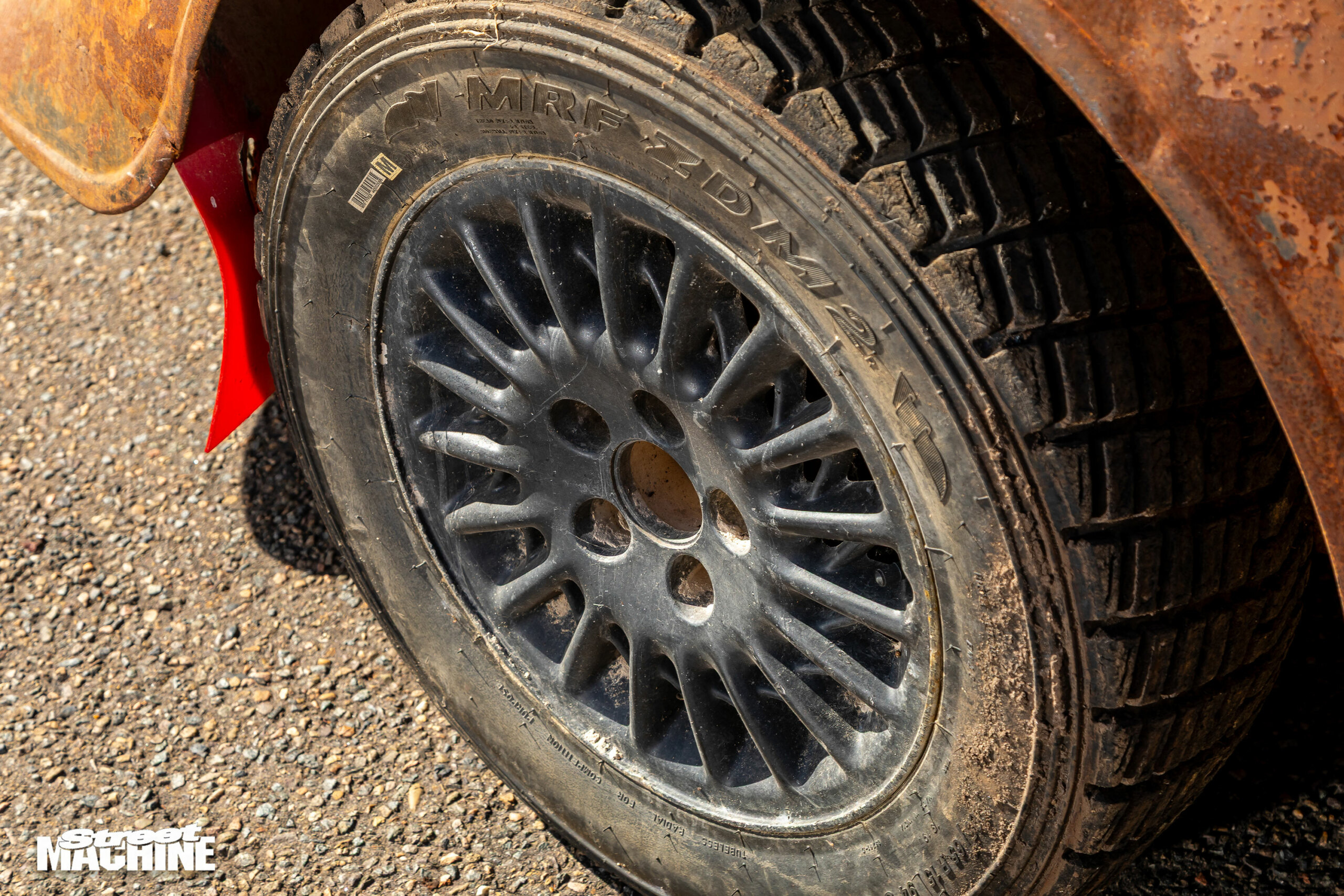
| Rims: | EF Falcon alloy 15×6 (f & r) |
| Rubber: | MRF ZDM2 205/65R15 (f & r) |
THANKS
My missus and co-driver Palak (PK).
Got something in the shed that you reckon is particularly unusual or interesting? Tell us about it! Send pics and info to gday@streetmachine.com.au.

Comments