
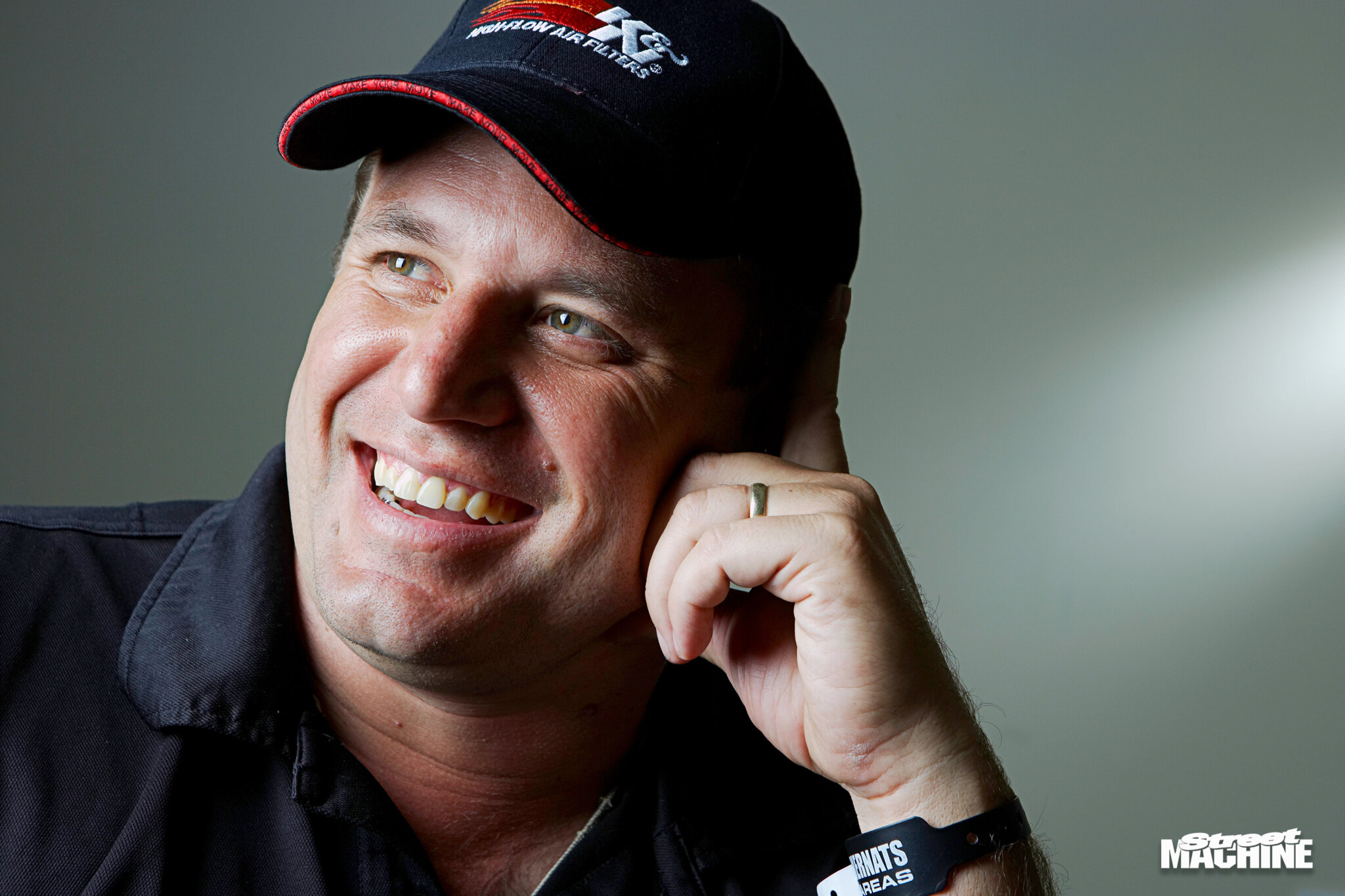
First published in the March 2009 issue of Street Machine
It’s a cliché but Troy Trepanier really is a man who needs no introduction. Whether you’ve been involved in the street machine scene for 20-odd years, or if you’ve just tuned in through some cable TV show, Troy and his team at Rad Rides have developed a reputation for building some of the most innovative and awe-inspiring cars ever to hit the pavement.
Whether it’s a 30s hot rod or a late-model Corvette, if this bloke gets his hands on it, you know it’ll get turned into a jaw-dropping ride. The first car that put him on the radar for many of us was ‘Pro Box’, his mint-green ’60 Chevy Impala, and since then he has consistently produced groundbreaking and show-winning cars.
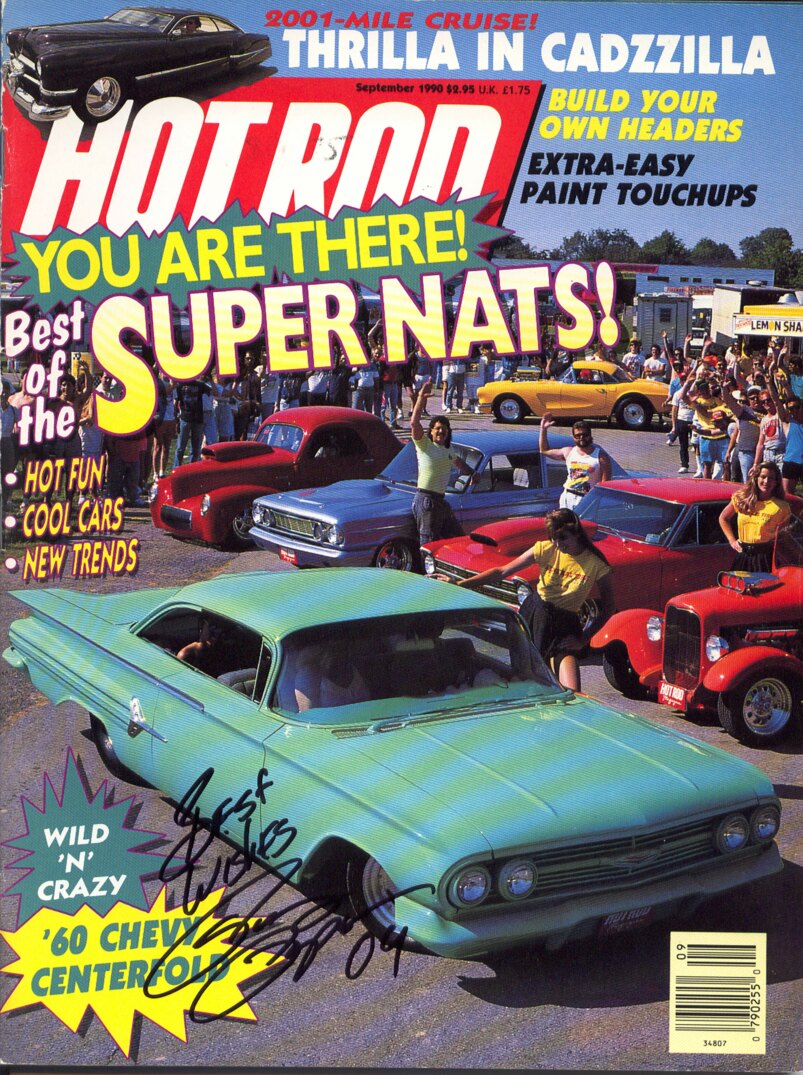
Most of his builds end up on the covers of magazines and in 2007 he won the Ridler Award with Ross and Beth Myers’s ’36 Ford, ‘First Love’. There are plenty of people who believe that car lifted the standard of show cars not one but two notches.
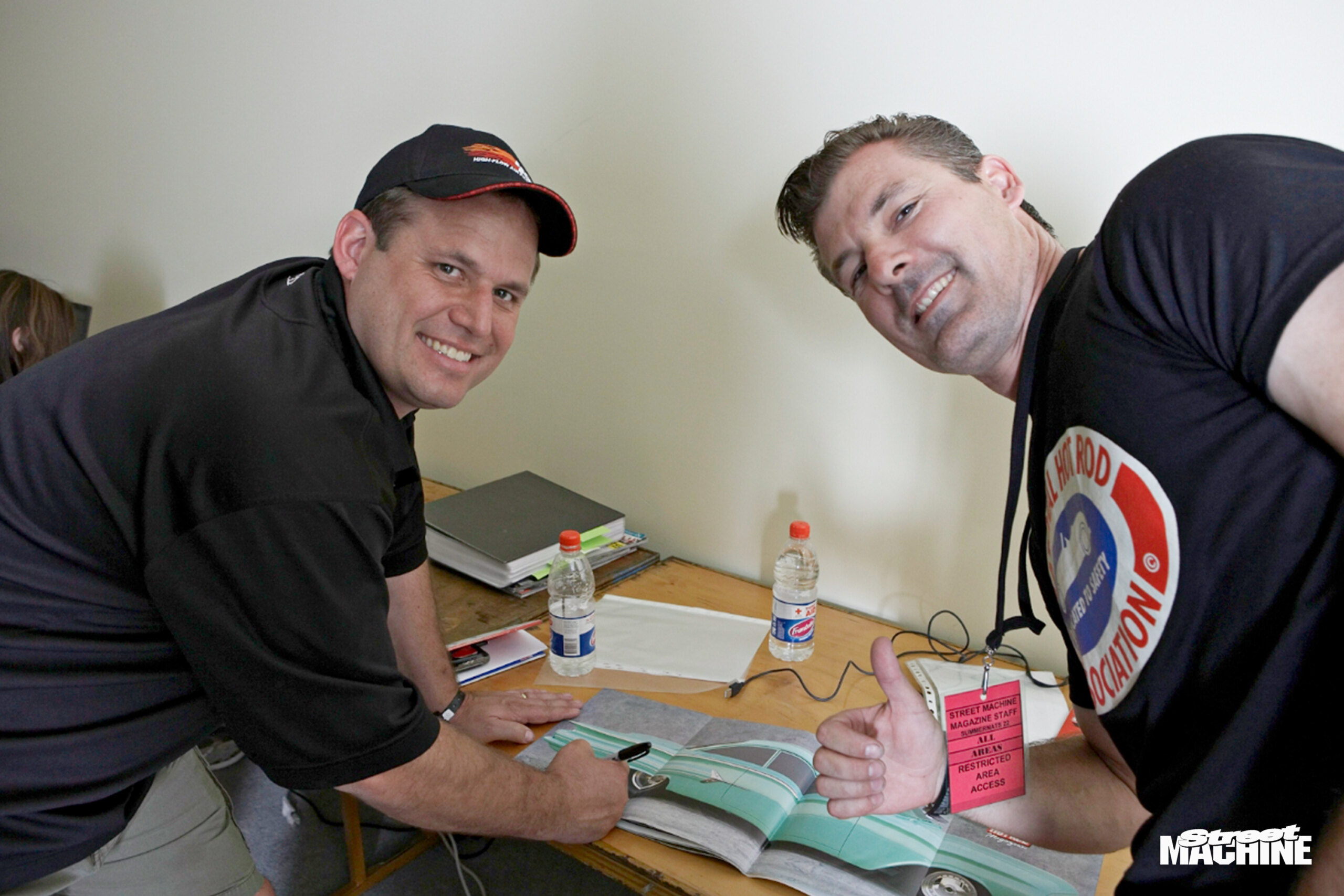
The Rad Rides shop is busier than ever but is still located in Manteno, Illinois, a small town about 40 minutes south of Chicago. Thanks to Chic Henry and Owen Webb, we got a chance to catch up with Troy at Summernats this year, and have a good old yarn about what makes the Rad Rides by Troy team work so well and how they continue to turn out such high quality cars.

Is it really true that the Rad Rides shop used to be your dad’s mechanical business?
I started off with a small shop at the back of my dad’s business, Jack’s Garage, and over the years have pushed him out of every building. I just got him out of the last one!
You have a talented group working with you. Where do you find them?
I’m involved with Wyotech [Wyoming Technical Institute] and for the past four years I’ve employed the best student out of 400 graduates. All the guys can do everything but they do specialise as well. At the moment we’ve got about six full-blown bare steel projects and the guys work in pairs on them.
And do you do everything in-house at Rad Rides?
The only thing we don’t do is chrome and powder-coating and we’ve got a couple of really good guys who do that for us. We send it out in the morning and it comes back the same day, from Chicago to Sacramento [California]. That kind of relationship takes years to build up but that’s how we keep the builds to schedule. You can’t wait three weeks to get something chromed.
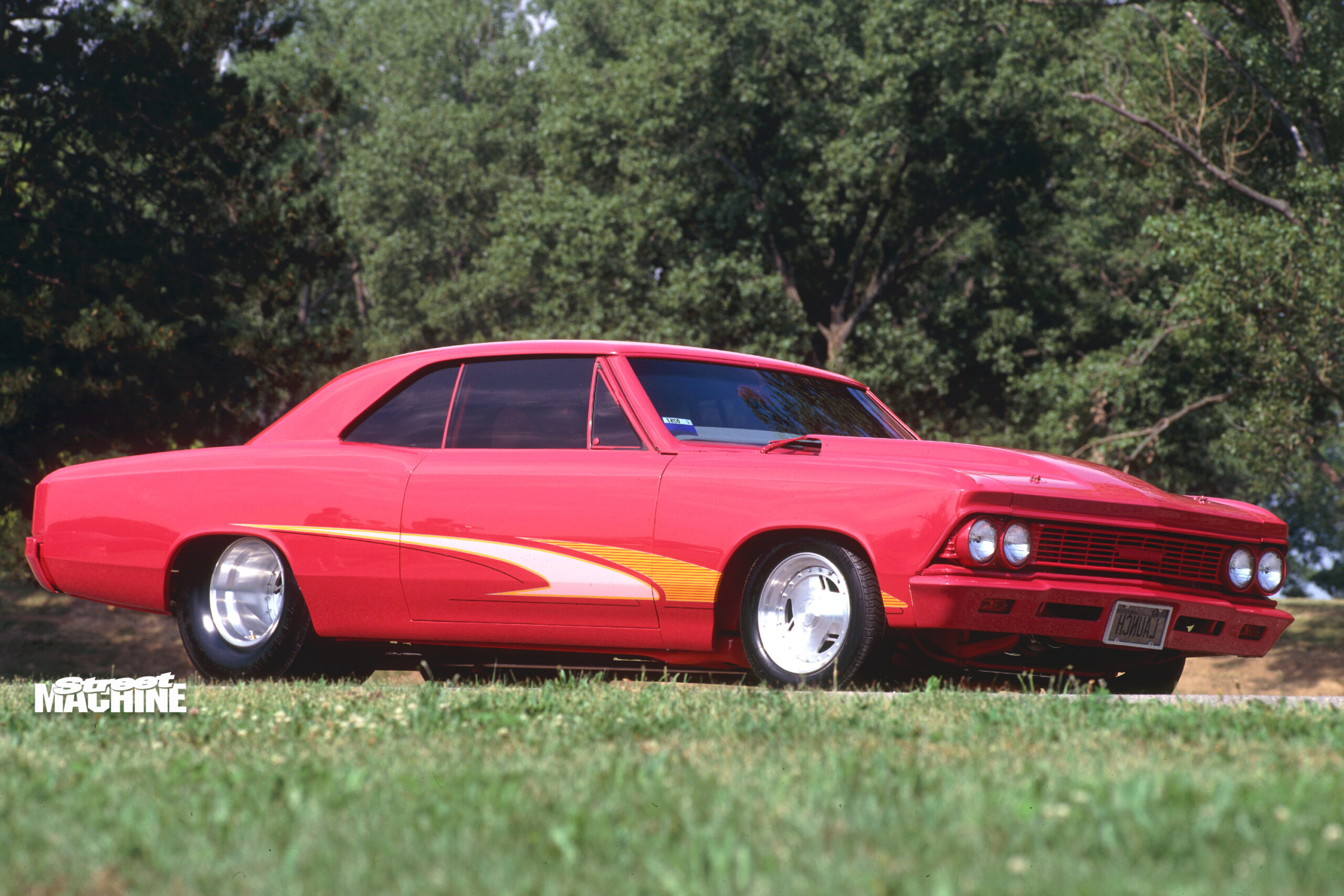
A common question from the Aussie builders was how much you charge to build cars.
We’ve basically got three stages of car that we build: up to $300,000, then 300 to 500 and then 500 and up. The Ridler car had about 30,000 hours of labour in it.
So what was the bottom line on that car then?
Somewhere around two million, probably a bit more.
You don’t sound like you have anything to do with the financial side!
My wife, Angie, is the company’s chief financial officer and she handles all of the invoicing. It was only after I met her that we started making money!
Although you built a lot of nice cars early on, they were your personal cars. George Poteet’s Sniper was your first commissioned build.
That car really put us on the map, so to speak. George is very generous and at any one time has a bunch of cars being built at shops all over the country.
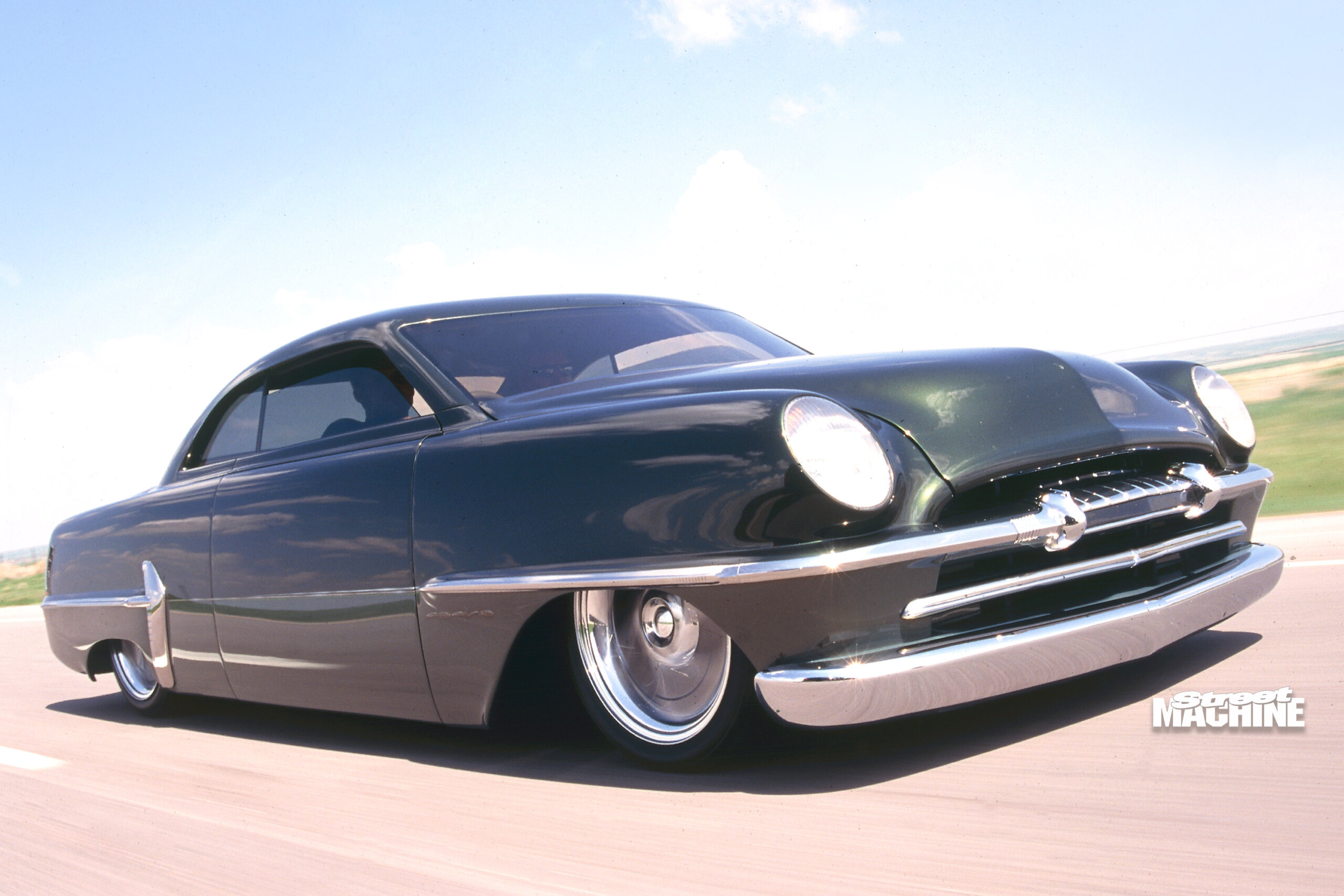
Most people might be surprised that your cars are built to be driven.
We did the Hot Rod Power Tour from 1990 to 2003 and we’d build these new cars from scratch so we’d be driving and staring at the temperature gauge the whole time. So the next one you build, you learn the car just can’t be that way. It’s really propelled our cars into being more useable, with more creature comforts. There are a lot of cool looking cars, and you like them, but they’ve got limited driveability — not because they’re nice cars but because they’re uncomfortable. So we really try to work on the ergonomic part of it.
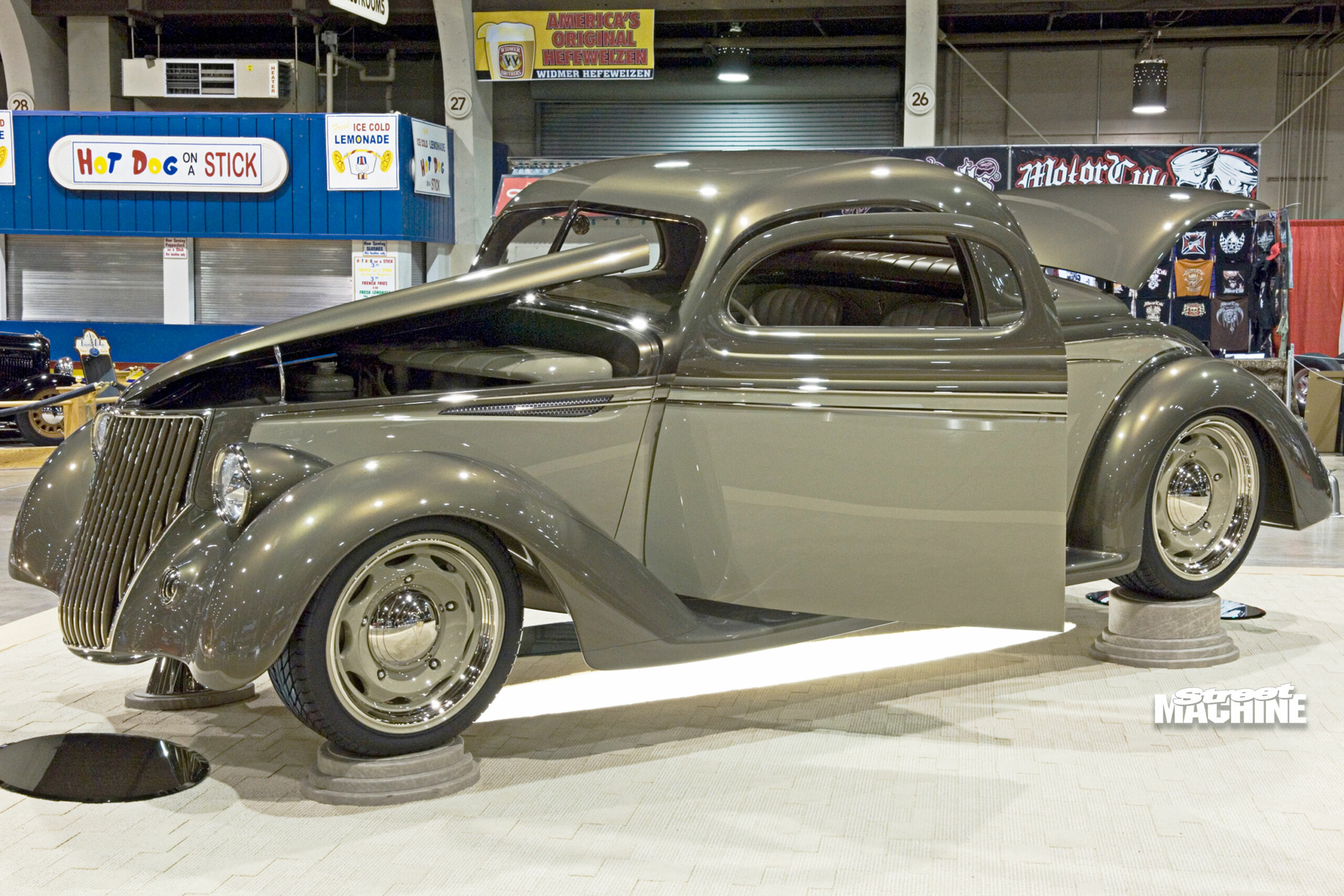
How about the Ridler car. Could you drive that across the country?
It could do it but it’d be junk when you got to the other end. It’s so over-engineered; it runs and drives and all that business because it has to but you’d absolutely destroy it. It’s all gapped to sixteenth-inch, eighth-inch; it’s really over the top. We’ve crossed the line with that one. It’s art. I think it should be in an art museum versus a car museum because of its shapes and colours and textures.
The whole objective of that car was different right from the start. I built it so that it couldn’t be compared to anyone else. Other than the tyres, crankshaft, connecting rods and internal parts of the transmission, we made that car.
Your dad reckoned every car in the Elite Hall would be better than the ’60 Chevy that blew everyone away in 1990. Would you agree with that?
Oh yeah. We had a lot of success with that car and people always tell me: “You oughta buy it back,” and I’m like: “The only thing good on it is the body.” Now all it would be is a money-pit because I’d tear it down and do it completely different. It was a stepping stone and it was a great stepping stone, but when I look back I’m pretty harsh on what we’ve done just because I’m always looking for what’s next. The level we’re at now, I look back and think: “Man, I was a butcher back then!” [Laughs.]
Is it true that all decisions at Rad Rides are made as a team?
They make all the decisions, like the Chrysler we’re doing now [Nancy Ritzow’s ’56 coupe], there’s a format of what we’re doing but they’re making decisions — 100 a day that they don’t have to run by me; I leave it up to them. They know what I expect and what I like and that’s cool. That takes a long time of working with the right people to get that telepathic deal where you know what the other is thinking.
Comments