

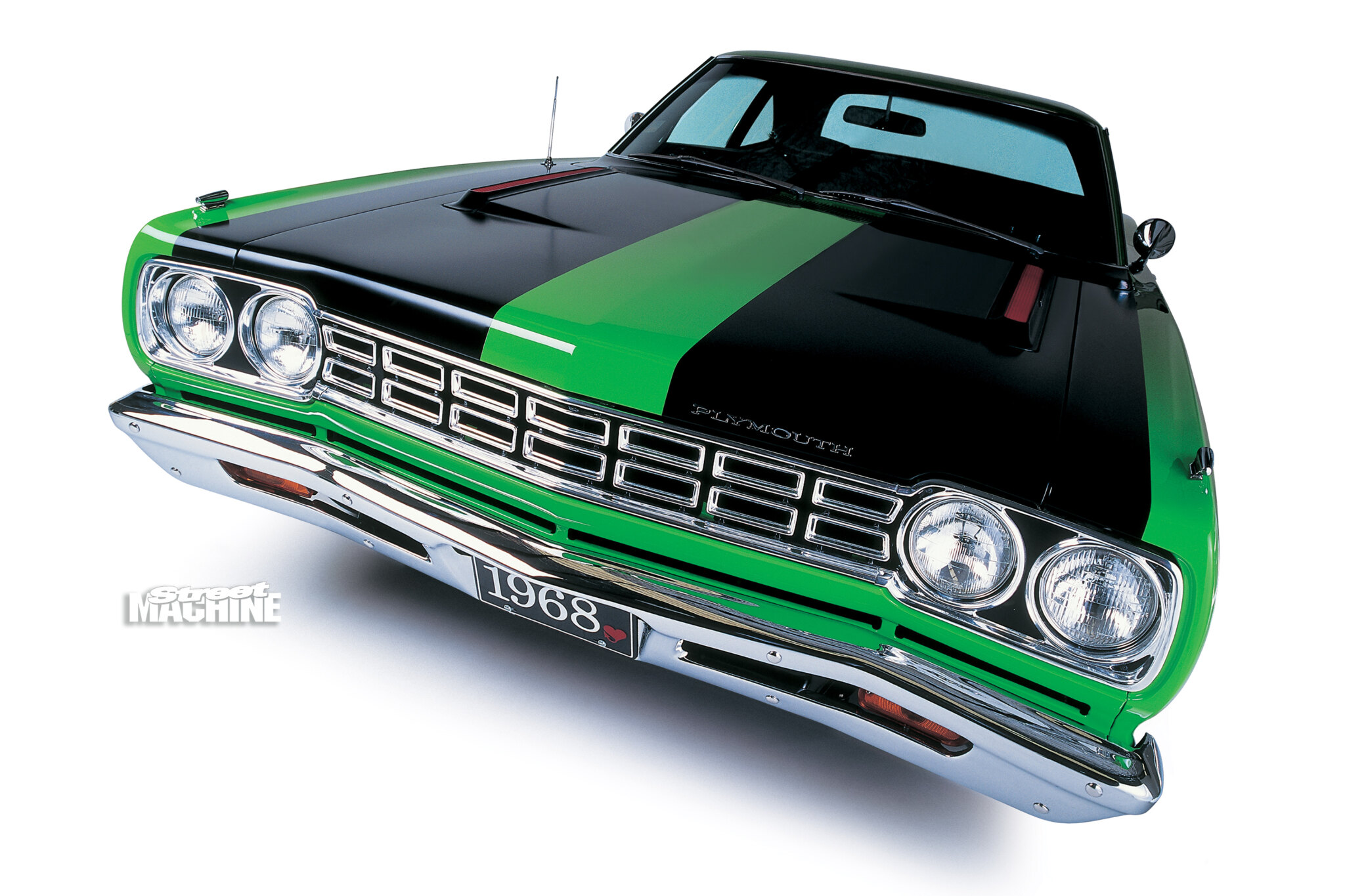
Released in 1968, the Plymouth Road Runner was the ultimate in budget muscle cars – the kind we all wish manufacturers would still make.
First published in the August 2026 issue of Street Machine
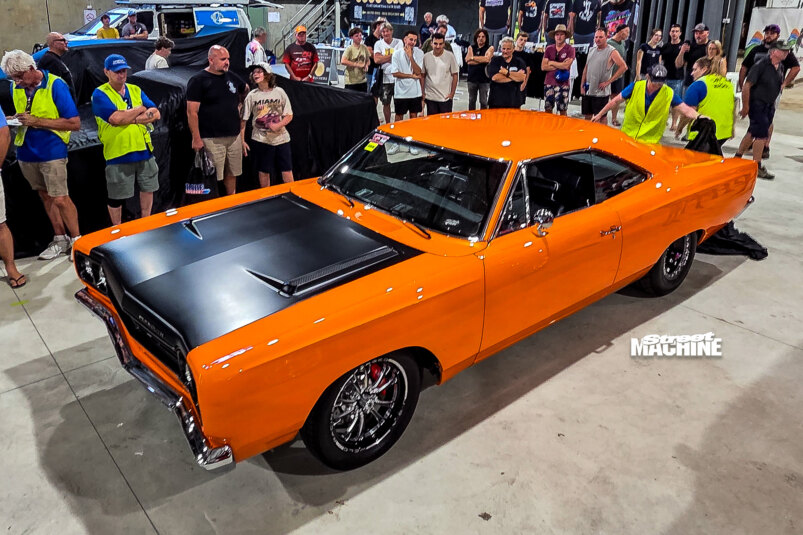
It was a great-looking car that was stripped of all the glitz and glamour, but fitted with the biggest engine that the factory could find.
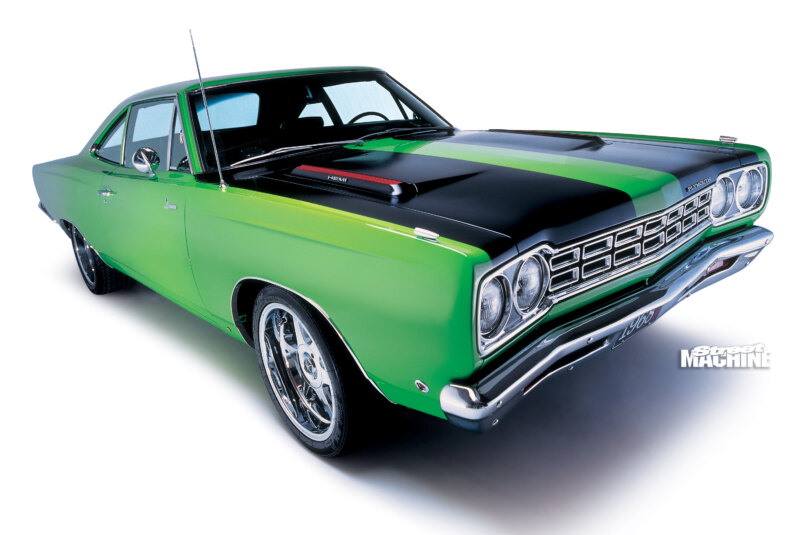
If they played the ‘zero options’ game, buyers essentially got a stripped-out Plymouth Belvedere with a bench seat, rubber floor mats, and drum brakes, along with the base-model, 335hp 383 big-block and four-speed transmission. In 1968, there were only two engines available, the base 383, and the 425hp behemoth that was the legendary 426 Hemi.
To use the cartoon Road Runner figure on the factory decals, Plymouth paid a licensing fee of $50,000 to Warner Brothers, and then spent a further $10,000 to develop a horn to replicate the titular character’s iconic ‘beep-beep’ sound. Executives hoped to sell 20,000 Road Runners in ’68, but they actually sold over 45,000 that year, which prompted sister-company Dodge to fast-track its own version called the Super Bee.
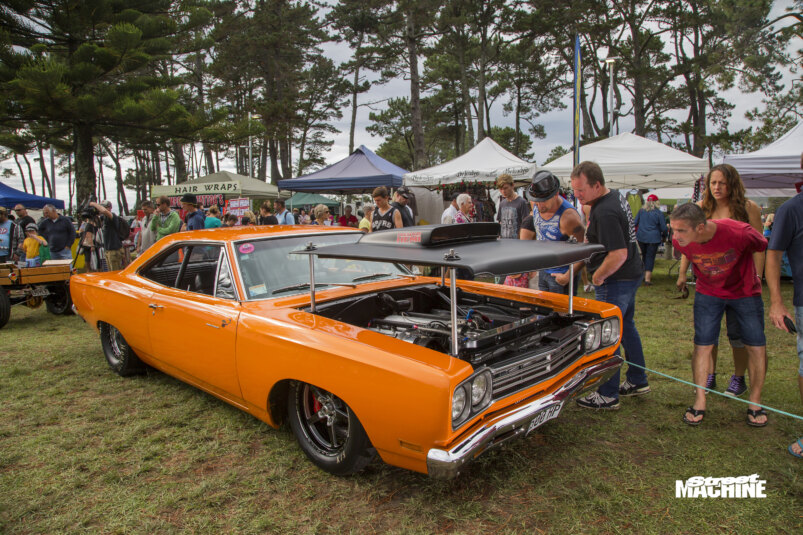
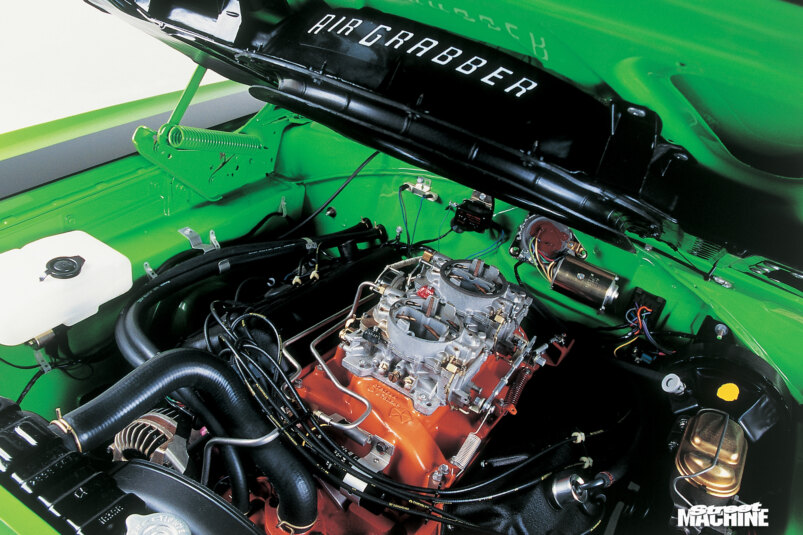
In 1969, Plymouth sold even more Road Runners, probably due to a couple of cool options such as the functional Air Grabber hood, and the legendary A12 option that appeared halfway through the model year. That got you a ’69 Road Runner with a lift-off fibreglass hood and a 390hp 440 Six-Pack engine running a trio of two-barrel Holley carbs – one of the coolest regular production cars to ever leave Detroit.
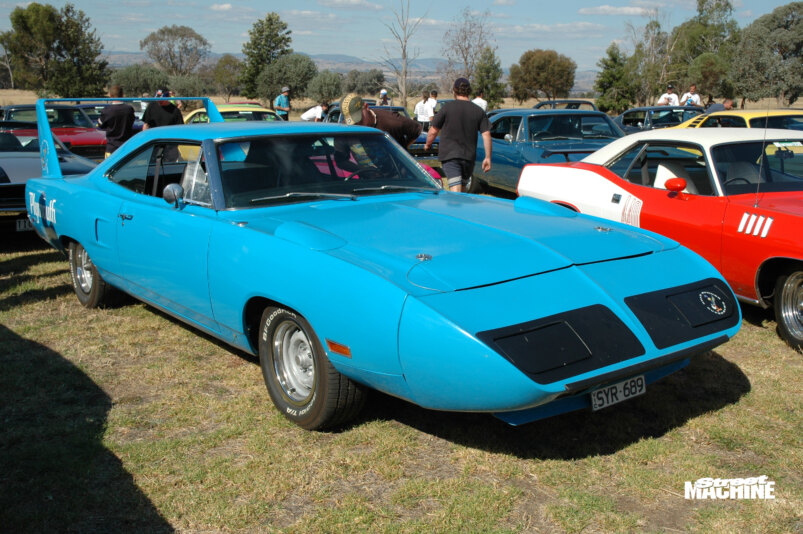
Rising fuel and insurance costs would see a decline in Road Runner sales for 1970, but it also gave us the wildest version – the Plymouth Superbird. The Superbird took the base Road Runner and added a chiselled nose extension to the front and a sky-high rear wing to allow the car to cut cleanly through the air on the NASCAR circuits. While production estimates vary, over 1920 Superbirds were built – supposedly two cars for every Plymouth dealership. But despite their on-track success, the cars proved hard to sell, and some dealers used factory parts to take them back to Road Runner specs to find buyers.
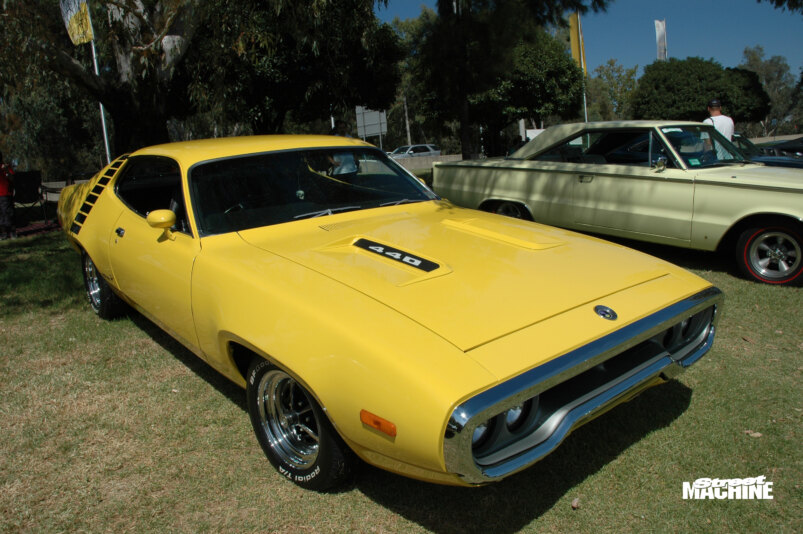
The Road Runner name continued from 1971 to 1980 across several different body platforms, but the bloated styling and addition of small-block options to the engine line-up diluted the pure performance ideal the model started with. We prefer to remember the original Road Runner – the bird that the Coyote couldn’t catch!
Comments