
First published in the October 2005 issue of Street Machine
Hemi
Hemi. To Mopar enthusiasts it’s the sweetest four-letter word you’ll ever hear. To pretty much everybody else, it’s one of those massive engines, spitting flames and frightening small children as it launches a Top Fuel dragster down the quarter mile in a little over four seconds.

Most Aussies know of the 265 Hemi, the screaming six-cylinder that could dust quite a few V8s in its day, but that’s not what we’re talking about here. This yarn is all about the real Hemi, the kind that powered Chrysler land yachts as early as 1951 and ended in the early 70s running in some of the toughest muscle cars ever to roll off an assembly line.
With that sort of heritage you could fill a book with everything you ever wanted to know about the Hemi – and some people have. We’re just offering a quick history on how this engine came about and how it became the engine of choice for top-level drag racers the world over.
Early lessons
Design of the Hemi began immediately after World War II, a time when the US was on a high and looking towards a prosperous future. The Chrysler Corporation had been involved in building aircraft parts and engines for the war effort and the knowledge it gained from this experience was extremely useful when the time came to develop a new automobile engine.
Many combustion chamber and valve configurations were tested to find the most efficient design and the engineers discovered that a chamber with a low surface-to-volume ratio as well as high thermal and volumetric efficiency was the way to go. And the best shape to achieve these sorts of results was a hemispherical combustion chamber.
This was not a new design; other manufacturers had used it in the early 1900s. But until Chrysler started work on its version it was widely believed that an engine of this design would be rough-running and require high-octane fuel. Back then most cars were running about 7:1 compression ratios, so the fuel wasn’t anything flash.
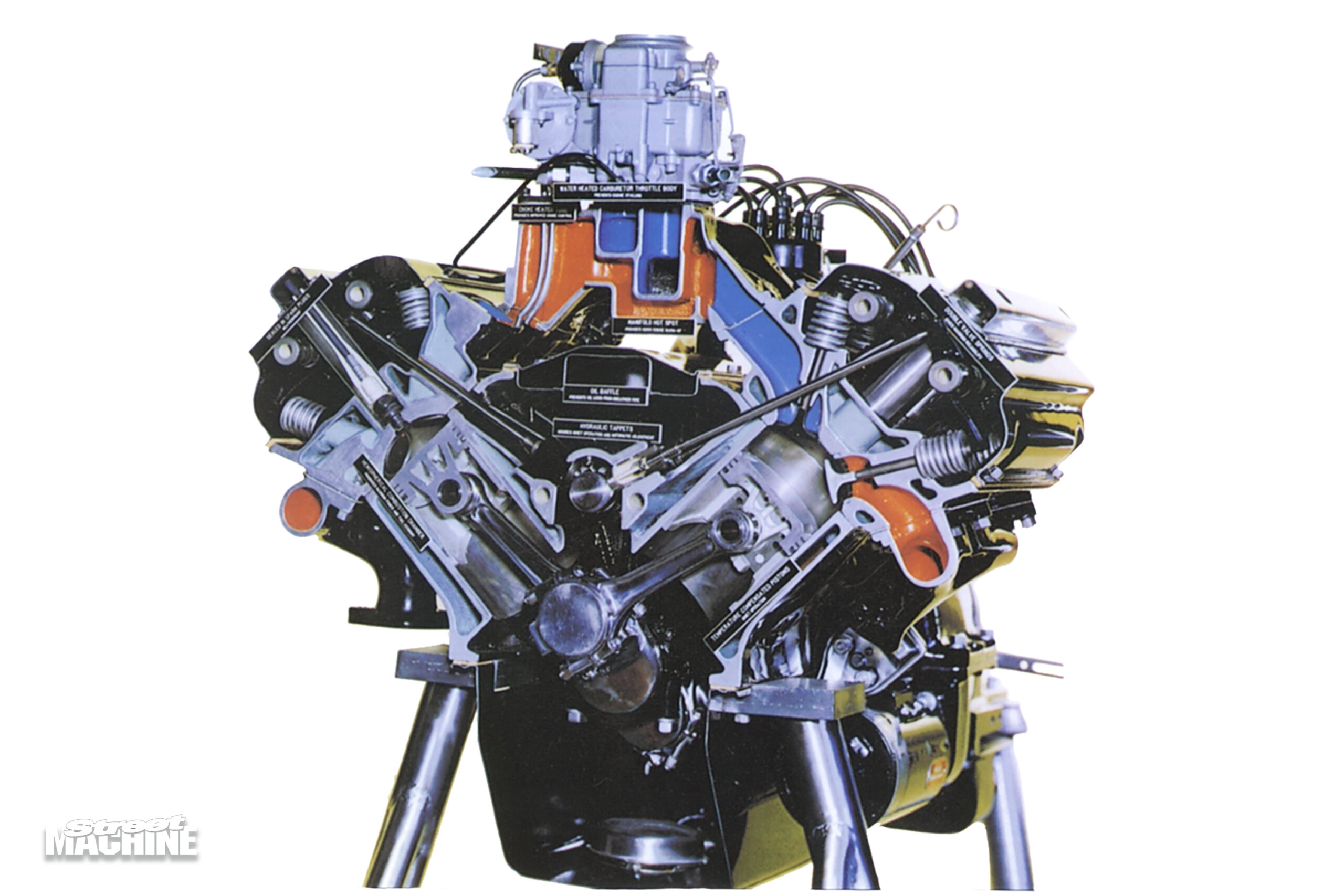
When the Chrysler engineers started messing around with various Hemi designs they soon discovered that the design was much more efficient than the more common L-head (valves in block), F-head (intake valve in head, exhaust in block) and overhead-valve (both valves in head) designs. With the intake valve close to the intake manifold and the exhaust valve directly across from it, the fuel charge had a straight shot in and out of the cylinder, making for a very efficient design.
Initial tests were conducted by converting an inline six-cylinder engine to a Hemi configuration using a chain-driven double-overhead valve design. Results were impressive and the car ran effortlessly on the then-standard 80-octane fuel. The chain drive was too complex for mass production, however, so a pushrod version was developed.
FirePower


Chrysler had made its money on straight-eight engines and the bean counters weren’t too keen on changing the plan but thanks to one of the big bosses deciding it was the right way to go, a V8 format was settled upon for the new engine. The fact that Cadillac and Oldsmobile were working on compact V8 designs was also a factor.
By 1948 Chrysler had built and tested a prototype 330ci Hemi. Results were impressive and the powers that be gave approval for it to be put into production.
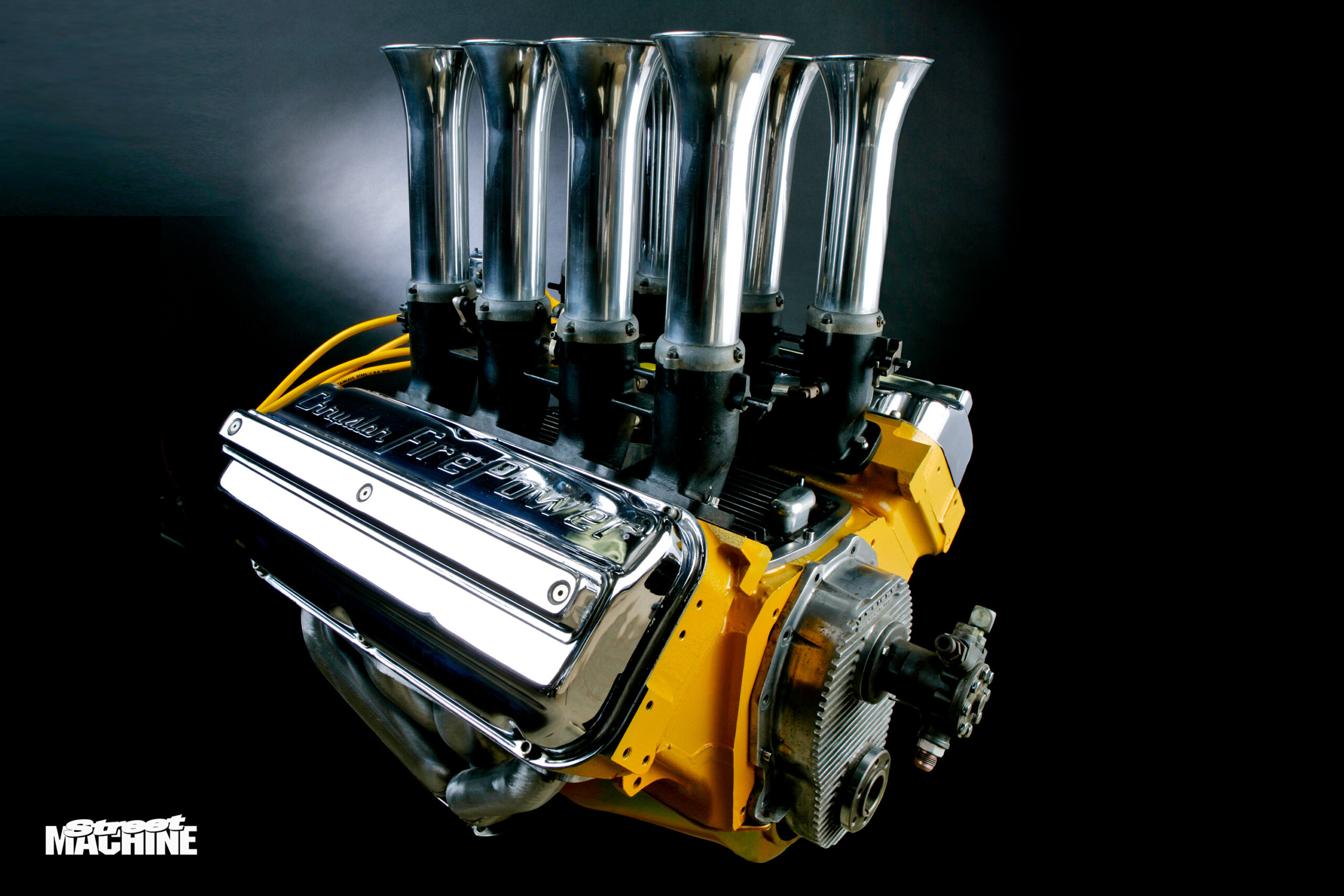
The engine that became the first Hemi V8 was christened the Chrysler FirePower – why don’t they give engines cool names like that any more? It was introduced in the 1951 model year and pumped out 180hp@4000rpm from a displacement of 331 cubic inches. If 180hp doesn’t sound much, it was a jump of more than 40 percent over the straight-eight engine of the year before.
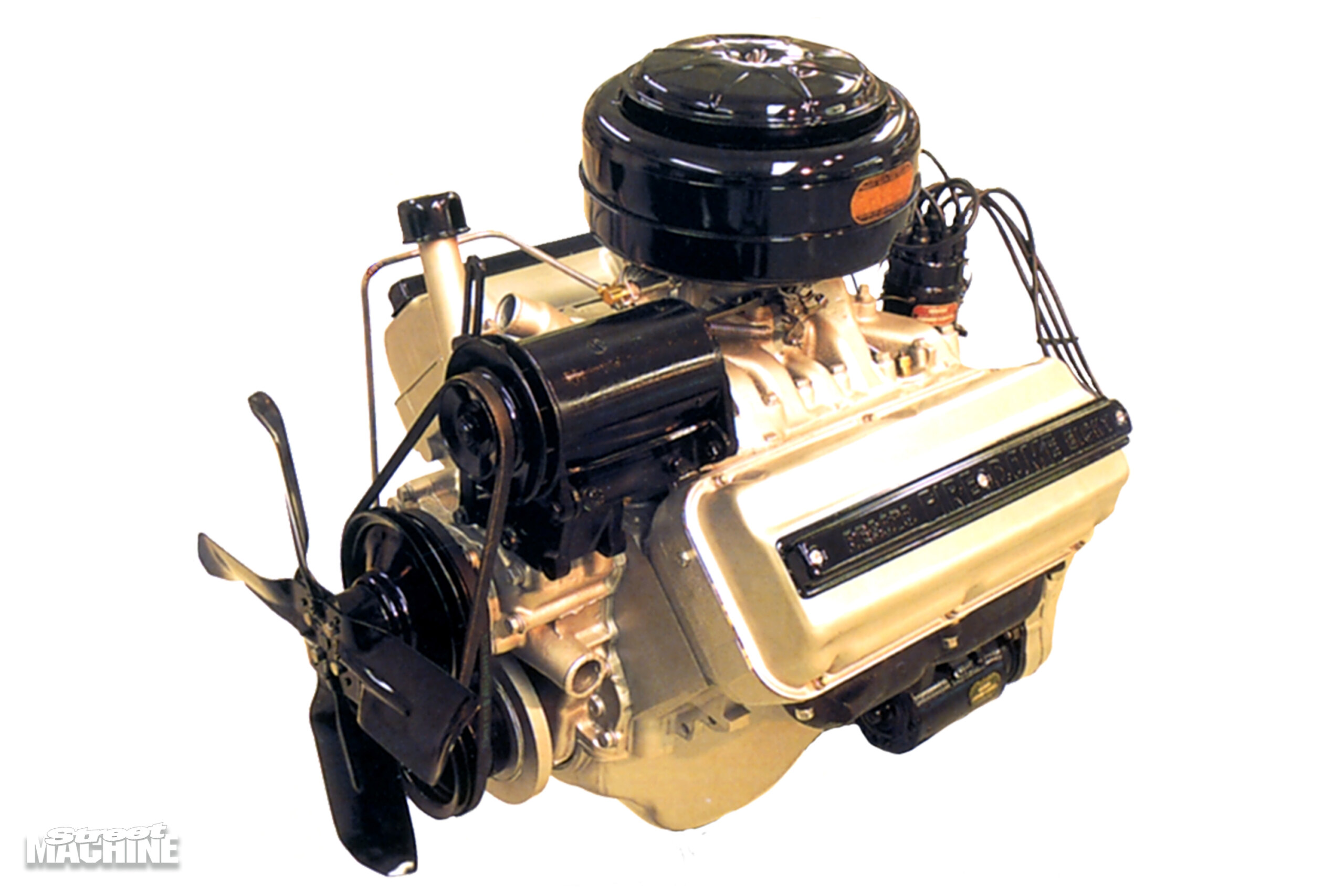
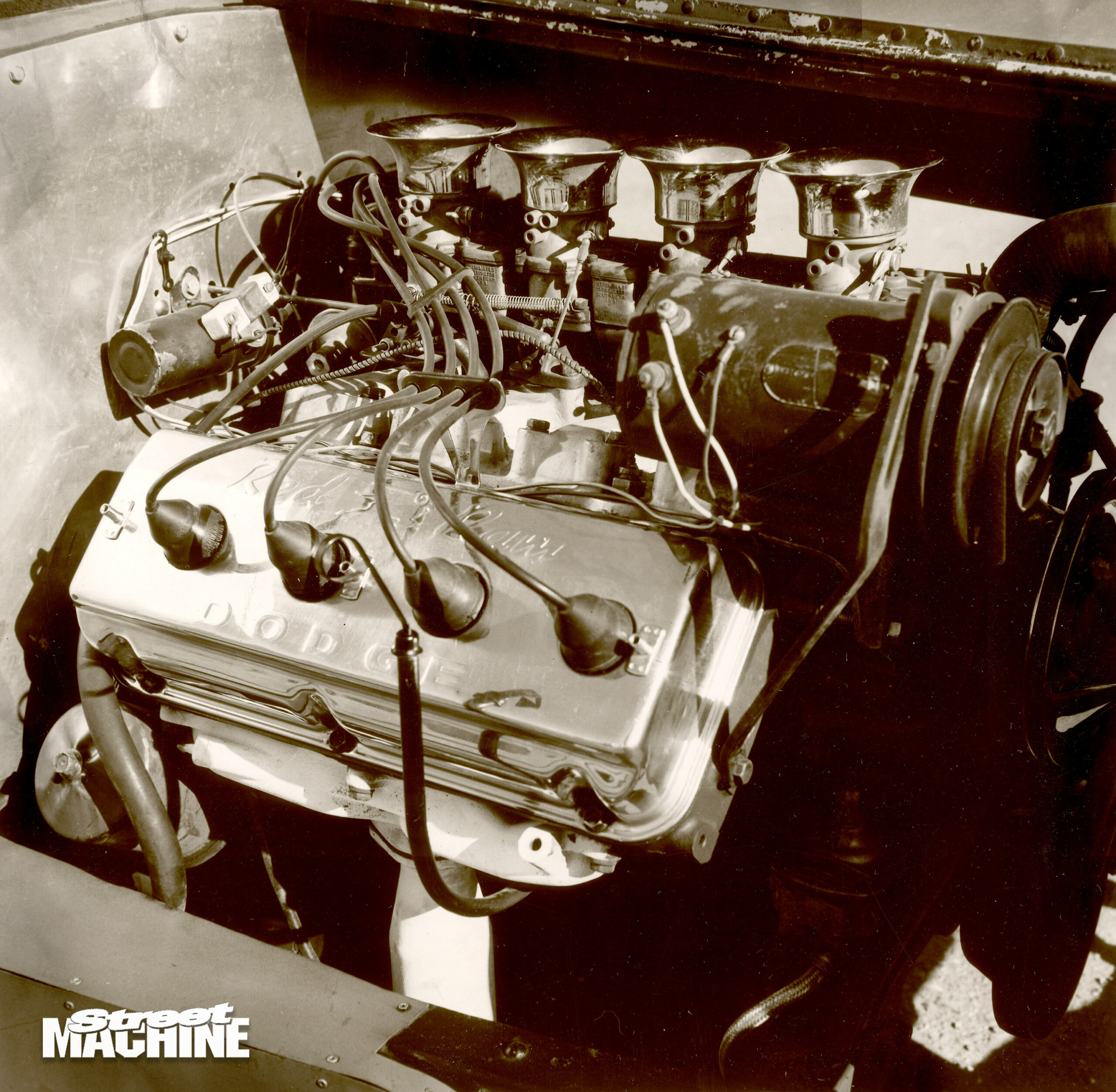
Initially the Hemi was only available in Chrysler vehicles but by 1952 Dodge and DeSoto had their own similar – but smaller – versions. The baby of the family was the Dodge Red Ram, a 241ci unit that made 140hp@4400rpm. DeSoto’s version was christened the FireDome and with a 276-cube displacement it pumped out 160hp@4400rpm.
More is better
Although for the day the Hemi was a powerful engine, the real performance of the head design was as yet untapped. It wasn’t until the hot rodders of the early 50s got hold of the Hemi that its true potential was uncovered. Chrysler engineer Fred Zeder once described hot rodders as “men to whom owning and driving cars is sport and adventure and not merely a chore inherited by default from the streetcar motorman [tram driver]”. Kind of sounds like your typical Aussie street machiner.
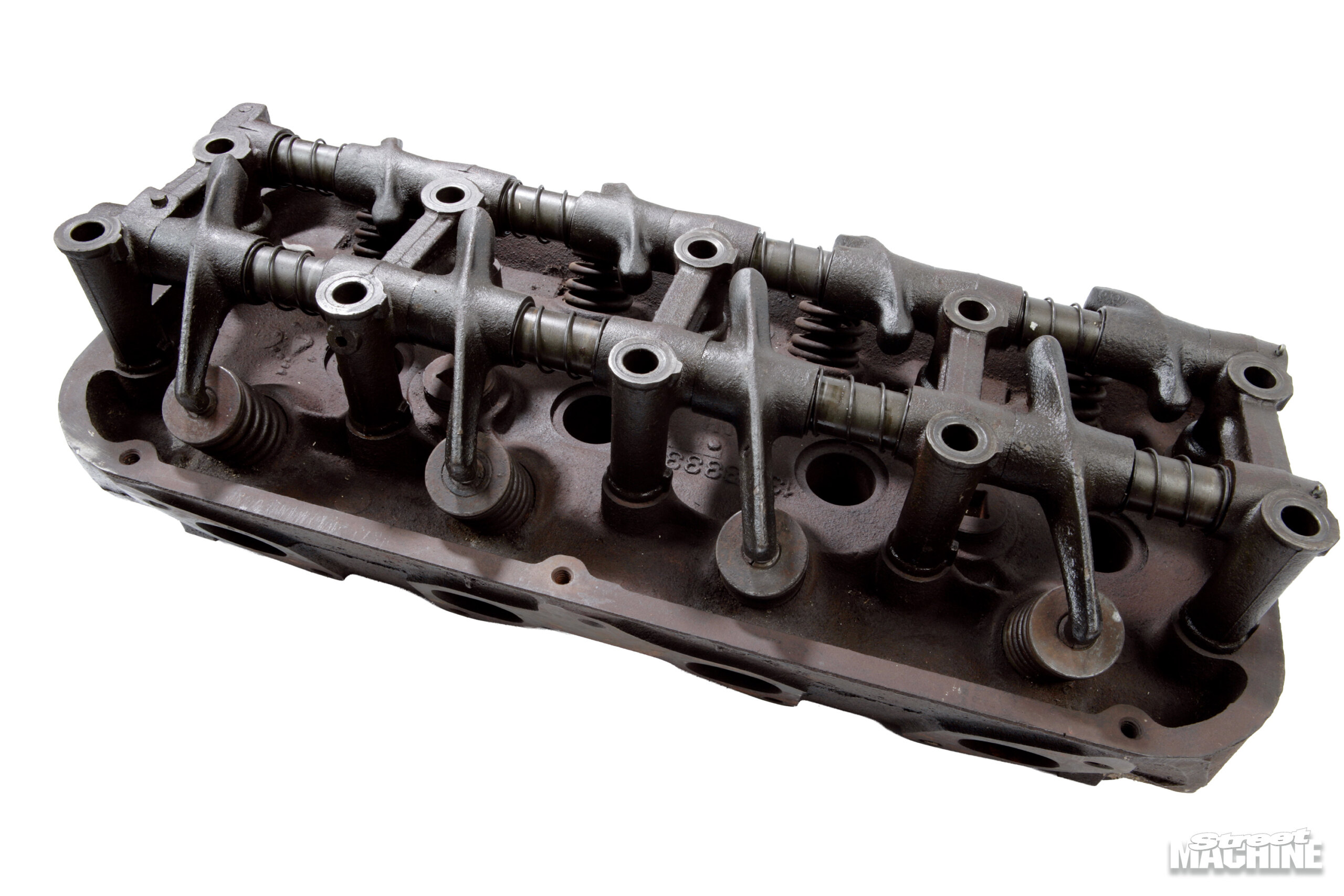
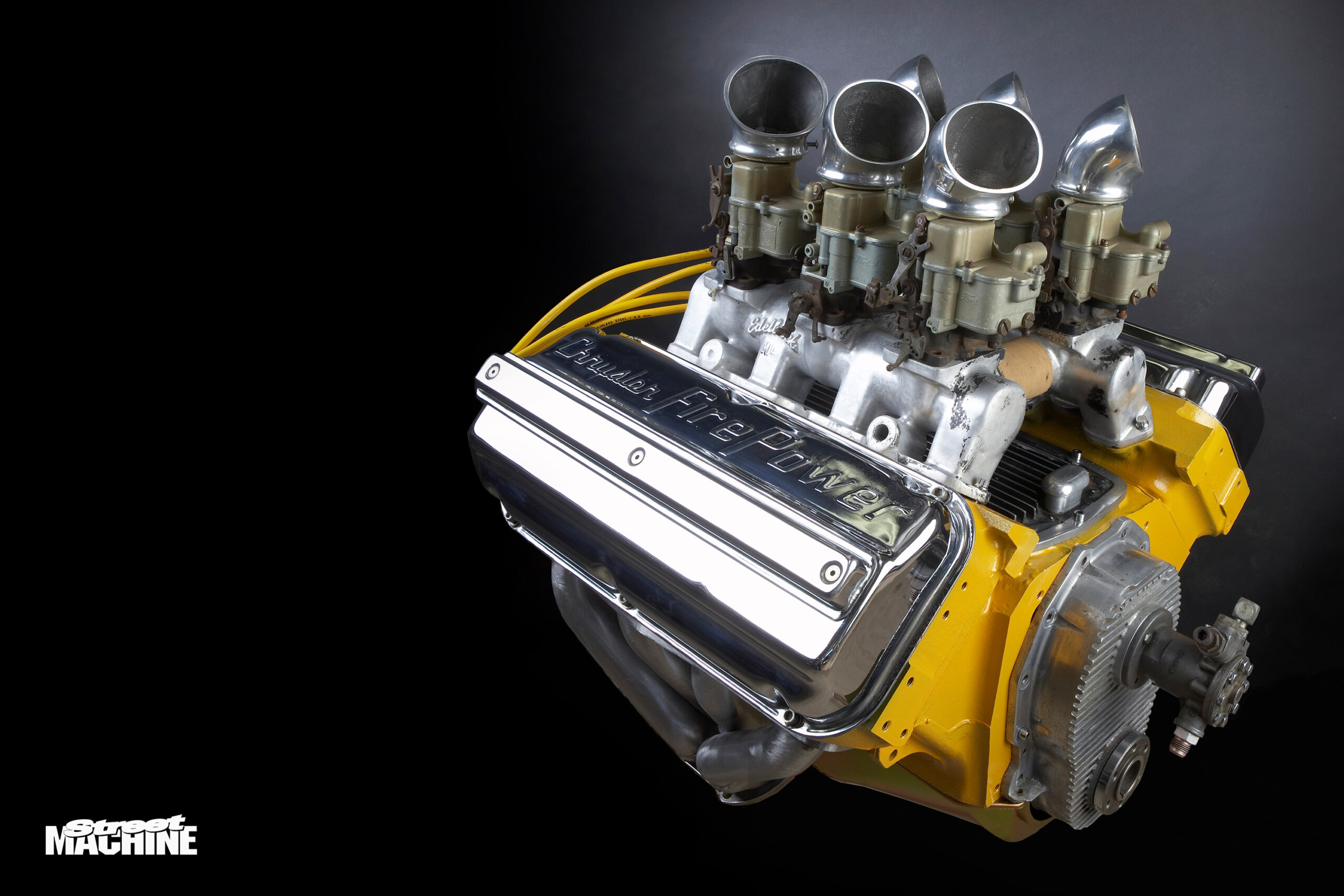
The Chrysler boffins started playing around with higher compression ratios and getting the engine to breathe; the installation of headers alone added 13hp and 18ft-lb of torque. Although the Hemi already had pretty decent-sized valves, the design of the combustion chamber allowed for even larger ones. So that’s what they did. They bumped up the intake valve diameter by 1/8in and the exhaust by ¼in, and increased the port size. With all the extra air now able to flow through the engine, they needed to add more fuel and they chose to install four two-barrel carbs on a simple runner manifold. This gave plenty of fuel with the bonus of looking cool too!
The last thing the engineers did was put in a lumpier cam, then they chucked it on the dyno. All up, the improvements yielded an extra 95hp and 60ft-lb. Now it was getting serious.
Street legal
It takes a manufacturer a lot longer than your average petrolhead to implement a bunch of modifications and it wasn’t until 1954 that the public started to get the hotter versions of the Hemi. If you ticked the boxes for the four-barrel version, you got 235hp out of your Chrysler FirePower. Compression was still only 7.5:1, however, so there was still a lot more to come.
The year the legend of the Hemi really gathered speed was 1955, with the introduction of the Chrysler 300, so named because its 8.5:1, solid cam, twin four-barrel 331 Hemi pumped out 300 horsepower! The only car that came close to that level of power was the Cadillac Eldorado, which was only 30 horses away but weighed half a ton more.

The Dodge and DeSoto Hemis hadn’t been forgotten either; the Red Ram was bulked up to 270ci and made 193hp with a four-barrel, while the slightly larger FireDome was now packing 291 cubes and 185hp with a two-barrel. DeSoto also introduced a four-barrel version called the Fireflight that developed 200hp.
Letter cars
Following up the barnstorming Chrysler 300 wasn’t going to be easy but the Chrysler boys weren’t dumb. Using the ‘if some is good, more must be better’ philosophy, the 331 grew to 354 cubic inches and the compression was again bumped up, this time to 10:1.
To distinguish the 1956 model 300, Chrysler came up with the now famous letter designation, naming the new model the 300B. It now pumped out 355hp and 405ft-lb with the top-spec engine. So good was the combination that a 300B driven by Buck Baker won the 1956 NASCAR Championship with 14 race wins, making it two in a row for Chrysler. This did wonders for the company’s street-cred and was the beginning of the mystique that still surrounds the 300-series cars.
New models
Things were looking good at Chrysler and the 1957 model year introduced completely new sheetmetal featuring some wild fins. Rumour has it that Chevrolet spies spotted the new Chryslers and rushed to redesign their ’57 models.
To go along with the new bodies, a new Hemi was designed. The new raised-block 392 featured a four-inch bore and 3.90-inch stroke, along with larger valves. Even the cooking models were pumping out 325hp and for the new 300C the engineers really went to town. Still using the twin four-barrels, but with a much more radical cam and optional 10:1 compression, owners all over America struggled to get 390 horses to the road with the razorblade tyres of the period.
Dodge and DeSoto also notched regular improvements to their Hemis, now measuring 325 and 345 cubic inches respectively. For DeSoto, 1957 was the last year the Hemi was available.
Chrysler and Dodge managed to hold on to the Hemi for another year but by now the cheaper wedge-head design was introduced and the Hemi’s days were numbered. Dodge’s offering of the 325 Hemi didn’t look too good stacked up against the new and more powerful 350 and 361 Wedge engines.
At Chrysler, the Hemi was still the big dog in town with the 354 and 392 available, although the 300D sported ‘only’ 380hp, 10 down from the previous model. If you wanted 390hp, you had to order the Bendix Electrojector EFI system – yup, electronic fuel injection.
Needless to say it didn’t work worth a damn, so the 16 cars that rolled off the assembly fitted with the whizz-bang set-up were retro-fitted with the twin four-barrel intake. Turns out the computer couldn’t quite hack the pace back in 1958.
So after eight years of continual improvement and a race-proven pedigree, why was such a good engine design canned? Yep, those bean counters again. These geniuses figured Chrysler Corporation was spending more money on engines than Ford or Chev, so the more economical wedge-head design got the nod.


Back on track
By the early 60s, the ‘win on Sunday, sell on Monday’ sales mantra was in full swing. The motoring companies used drag racing and NASCAR as a way to prove to the general public that their products were the best around.
On the dragstrip, Chrysler’s 413 Max Wedge engine was a force to be reckoned with but when it came to the banked ovals of stock-car racing, the Wedge just couldn’t cut it.
A decision had to be made to either come to the party or get out of racing. Thankfully the management decided to go ahead and it didn’t take long for the engineers to decide on which way to go with engine development. The Hemi design had already been proven so they decided to create a Hemi version of the Wedge engine. A new Hemi head was designed using the same basic dimensions as the 426 Wedge. This meant the existing tooling could be used, saving a great deal of time.
The decision to go ahead with the Hemi head was made in March 1963, with the intention of racing it at Daytona Speed Week in February 1964. That may sound like a long time but it wasn’t simply a case of designing a new head and chucking it on the existing cylinder block. After the raw blocks were cast, they were sent to the engine plant where a special offline operations area modified the 426 Wedge block to suit the Hemi’s requirements.
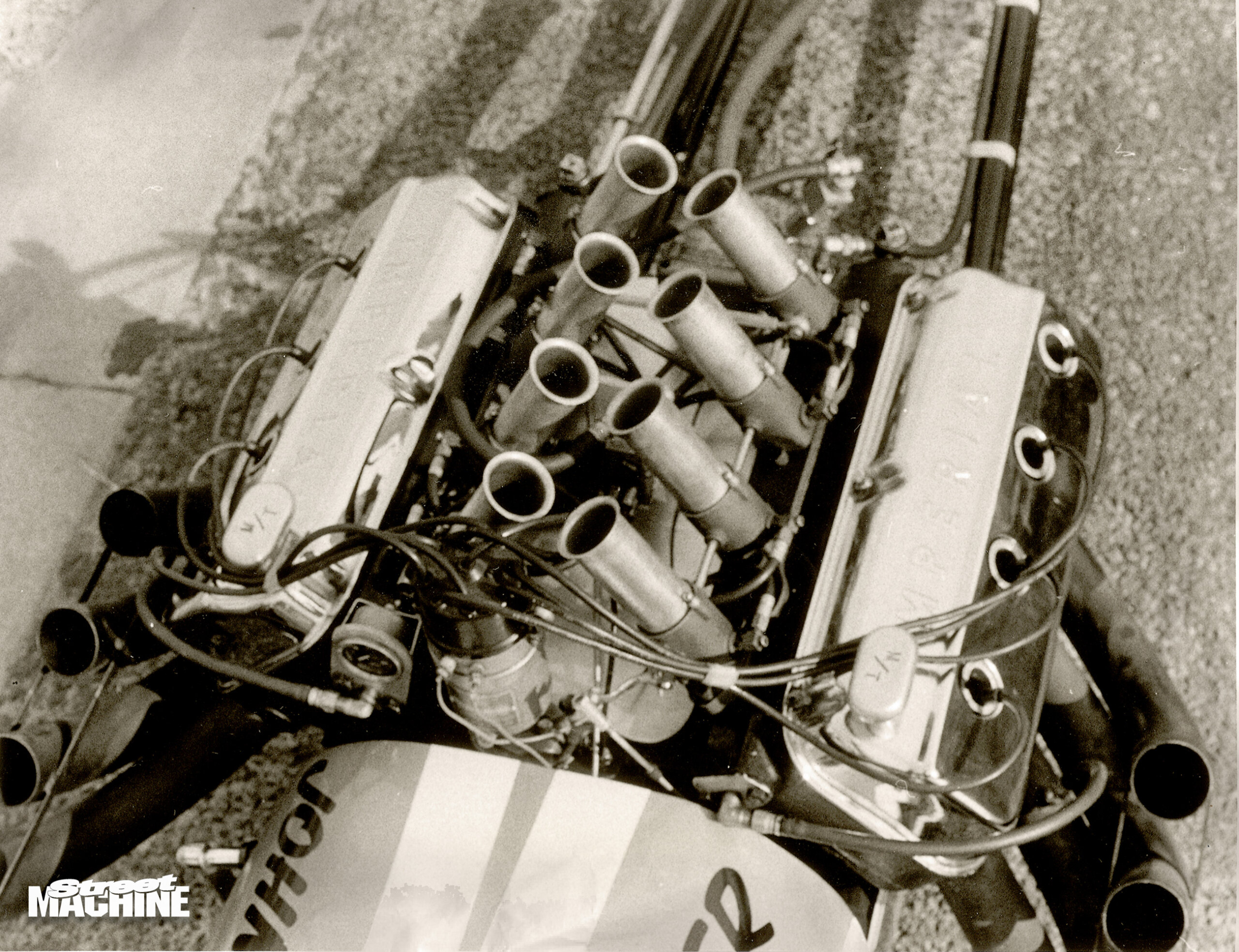
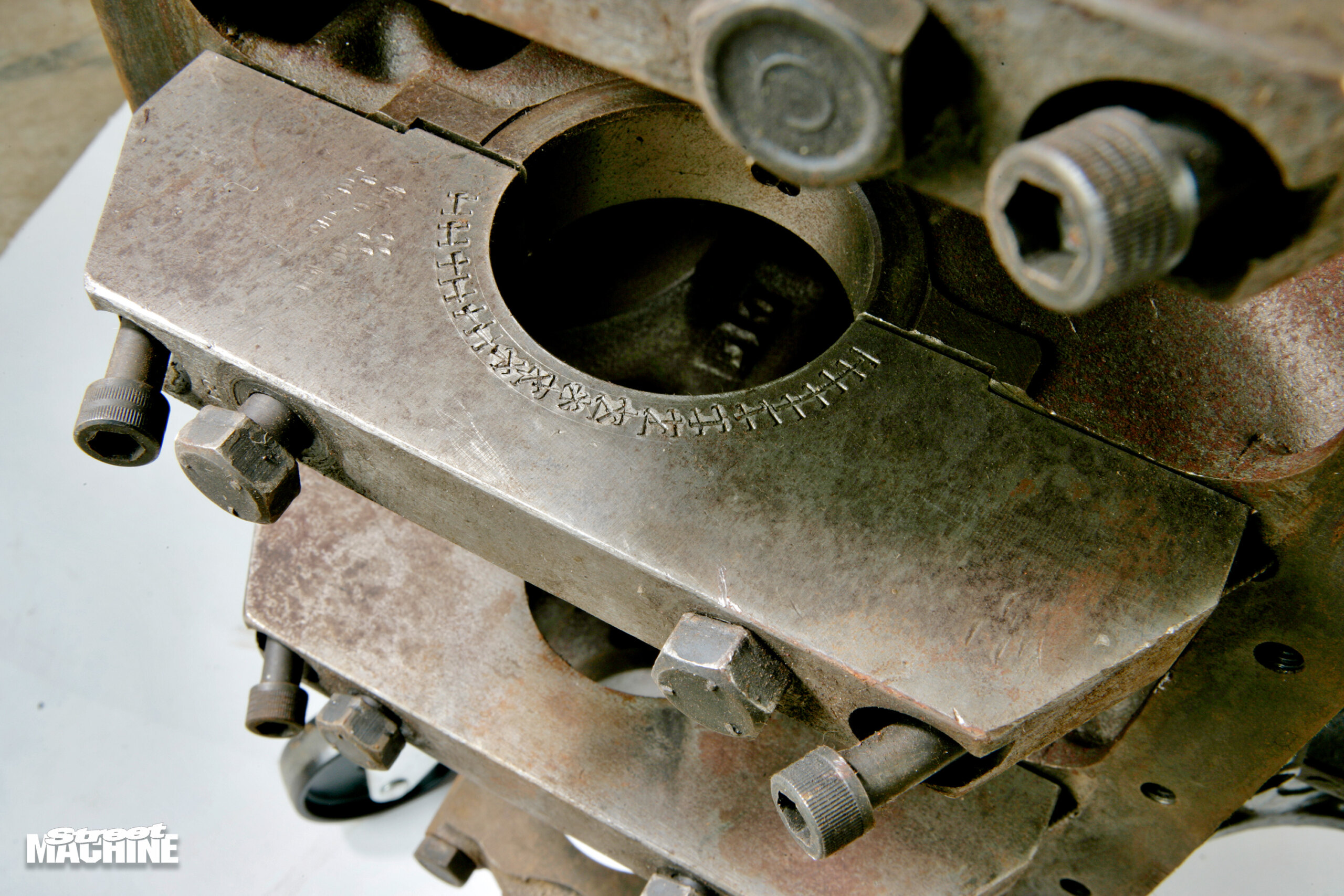
To ensure durability, a completely new main-bearing cap design was created. Due to the deep-skirt design of the new raised-block engines, a cross-bolt was added that went through the block walls and into the number two, three and four bearing caps. Each race Hemi took around 80 man-hours to assemble, and that figure didn’t include machining.
It wasn’t until December 1963 that the first engines were fired up, with Daytona only two months away. The engine made 400hp at only 4800rpm; the first full-noise run, the engine made 425hp, and there was much back-slapping and celebration. This would be a motor that could really take it to Ford and GM.
One pull on a dyno doesn’t make a 500-mile race engine, however, and in race-profile testing several engines failed with vertical cracks in the cylinder walls.
The solution was to thicken up the cylinder walls by modifying the sand cores used to cast the blocks and as an extra precaution these blocks were sent to a stress-relieving furnace before being machined. By this stage it was only weeks to race day and people were working around the clock to make sure the engines were ready to fire.
Chrysler cut it so fine that its teams had to qualify using the old-design block. They just had to hope the engines would hold together long enough to get them through qualifying.
Not only did the engines get them through, Hemi-powered cars set new lap records left, right and centre. Most amazingly, not once did any of the cars do a wide-open lap. The reason for this was that Chrysler didn’t want to tip its hand too early and give the Ford and Chevy boys something to complain about.
The race was on to build the new heavy-wall castings into fully prepped race engines so the teams could swap their old engines out before race day on 23 February 1964. So precious were these engines that the engineers insisting that they were trucked down rather than air-freighted.
After a seemingly impossible deadline, the Chrysler engineers must have been pretty happy on race day. Of 46 starters, the first seven grid positions were either Dodge or Plymouth Hemi-powered cars, fitted the day before with their new engines. Hemi-powered cars finished first, second, third, fifth, ninth and 12th, with only one failing to finish. A new average speed record was set of 154.334mph.

Quarter-mile at a time
Once development of the new 426 Hemi was given the go-ahead, a parallel design for a drag-racing Hemi was also implemented. The main difference was to be the intake manifold design. While the circle-track engines used a dual-plane single four-barrel intake, the drag boys got a much cooler single-plane design that featured a staggered twin four-barrel design. Each carb sat on top of a plenum and fed the four cylinders on the opposite side. Fitted with a pair of 770cfm Carters, there was never a shortage of fuel being poured into the big Hemi.
Several hundred of these specialised drag engines were produced by the company in 1964. Factory rated at 425hp, most racers figured they were actually good for a lot more.
In 1965 the factory introduced the lightweight Hemi. The new parts included aluminium heads, oil pump body, oil pump cover, water pump housing, water outlet elbow and alternator bracket. The intake was now cast in magnesium and machined by Keith Black.
Cars fitted with these engines were serious pieces of work designed solely for drag racing. This was made abundantly clear in the owner’s manual that had a disclaimer stating that warranties did not apply and the cars were not recommended for daily driving. But you could buy one, uncork the headers, bolt on some slicks and run 11.5sec quarters all day!
Street Hemi
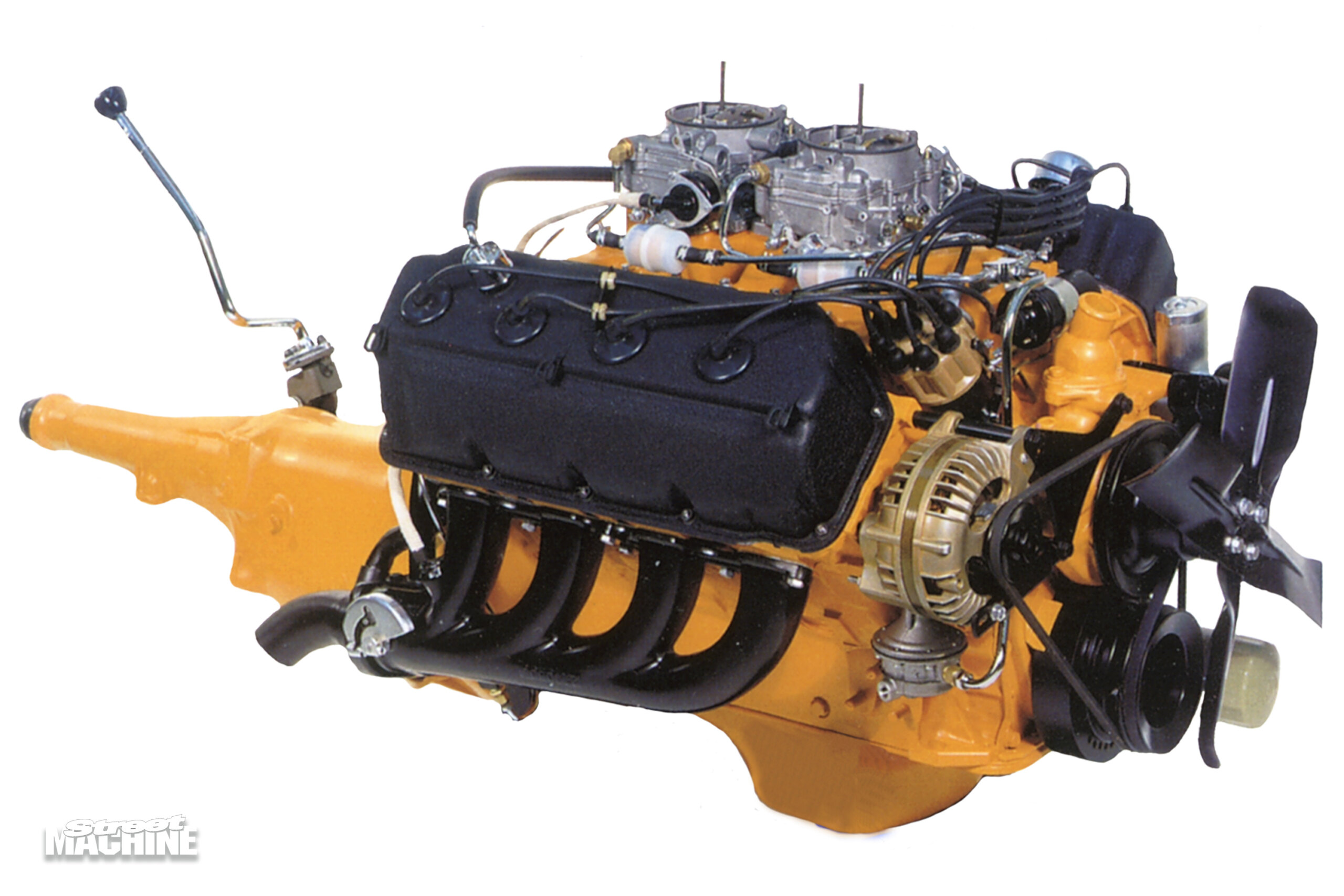
Between 1966 and 1971 you could get a detuned version of the race Hemi for your street car. It had several manufacturing steps deleted to cut costs, and mods to make it more civilised – though these street Hemis still ran twin four-barrel intakes, four-bolt mains and a solid cam. They produced an honest 425hp and, on the track, street Hemi-powered cars were turning low 14s with top speeds around 135mph.
Meanwhile, NASCAR changed the rules, introducing a displacement limit of 305ci for 1971. It was too tough to alter the Hemi to suit and production of iron Hemi heads ceased in 1970; aluminium units lived a short time longer. The last year for the street Hemi was 1971. If race rules weren’t enough, the Supercar Scare, fuel shortages and pollution worries were looming large on the horizon.
Chrysler’s decision to end development of the Hemi was probably right; it will always be remembered as the ultimate street performance engine, not as a limp unit choked with anti-pollution gear and wheezing through a single exhaust.

Keith Black
Chrysler stopped making Hemis during 1971 but their popularity in drag racing meant there was strong demand for the engines, and the horsepower being generated was starting to take its toll on the old iron-block engines.
The first aftermarket Hemi block was Ed Donovan’s aluminium version of the 392 Hemi. His block used the same major dimensions as the stocker but increased bore from 4.00 to 4.125 inches, which gave a higher capacity of 417ci. The result was stronger and lighter, and much more capable of handling the stresses of nitromethane. The end result was that the racers could make a lot more horsepower.
Perhaps the best-known name in aftermarket Hemis is Keith Black. He’d worked with Chrysler and was respected for his powerful racing engines. He had approached Chrysler about building an aluminium Hemi but had been knocked back. The Donovan Hemi proved there was a market for an aftermarket engine.
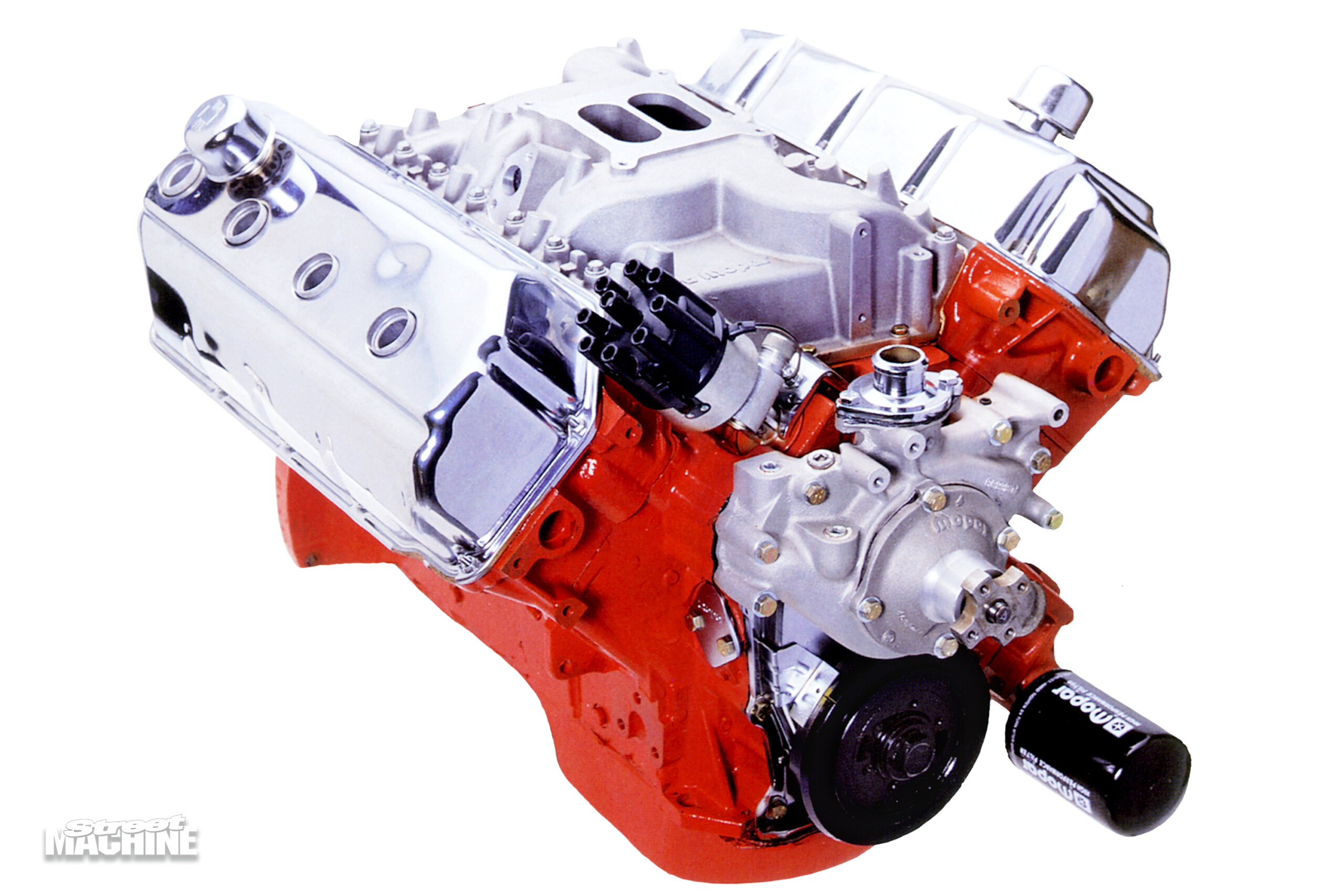
Black based his Hemi on the 426 and although he didn’t get any financial support from Chrysler, it did offer technical support including the factory blueprints for the 426. In 1974 the KB aluminium Hemi was released and has become the most popular and widely used among the top racers.
Confirming the potential of the Hemi design for making massive horsepower is the fact that Chrysler decided to make them again, 20 years after it halted production.
In the late 80s Chrysler realised there was quite a market for the Hemi out there. It heard the complaints of the drag racers, restorers and petrolheads and finally Mopar Performance restarted production of the Hemi, even creating new tooling to do it.
What’s in a name?

So revered is the Hemi at Chrysler that the nameplate has been dusted off and can now be found on the latest V8 engines. Although not a true hemispherical head, it’s pretty close. Currently available in the Jeep and Chrysler 300C in Australia, the new engine measures 5.7 litres, pumps out 340hp (250kW) and has a Multi Displacement System (MDS) that shuts down four of the cylinders when you don’t need them, improving fuel economy by up to 20 percent. Best thing about them is you don’t have to wait until you find a new Jeep or Chrysler in the wrecking yard. In another piece of marketing genius you can buy them brand new from Chrysler and, surprisingly, they’re even available with carbs! If you really want some mumbo though, the 6.1-litre Hemi (or HEMI as it’s now written) is the way to go. Available in the Dodge Charger SRT8, the bored-out donk makes around 420kW (310kW), but you can’t get it in a crate yet. With a bit of detailing, we reckon one of these would look a million bucks in an Aussie Charger. So who’s going to be first?
Hemi special
What makes the Hemi so special? The design of the head is efficient and allows fuel to enter, burn and exit the combustion chamber with very little disturbance. Looking through the intake port of a Hemi you can see through to the exhaust port, so it’s no surprise they flow so well. The hemispherical shape of the chamber also allowed generous valve sizes so it wasn’t really necessary to go bigger.
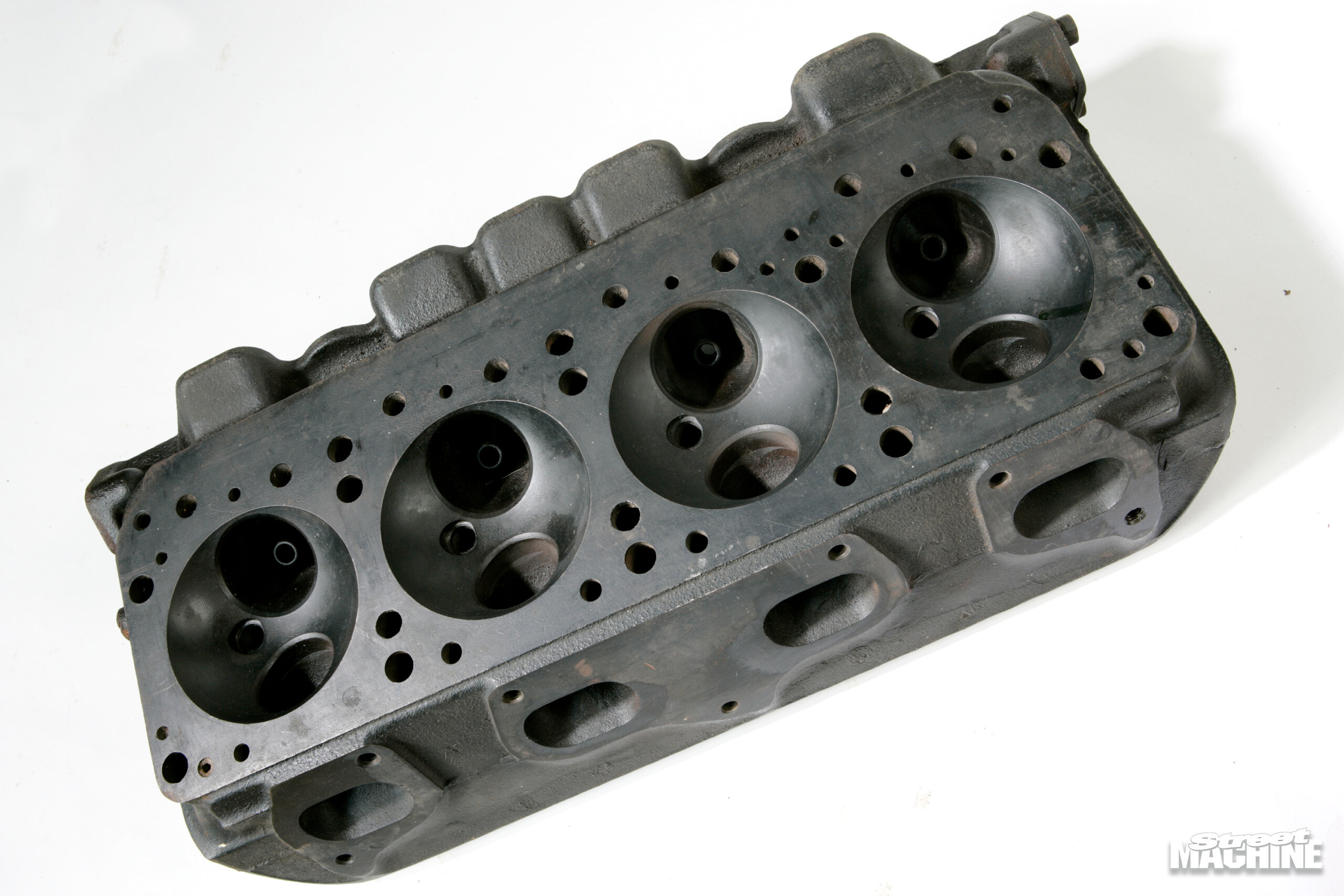
People soon realised the advantages of the Hemi, and not just the hot rodders. Socialite Briggs Swift Cunningham had plenty of money and loved motor racing, so he created his own race team and car – a purpose-built unit designed to take on the Europeans at Le Mans. Cunningham’s best year was 1953, when his three entries all finished in the top 10. The best was the C-5R driven by Phil Walters and John Fitch in third. Recording a flying kilometre at more than 154mph, the Cunningham entry was quite a bit quicker than the winning Jaguars. The power advantage of the four-carb Hemi was obvious; the Jags had disc brakes and could carry their speed much deeper into the corners, cancelling out the Cunningham’s extra speed.
The Hemi was never sold in Australia, so donor cars weren’t an option. That didn’t stop Aussie drag-racing pioneers getting hold of the powerplant though. Jimmy Kerr, Graham Withers, the Hussey brothers and of course Graeme Cowin all campaigned iron-block Hemi-powered cars. More recently, Al Fountain raced an iron-block 392 in his Hot Cargo Falcon ute. The switch to a KB block saw the car drop a whole second off its ET.
Aussie Hemis

The Hemi was never sold in Australia, so donor cars weren’t an option. That didn’t stop a few of the Aussie drag racing pioneers getting hold of the awesome powerplant though. Guys like Jimmy Kerr, Graham Withers, the Hussey Brothers and of course Graeme Cowin all campaigned iron-block Hemi-powered dragsters in the early days. More recently, Al Fountain raced an iron-block 392 in his Hot Cargo Falcon ute. After hurting the stock block too many times, the switch to a KB block saw the car drop a whole second off its ET. The other advantage of the aftermarket blocks was the ability to repair them in the event of a failure.
Model engine

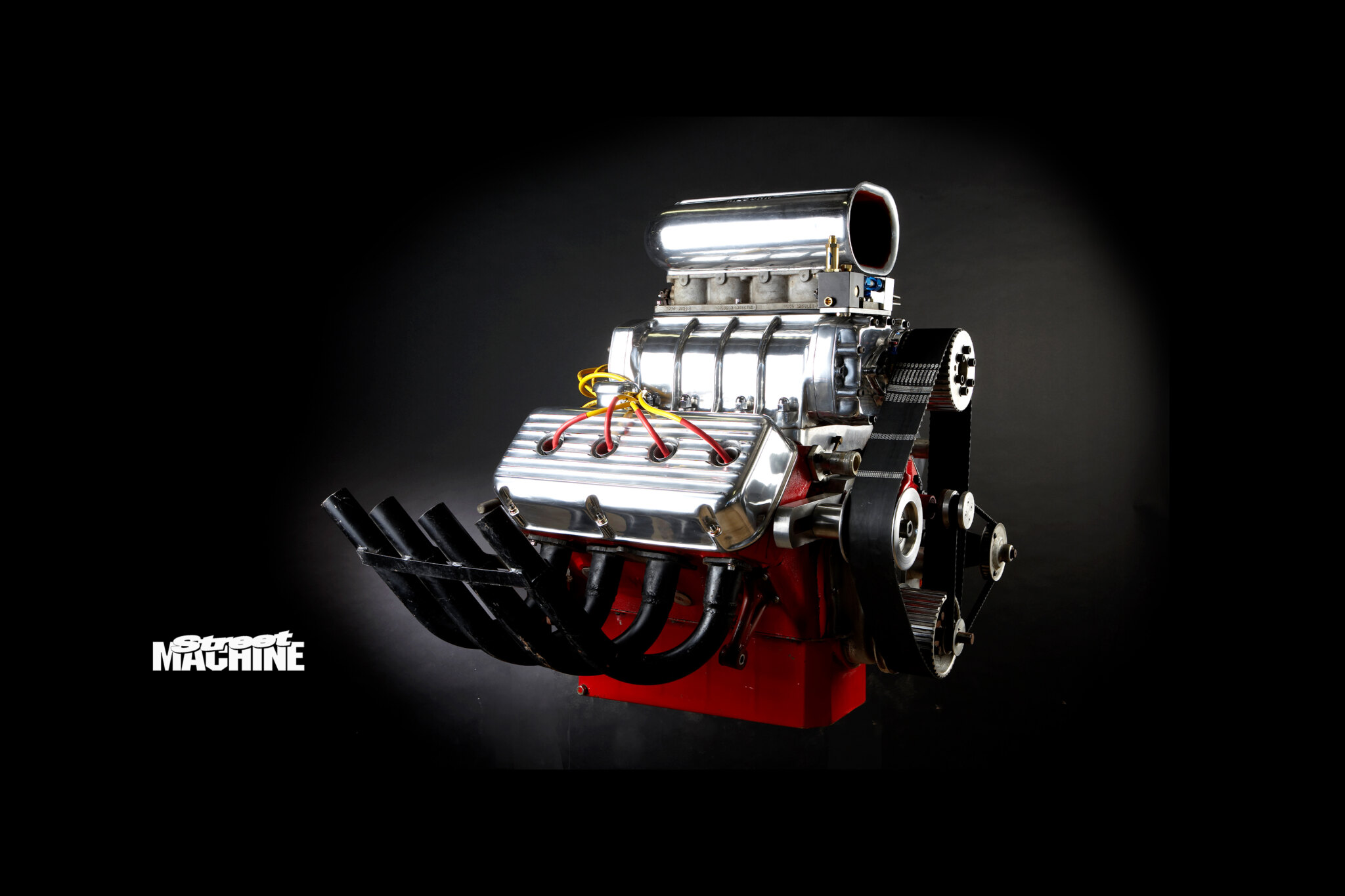
The gorgeous blown Hemi above is a 354 Chrysler unit. It’s quite clear they never left the factory like this, but thanks to some head work by Superflow, a GM 6/71 blower and 4-port Hilborn injection, it not only looks the part but will more than do the job once bolted back between the chassis rails. Other go-fast goodies include an Enderle fuel pump, Isky cam and an MSD ignition system.
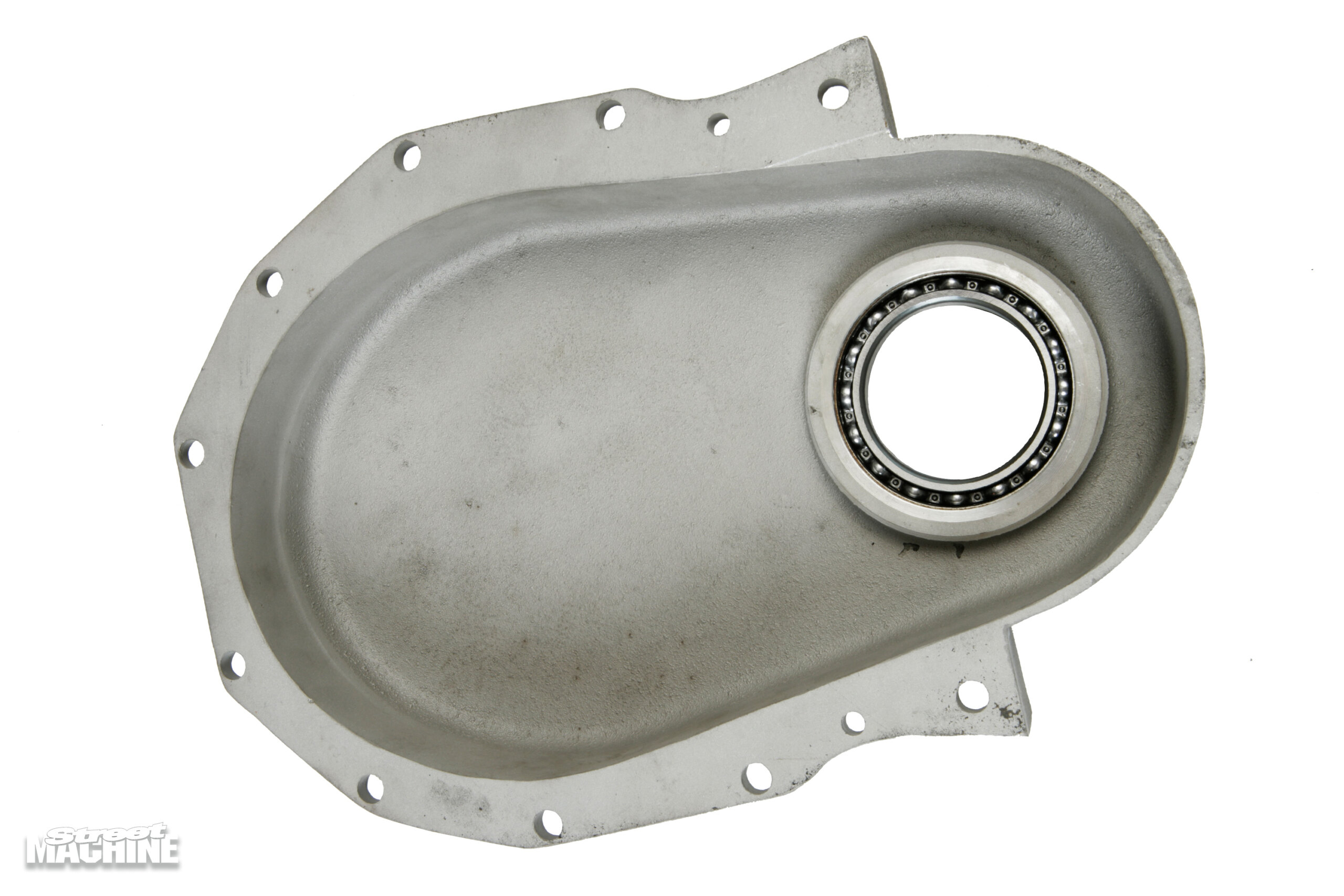
Many thanks to Diablo Motors and Dave at Wetherill Park Performance for getting the engine ready for our photo shoot and to Philtec Services for supplying many of the parts.
Old-tech EFI

Think electronic fuel injection is a recent invention? Think again. In 1958 Chrysler offered the Bendix Electrojector as an option on its 300-series cars. Only 16 such cars left the factory but with computer design in its infancy, the ‘brain box’ that controlled the system couldn’t quite cut it. In the end the factory recalled all the cars and fitted them with the twin four-barrel option. The design is similar to that many street machiners and hot rodders have today, with twin throttlebodies and injectors plumbed into the intake manifold.
Comments