
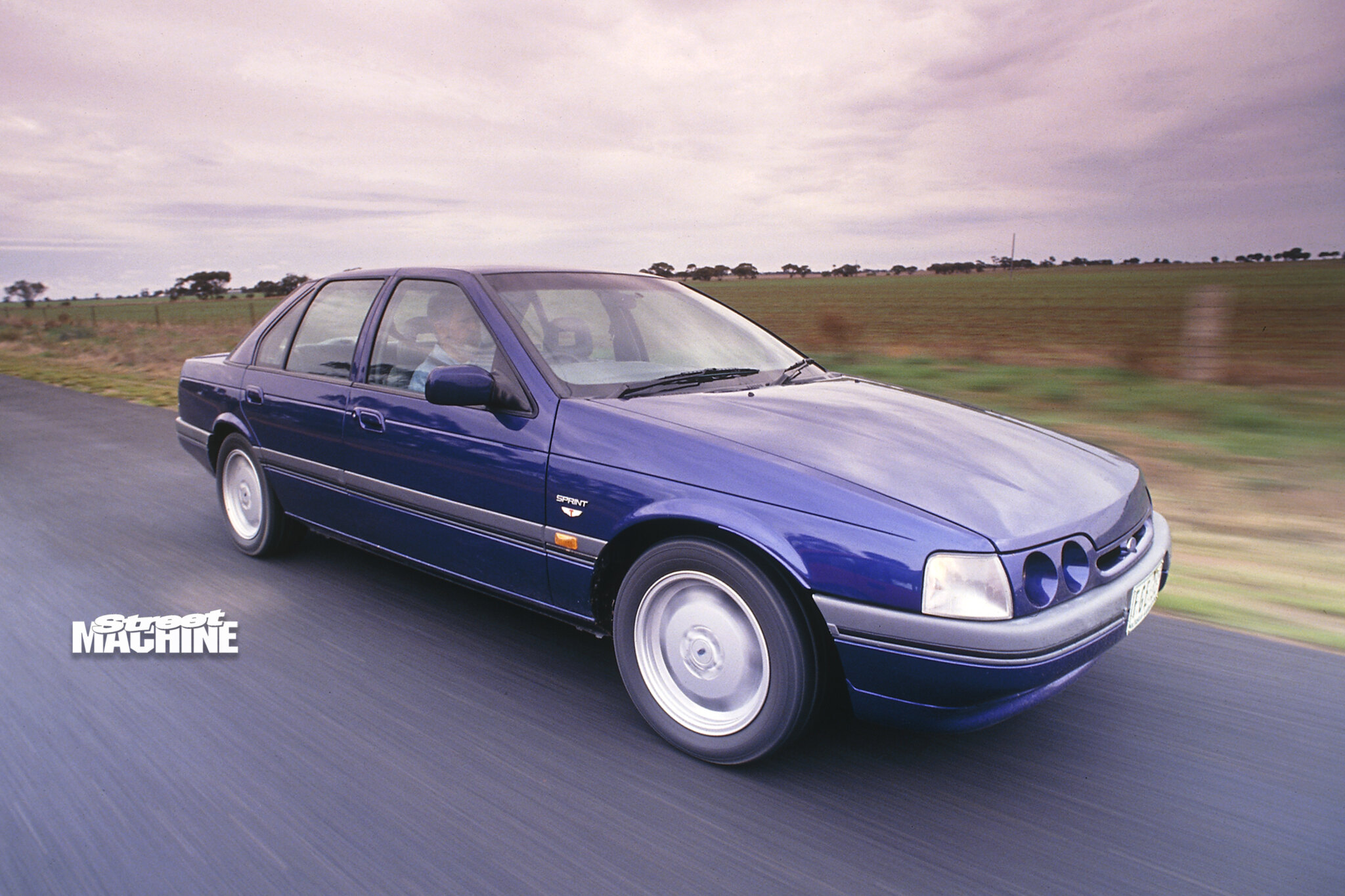
First published in Street Machine’s Australia’s Toughest Fords #3, 2005
The EA Falcon was launched with a fanfare of magazine and TV advertising (the TV ads showed the Falcon rising, goddess-like, out of a lake) and was to be the core of Ford’s “big car for a big country” for most of the 1990s.
The EA was followed by the EAII, EB, EBII and ED between 1989 and 1994. Along the way, several new models were launched (the Tickford XR series in particular) and new engines introduced as Ford worked very hard to make the Falcon as good as it could be.
THE GOOD BITS
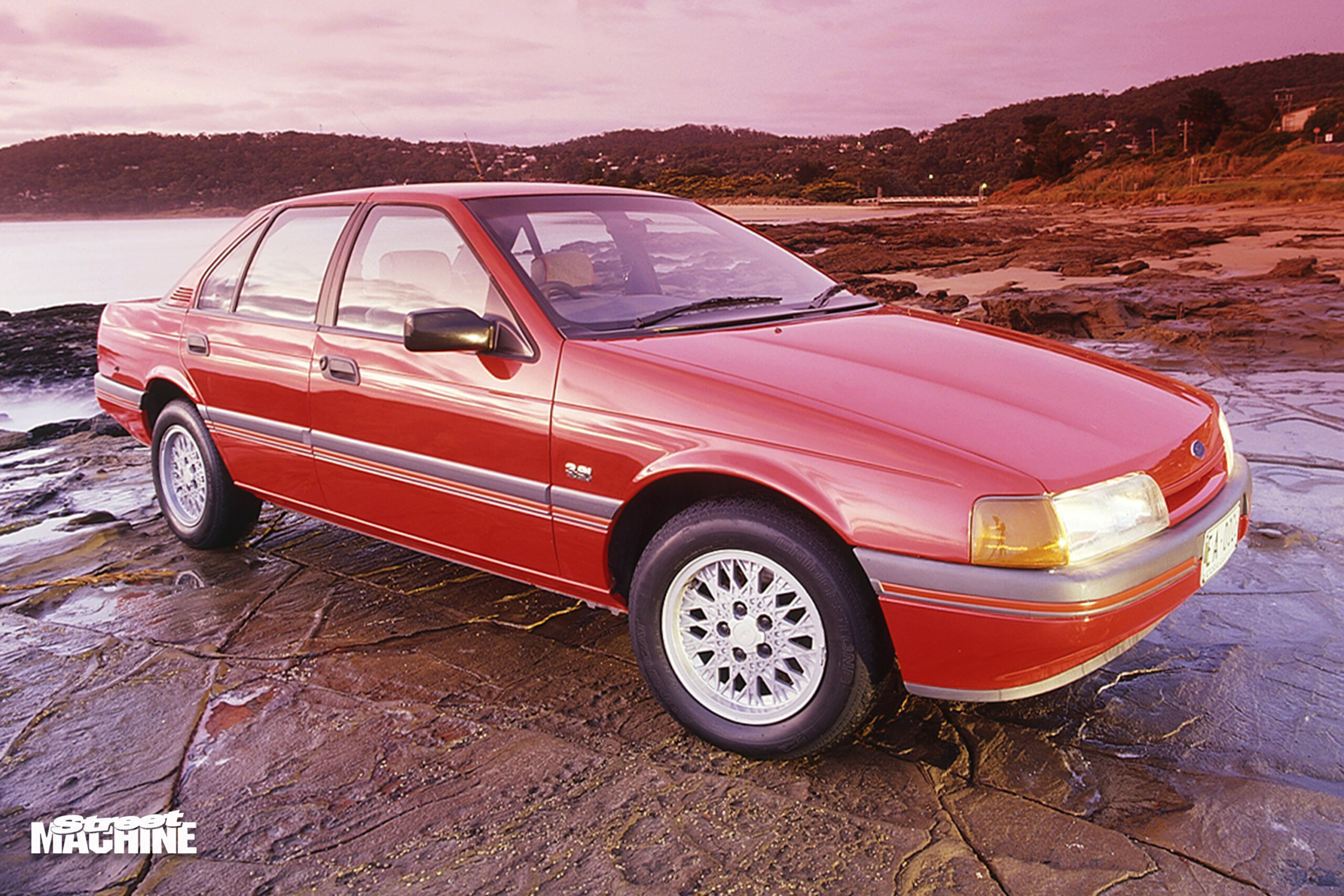
The base model was the GL. Above it was the S, Fairmont and Fairmont Ghia, with the Fairlane and LTD topping the tree. Of course, the further up the ladder you climbed, the more standard equipment you received – electric windows, rear seat headrests, better sound, better trim, air-con and semi-electronic instruments in the Ghia. The EA had retractable rear seatbelts, too.
The EA Falcon had a 60/40 split fold rear seat and a big boot, which makes it good for carrying surfboards or snowboards or gardening tools. One minor bummer was the spare under the boot floor; older Falcons had the spare mounted upright, making it easier to get at if you’re on a road trip and get a puncture. Luckily, that doesn’t happen very often!
All through the EA and EB series, Ford improved quality and safety, it all coming to a peak in the ED. Most of the improvements couldn’t be seen, such as better welds, a stiffer bodyshell with foam-filled pillars and much higher build quality. Better seatbelts and safety options such as ABS brakes made a difference, too.


ENGINE/MECHANICAL
The base Falcon GL carried a 90kW 3.2-litre six with a single-point injection system that, with the bonnet up, resembled an old-style carby sitting under a round air cleaner housing. A bigger, 3.9-litre (also with single-point injection) was next up the ladder; it had a more respectable 120kW. But the only one worth owning was the 139kW multi-point injected 3.9.
The manual was a T5 five-speed and the auto a three-speed that sucked the life out of the new OHC engine. The four-speed auto should have been released in the EA in 1988, but buyers had to wait for another 18 months until EAII for its debut. The unpopular 3.2 was deleted at the same time.

The diff swung from a Watt’s link and coil springs. All-new front suspension used a long spindle on upper and lower control arms, and rack and pinion steering. It should have been sensational, but wasn’t.
In mid-1991, with the EB update model, a V8 option was re-introduced. The ‘new’ engine was an EFI 5.0-litre Windsor imported from the US, where it was used in the Mustang. With 165kW, it was a nice, torquey engine that re-ignited the Holden vs Ford war in the showrooms and on the racetracks. Like the sixes by then, it had a four-speed auto or five-speed manual gearbox behind it and allowed Ford’s new Tickford performance division (these days known as Ford Performance Vehicles) to launch a new Falcon GT with a specially built high-output engine.
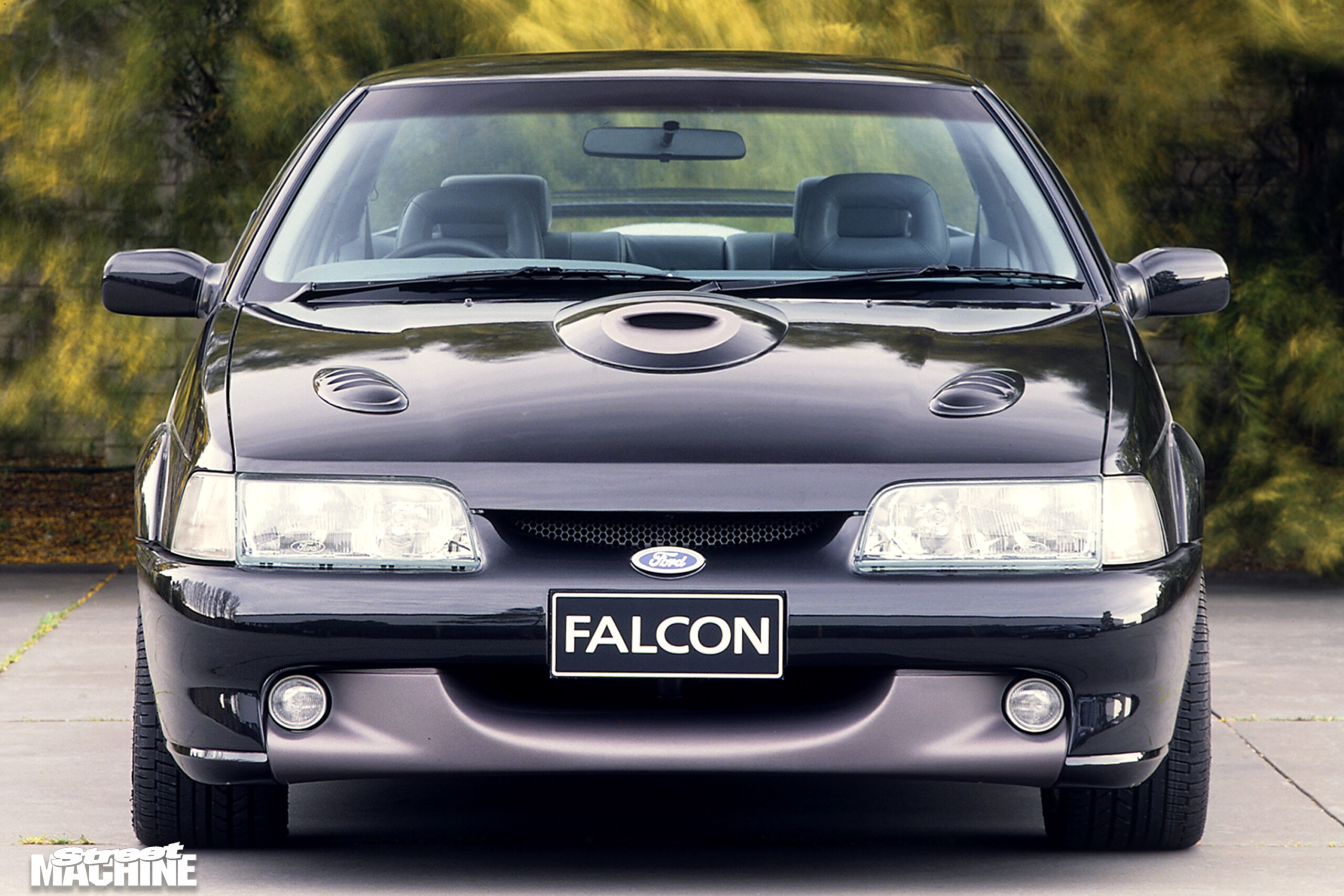
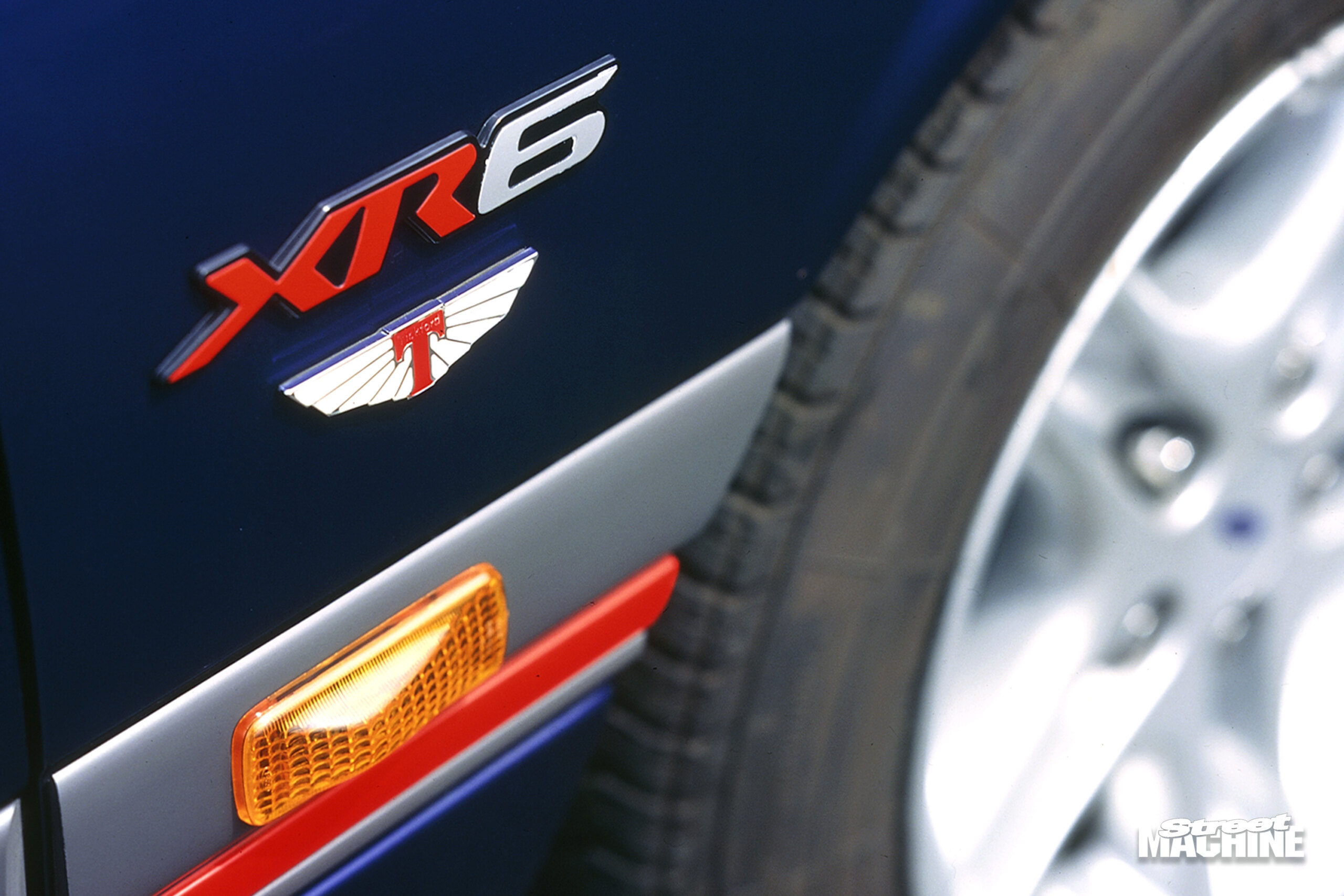
Later, with the EBII update in 1992, the XR6 and XR8 models were released. The XR8 was an S model fitted with the 165kW V8. The XR6 was more significant as it was a tweaked version of the better multi-point injected 4.0-litre engine that replaced the two 3.9s across the range. On top of the 4.0’s better engine internals, the XR6 had an enhanced head, cam and management system to deliver 161kW versus the new 4.0’s 149kW. It really made a difference, and the XR6 was quicker than even the XR8. Both XRs were developed and specified by Tickford with lower, stiffer suspension for better handling. Another big plus is the availability of ABS brakes in EBII.
THE BAD BITS
There’s an old saying: never buy the first of a new model. The EA Falcon is the best example of this in Australian history – Leyland P76 included. Early EAs were blighted by some hideous design and construction woes. In hindsight, launching an almost entirely new car and engine at the same time was biting off more than Ford’s engineers could chew, and the poor bastards almost choked.
The problems included almost non-existent dampers, out-of-whack front suspension, droopy steering columns, unreliable EFI and crook paint. Ripples in doors were a big problem – two vertical creases below the door handles, themselves a blotchy black plastic that discoloured quickly. Later models had better-stamped door skins and quality (some were body-colour) door handles.

There’s even a rumour that Ford fitted special tyres to the front left of the EA Falcon to prevent it from pulling to the left when new. Originally, the EA was designed with no adjustment in the front end and it took a while for shim-adjustable suspension to arrive to fix the pull.
The sixes are very abuse-tolerant, but valve gear can suffer – t-dink t-dink t-dink – if they’ve had dirty oil in the sump for 10,000km too long. The single-point injection (3.2 and 3.9) was unreliable due to problems with the electrical contacts in the throttle body and was dropped by EBII when the multi-point 4.0 became standard. The 5.0 can go almost forever but its weak point is the airflow meter (MAF) which can give trouble. The original is expensive, but cheaper, later model MAFs can be installed and programmed if you know where to ask.

A common problem with, perversely, low-mileage sixes is popped head gaskets. The long, in-line alloy head expands more than the iron block it’s clamped to and this gradually files away the head gasket. Low-mile cars usually start and stop more often, so the gasket gets damaged earlier. Like all alloy-head cars, regular anti-corrosive coolant changes prevent the head fizzing away from the inside out.

The EA’s old three-speed auto is a dog, even if it’s in a 3.9 multi-point Ghia. Four-speed autos will probably have been rebuilt by now. The Borg Warner T5 five-speed manual is very reliable but may have had a good flogging if it’s in an XR8. The rear axle will also probably have been pulled apart by now; if not, it’s around $500 to fix if it starts humming. Squeaks and rattles can often be cured with new suspension bushes.
Fords have very durable cloth interior trim, but steering wheels and door trims can look shabby and shiny after millions of rubs. Leather can crack and abrade if it isn’t ‘fed’ annually. Windscreen leaks and other niggling problems are rare, except on ex-taxis that have done a squillion kays. Keep in mind that uncaring owners have untidy cars, and it’s difficult to hide years of abuse.

POWER AND STYLE
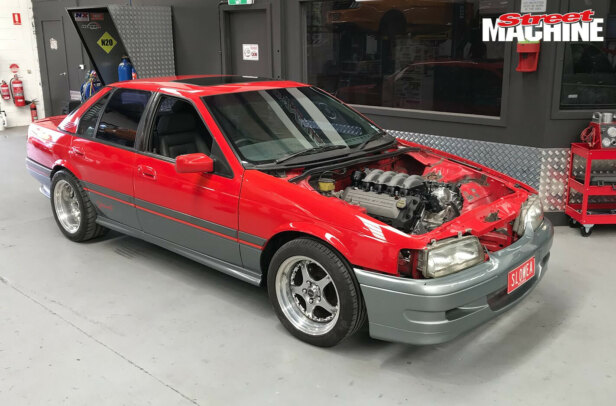
Getting raw grunt out of either the 4.0-litre six or 5.0-litre V8 isn’t too difficult, and either will give you plenty of performance. There are plenty of companies like Herrod Motorsport which specialise in Ford performance and can point you in the right direction when it comes to getting more out of these engines.
With naturally aspirated sixes blazing down the quarter mile in the 13s and turbo sixes running low 11s, there is no reason not to build a quick six using an EB or ED Falcon. As for the V8s, well, the little 5.0-litre Windsor is the same engine as the one in the good old Mustang, and an internet search will quickly tell you just how well the Yanks have those things running.

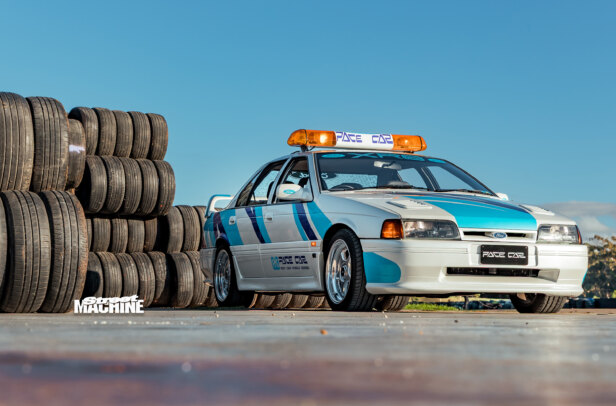
Because they have the traditional Ford stud pattern, slick-looking wheels are easy to come by for these models. Adding the XR-style four-headlight front can make an EB/ED Falcon look a treat on the street.
Given the cost of these underrated sleepers, we’re surprised that you don’t see a hell of a lot more of them out there in modified form. So step out from the crowd and be counted.

Comments