
First published in Street Machine’s Australia’s Slickest Commodores #3, 2002
Things were powering for Peter Brock and the HDT in the mid-’80s and demand for HDT special vehicles continued to grow at an unprecedented rate. The VK Bluey had proved an enormous success despite its relatively low level of interior appointment, but the next major vehicle to emerge from HDT’s workshops lacked precious little in the appointment department.

DIFFERENT DIRECTION
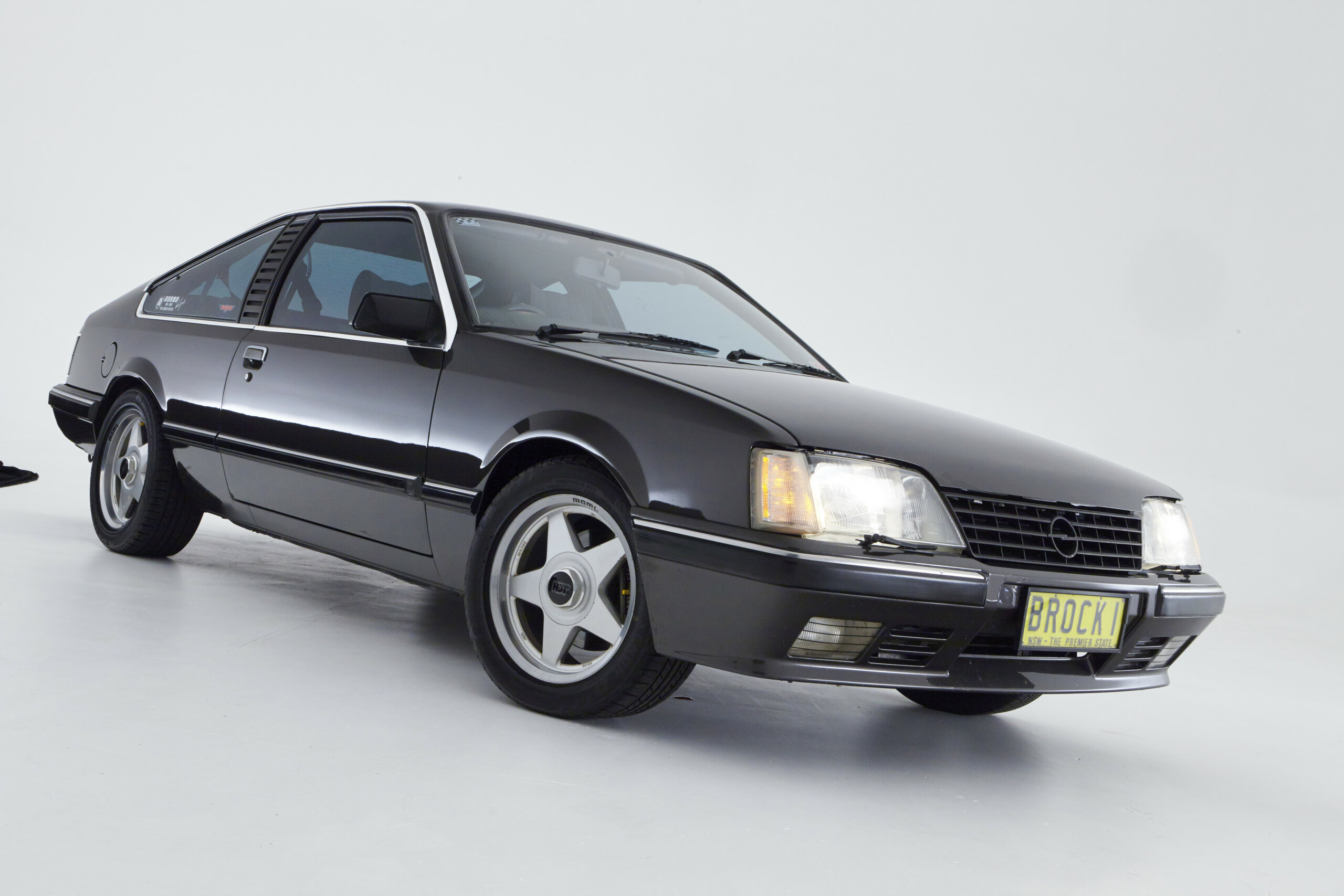
The VK Calais Director represented the top of the line and boasted not only enviable performance but all the luxo gear you could cram into a Commodore. These were all after the ’80s, dubbed the ‘Me’ decade, where money was no object and people who had the readies had no problem parting with them for top-shelf gear.

For the most part, the VK Calais Directors were special-order vehicles, based on the Calais platform and built to individual owners’ specifications, which meant levels of appointment varied greatly between vehicles, as did pricing, leaving the standard Holden Calais for dead. The fully-loaded Brock version could easily add as much as 40 percent to the list price of a Calais and even the Group A of the time.
For this sort of money, the lucky owner got a car that had all of the exterior mods, the Group Three V8 mated to a manual trans and a limited slip diff. An electric sunroof was standard, as was leather trim, alarm system (originally Piranha but later Cobras), 16-inch HDT wheels, 90-litre fuel tank, driving lights and an optional towbar. Even personalised number plates made it onto the bloated list.
Specification changed with each successive Calais Director, with the transmission changing to the Borg-Warner T5 manual in the next version with a change to Group A spec engine. Over the course of its 18-month production run, the HDT VK Calais Director redefined luxury in an Australian-built car and at the same time set new records for how much Aussies would pay for their local performance cars. To get this level of performance and luxury was obviously well worth shelling out for, and after all – at up to a staggering 50 large – HDT cars were still a damn sight cheaper than the likes of the pink Lambo Dr Eckleson bought for his good lady in that decade of decadence.
SIGNS OF STRAIN
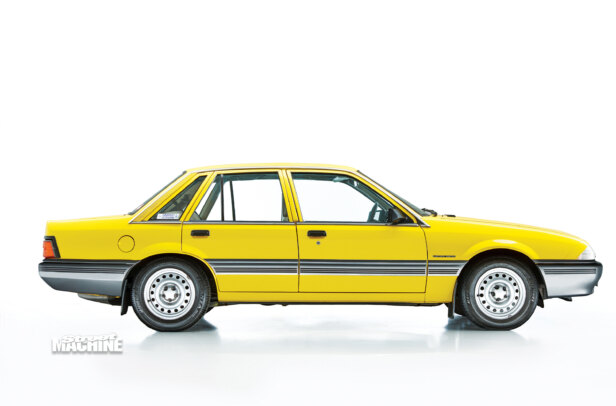
Even as HDT was producing the last of its VK Directors, the all-new VL model was released to a largely positive reaction, although the fact this car was powered by a Japanese six-cylinder didn’t thrill everyone. The Brock offering for this model was the VL Calais LE (Limited Edition) which was a fairly radical departure from past models in looks as well as power plant.
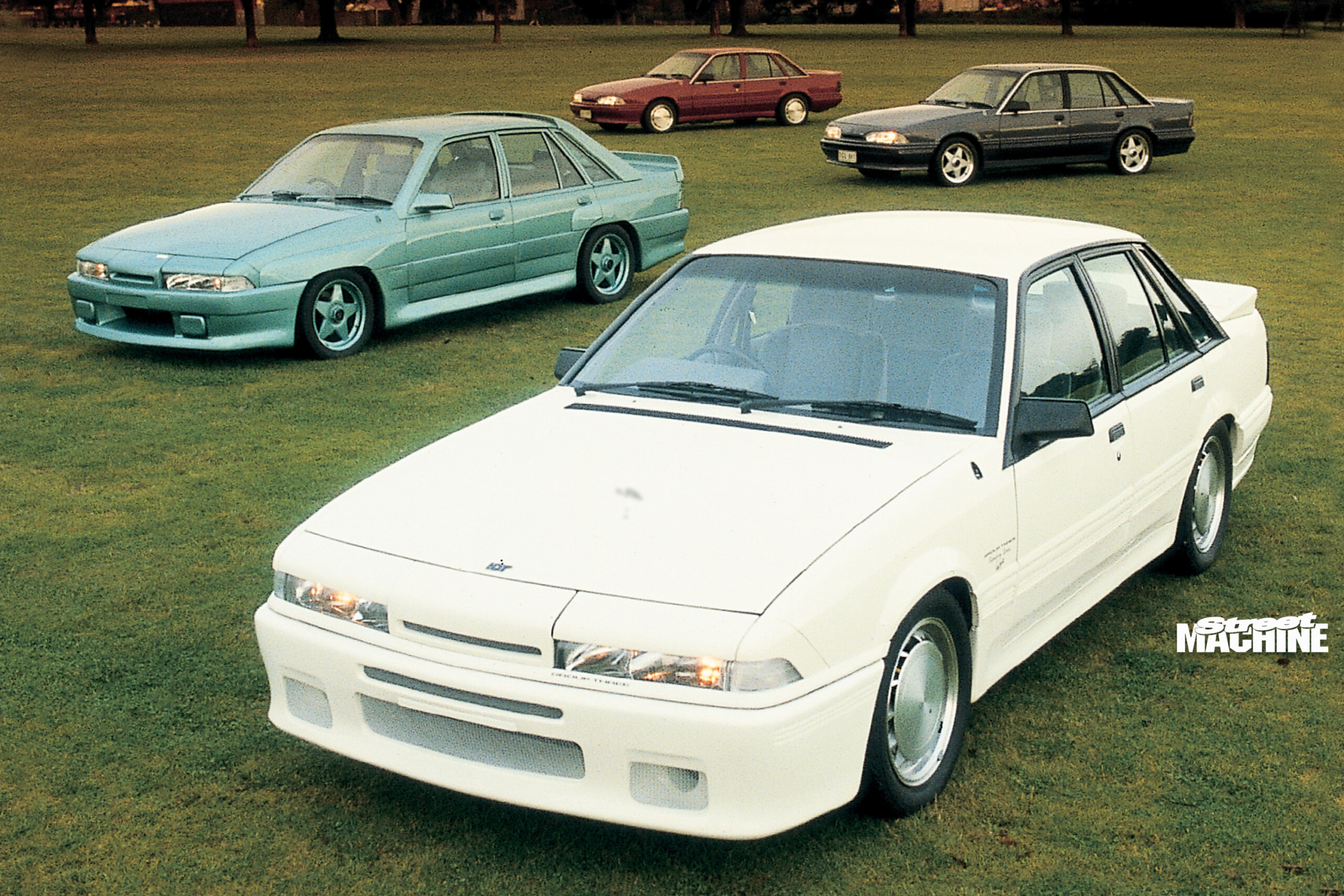
The LE was sleeker in appearance than anything that had come before and this seemed to appeal to those who, as had been the case with some past models, didn’t want to attract undue attention.
While the VL LE did very well, the performance public was more interested in what was to come when the turbo version of the Nissan engine and a V8 variant (albeit unleaded), hit the streets. The VL SS Group A drew on the LE’s sleek styling, but gave it muscles. But despite being chunkier than its forerunner, it was by no means over-the-top and instantly struck a chord with HDT’s loyal fans everywhere.

The V8 models (one built by Holden and the other by HDT), used heavy-duty crankshafts and rods, with Crane rockers and modified cam profiles. The result was a very quick car, that looked sensational and also sported high levels of interior comfort and appointment.
With its almost over-done bonnet intake and large rear wing, the big red (the only available colour), was a hit, but there were aspects of the car that didn’t capture everyone’s imagination, in particular, the addition of a small device on the Brock-built Group A Plus models called an Energy Polarizer.
POLARIZING OPINION
Although this wasn’t the first time the Polarizer had made an appearance on an HDT car, it came to prominence on the VL SS Group A and, as a result, the Peter Brock-Holden relationship suddenly became very strained.

The now-famous Polarizer, was a small metal box fixed to the car with a single screw. Through an energy field generated by the device, it was meant to improve the car’s performance across the board including better ride and reduced cabin noise. Despite the claims though, GM-H was less than thrilled by the Polarizer and refused to let it be fitted to the Group A cars it was building. The company issued press releases stating it could see no benefit in fitting the units to its cars, but Brock on the other hand, would not allow his signature decals to be used on the Group A Plus Packs unless the Energy Polarizers were fitted.

This simple little device as it turned out, was the beginning of the end and, from this point on, the otherwise healthy relationship between HDT and Holden would never quite be the same.
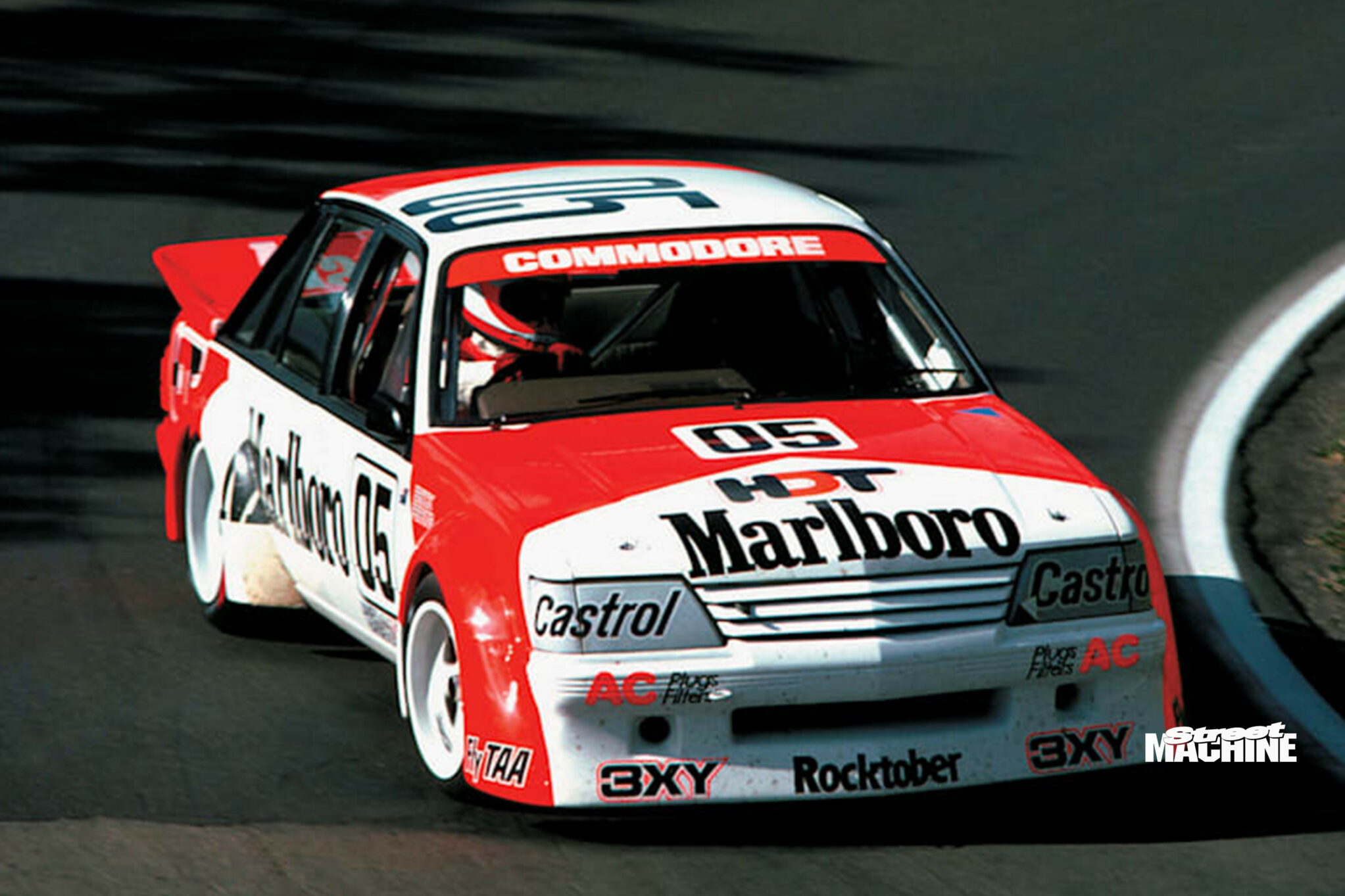
Nevertheless, the VL Group A proved to be a huge success and when it eventually made its appearance in the Australian Touring Car Championship during the 1987 season, it made its presence felt, ultimately netting Brock his ninth Bathurst victory, albeit only after the two Ford Sierras that had finished first and second, were later disqualified for scrutineering breaches.

A FORK IN THE ROAD
Despite the Bathurst win, things remained strained between Brock and Holden, and in 1987 – when he pulled the dust covers off the latest HDT creation – things got even worse. Called simply the HDT Director, this was the first car to delete the Holden name completely from its designation. Indeed, the HDT Director was built with Holden’s knowledge of the product, but without the company’s input, raising some concerns within Holden as to the company’s responsibilities where warranty was concerned.
Things became worse still as Holden withdrew its support for the HDT operation, meaning HDT was forced back into the situation whereby it had to buy vehicles from the factory as standard units and then go to the expense of pulling them down and rebuilding them to HDT spec. This obviously meant an unwanted price hike both to HDT and, ultimately, the customer.
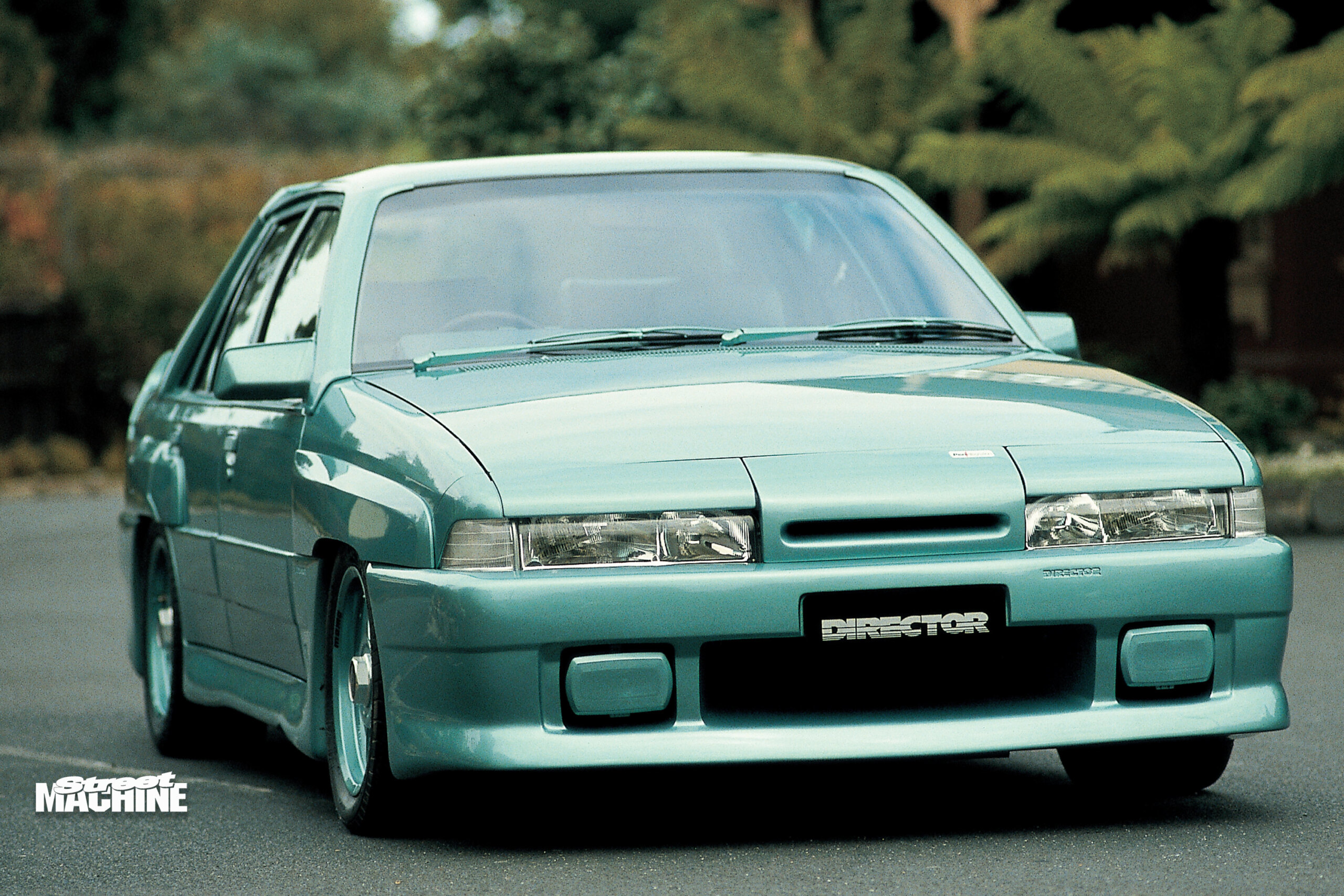
The HDT Director still managed to turn heads and was well accepted by the faithful. The metallic green car relied heavily on a full bodykit in the looks department that appealed to some but left others a little puzzled as to where the sleek VL shape had gone. The car was billed as the Australian answer to the luxury Euro cars like the Bimmers and the Mercs getting around at the time, but at a fraction of their cost, and certainly the Director had all the gear, including a European rear end (courtesy of Opel) and big Corvette brakes to handle the combination of either an auto or five-speed manual mated to the customary five-litre V8.
Without Holden’s support, the going was tough for HDT and although the general public were not terribly interested in the political infighting between the two, the reality was Holden was looking for a suitable new partner to start its own special vehicles operation and the once-fruitful partnership was effectively over.
NEW DIRECTIONS
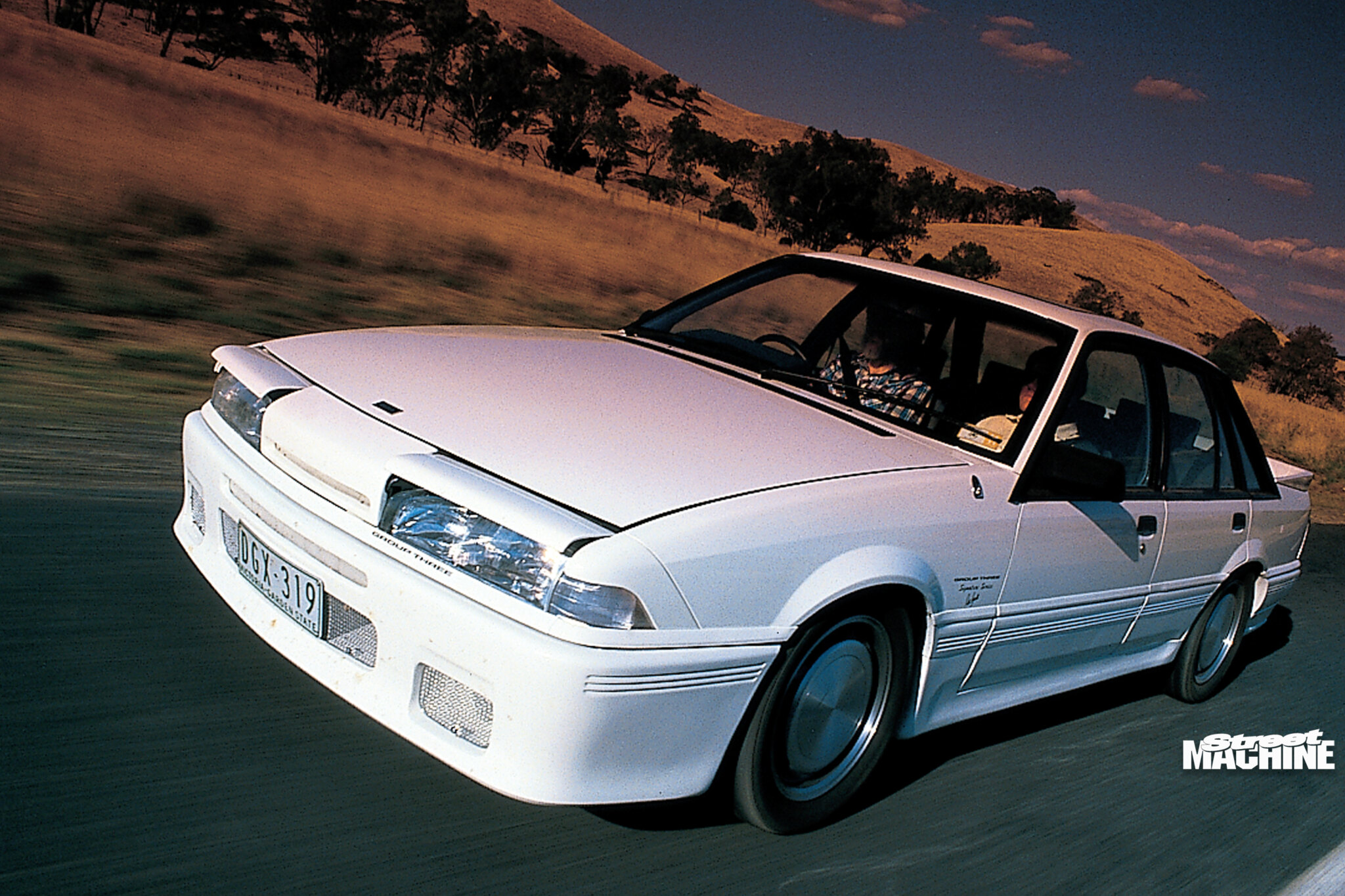
The next cars to emerge from HDT were still Holden-based products, but without the company support, HDT had to take a different approach to remain viable. The HDT Group Three Signature car in 1987 was a none-too-subtle dig at Holden’s own car of the time (VL Group A), which Brock had refused to put his name or signature to.

The HDT Group Three Signature was available only in white and followed the time-honoured theme of five-litre V8, T5 Corvette five-speed transmission and used Holden’s rear axle. Visually, the Signature was far more subtle than the Director before it, but still had a distinctly HDT look about it. Only a small number of these cars were ever built, which, combined with the goings on of the time, make them one of the rarest HDT models ever built.
After this, HDT took a slightly different approach to modifying vehicles, offering enhancement packages that could be added to any existing Commodore, thus allowing an entry level to HDT not previously available. The new vehicles available were called the Sport by HDT and the Designer Series which offered a mild bodykit of side skirts, grille and rear deck spoiler, with HDT Aero wheels and a few interior upgrades including a badged HDT Momo wheel.

The Sport pack included new wheels and upgraded suspension as well as cold air induction for the turbo models and the now-famous HDT big bore exhaust. Despite the fact these new entry-level models were not as extensive in their specification as the HDT cars offered in the past, they did allow a large numbers of punters to get the HDT treatment and keep the wheels turning at HDT while other projects were examined and the fate of the company decided.
Holden’s new joint venture with Tom Walkinshaw Racing was well and truly underway and the first offering, the Group A (which would come to be known as the Walkinshaw, among other names) had been unveiled to mixed reviews, most discussion centring on the vehicle’s styling and exaggerated bodykit.
IN THE END
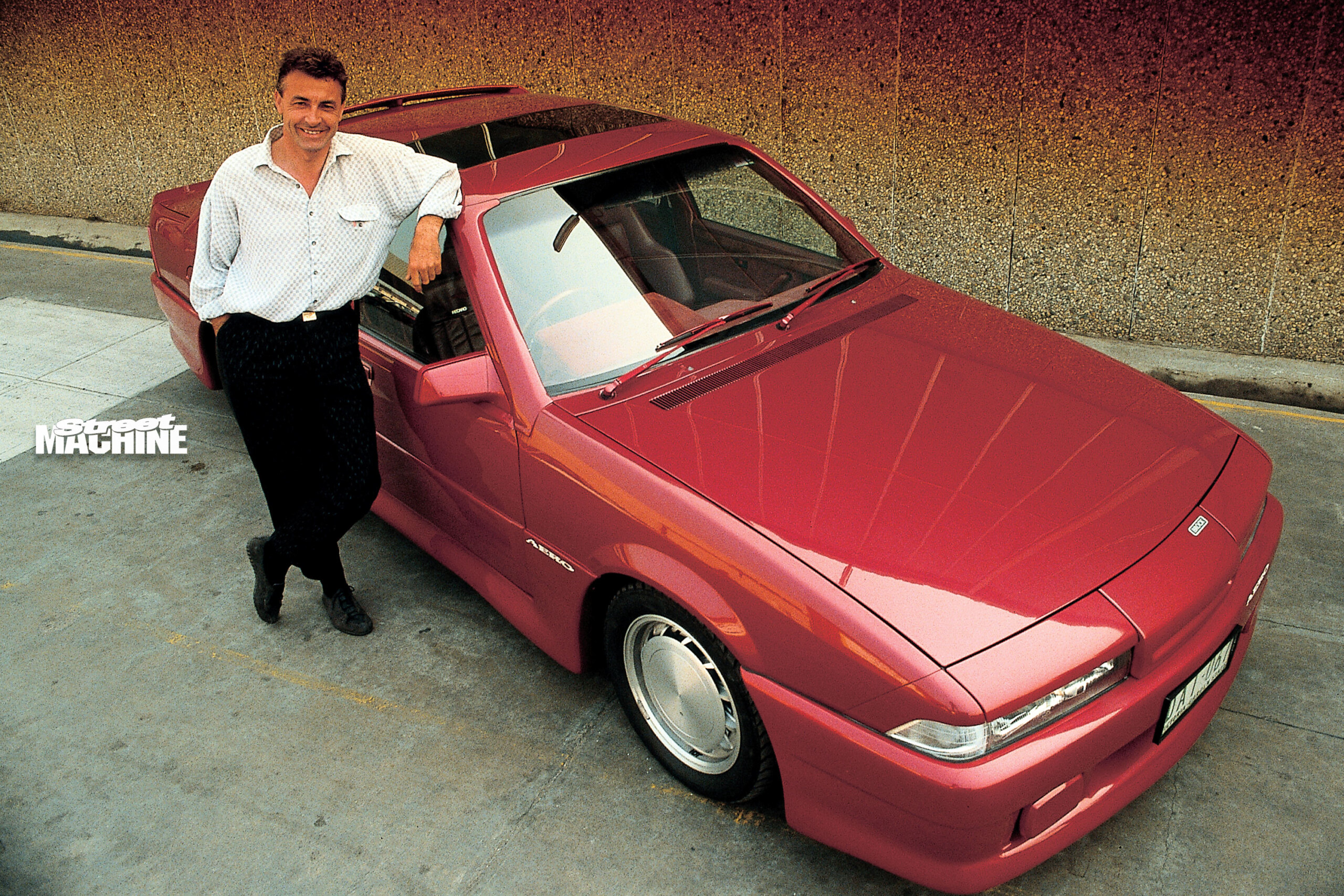
HDT’s counter to HSV’s first offerings was to produce a car badged The Bathurst (commemorating Brock’s 1987 win), followed by what was called the Bathurst Aero. In terms of looks, the Bathurst combined elements from a number of recent HDT creations to arrive at a different look that also served to keep production costs to a minimum. Available with the option of a 5.6-litre V8 engine, this helped to generate interest given that HSV’s cars were limited to 5.0-litre.

Shortly after the Bathurst was unveiled, the Bathurst Aero hit the streets, featuring a different bodykit (also the result of combining existing elements of recent HDT kits), revised suspension, cold air induction and a big bore exhaust.
Although these cars were good performers and could be optioned up as with past HDT vehicles, the absence of the extensive dealer network, along with greatly increased production costs made it increasingly hard for HDT to remain competitive in the face of Holden Special Vehicles, with its direct factory support.
Much to the horror of many, Brock then announced he would not be driving for Holden anymore, instead accepting an offer to drive with BMW. To further upset many, rumours started leaking out that Brock was involved in talks with none other than the dreaded Ford camp to possibly drive a Sierra in the ATCC and even look at developing a Ford-based special vehicle operations!
So it was all over. The successful joint venture that had started in ’78 and literally created an Australian institution, would never be quite the same again. The release of the VN model was the first Commodore since ’78 that would not see a Brock version – although the HDT operation would be bought by the Colorafi family and then Sydney brothers Len and Syd Pennisi, who still continue the company’s proud tradition.

Brock’s association with Holden though, at least for a time, was at an end. Years later he made a return, driving first his own Mobil-backed Commodores and then driving again for the Holden Racing Team. Obviously Brock’s association with Holden is nowadays once again thriving, but he no longer builds those very special vehicles that sparked an Australian tradition and formed what has become a crucial part of Australian motoring lore.
Good examples of the original Brock cars still turn up at shows and even occasionally for sale both privately and through dealerships. There are plenty of fakes getting around, and collectors should be very careful they have the real thing before parting with their hard earned.

Although modern production methods and technical advancements have seen vehicle performance reach a level unheard of in production cars through the late ’70s and ’80s, the appeal of these original performance specials remains undiminished today, and those who know their cars, recognise the significance of HDT and the cars that Brock built.
SPECS:
HDT HOLDEN COMMODORE VL SS GROUP A
| VEHICLE | One model only, Four-door sedan, available red, white, black |
| PRODUCED | (1986) 500 units, original price $29,500 (approx) |
| ENGINE | |
| Type | 4.99-litre V8 |
| Bore & Stroke | 101.6mm x 76.8mm |
| Power | 137kW @ 4500rpm |
| Torque | 354Nm @ 3200rpm |
| TRANSMISSION | Five-speed manual (only) |
| CLUTCH | Single dry plate |
| PERFORMANCE | |
| Top Speed | 220km/h |
| 0-100km/h | 7.5 seconds |
| 0-400m | 15.5 seconds |
| SUSPENSION | |
| Front | Fully independent, MacPherson strut, coil springs, anti-roll bar |
| Rear | Live axle located by trailing arms, panhard rod. Col springs, anti-roll bar |
| BRAKES | Split circuit hydraulic system with power booster |
| Front | 289mm ventilated discs |
| Rear | 230mm discs |
| WHEELS | 16×7 Momo five-spoke wheels |
HDT VL GROUP THREE SIGNATURE 5.0-LITRE
| VEHICLE | One model only, Four-door sedan – produced without Holden’s input or back up |
| PRODUCED | (1987) total numbers not known, original price $45,000 (approx) |
| ENGINE | |
| Type | 4.99-litre V8 |
| Bore & Stroke | 101.6mm x 76.8mm |
| Power | 187kW @ 4700rpm |
| Torque | 415Nm @ 3600rpm |
| TRANSMISSION | Five-speed manual (only) |
| CLUTCH | Single dry plate |
| PERFORMANCE | |
| Top Speed | 220km/h |
| 0-100km/h | 7.5 seconds |
| 0-400m | 15.2 seconds |
| SUSPENSION | |
| Front | Fully independent, MacPherson strut, coil springs, anti-roll bar |
| Rear | Live axle located by trailing arms, panhard rod. Col springs, anti-roll bar |
| BRAKES | Split circuit hydraulic system with power booster |
| Front | 289mm ventilated discs |
| Rear | 230mm discs |
| WHEELS | 16×7 Momo HDT alloy mags available in white |
Comments