
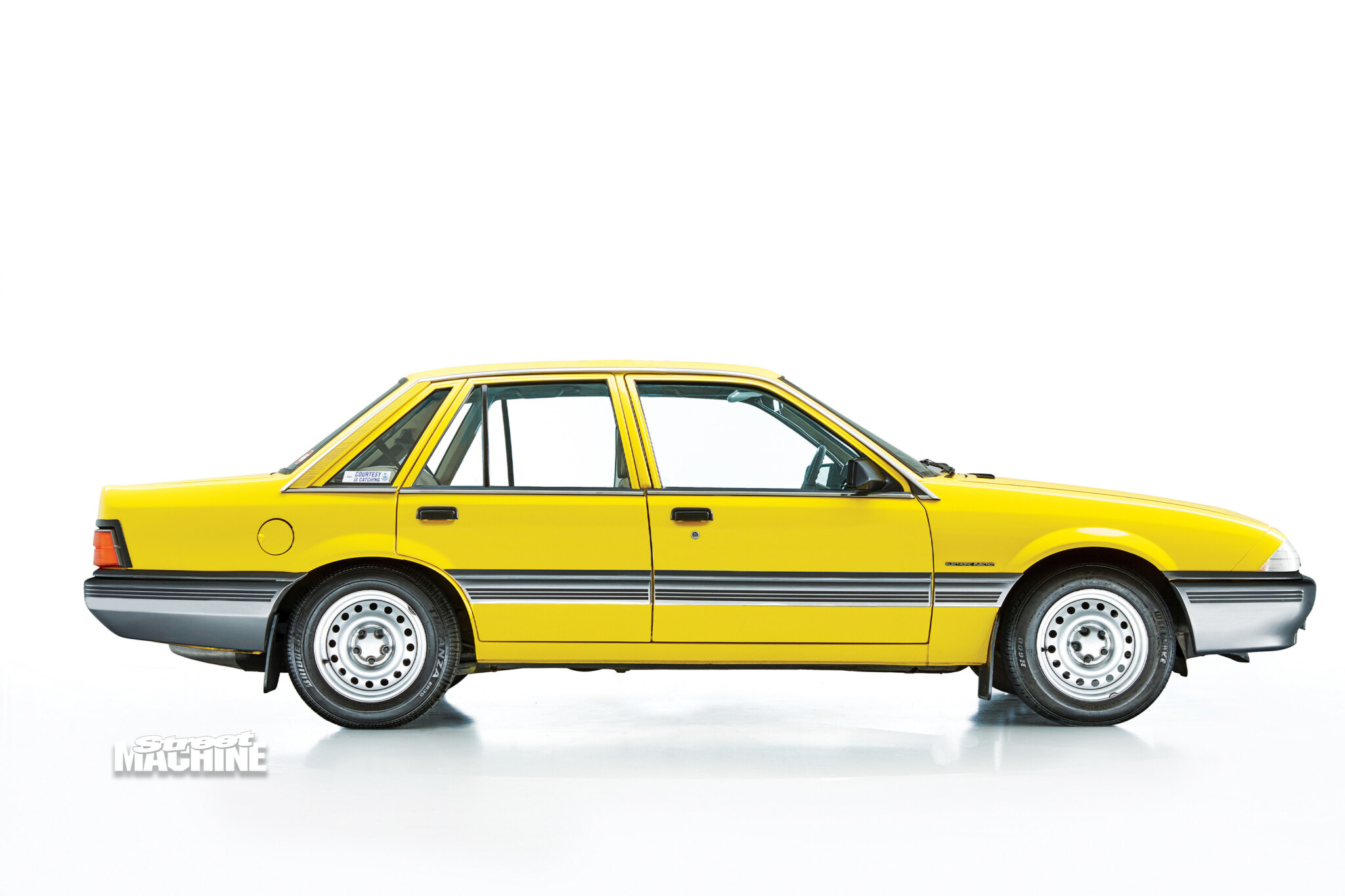
Many Street Machine readers may be shocked to learn that the iconic VL Commodore is 40 years old in 2026. With plastic bumpers and EFI standard on all the six-pot models, it represents a ‘late-model’ car for a good slice of Aussies, despite debuting in the same year John Farnham dropped Whispering Jack on us and we saw Maverick go inverted in Top Gun.
First published in the September 2026 issue of Street Machine
Sold between February ’86 and August ’88, the VL was actually a stop-gap model for Holden, built off heavily revised first-gen Commodore underpinnings dating all the way back to the VB in 1978.
And it was crucial that it succeeded. Things hadn’t been rosy at GM-H for much of the 80s, as the cost of re-engineering an Opel into a car to suit Aussie roads blew out badly, only for Ford’s wide-shouldered XD Falcon to poach most of the fleet sales Australian car brands relied on. By 1983, the Falcon had overtaken Holden in the sales race, and GM was panicking.
Over the first half of the decade, Holden subtly refined the angular VB’s styling across the VC and VH models, but the mid-size Commodore struggled in the market, as Ford was far from its only competitor. Japanese cars like the roomy, efficient Mitsubishi Sigma, Toyota Corona and Nissan (Datsun) Bluebird were eating up private sales.
Things began to improve with the VK restyle. Its fifth-window turret from the larger Opel Senator gave an illusion of more cabin space, while new plastic bumpers, digital instruments and an optional fuel-injected 202 saw a noticeable bump in private sales.
GM-H was eyeing an all-new, much larger second-gen Commodore to debut in the late 80s, but the VK couldn’t stretch out that far, so one last mid-sized update would be needed: the VL.
There were, however, some hurdles to overcome. Holden had originally intended to drop the venerable 4.9-litre (304ci) V8 before the mandatory introduction of unleaded fuel on 1 January 1986. However, due to public outrage and the ‘V8s ’til ’98’ campaign spearheaded by Street Machine editor Phil Scott, Holden ended up having to hastily rework the bent-eight to run on ULP.
Unfortunately, despite a retuned Rochester four-barrel carby and larger valves in the heads, the revamped, 126kW (164hp) 304 was no powerhouse. It went on sale months after the VL debuted in early 1986, but its problems were a drop in the ocean compared to the galactic-level strife the volume-selling six-cylinders were in by the mid-80s.
The introduction of unleaded meant Holden’s storied, but rough, old 202 also had to be consigned to history. With the upcoming 3.8-litre V6 still years away, GM-H’s solution was to cold-canvass other manufacturers in the hopes of sourcing a suitable six-pot for the VL.
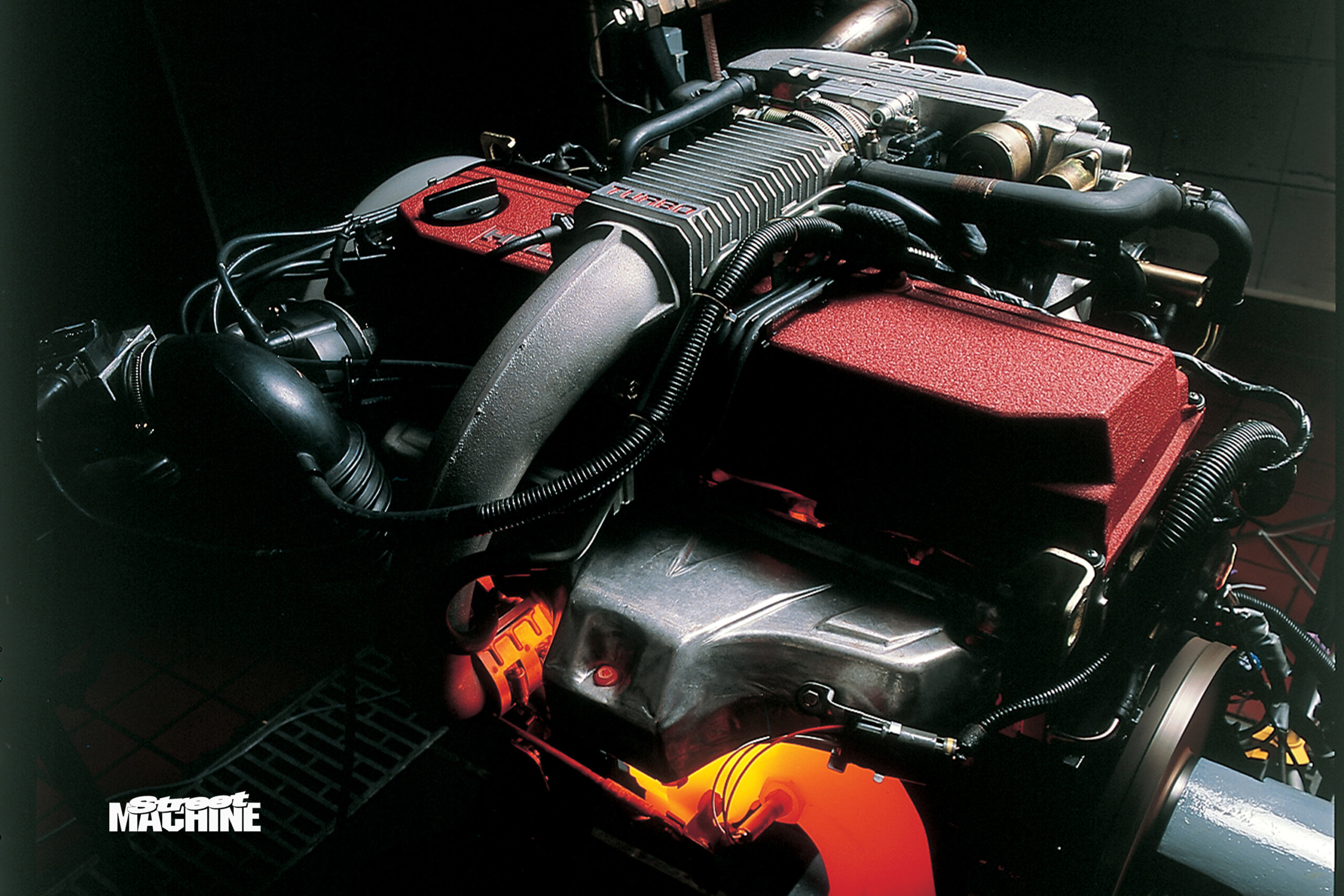
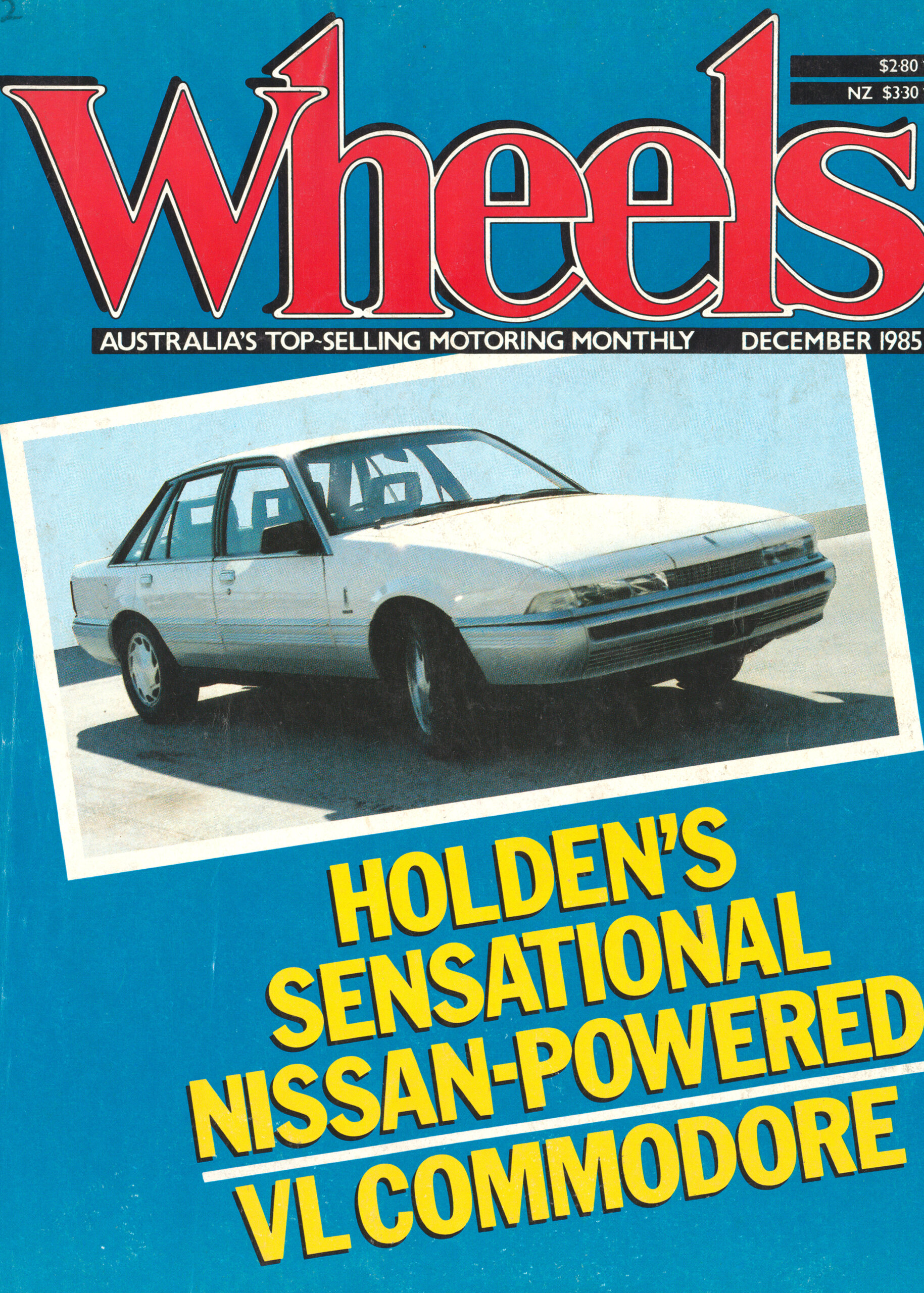
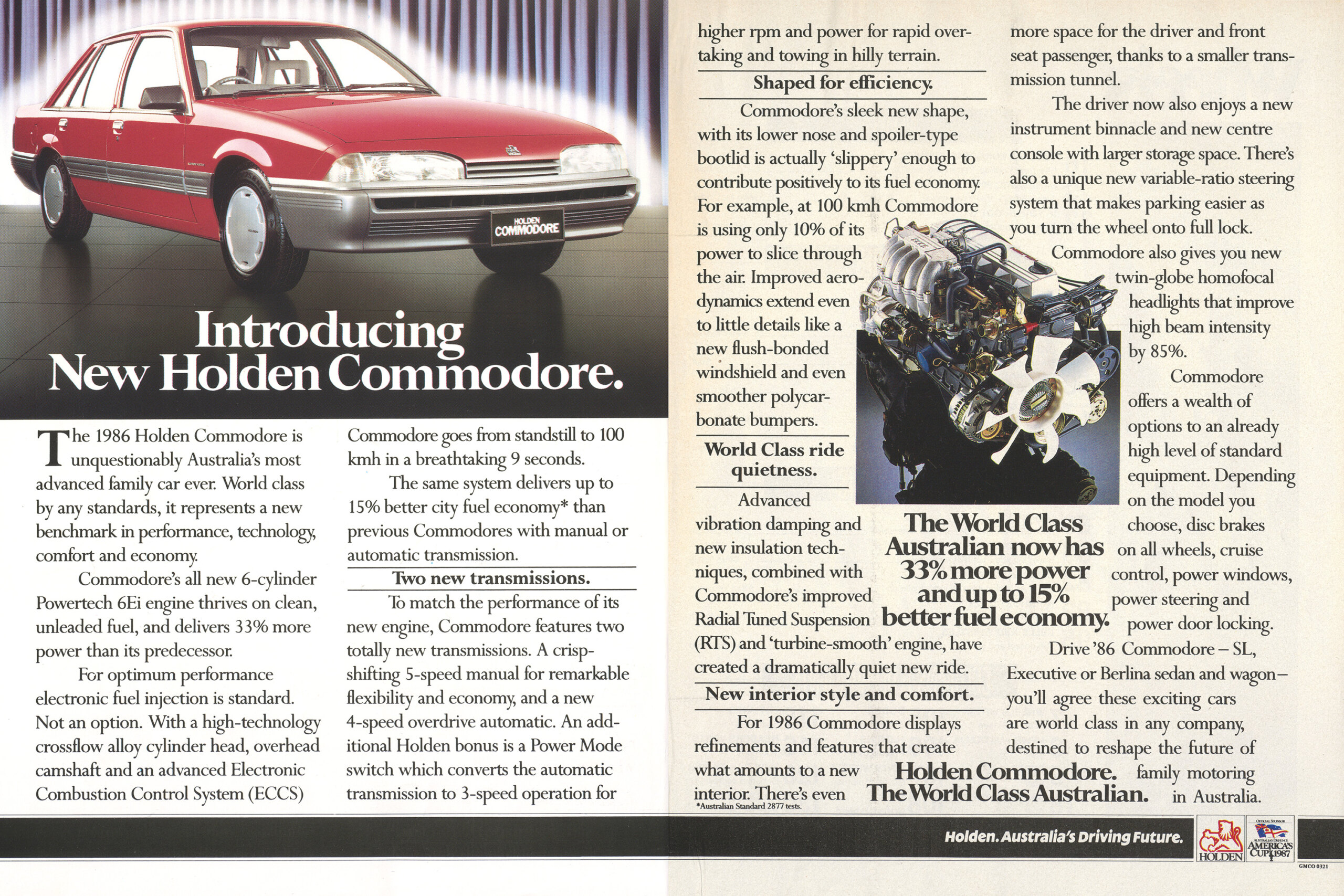
Holden eventually struck a deal with Nissan to provide RB30E sixes, which GM-H labelled the Powertech 6Ei. The sweet, smooth, 114kW (153hp) overhead-cam 3.0-litre six was a revelation compared to the 202, but better was to come, with Holden inking a deal for exclusive production rights to a high-performance turbocharged variant: the 150kW (201hp) Powertech 6EiT, aka Nissan’s RB30ET.
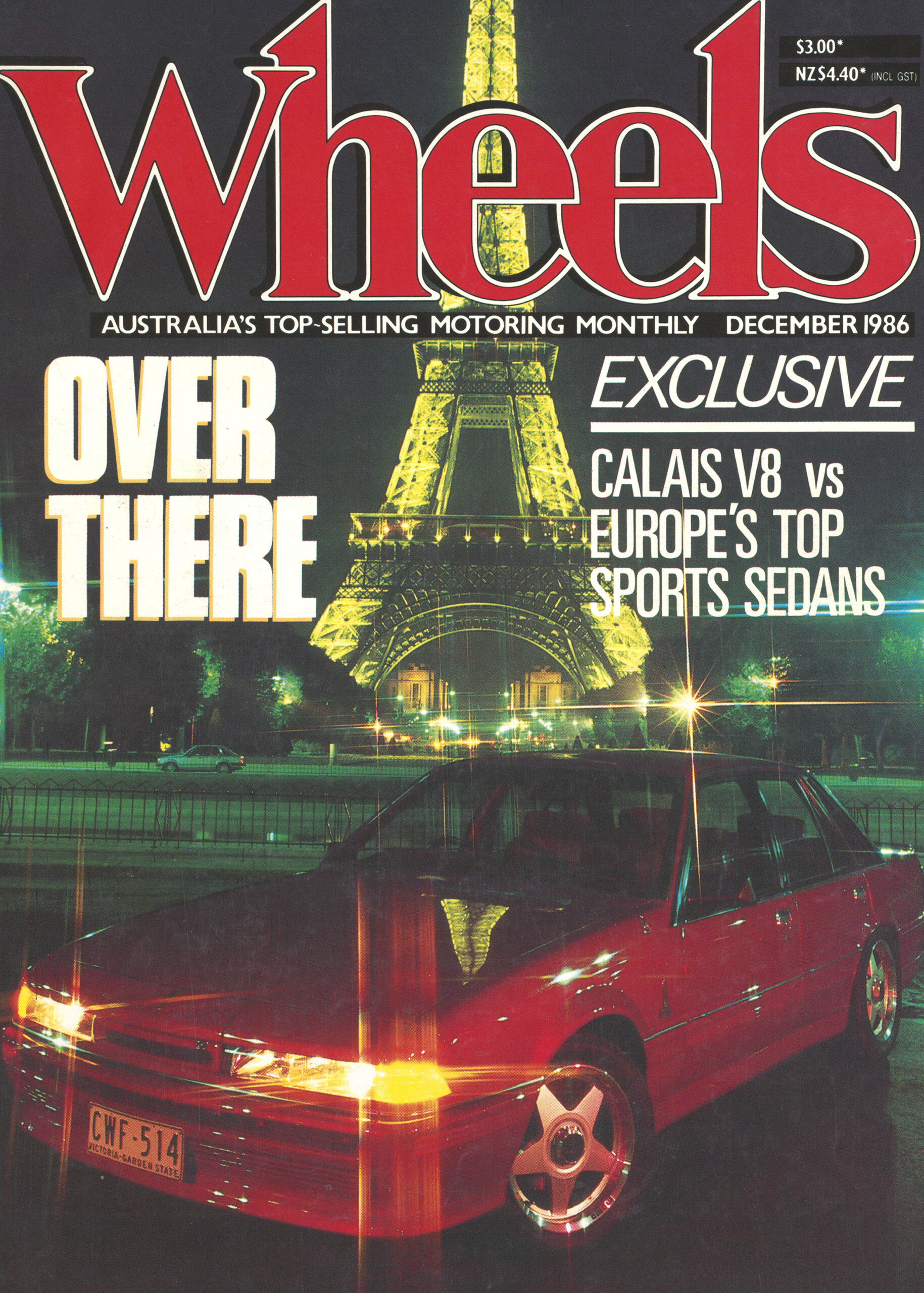
Wheels editor Peter Robinson broke the story of a Nissan engine replacing the Aussie GM six in a Japanese car mag, prompting howls of protest from unions, customers and the legal departments at both Holden and Nissan.
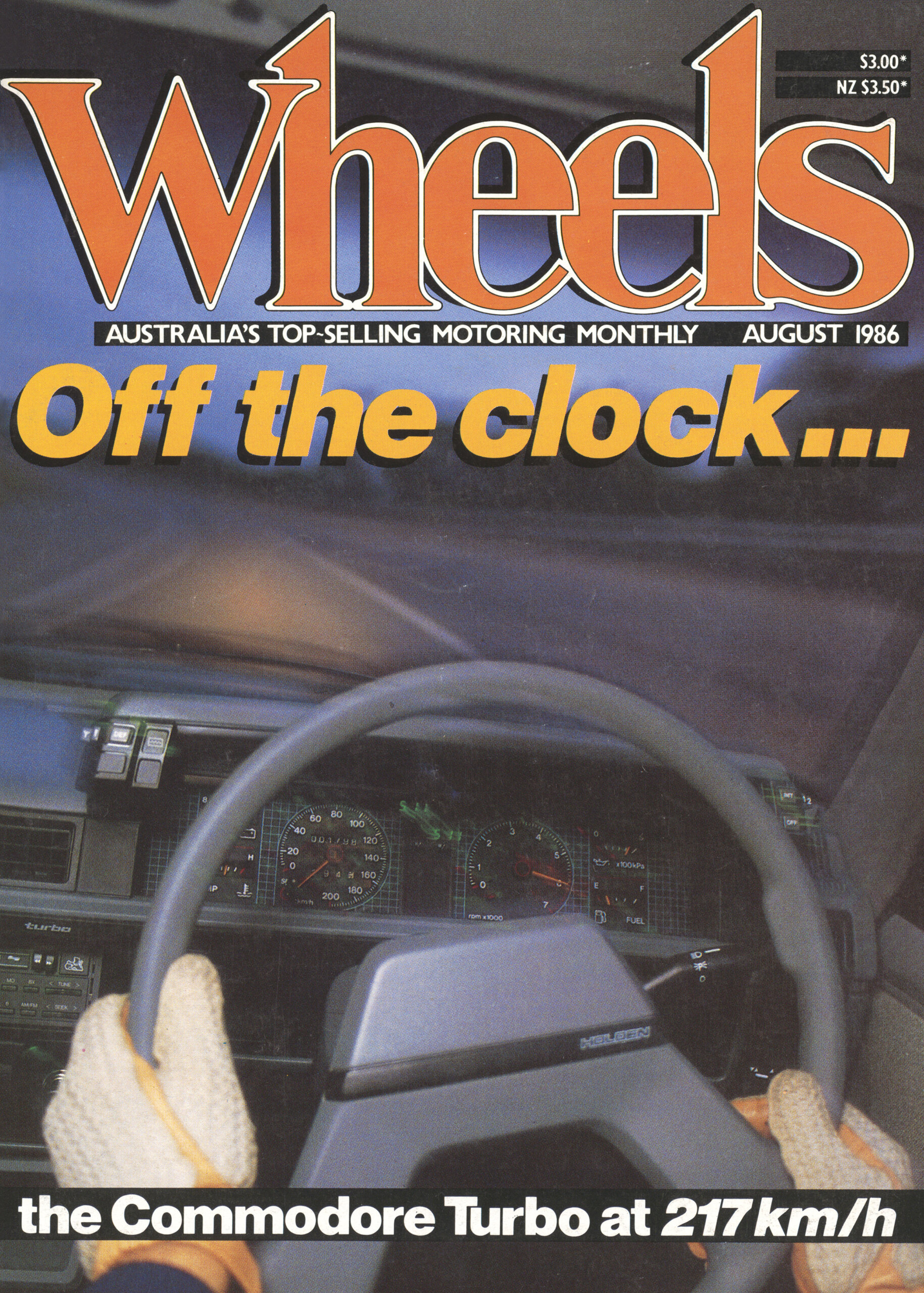
However, despite many taking the news of a Japanese-powered Holden as well as a cat in a bath, the complaints largely stopped once people got to drive the new VL Commodore. While the regular 114kW VL was no slouch, the 150kW VL Turbo was a revelation thanks to a power-to-weight ratio of 120kW per tonne, which smoked the XF Falcon’s 66kW per tonne.
The VL was also a looker. Every panel ahead of the A-pillar was new, with a rakish nosecone featuring lower, wider-spread headlights compared to the large rectangular units of the VB-VK models. All VLs featured a slim grille and a wide, thin aperture above the number plate to accentuate width (although Ford’s Falcon was 138mm wider), while the Calais got a properly svelte nose equipped with pop-up headlight covers that gave a dramatic slimline profile when closed.
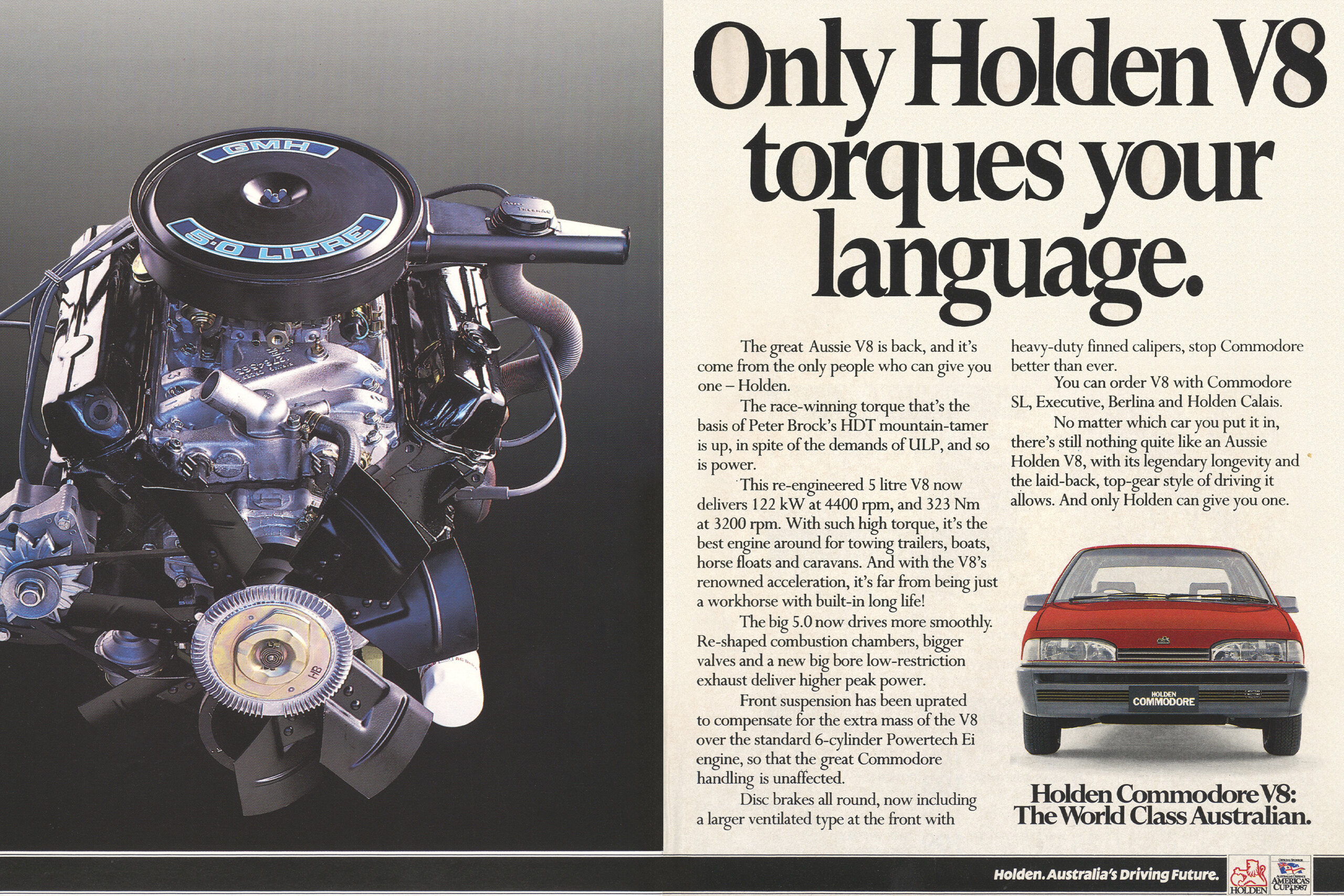
The VL’s rear also featured critical styling updates to accentuate width and embrace the brightly lit 80s. Designer Phil Zmood included a small kick-up to the trailing edge of the bootlid, and new, cleaner and simpler-looking tail-lights.
Inside, the Commodore received its first big cabin update since it was launched, with round dials replacing the VK’s square gauges.
Transmission options were also radically improved, with a four-speed auto or five-speed manual behind the six, while the V8 was limited to the venerable Trimatic.
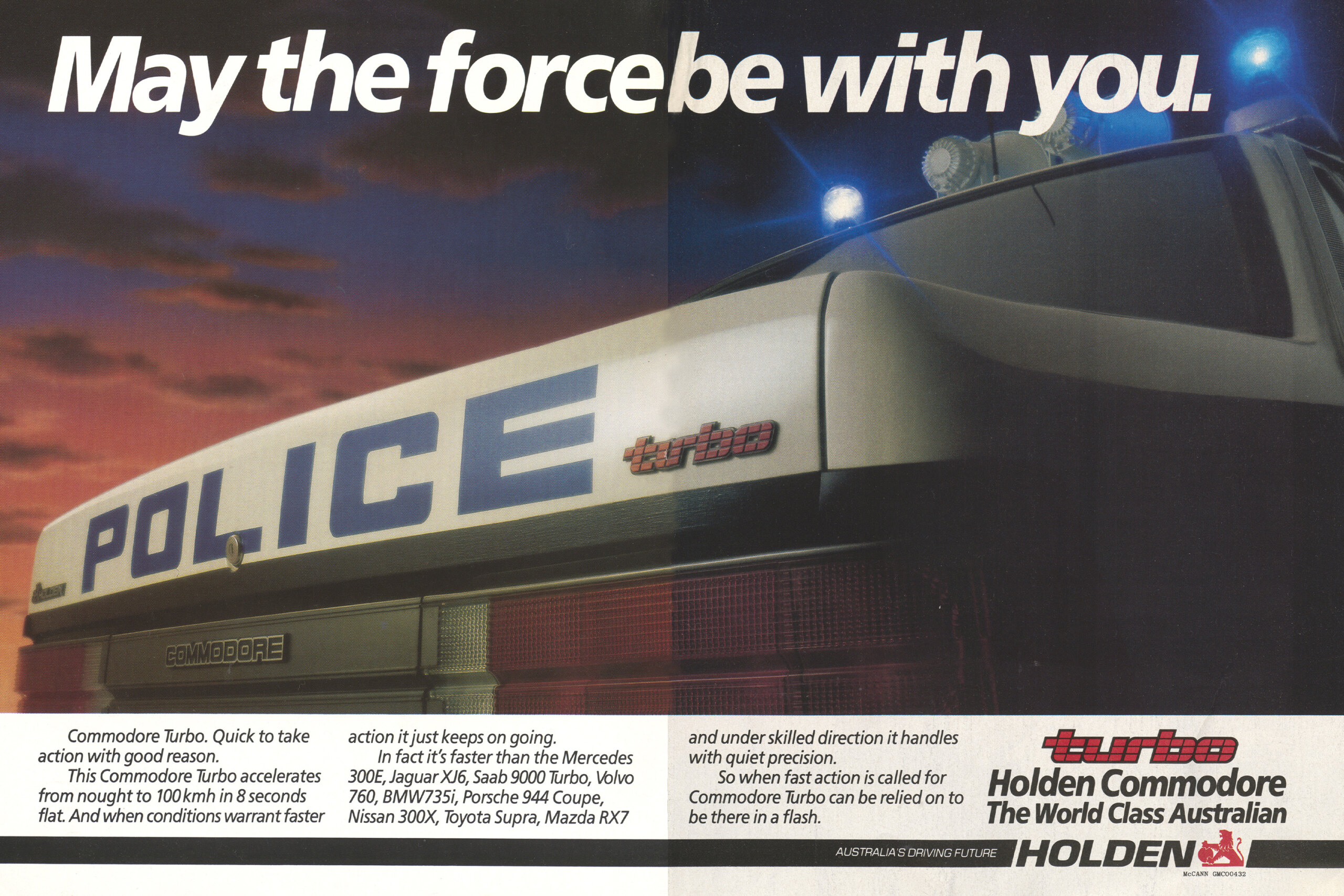
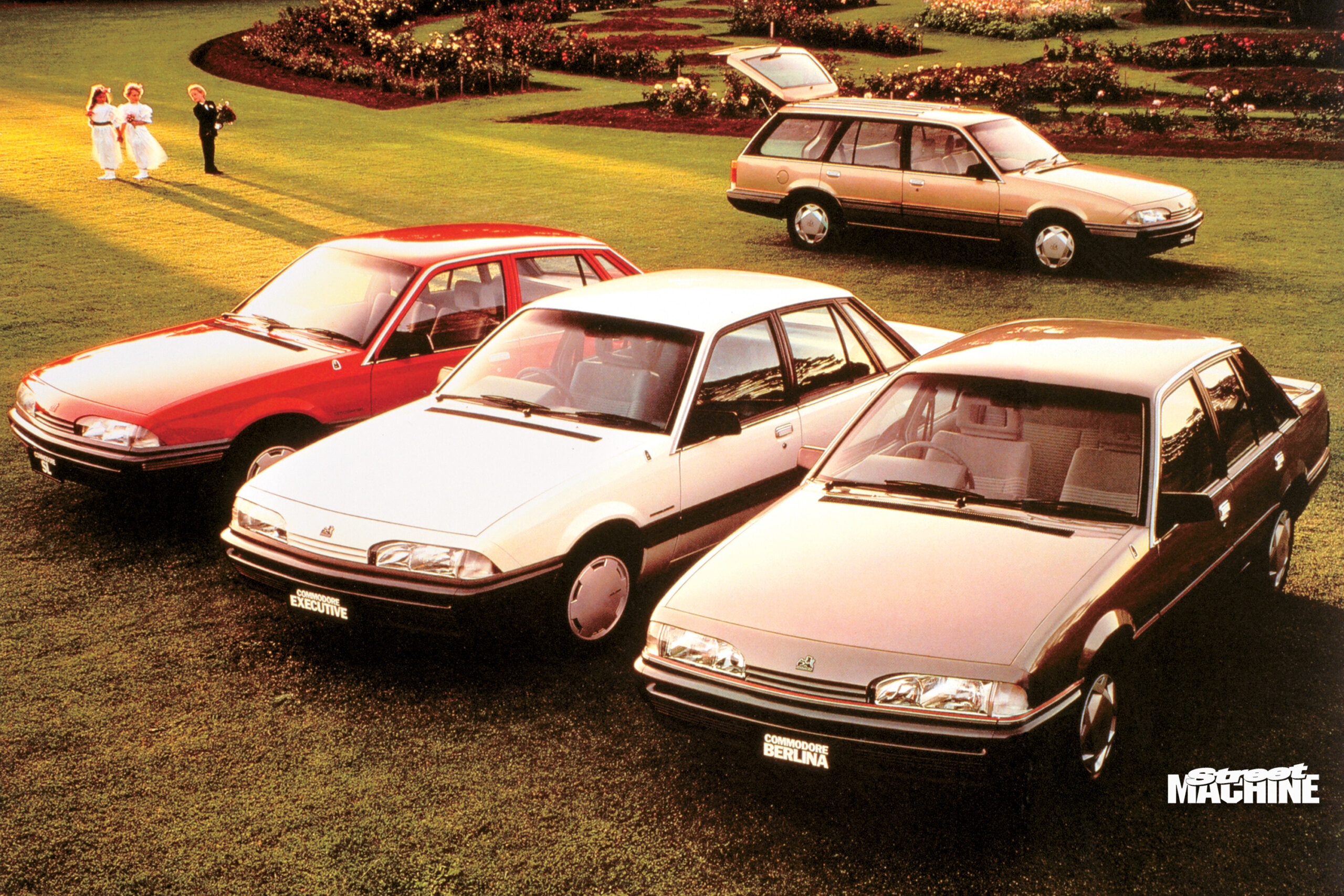
Offered in four-door sedan and five-door wagon, the VL was sold in four trim levels: SL, Executive, Berlina, and the top-spec Calais. A limited number of Calais wagons were offered by HDT, before being officially added to Holden’s line-up late in the VL’s run.
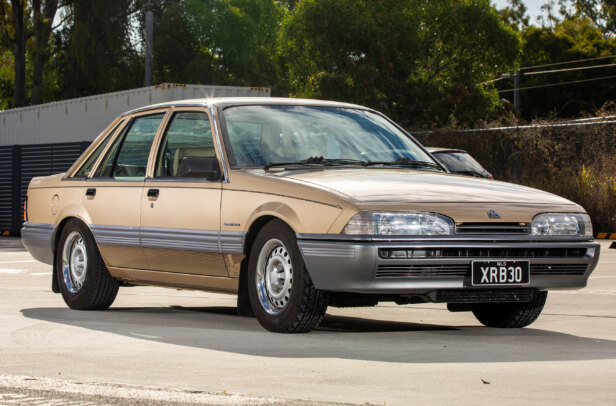
Along with the Vacationer sedan and wagon, Holden released another VL special edition called the Series 200 to celebrate the Australian Bicentenary. Launched in March 1988 in a production run of just 600, it was a mid-spec Berlina in unique two-tone champagne gold, with Calais interior trim and full power options.
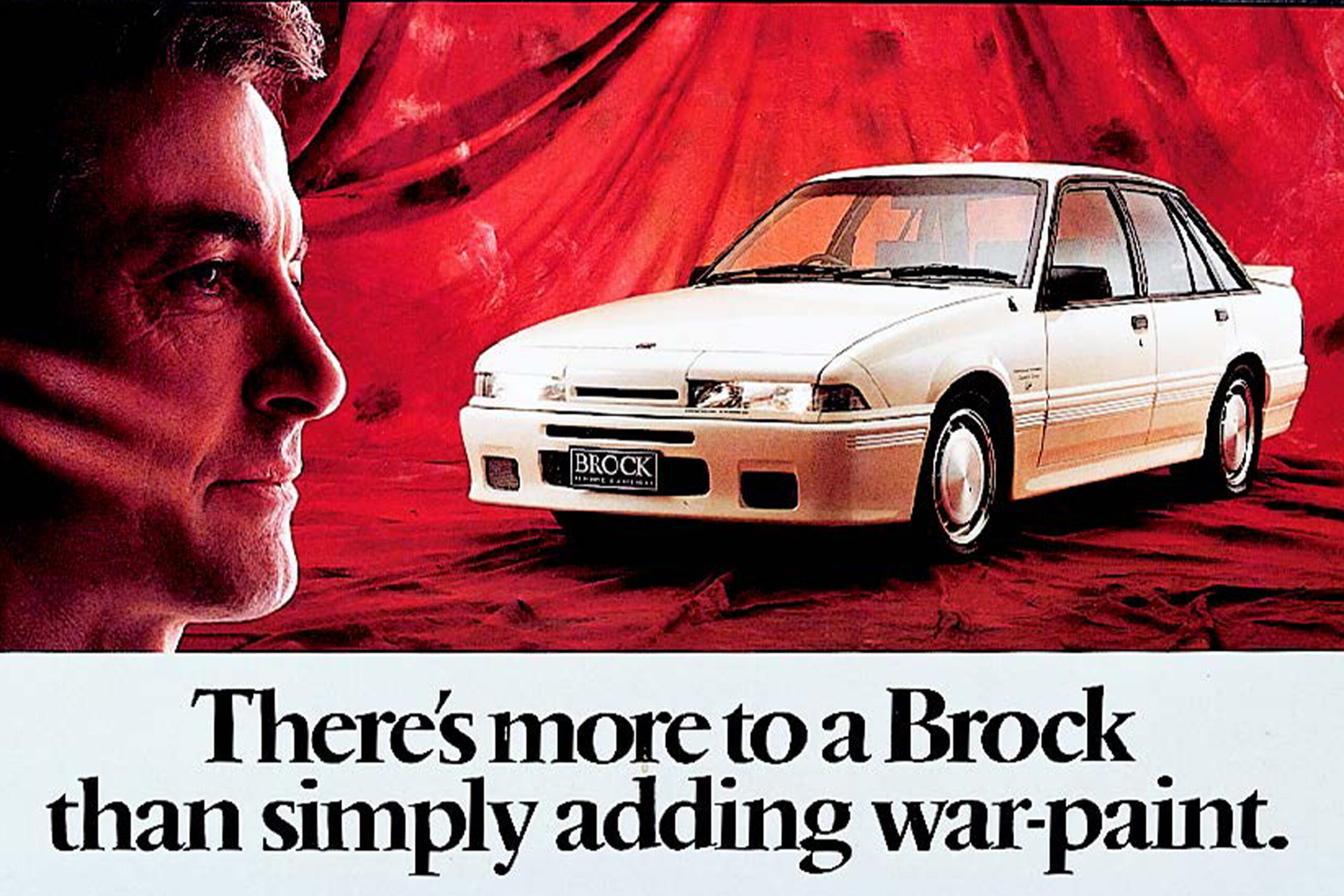
The first fast V8-powered VL was HDT’s SS Group A, packing a carb-fed, 136kW 304 to make it ready for Group A racing. HDT also produced an upgrade called the Plus Pack, and this was where the wheels started to fall off the Peter Brock/Holden love story.
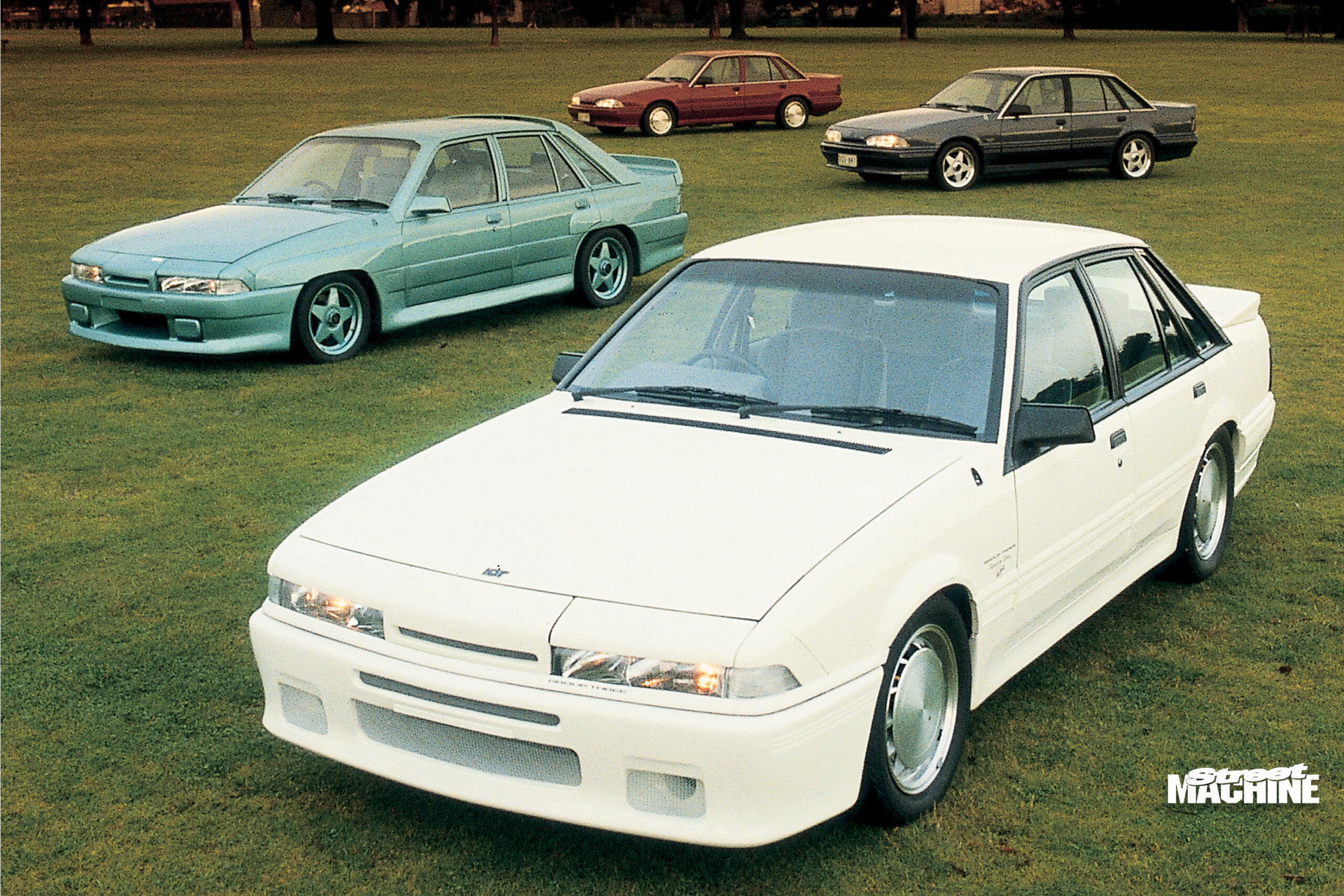
Brock, along with his chiropractor Eric Dowker, had dreamed up the Energy Polarizer, a device they claimed improved a car’s driving dynamics, and demanded it be fitted to the SS Group A. With no actual science or verifiable test data to back Brock’s claims, Holden refused to humour him, so Brock forbade the use of his signature on the VL SS Group A, unlike all the previous HDT hot Commos. So, to get Brock’s squiggle on the stickers (as well as the Polarizer, some suspension upgrades and a couple of other tweaks), you needed to order the higher-spec Plus Pack.
The Polarizer is allegedly what led to Larry Perkins, HDT’s chief engineer and Brock’s co-driver since 1982, walking away from the company in ’86. The story goes that Brock had snuck Polarizers into HDT race cars, and after one came loose in qualifying, the famously practical Perkins had a terse, high-decibel discussion with Brock that ended with Perkins moving his work computer to a new office inside his own race team headquarters.
Brock then decided to poke an already nervous bear with his next release: the controversial HDT Director. Based off the luxury-spec VL Calais, the Director was HDT’s halo vehicle, with Brock offering the Polarizer as an option, as well as the independent rear end from the Opel Senator – much to Holden’s dismay.
GM-H promptly decided to sever ties with HDT and Brock. While HDT would continue to release hotted-up Holdens (among others), the split took 10 years to overcome. Ultimately, the combination of the Polarizer, Brock’s demands to run tyres at 22psi, and the Director’s untested, unapproved IRS rear end pushed the General to hook up with Pommy race driver and team owner Tom Walkinshaw to create Holden Special Vehicles.
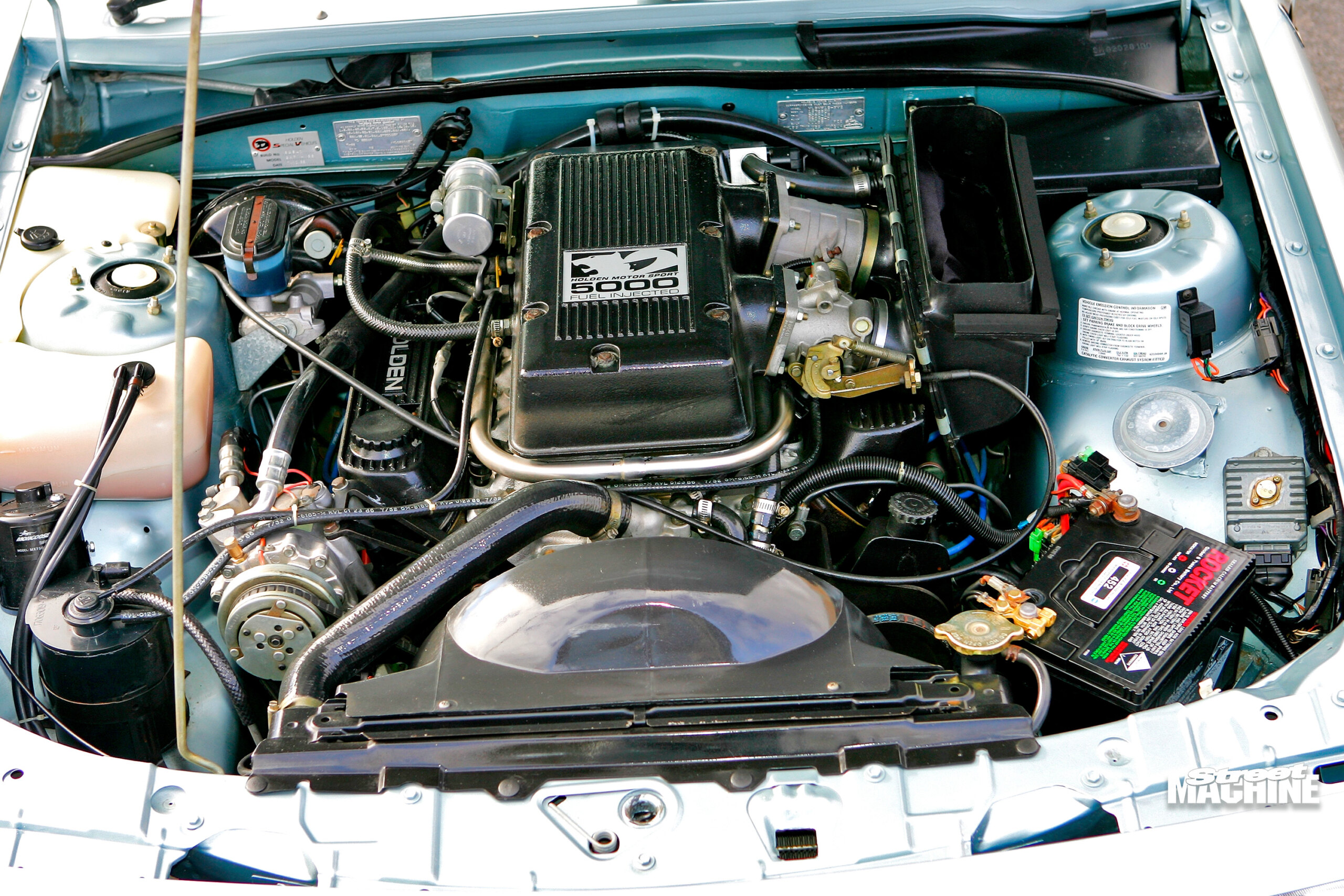
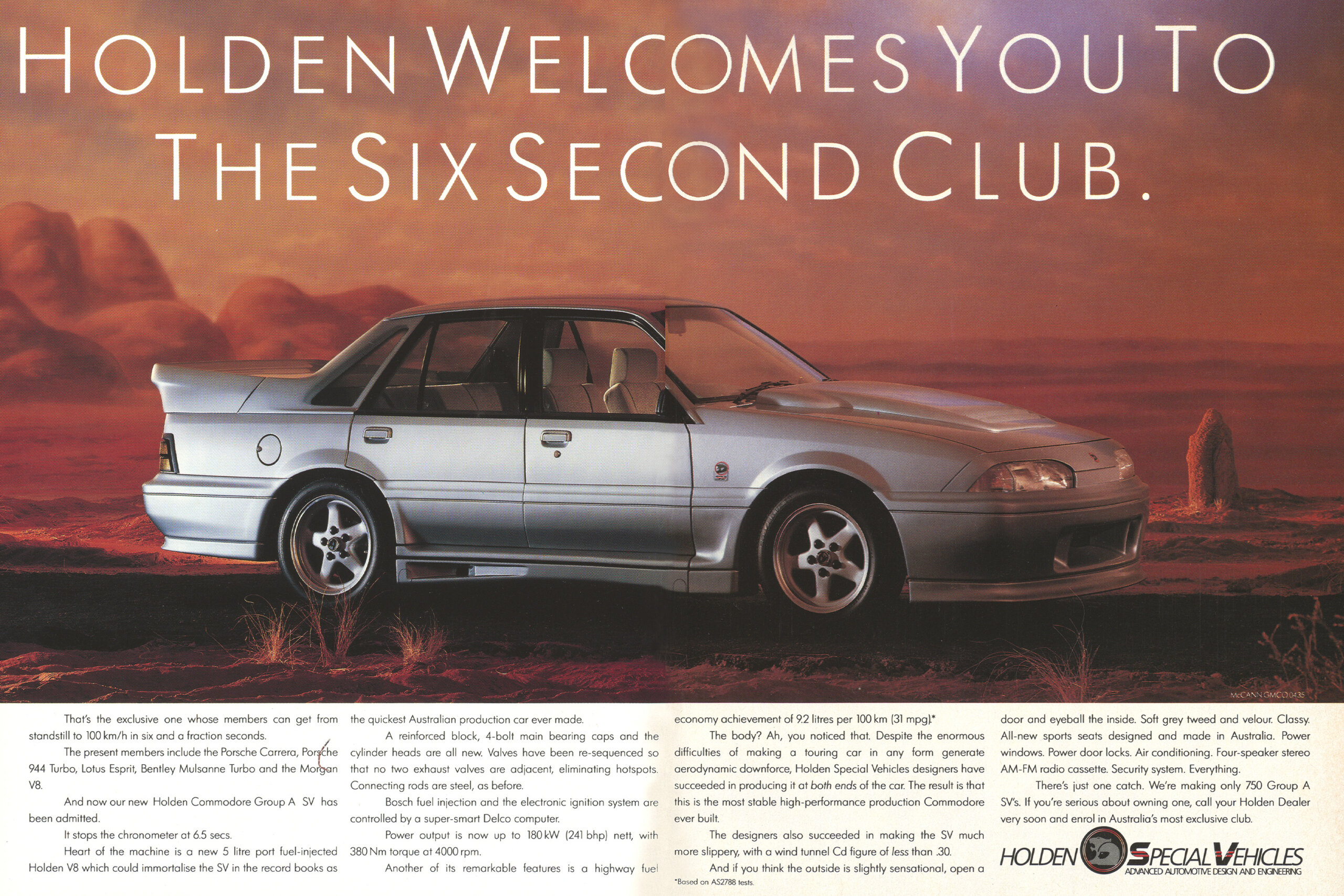
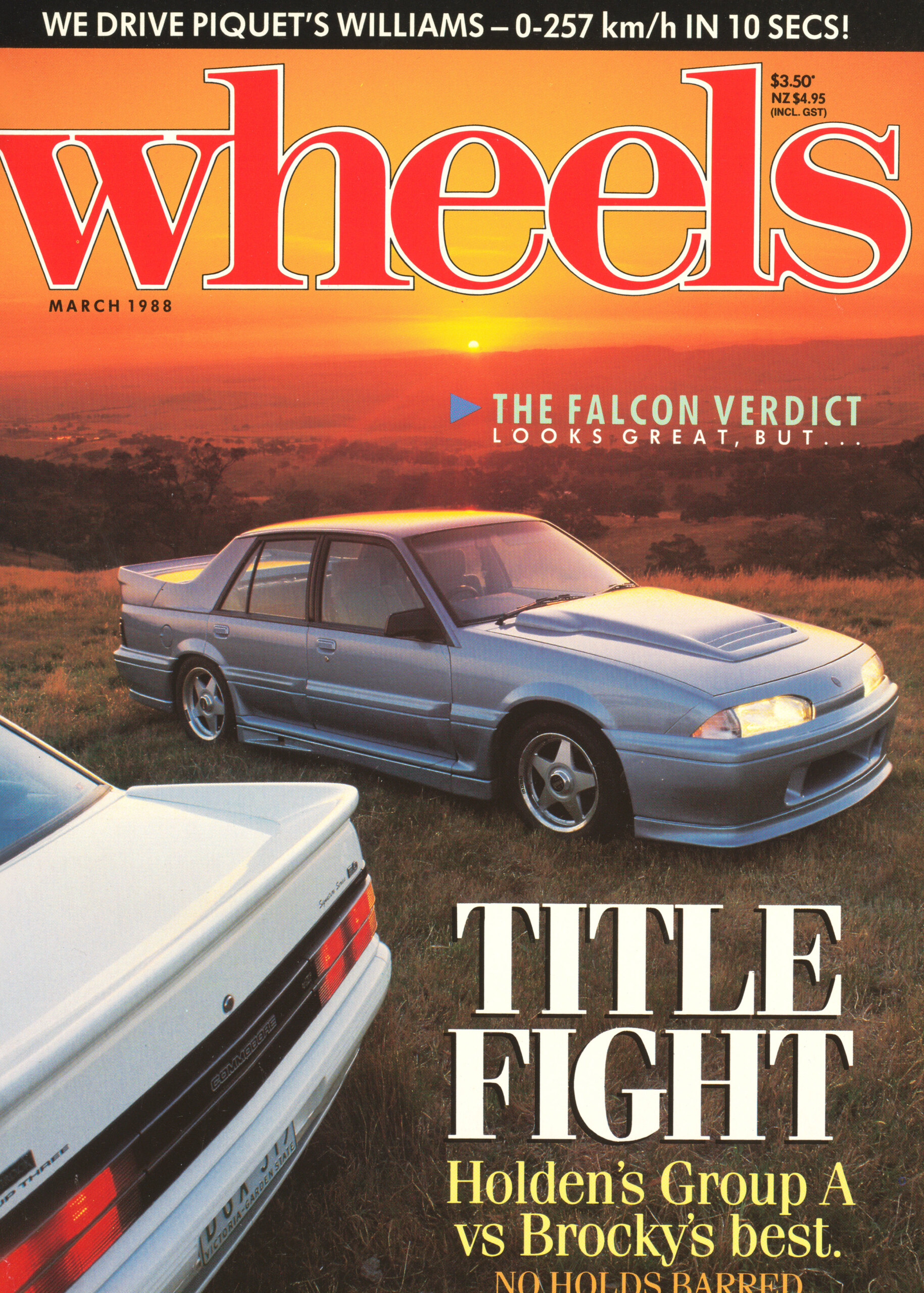
HSV came out firing with its first car, the Commodore SS Group A SV, aka ‘The ‘Walkinshaw’. The car marked the first time an EFI V8 was available in a road-going Holden, making 180kW (241hp). While Holden struggled to sell the 750-model run, the Walky has since become one of the most sought-after Aussie classics.
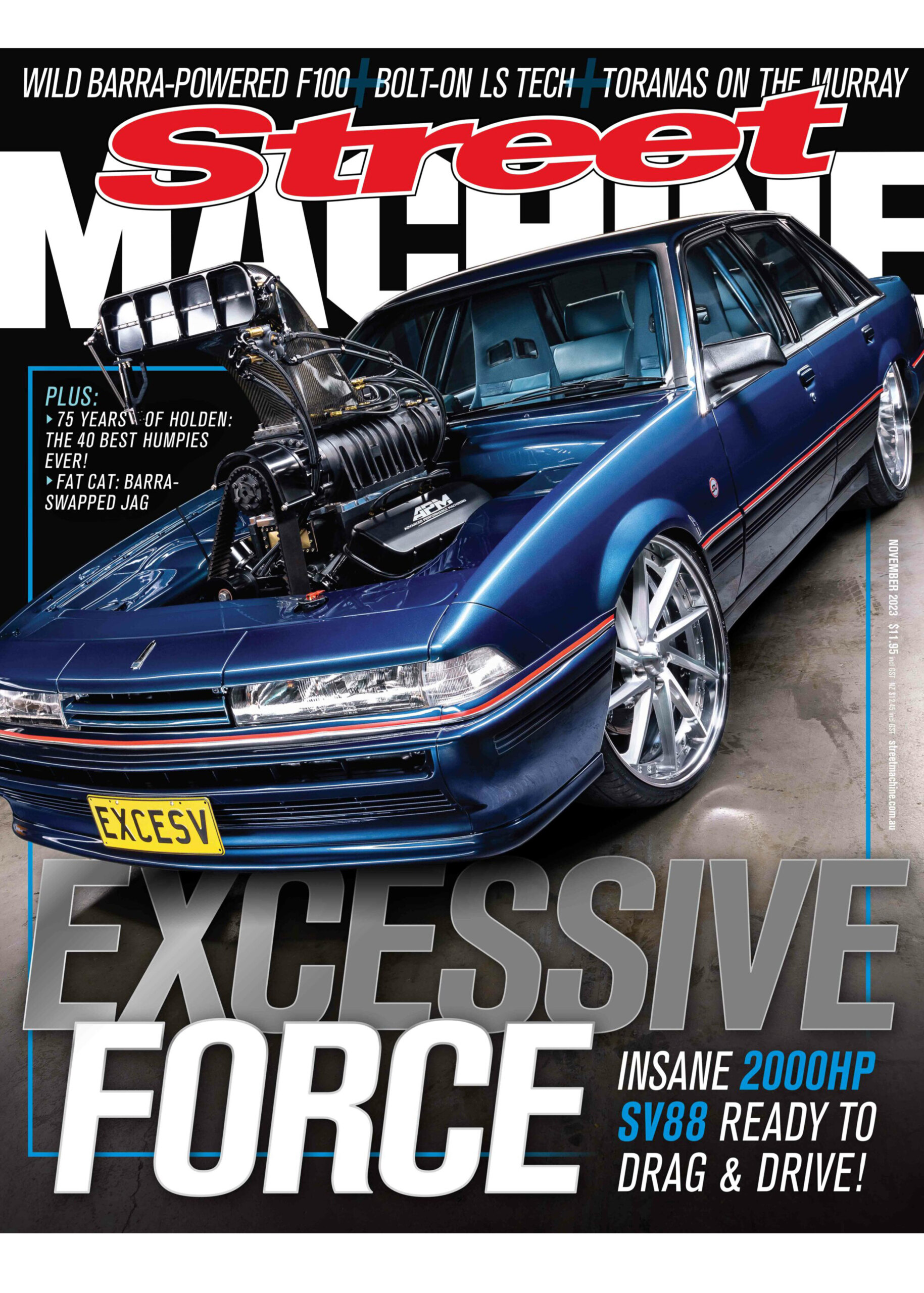
HSV produced two other VL-based models: the Calais-based SV88, and the Final 20 (stylised as F20). The F20 used a mix of bodykit pieces from the SV88 as well as the less extreme lower sections of the Group A SV, plus SV88 interior trim in perforated leather, and the choice of an aspirated or turbo RB30.
So, was it all worth it for Holden? With 151,801 cars shifted in the 30 months it was on offer, the VL may have failed to outsell the XF Falcon (278,101 sold over 48 months), but it was the highest-selling of all the first-generation Commodores.
More importantly, the VL’s sleek styling and turbo models made it a hit with young Aussies at the time, which is why it remains one of our most beloved cars today.
The VL’s place in the hearts of many car enthusiasts has seen values explode over the past decade, with the rarest models matching the prices paid for almost any previous Holden muscle car. And all this from a model designed as a stop-gap.
Famous Race VLs
BONZA MONZA
Ford hero Allan Moffat gave the VL Commodore one of its first big PR wins by taking out the first round of the inaugural World Touring Car Championship at Monza, Italy in 1987.
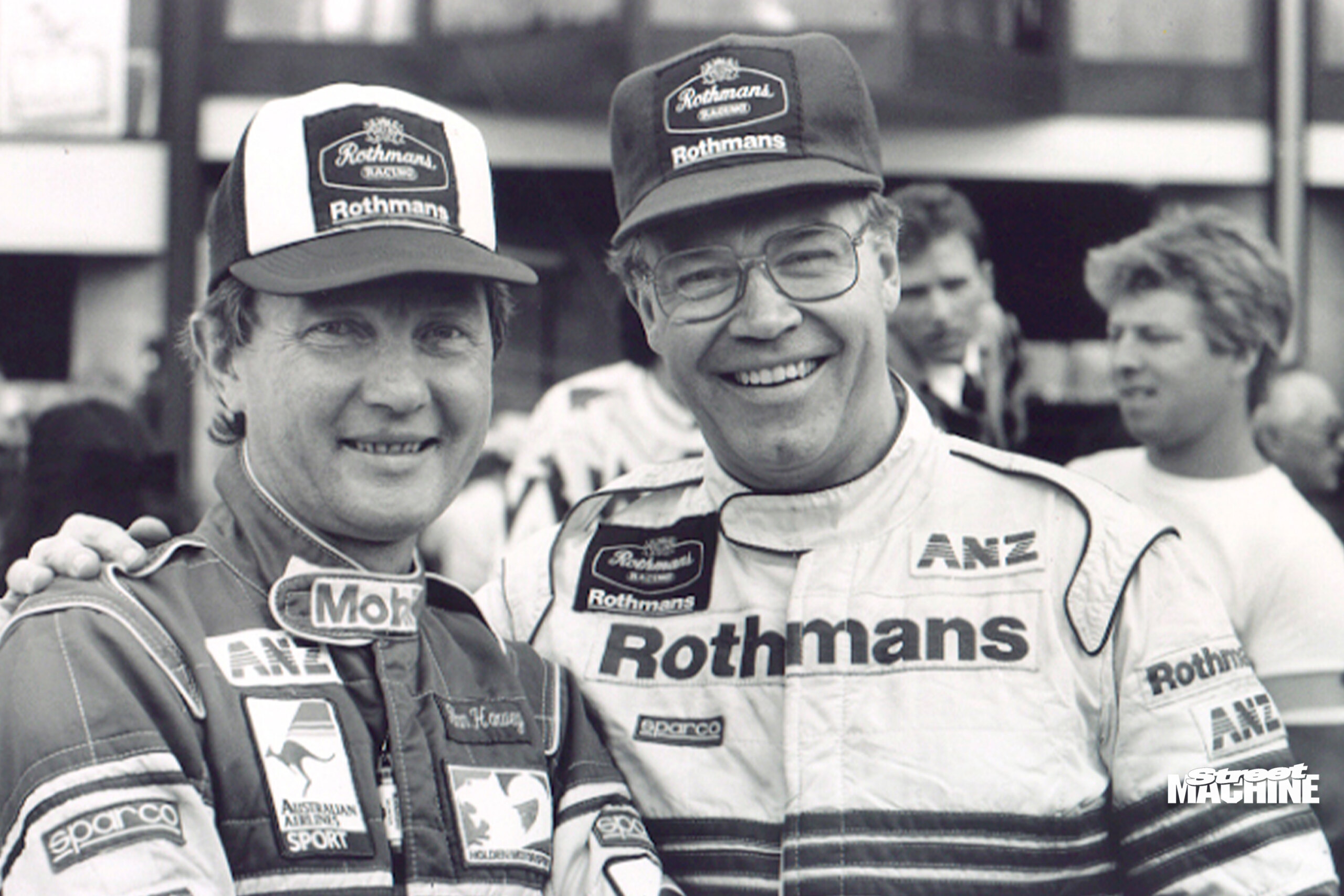
He’d bought the first HDT-built Group A VL following the Brock-Holden split, and paired with former Brock co-driver John Harvey and a skeleton crew of helpers to head to Italy, where they placed seventh over the line.
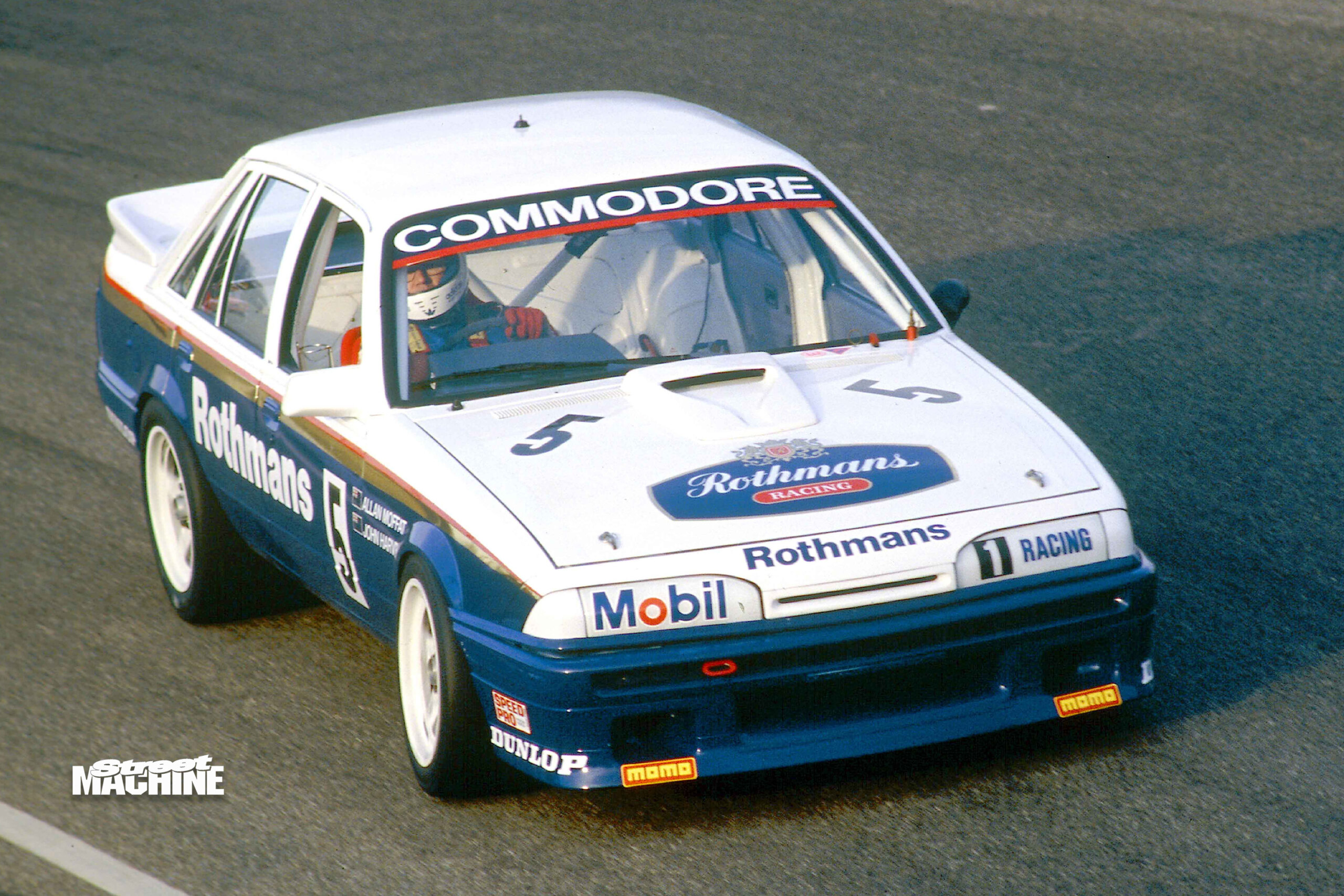
However, the first six cars (all BMW M3s) were disqualified for running lightweight Kevlar roof panels, leaving Moff’s VL Commodore the winner!
THE KING’S LAST CROWN
Peter Brock’s last Bathurst 1000 win in 1987 didn’t happen in an iconic #05 VL but the #10 car of Peter McLeod and David Parsons.
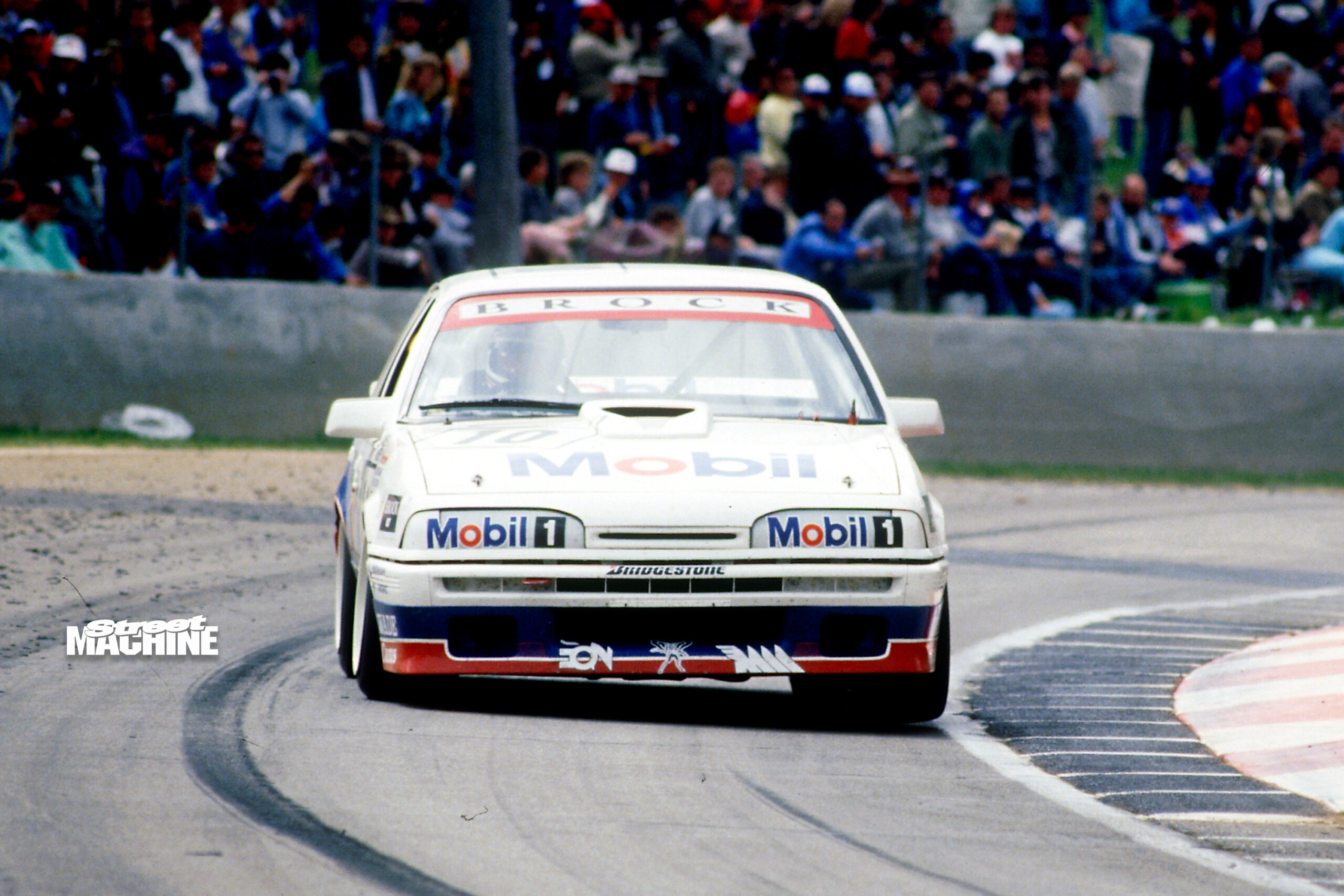
Fresh from being dumped by Holden that February, Brocky ran a pair of SS Group A VLs against the world’s best Group A touring cars. After his #05 VL failed, Brock jumped into HDT’s sister car, and we were treated to some of the best Bathurst footage of all time: Peter Perfect charging like a madman on slicks on a wet track to take third place – which was later upgraded to a win after a protest was lodged against the 1-2 finishing Eggenberger Sierras.
GRICE IS NICE
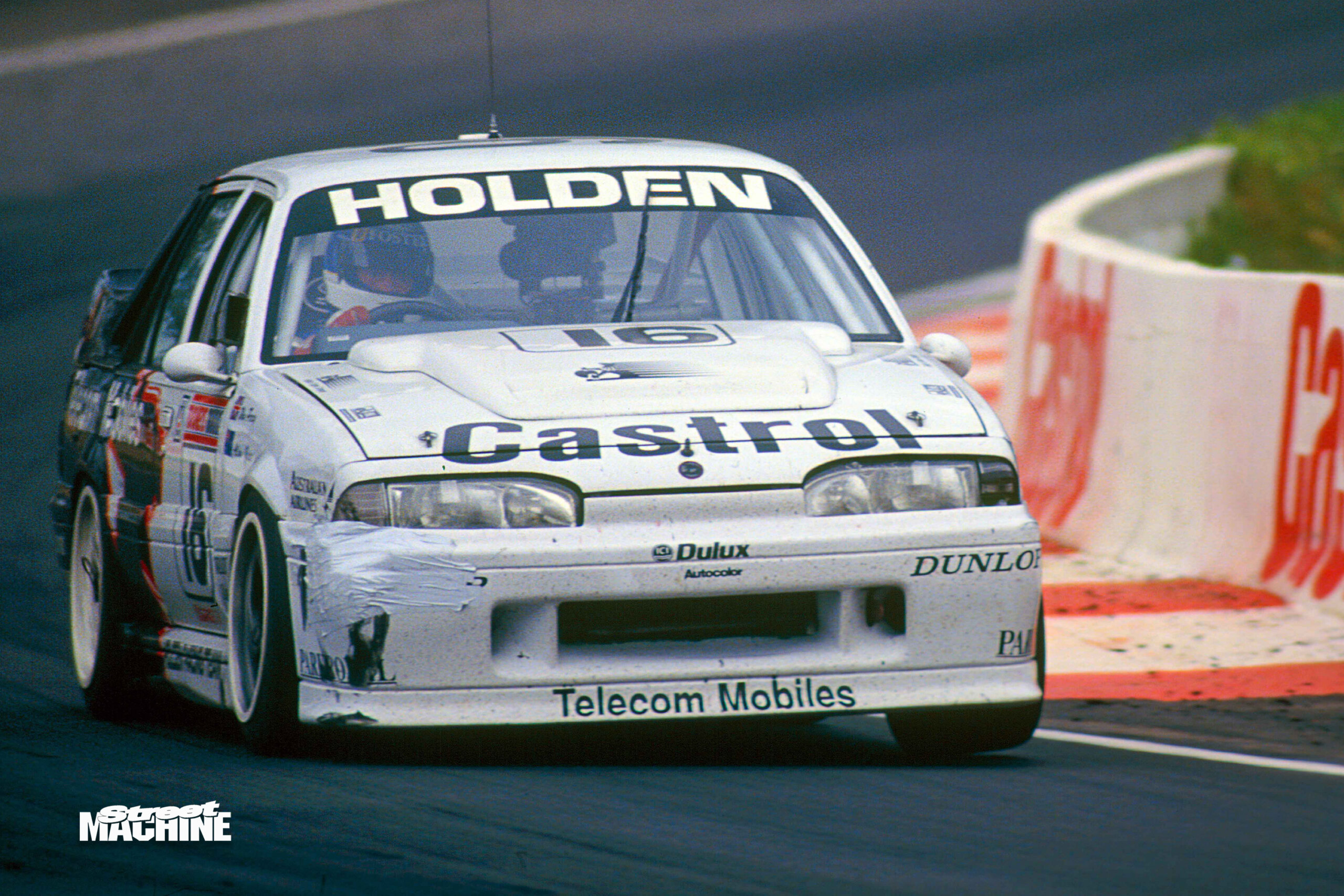
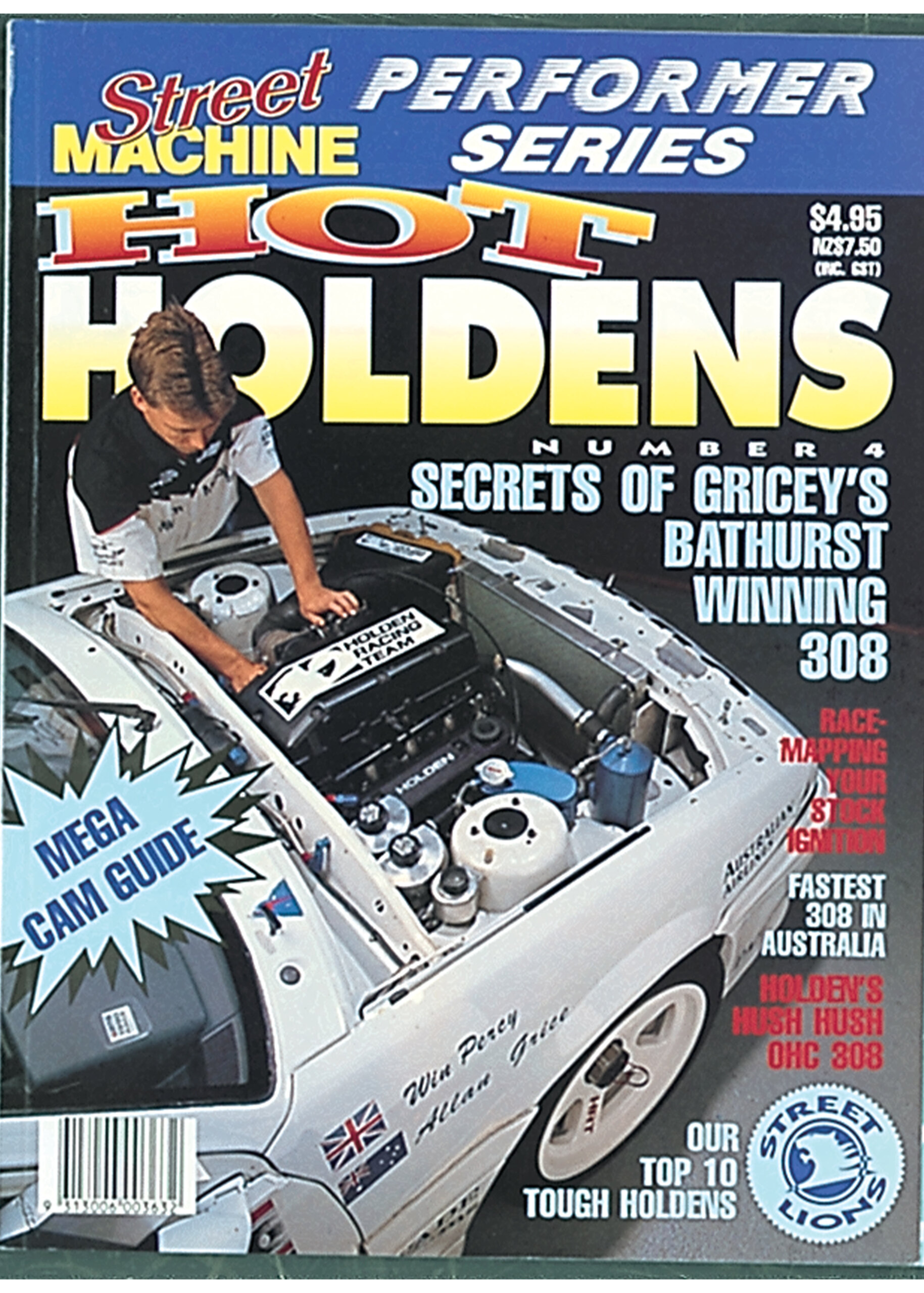
Against the turbocharged Sierra RS500s and new all-wheel-drive R32 GT-R Skylines, the HSV Walkinshaw Group A race cars were hopelessly out-gunned. Few expected to see the factory Holden Racing Team standing on top of the dais at that year’s Bathurst 1000, but Allan Grice and Win Percy silenced the doubters with the Walkinshaw’s only Bathurst win. In addition, Larry Perkins and Tomas Mezera took 3rd in their Walky.
Factory HDTs
HDT VL GROUP A
Inside the 136kW 304 V8 of HDT’s SS Group A was an upgraded crank and rods, 8.5:1 pistons, and Crane roller rockers, plus exhaust manifolds with flanges next to the heads to exploit a Group A racing rule.
HDT also tweaked the suspension and added 16in MOMO wheels, Bilstein gas shocks, big brakes, front and rear spoilers, a T5 five-speed trans, four-pinion BorgWarner diff with 3.08 gears, plus a functional bonnet scoop and cold-air intake.
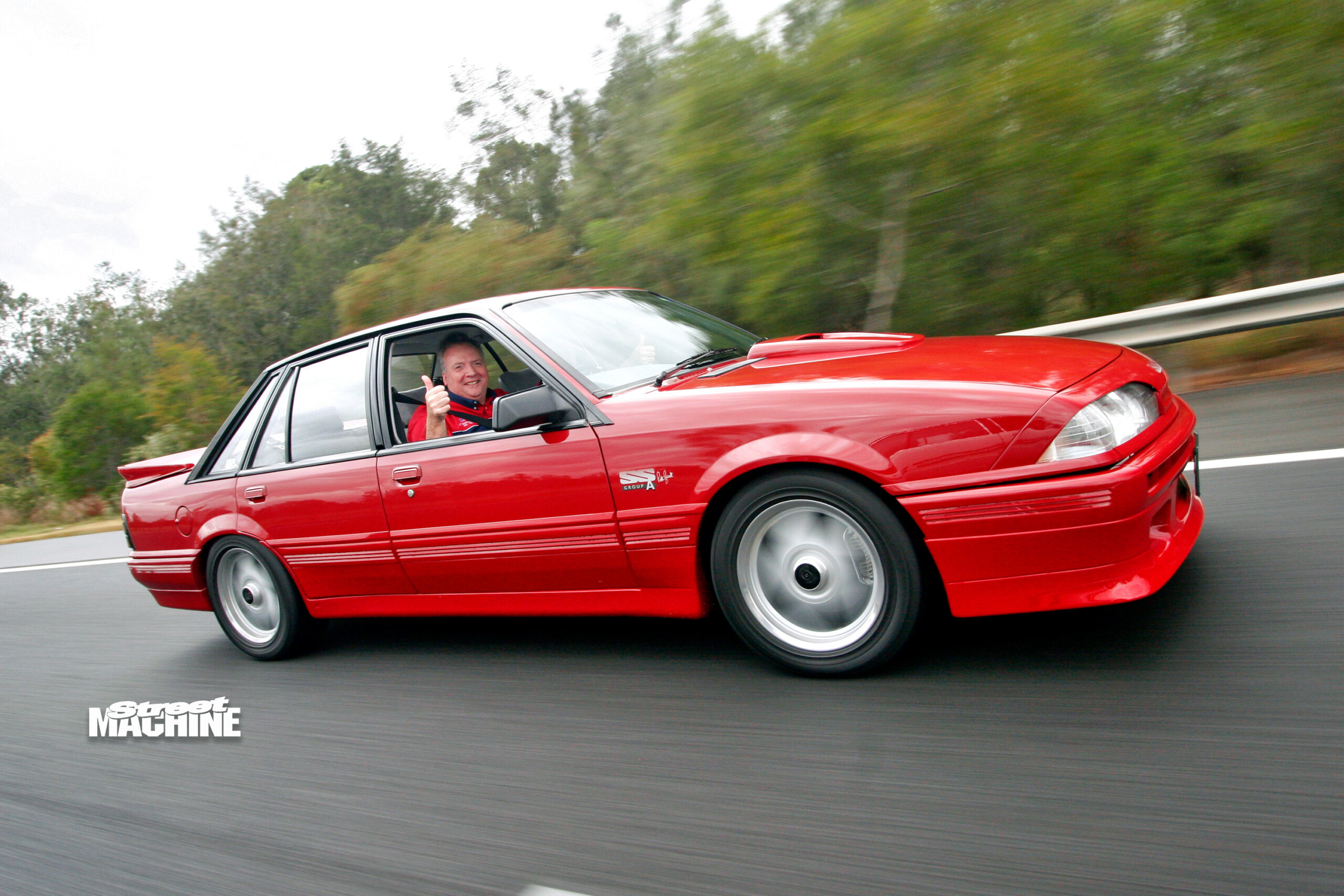
The 173 Plus Pack cars scored different springs and anti-roll bars, revised front-end geometry and spring mounts, an extra water passage to the head, a higher-pressure fuel pump, and the infamous Energy Polarizer. All up, 500 Group As were built.
HDT DIRECTOR
The car that split Brock and GM-H, the Calais-based VL HDT Director boasted a divisive 21-piece bodykit, T5 manual, leather trim, and the Group A-spec 304ci V8.
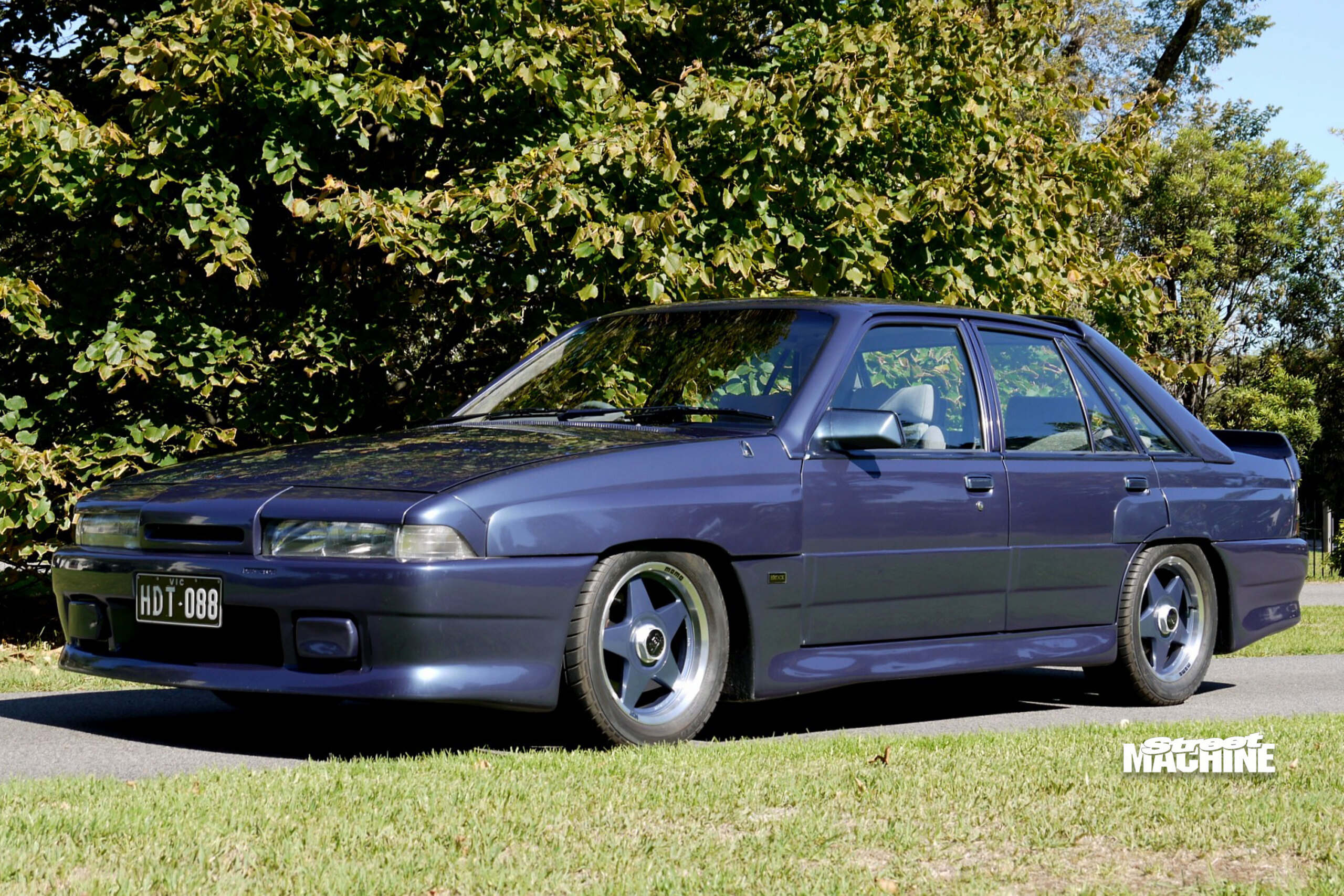
Optional equipment included a 5.6L stroker V8, TH700 four-speed auto, moon roof, car phone, Energy Polarizer, and the independent rear end from the Opel Senator. The base price was $55,000, but ticking every option box would see that rise to $87,000 – or 4.7 times more expensive than a base-model VL.
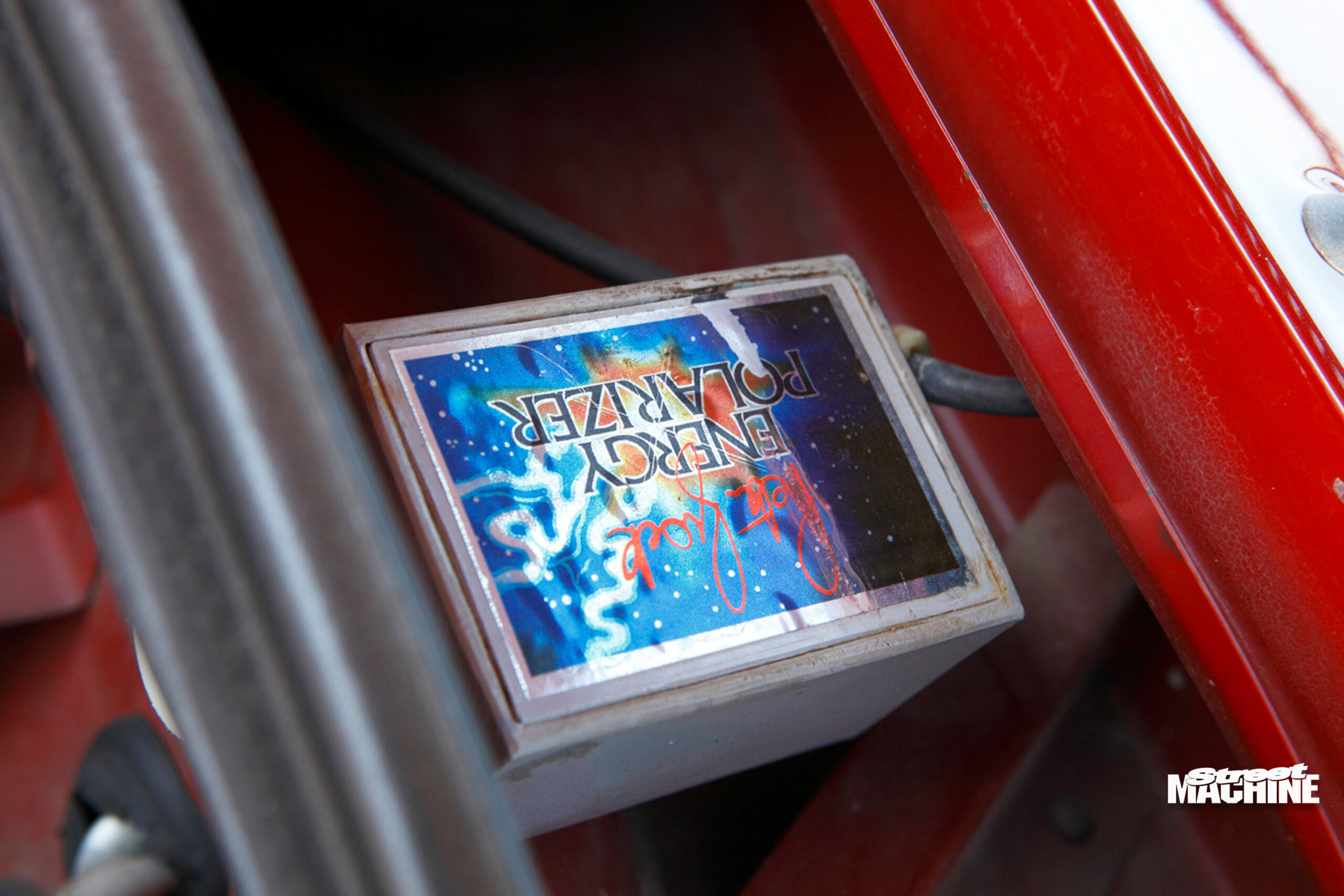
Only nine customer Directors were built, with two extra HDT demo cars built using the IRS and then sent on an overseas tour to drum up international interest, which failed to eventuate.
HDT SS GROUP THREE
Built in the wake of the Holden split, HDT brought back the Group Three name for its Berlina-based performance model. The bodykit utilised LE side skirts, a unique one-piece grille, deeper front bumper, and a bespoke rear wing, while 16x7in HDT Aero II wheels filled the guards. Power was claimed to be 187kW from the 4.9L V8.
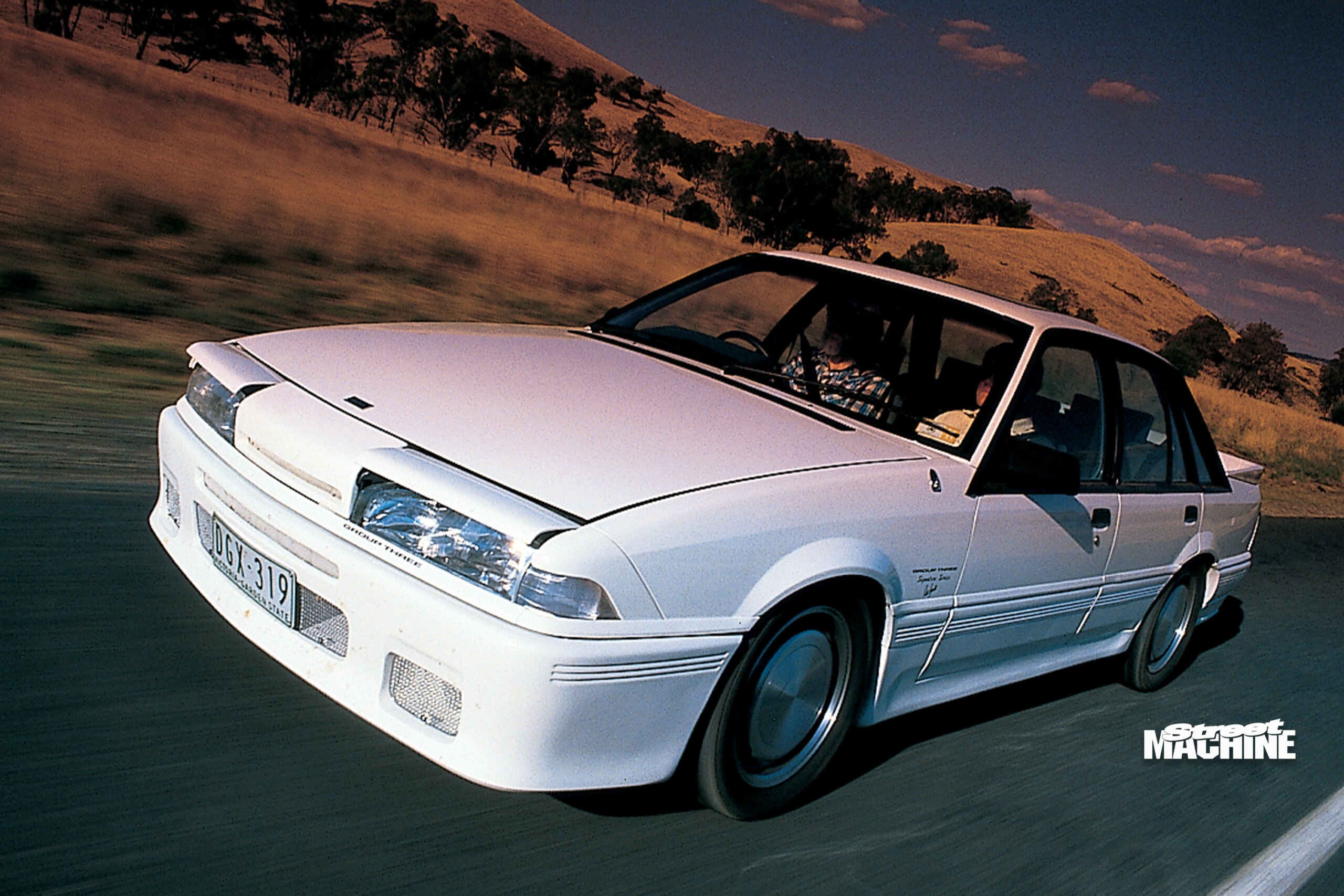
Brock had lost his special-buy pricing from Holden, which meant the Group Three cost either $11,000 (auto) or $16,000 (manual) more than the HDT Group A, so only 38 were built.
HDT BATHURST
The HDT Bathurst could be ordered using an Executive or Berlina base car, scoring 16in Aero II wheels, Group Three front spoiler and side skirts, an LE rear bar, and Group A wing and grille. Inside, a MOMO steering wheel was the only addition of note.
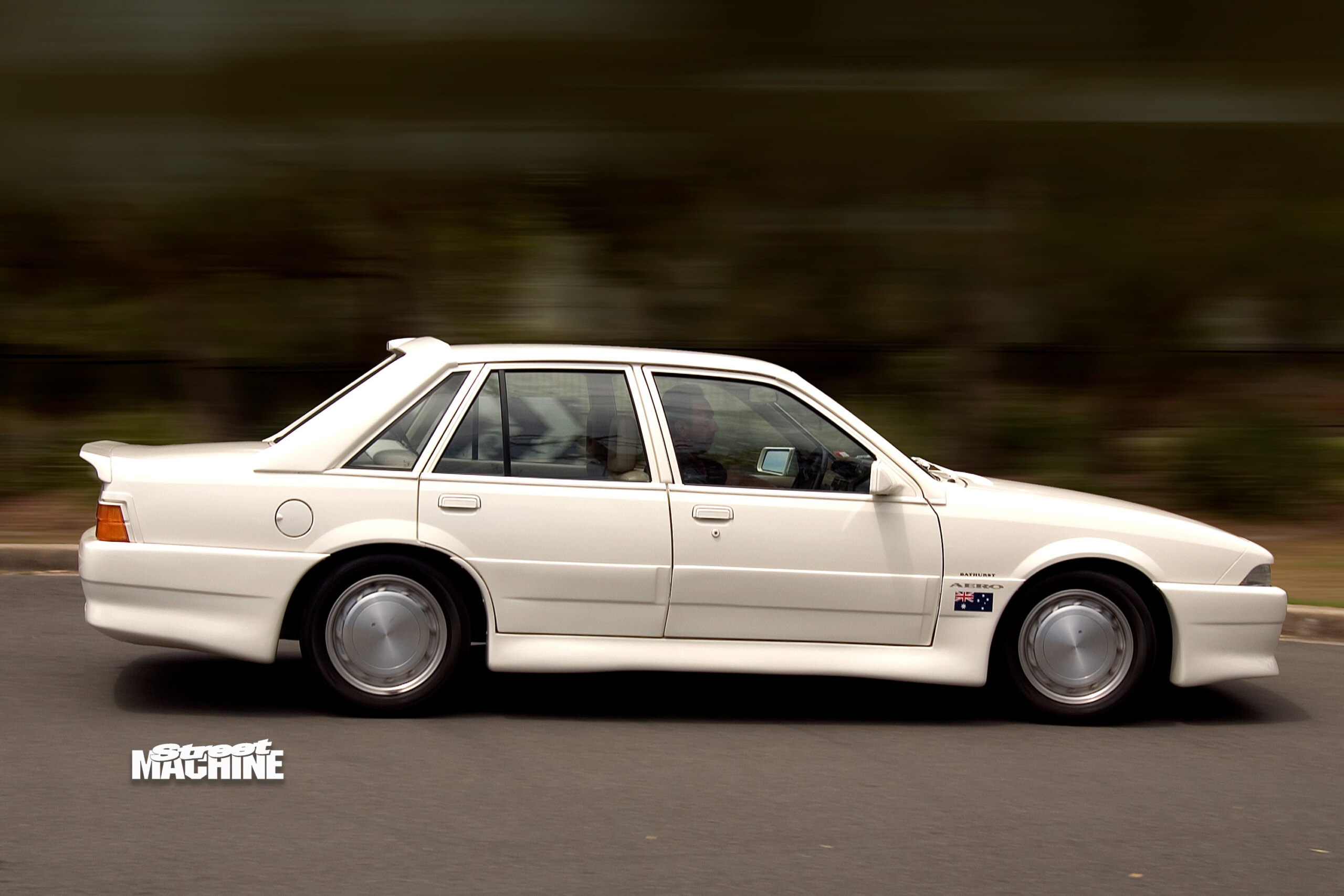
HDT fitted System II suspension, which included stiffer springs, dual spring pads, reinforced top strut mounts, and modified front geometry. The 5.6L stroker cars also got Bilstein shocks and beefier sway-bars.
The Bathurst came late in Brock’s ownership of HDT and while production numbers are unknown, it’s believed to be incredibly rare.
HDT AERO
The HDT Aero was based on the Calais and added timber-accented trim, Scheel or Recaro seats, new-design HDT Aero wheels in 16x7in, HDT System II suspension upgrades, LE spoiler, and a bodykit largely taken from the Director (except for the wheelarch and C-pillar extensions).
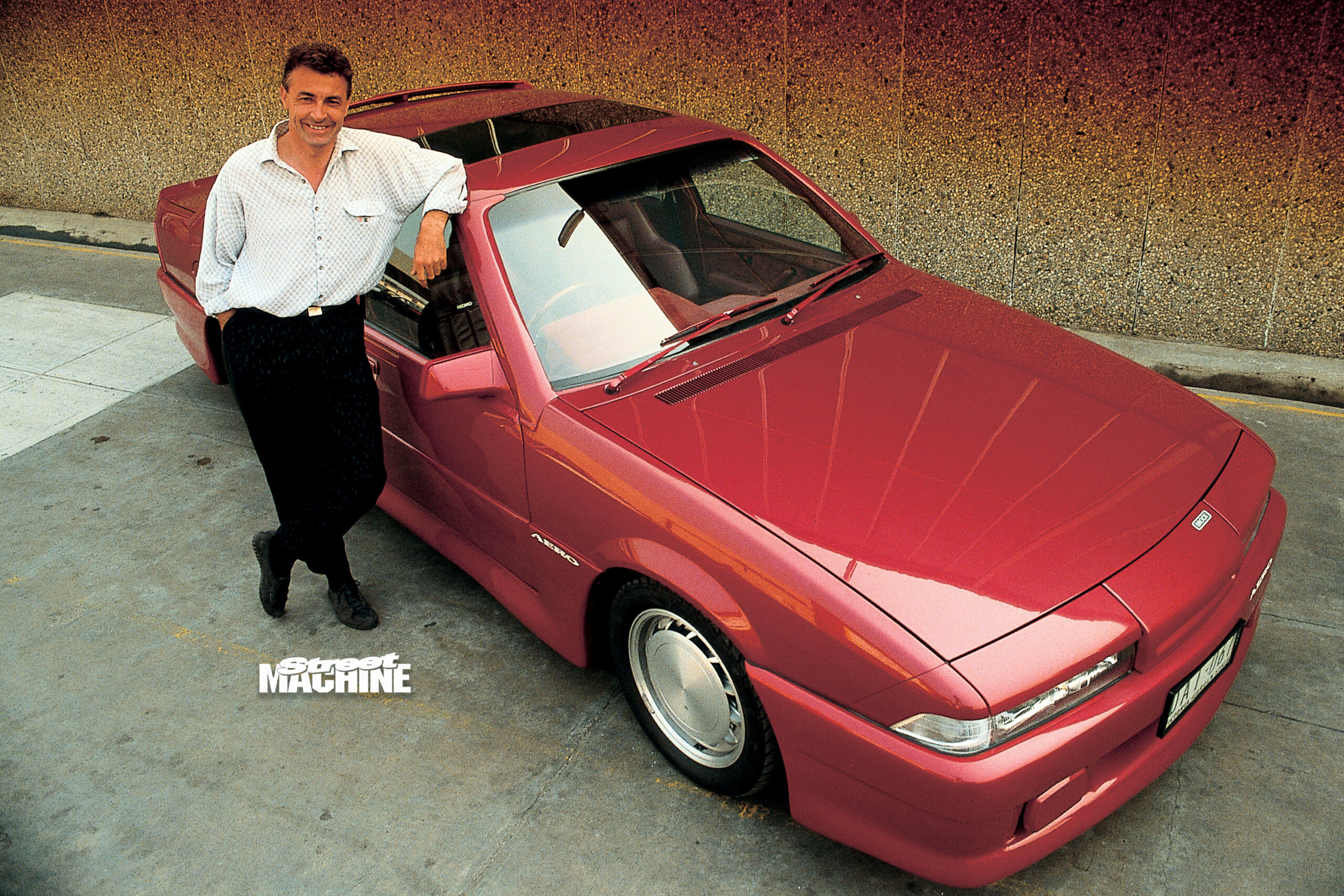
As the Aero was based on the HDT Bathurst, it was only offered with V8 power, so buyers could get the HDT-built standard 136kW 4.9L or an optional 225kW 5.6L stroker.
The Aero kit was also available to buy aftermarket for an incredible $17,000.
Factory HSVs
HSV CALAIS SV88
While the Group A SV was based on the base-model Commodore SL, HSV’s SV88 was Calais-based.
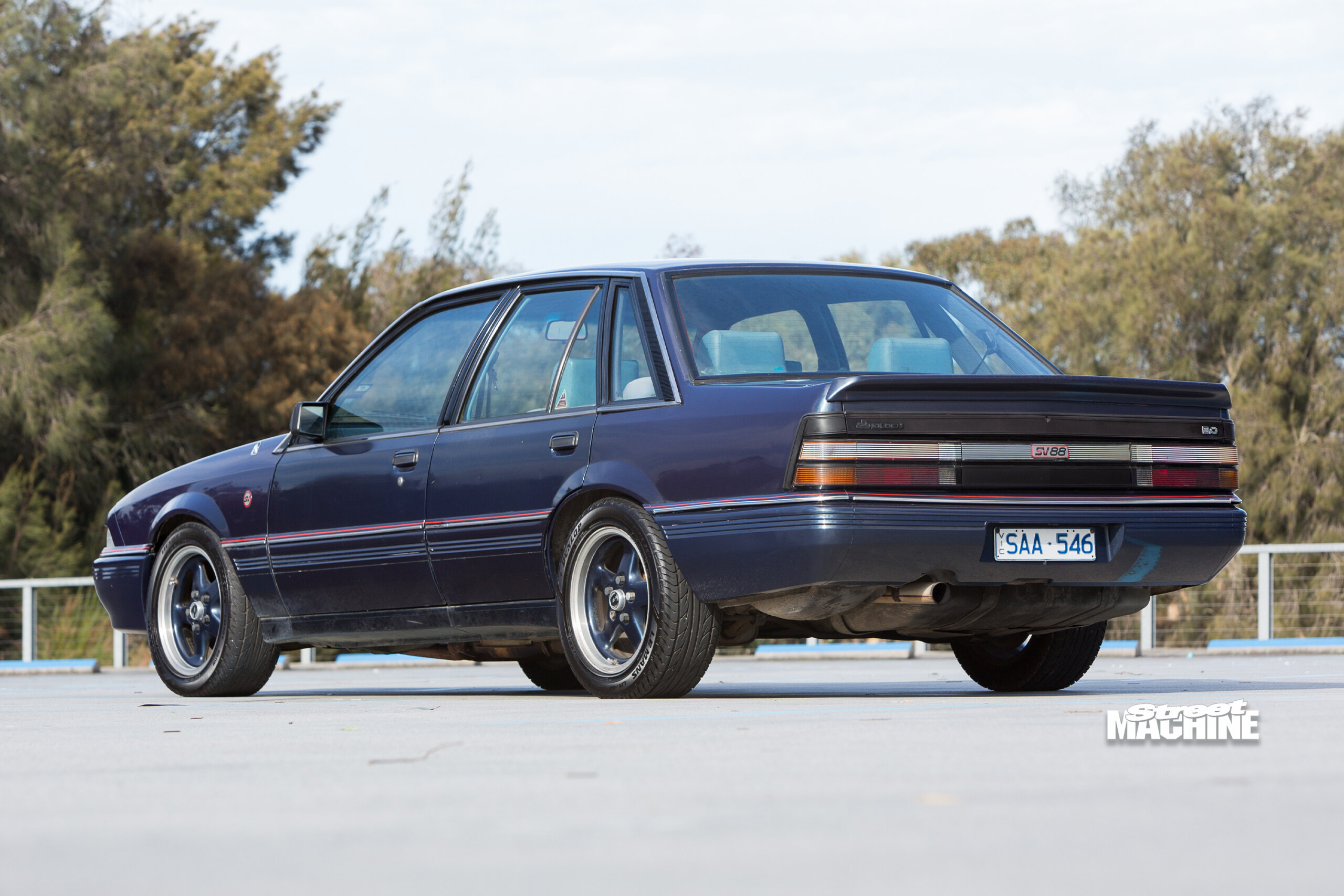
Powered by 136kW, 304ci V8s left over from the HDT SS Group A, the SV88 was auto only and boasted leather-over-velour trim, colour-coded Group A SV 16in wheels, a subtle bodykit, plus an optional car phone or in-car fax machine. All were painted Dorward Blue over Jewel Midnight with a red pinstripe.
Only 150 SV88s were sold but are considered highly desirable today.
HOLDEN SS GROUP A SV
HSV’s first car was actually released under the Holden name. Designed by Peter Stevens (who also penned the McLaren F1), the SS Group A SV was slicked in an English wind-tunnel to make the homologation model ready for Group A touring cars. It boasted a port-injected, 180kW 304 with the famous twin-throttle intake manifold, Panorama Silver paint, five-speed manual transmission, and a ridiculously slippery, 0.32Cd drag coefficient from its outrageous bodykit.


Although HSV had planned to build just 500 examples, as per Group A rules, initial demand was so strong that 750 cars ended up being produced, although news of the upcoming VN (plus an economic recession) meant that the extra 250 cars proved difficult to move.
FAMOUS STREET VLs
SANTOS CALAIS
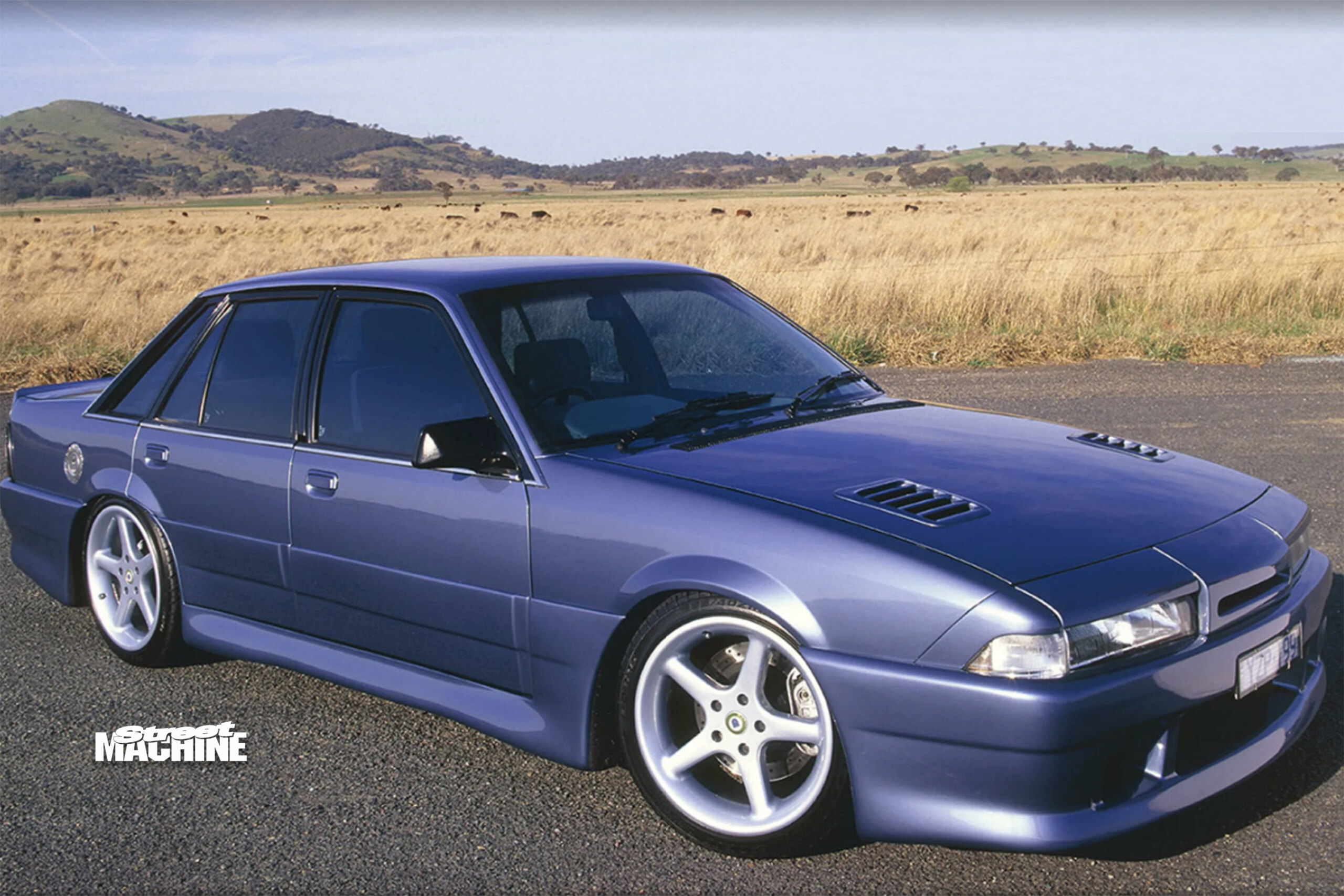
Steve Santos raised the bar for VLs with his super-smooth Calais (SM, Mar ’01). Mods included a pert Aero-style bodykit, rebolstered seats trimmed in a factory-style fabric, spectacular engine bay, a stroked and Vortech-blown Holden V8, big stereo, and custom-embossed door cards. Heady stuff in 2001!
HSVSS
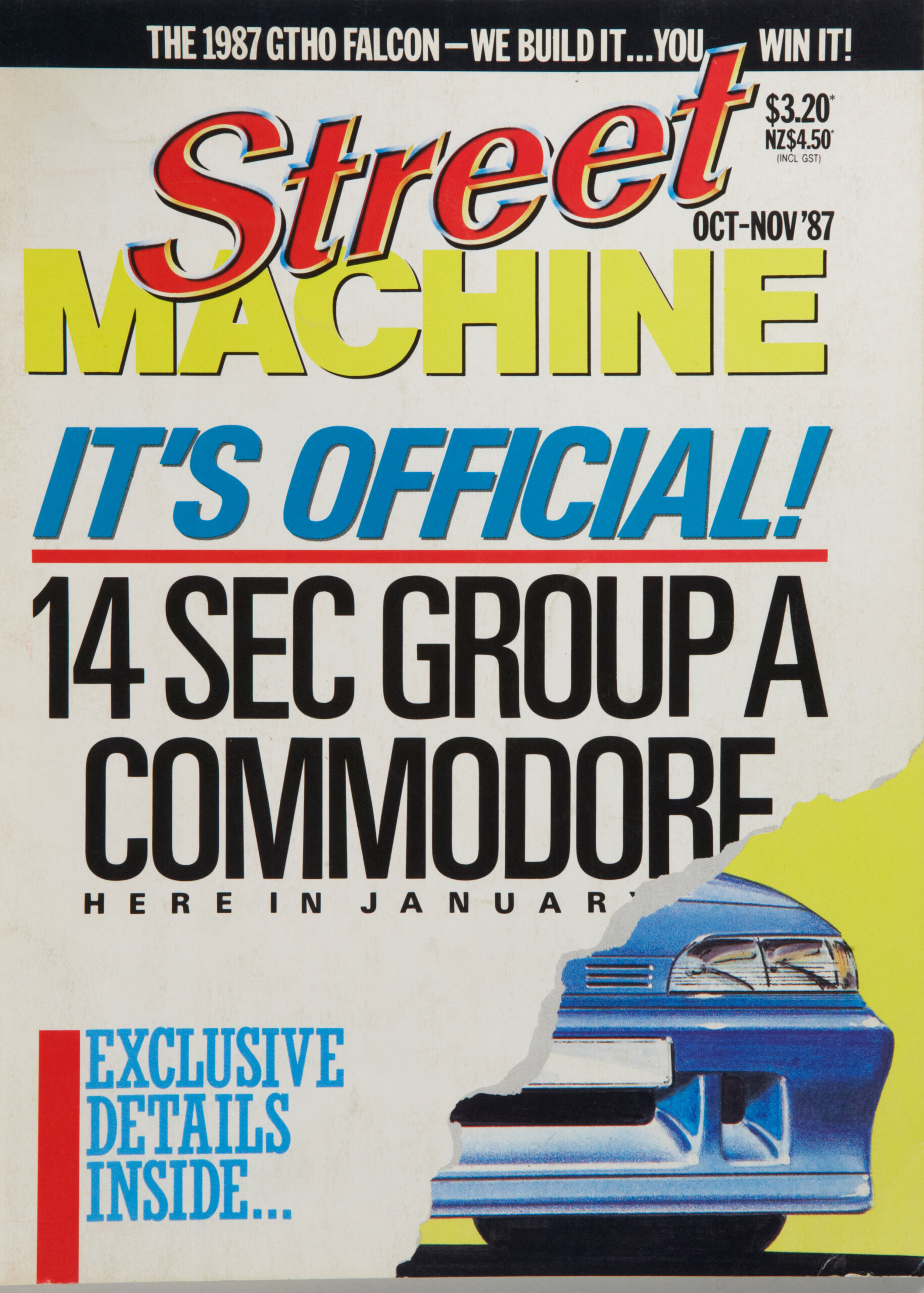
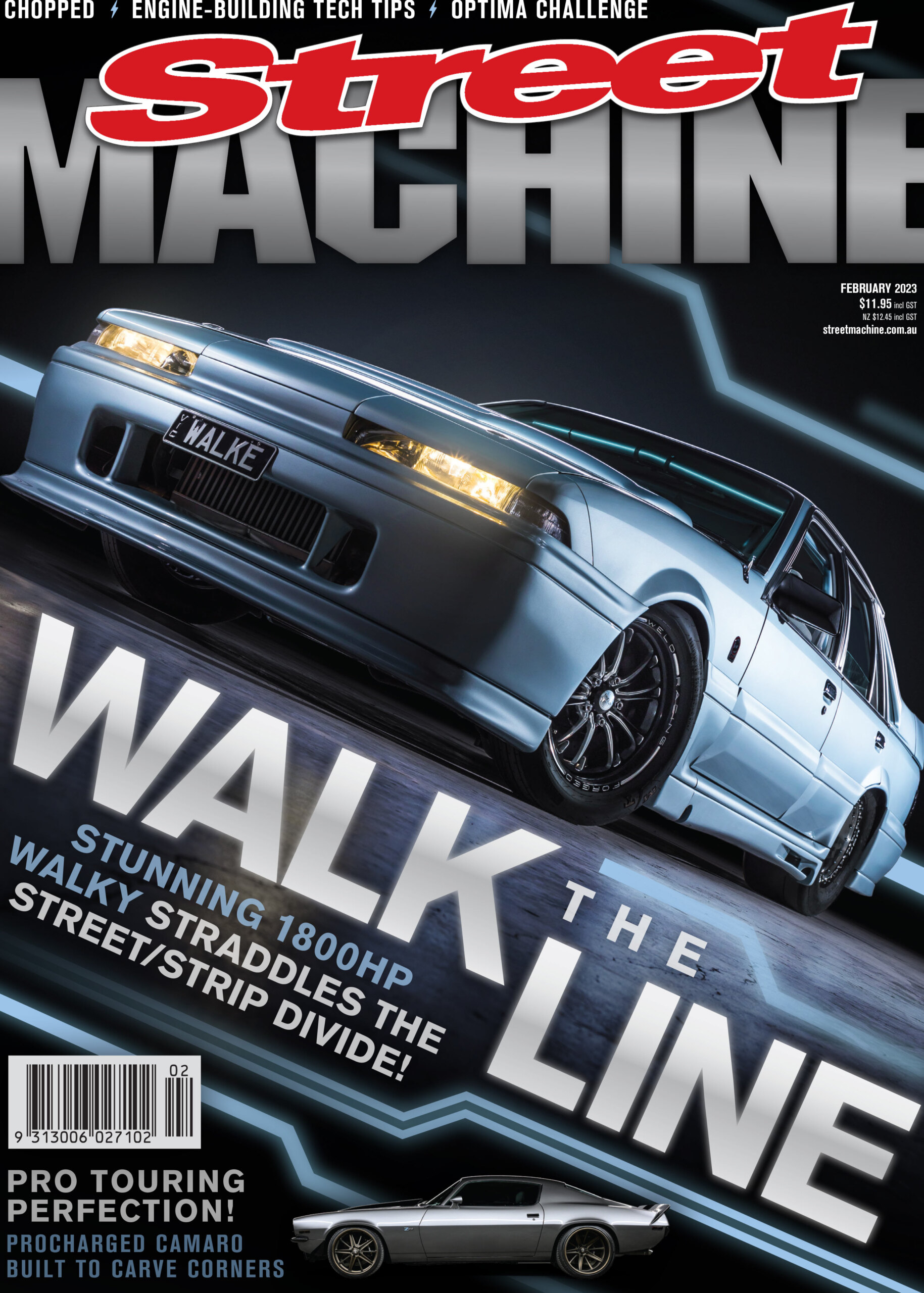
The black, Calais-fronted Walky of Anthony Fabris starred on the cover of the April-May ’96 issue of Street Machine, blocking out the sky with a towering burnout.
The genuine SS Group A SV also won the first Summernats Horsepower Heroes competition with 325rwhp, and ended up making 550rwhp when its original engine was stroked to 346ci with some help from Larry Perkins.
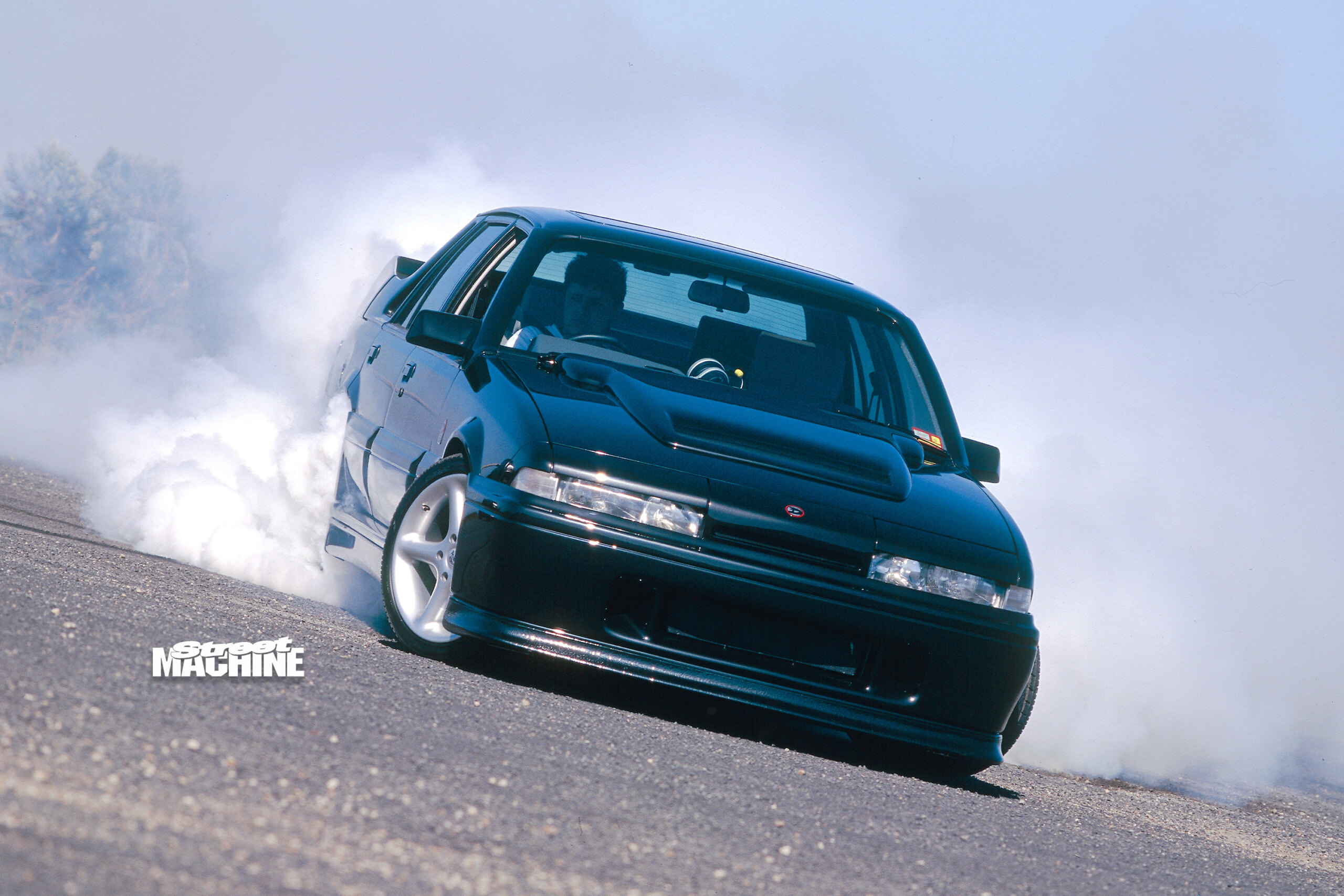
In 1996, it had a MoTeC ECU, big four-pot brakes, 18in wheels, a big stereo, and a ZF six-speed manual from a VN SS Group A. Anthony also stunned everyone when he took it in the Summernats burnout comp and ripped an impressive skid.
The Walky resurfaced 10 years later in the hands of Steve Santos, who’d resprayed it, added 22in wheels and a pair of Garrett GT3540 turbos to make over 860rwhp.
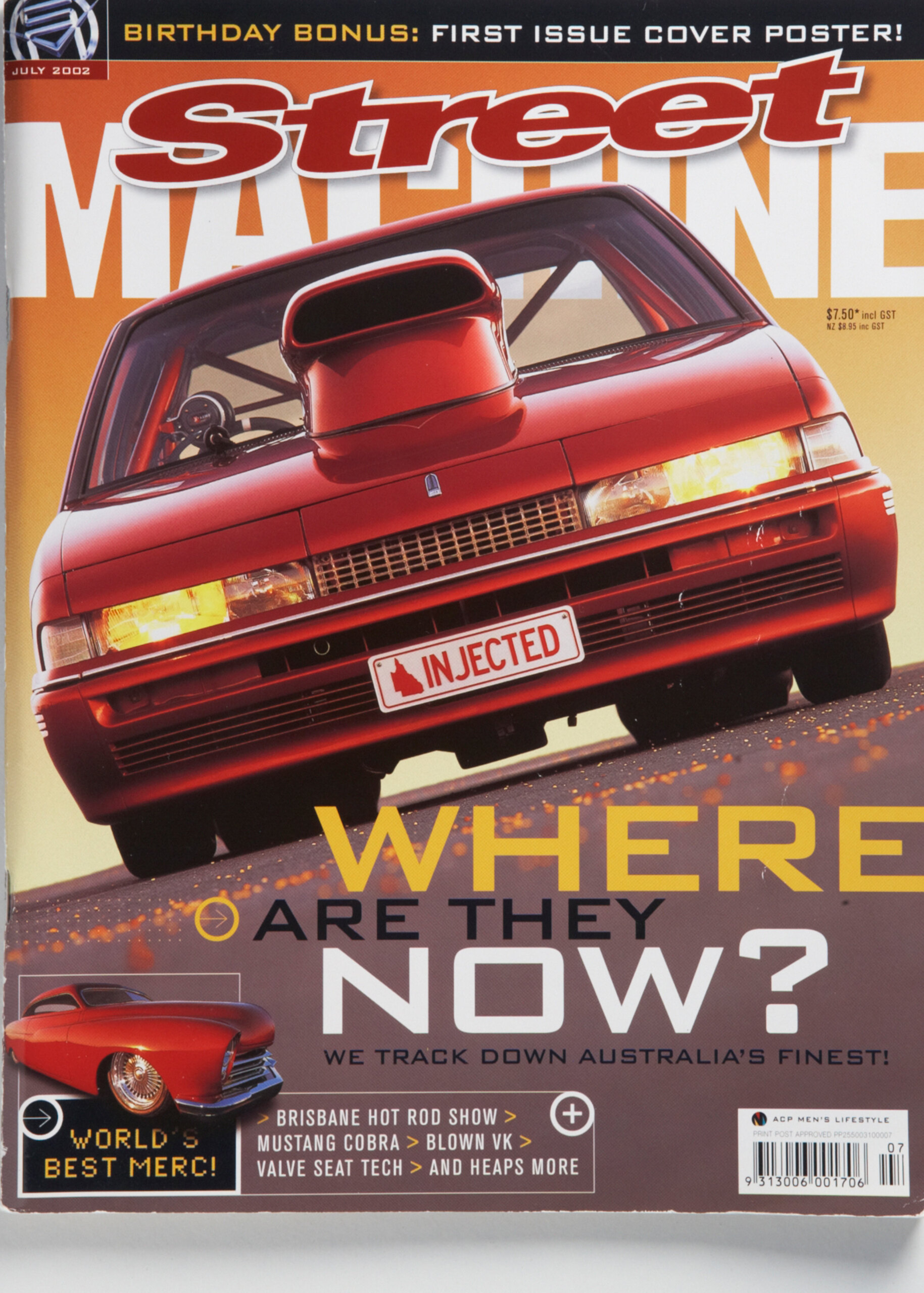
INJECTED
Rob Beauchamp’s Calais set the bar for pro street builds in Australia when it hit the scene in 1988. Built from a then-new crashed VL Calais, it scored a Weldwell Engineering tube frame and funny car-style ’cage, plus an injected 302 SBC and detailing out the wazoo.


Debuting in dark grey, Rob’s Calais scored Top Street Machine Overall at Summernats 1 and 2, before it was updated to the familiar PPG Grape hue following a racing crash. It then went on to take out Grand Champion at Summernats 3, cementing Rob Beauchamp as a street machining legend.
JB0308
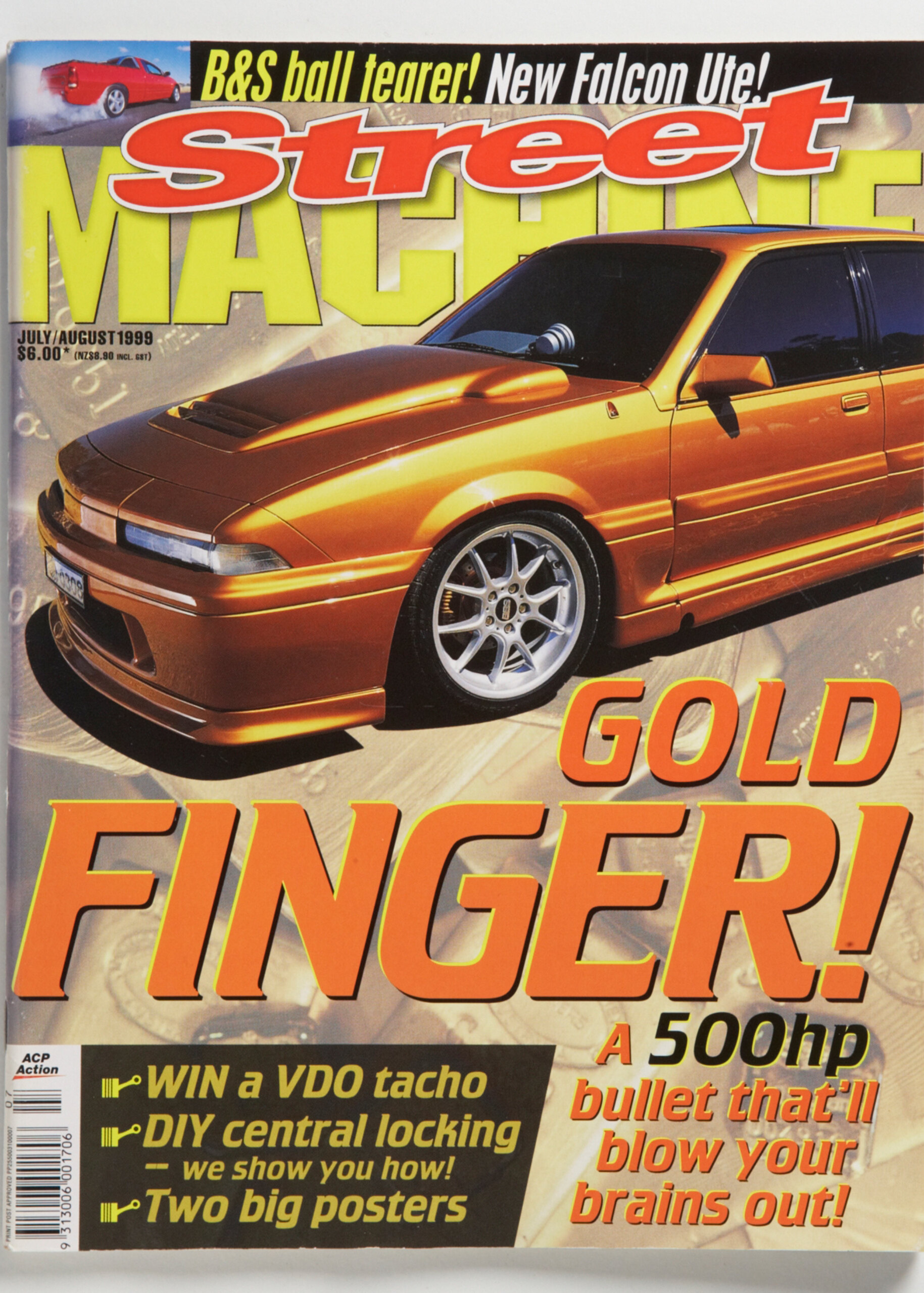
In the late 90s, VLs were often derided by old-school street machiners as ‘late-model junk’, but Jeff Briffa’s Saffron Gold Calais helped sway opinions that VLs could indeed be street machines.
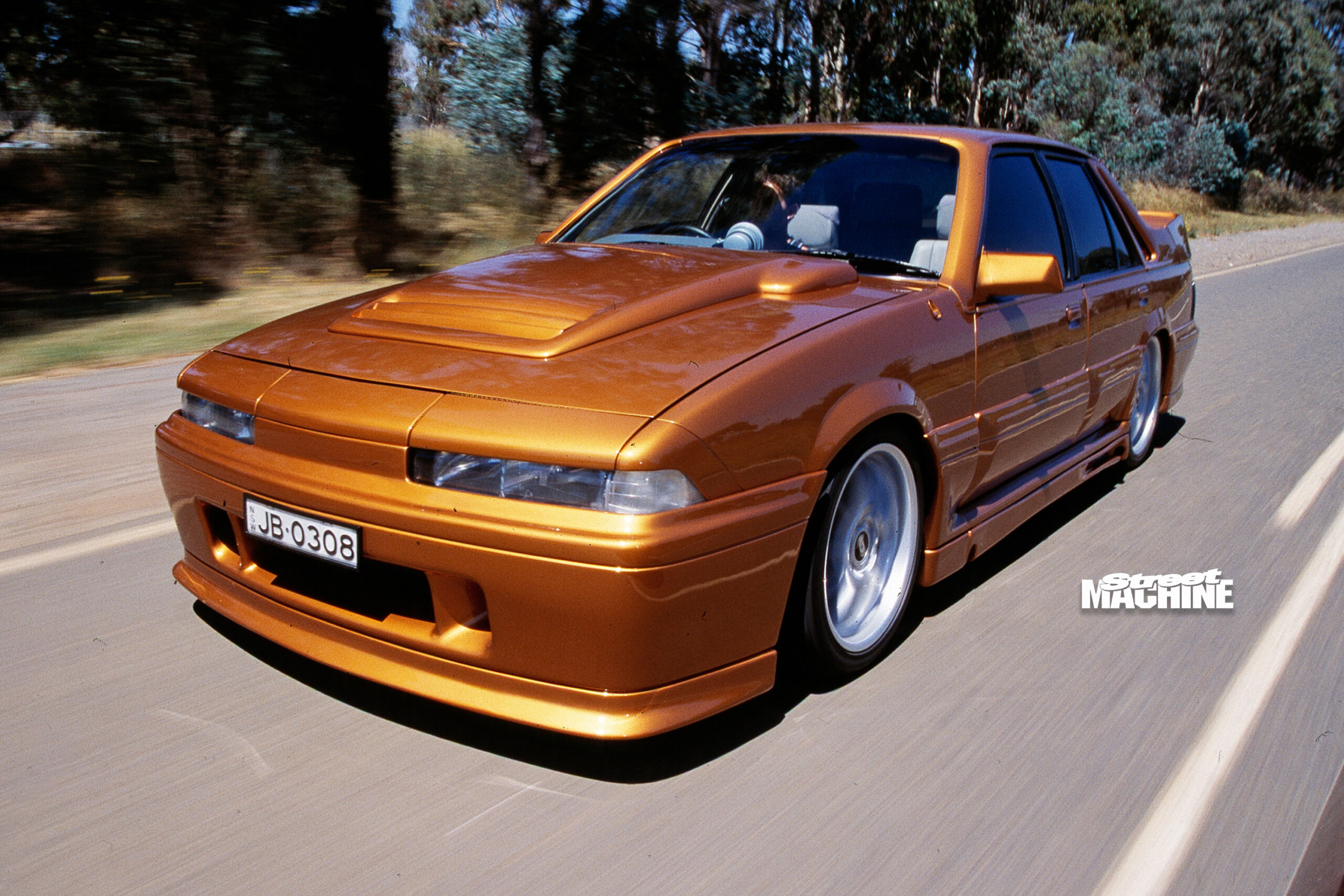
Featured on the cover of Street Machine’s July-August ’99 issue, the VL cut a striking figure thanks to Jeff’s eye for detail, as it was finished to a show-winning level with the Walky kit fitting tighter than HSV ever got it from new.
A 500rwhp, ProFlo-built 355 stroker wearing a twin-throttle manifold and aftermarket ECU meant it wasn’t just a glamourpuss, while the 18in BBS wheels were also ahead of their time
HSVSS 2.0
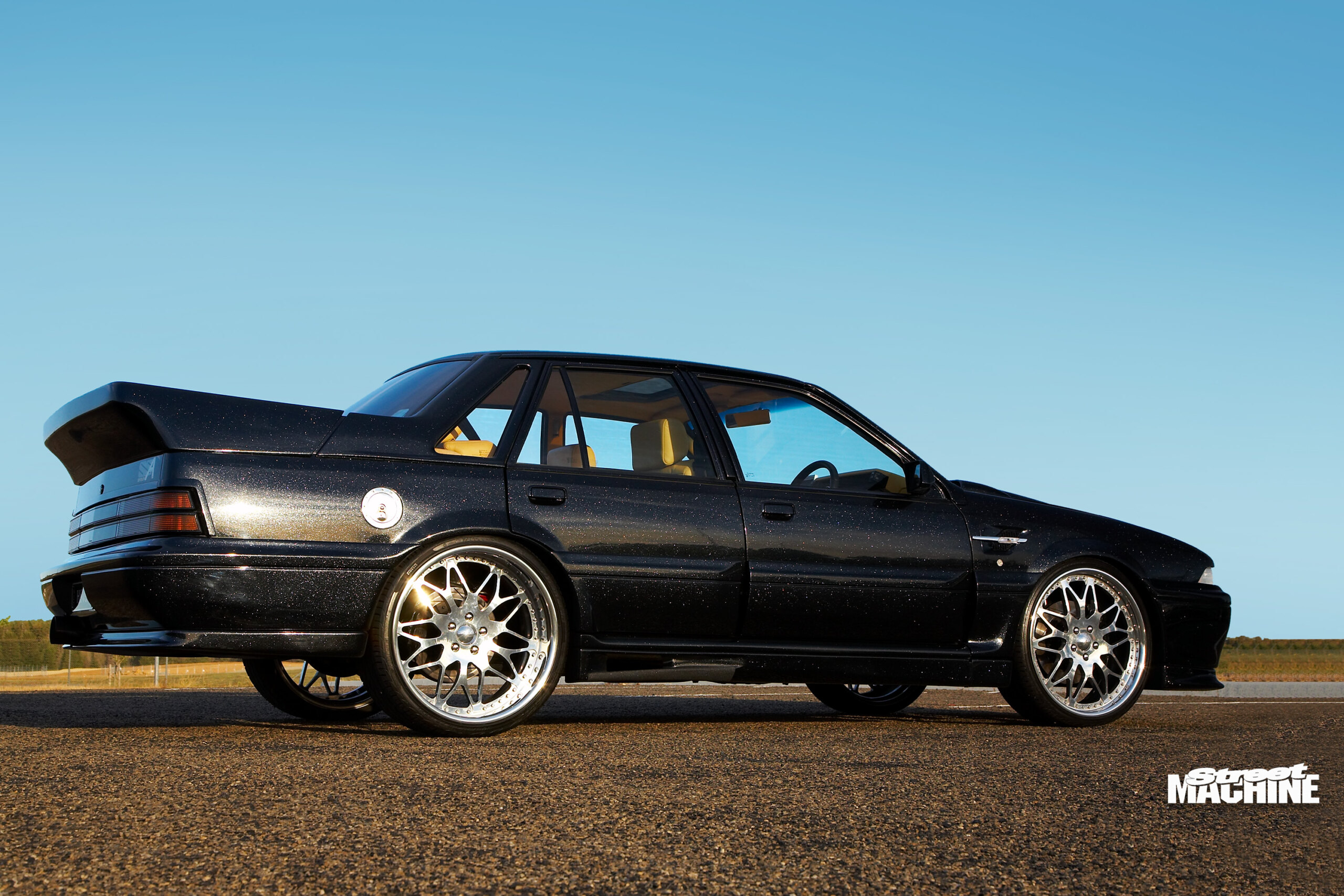
Steve Santos blew minds when he acquired Anthony Fabris’s iconic VL Walkinshaw and radically revamped it (SM, Jul ’06).
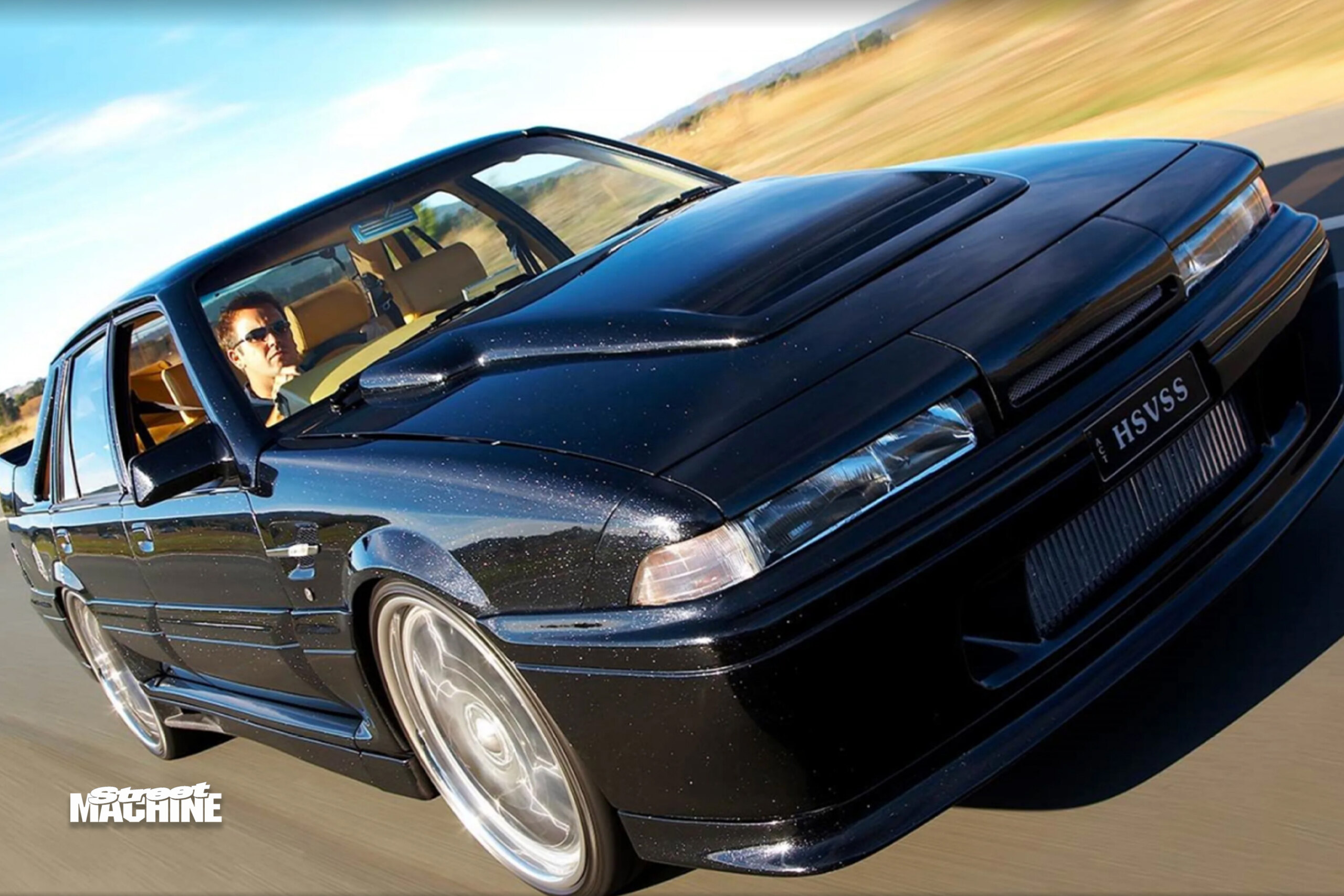
Steve’s incarnation featured heavily flaked House of Kolor Ice Pearl paint, 22in Intro wheels and a leather-trimmed interior, but the big talking point was the twin turbos added by the ACT’s own Horsepower Heroes legend, Jake Edwards.
With the two GT3540 Garretts on board, the Walky made consistent 868rwhp pulls at Summernats 19.
RAJAB CALAIS
Alan and Albert Rajab bought their first VL to build into a race car way back in 1995, and their Rajab Racing Developments workshop quickly became one of the key RB performance shops in Australia.
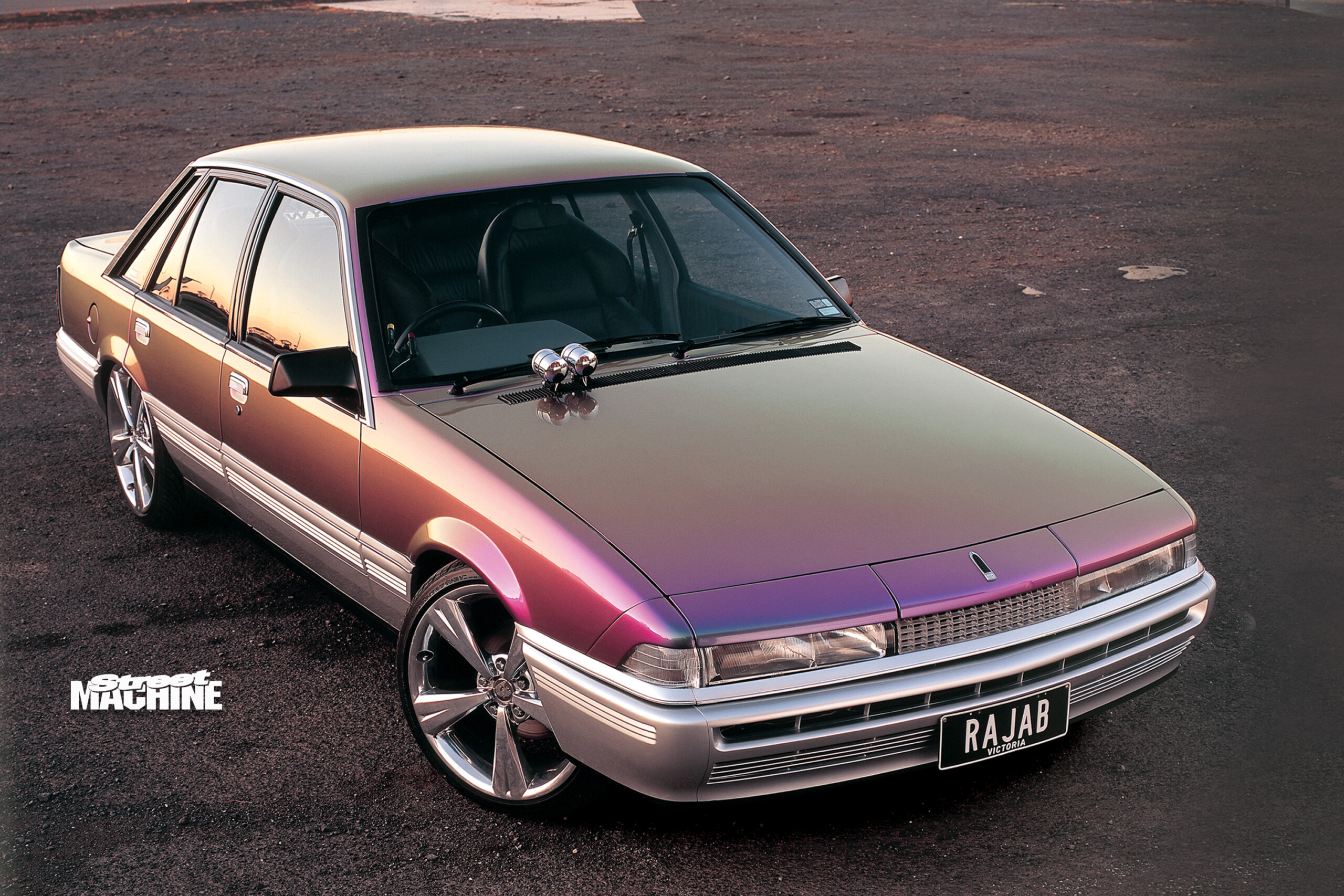
The Rajabs built some wild BT1s, including EVAQ8 and DEDLY6, but their Harlequin-coloured, big-tyre, 3.0L RB-powered VL Calais is an icon of early-2000s tuning, running as quick as 8.70@155mph.
It disappeared off the scene for years before resurfacing in a semi-complete state in 2020, with a twin-turbo LS and tube-frame chassis.
PLATNM
Danny Bresciani from Melbourne’s Bresciani Racing built some of the most iconic RB-powered VL street cars in the scene in the late 90s and early 2000s, including the PANNIC BT1, which ran 8.97@154mph back in 2004.
His gold VL Calais, PLATNM, was on another level again, sporting all the big-power, turbo single-cam RB goodness Bresciani Racing was known for, but finished like a top show car, with polished details and a shaved engine bay.
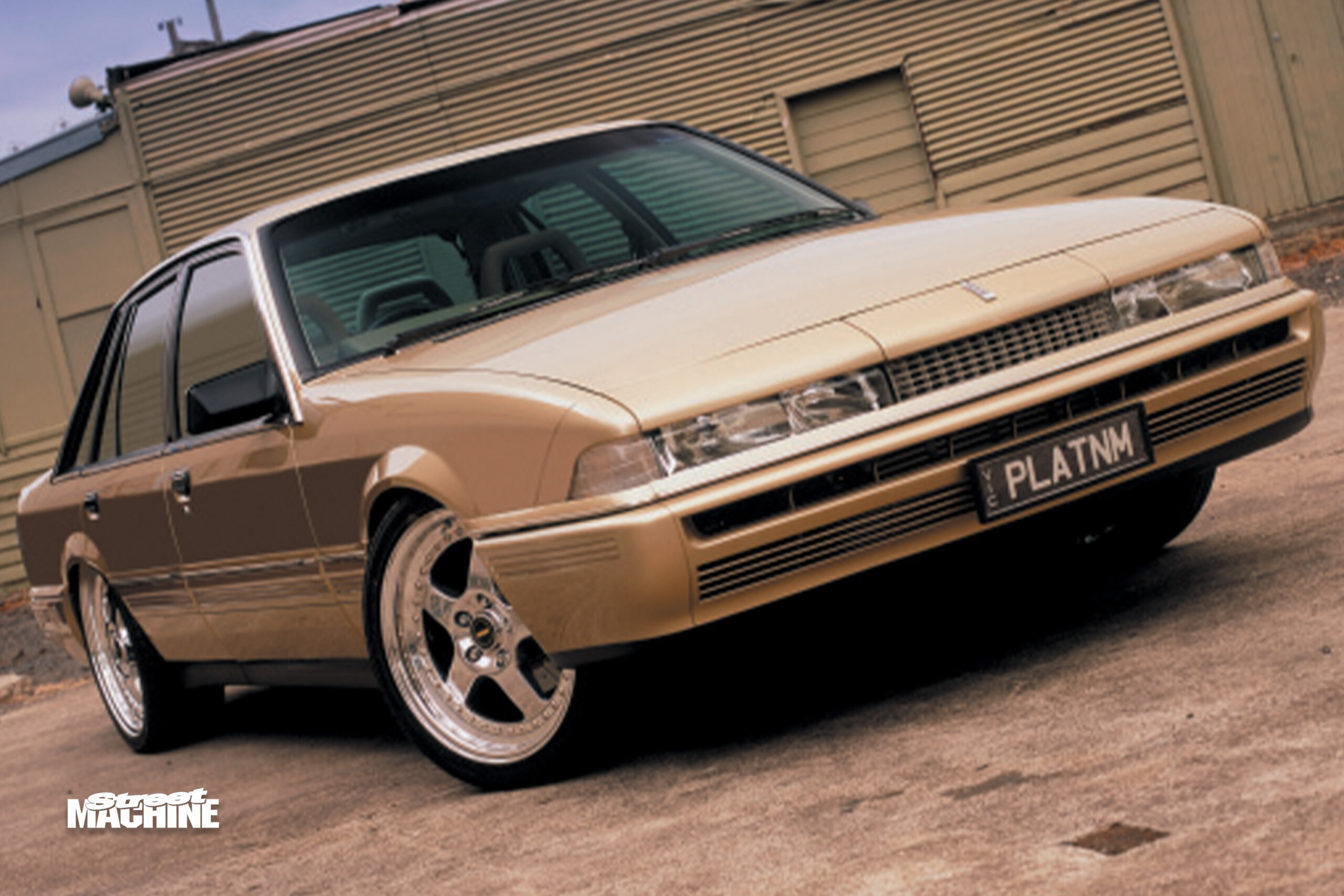
PLATNM was no slouch either, with the 10.18@127mph it ran at Heathcote in 2006 putting it among the top 10 quickest VL street cars in Australia at that time.
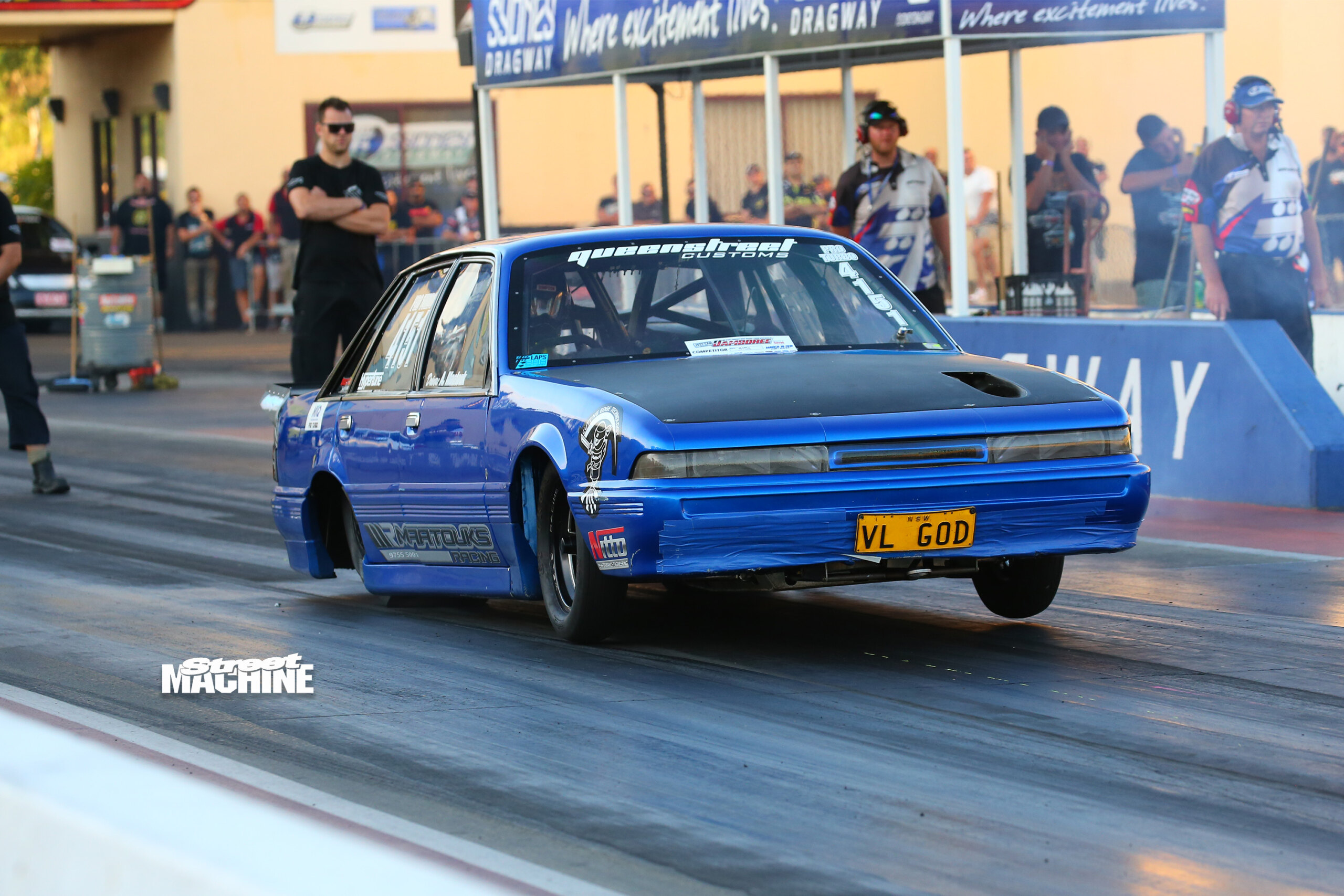
VL GOD
Anthony Maatouk of Maatouks Racing is among the world’s best when it comes to making RB-powered rides go otherworldly-fast. Among a laundry list of 2000hp and 3000hp 6sec Nissan Skylines he’s built at his shop, his VL drag car dubbed VL GOD was a stand-out, and recently capped off its long career by running a stonking 5.98sec pass at 231mph.
FSTHDT
Matt Smoors’s blown LS-powered VK, FSTGMH, is an 8sec street car (SM LSX Tuner #1, 2014), but he wanted more, so he built FSTHDT as a ground-up project to run huge numbers and take on drag-and-drive events.
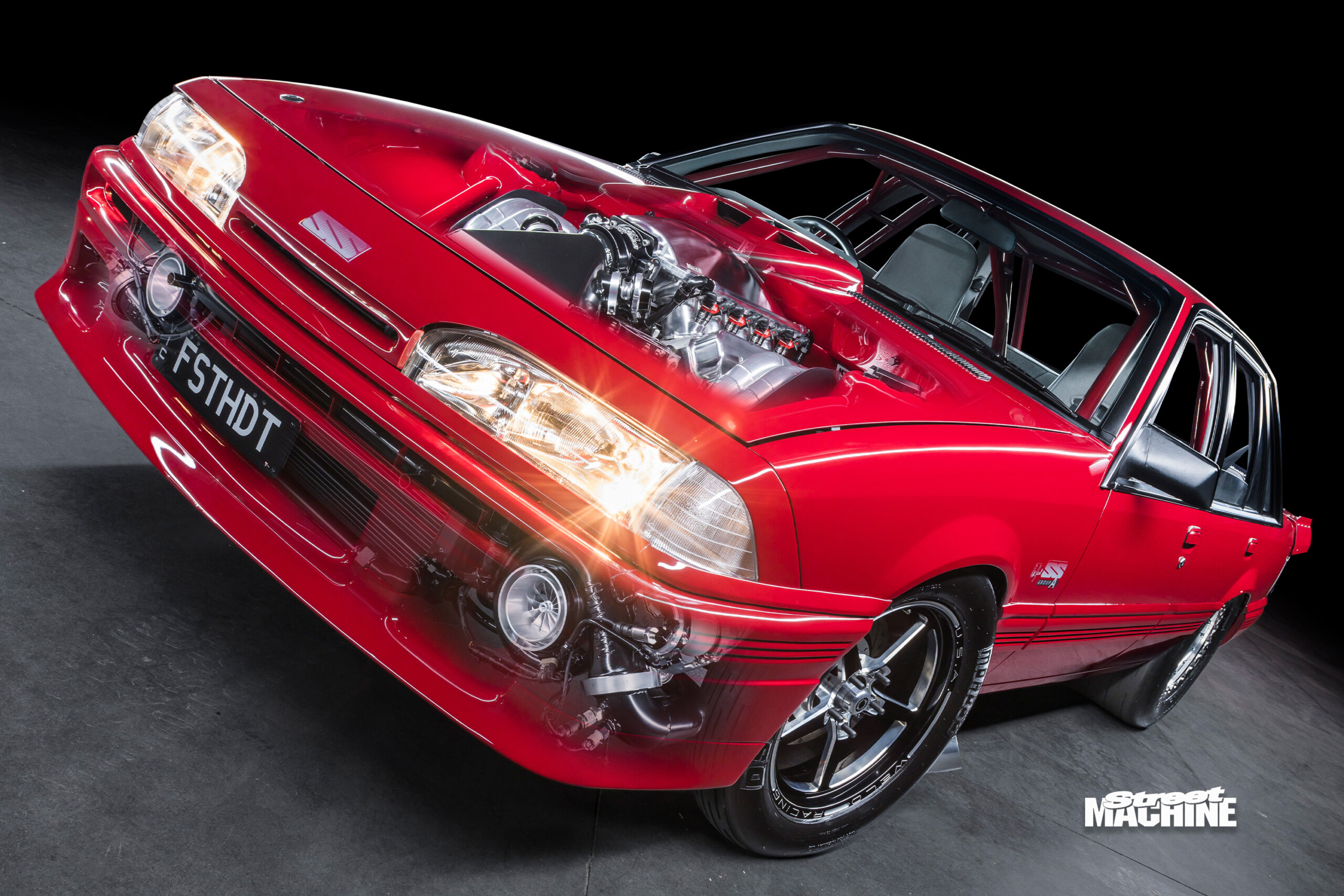
ACE Racing Engines in California provided the 2500hp, methanol-ready, twin-turbo 388ci LS sitting in the tube front end, while the shell is an accurate replica of the Group A HDT VL and the interior trim riffs on the original HDT Herringbone grey.
After wowing crowds on debut at Summernats 37 and making the cover of the May ’25 issue of SM, the VL has since run a 7.65@173mph pass, proving there’s heaps of meat left on the bone.
SICKEST
With his famous SICKO Monaro stuck in build limbo, Billy Shelton decided to turn a 90,000km VL Calais into a street-and-strip thrasher with his mate Paul Butler from PB Automotive.
What started off as a simple turbo LS streeter soon got taken way over the top as Billy’s infamous OCD kicked in. SICKEST soon had a 1000rwhp LS, mini-tubs, a Spot On Performance tube front end, smoothed panelwork, and custom Sicko Red paint.
After starring on the Street Machine August 2021 cover, SICKEST took out the 2021 Red CentreNATS Grand Champion and 2023 Rockynats Grand Champion gongs, and then cracked out a 7.98@173mph later in 2023 to achieve Billy’s 7sec street car goal.


ITSWAR
Steve Sterjovski’s VL Calais Turbo (SM Yearbook 2020) brought a heavy dose of Sydney street scene to Summernats 33 when it re-emerged following an epic rebuild. Steve had owned the Calais Turbo since 2000, with the single-cam RB evolving into a forged 3.2L RB26/30 twin-cam set-up boasting a dry sump system that pushed the 94mm Pro Mod turbo out the bonnet.
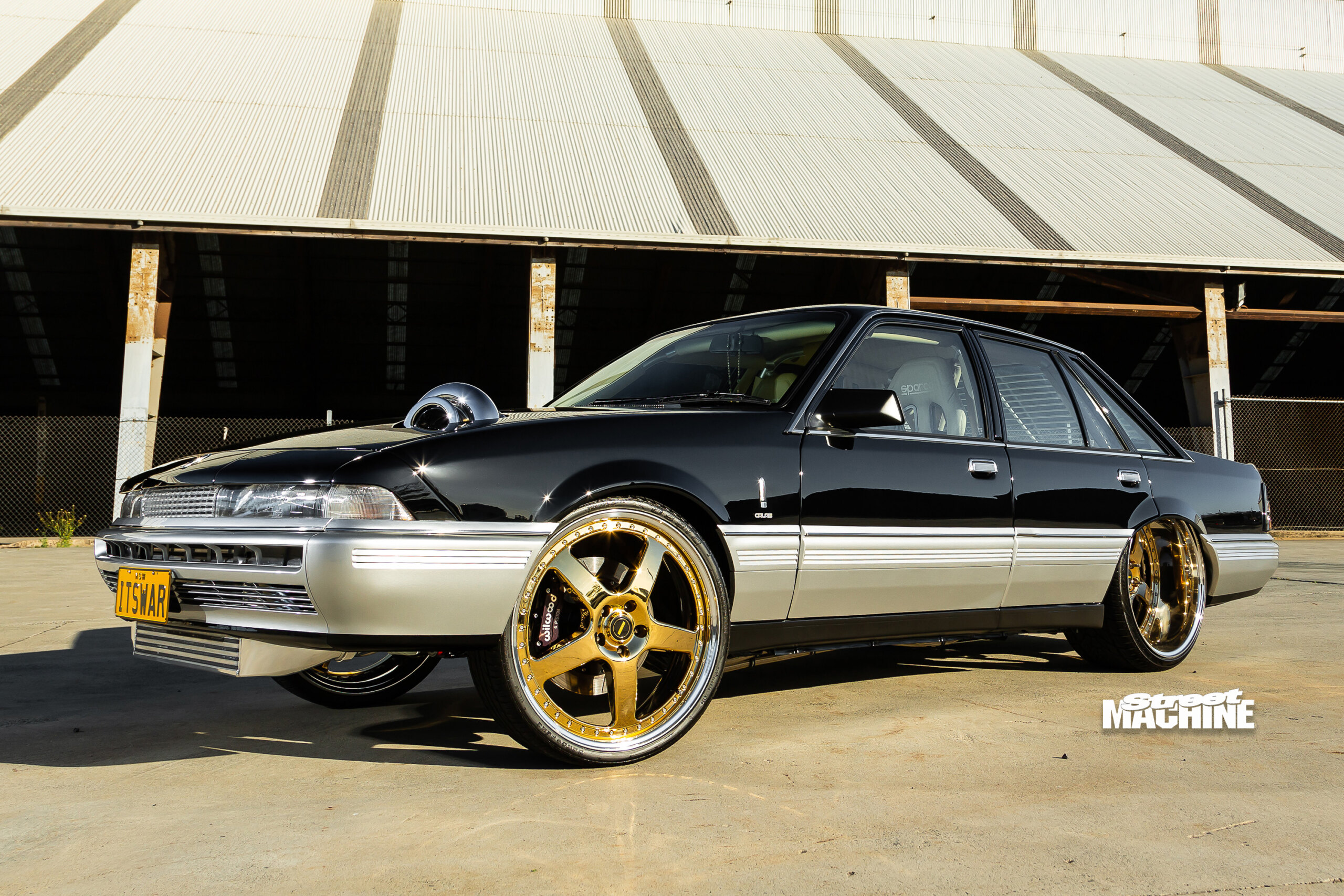
The black paint is contrasted by the bone leather trim in the custom interior, which sports a custom dash, rollcage and two-seater layout thanks to the 22x13in polished, gold Simmons FR wheels out back.
The super-clean build landed in the Top 60 at ’Nats 33, but it’s not just a pretty face, making 720rwhp on wastegate pressure for the run-in tune alone.
XHDTX
Nathan Borg’s immaculate HDT LE (SM LSX Tuner #8, 2018) blurred street car, show car and drag car into one incredibly clean package.
Starting with a genuine, mint-condition RB30ET HDT LE, the former Summernats Grand Champion sent it to MPW Performance in Melbourne to be reborn with a 440-cube, twin-turbo LS, McDonald Brothers front end, and 275 radials under the back.
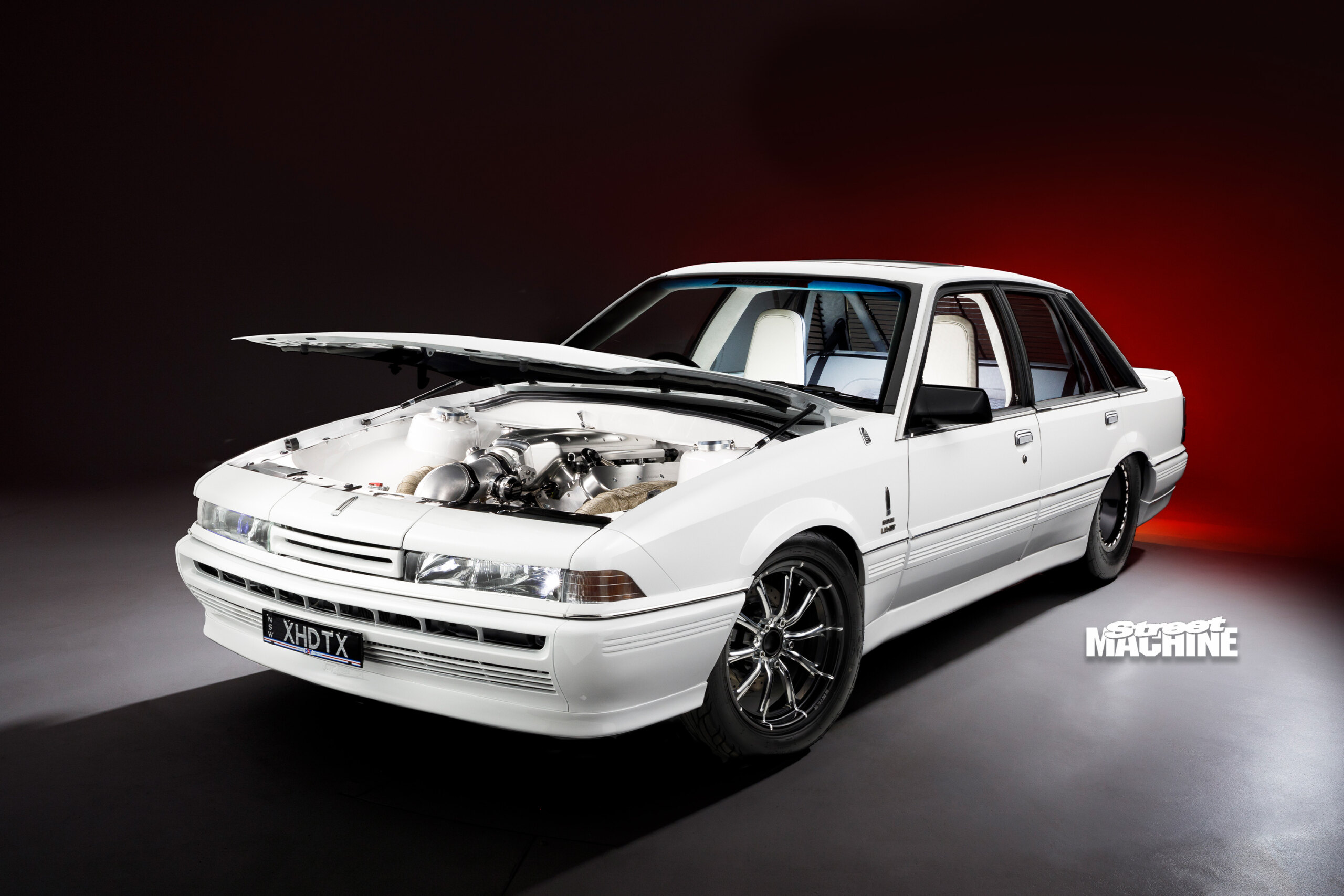
The smoothed panelwork and LE-inspired interior by Blackneedle Automotive Upholstery wowed crowds at MotorEx 2018, before Nathan put it to work. It made 1400rwhp on mid-spec boost, and ended up running just hundredths shy of a seven-second pass.
Comments