Forget the naysayers – the mighty V8 ain’t dead and buried just yet. Despite the onslaught of electric cars, Ford, GM and Chrysler have all been busy building epic performance petrol V8s that are perfect for street machiners looking to build grunty, tar-burning monsters well into the future.
Let’s take a look at some of the latest hi-po hardware coming out of Detroit.
First published in the June 2026 issue of Street Machine
GENERAL MOTORS GEN VI SMALL-BLOCK
The return of the 409!
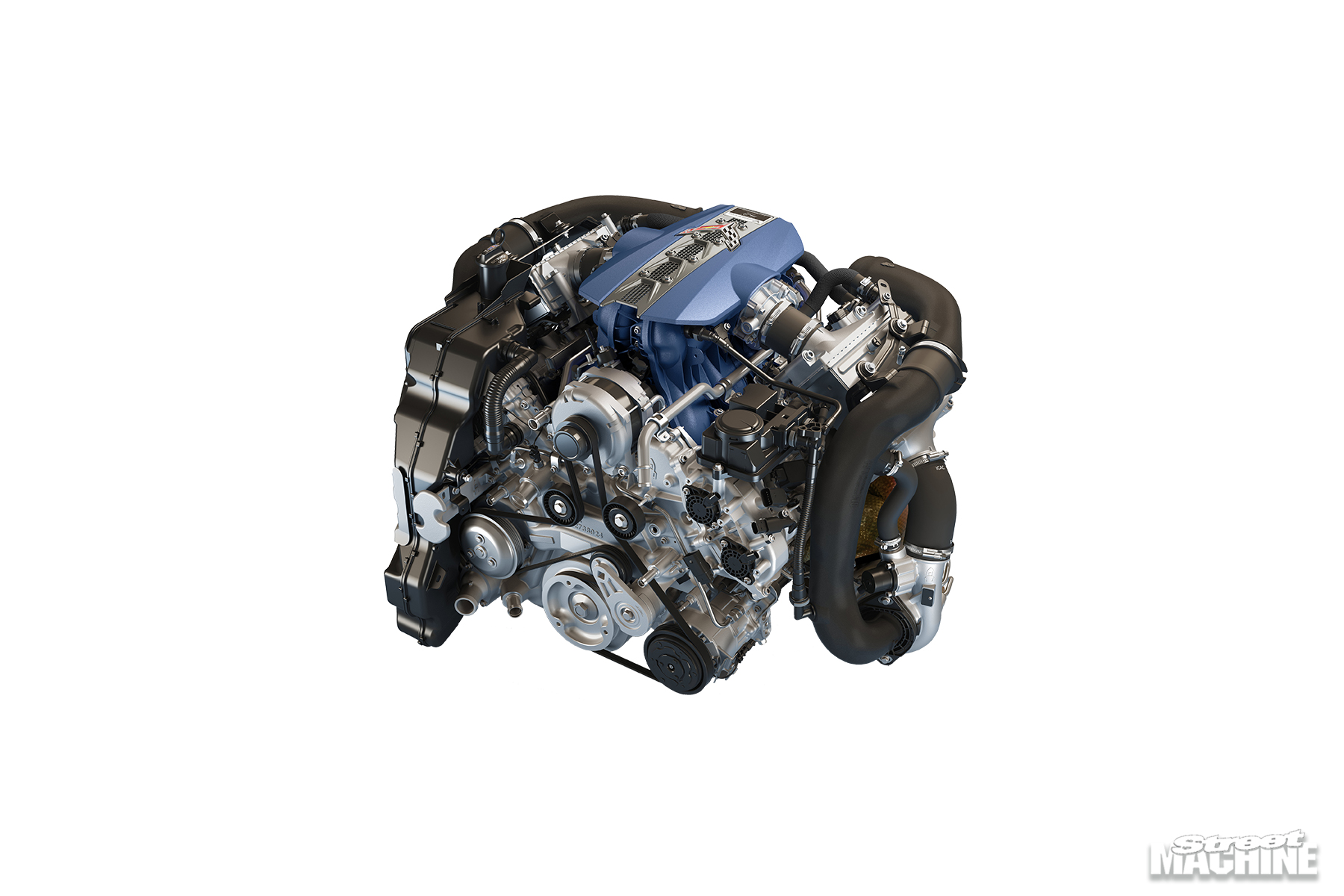
The long, proud history of the Chevrolet small-block is about to enter its next chapter with the Gen VI line. The first of these, destined for the 2027 Corvette, is coded LS6, and sees the return of the famous 409ci capacity for the first time since 1965.
Based off the Gen V LT2, the Gen VI LS6 spans a 103.25mm (4.065in) bore and 100mm (3.94in) stroke in an aluminium block, with the same 4.4in bore space that’s been used in all Chevy small-blocks through the years.
Tapping out at 6.7 litres, it’s Chevy’s first 409-cube V8 in more than 60 years, following on from those iconic, 409 big-block Impalas of the early 60s that The Beach Boys sang about.
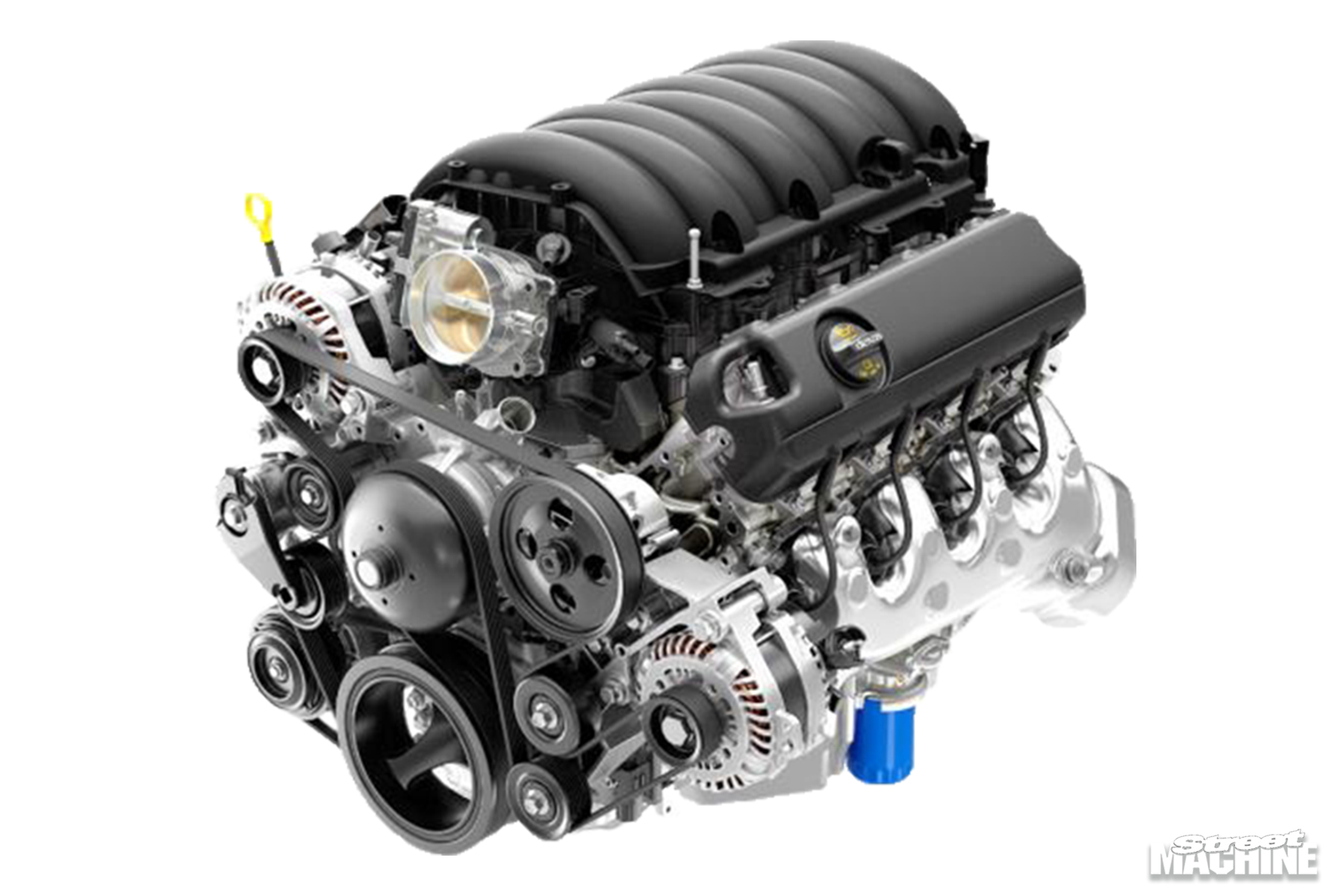
GM released its new-age, iron-block truck motor in 2021 as part of the Gen V (or LT) range. Coded L8T, it features a 9.240in deck height, 4.4in bore spacing, 4.065in bore and 3.86in stroke for a 6.6L (401ci) capacity. The 401hp rating might seem a bit weak compared to other mills here, but 10.8:1 comp and forged steel crank and rods mean the L8T can be a boost-ready bargain, and should be in production well past 2027
The 2027 version is no pooch, either, making a claimed 535hp (398.9kW) and 520lb-ft (705Nm). Producing 80hp per litre required good fruit like forged steel pistons, rods and crank, rocking a wild 13:1 compression ratio. It all makes for a 40hp jump over the outgoing LT2 while still nailing modern emissions restrictions.
To cope with the high-comp, high-revving, high-output loads a mid-engined Corvette will demand, GM also added a secondary oil feed to the crankshaft to combat oil starvation. The Corvette-spec LS6 also features dry sump lubrication, as found on the Gen V LT2, and GM has fitted a new, faster, more powerful ECU.
An Achilles’ heel of direct injection-fuelled Gen V V8s has been carbon build-up on the back of the intake valves, as the lack of port EFI means there’s no fuel wash to clean the area. With gummed-up intake valves not operating properly through their stroke, it forces load onto lifters and lifter cups, and Gen V engines have become notorious for catastrophic lifter failure
The LS6’s higher comp ratio compared to the LT2’s 11.5:1 necessitated two-piece cooling jackets in the head around the exhaust valves and sparkplugs. The alloy block also features casting updates and a new bolt pattern for the heads, making it unlikely we’ll be able to swap heads between this new sixth-gen block and those of earlier generations.
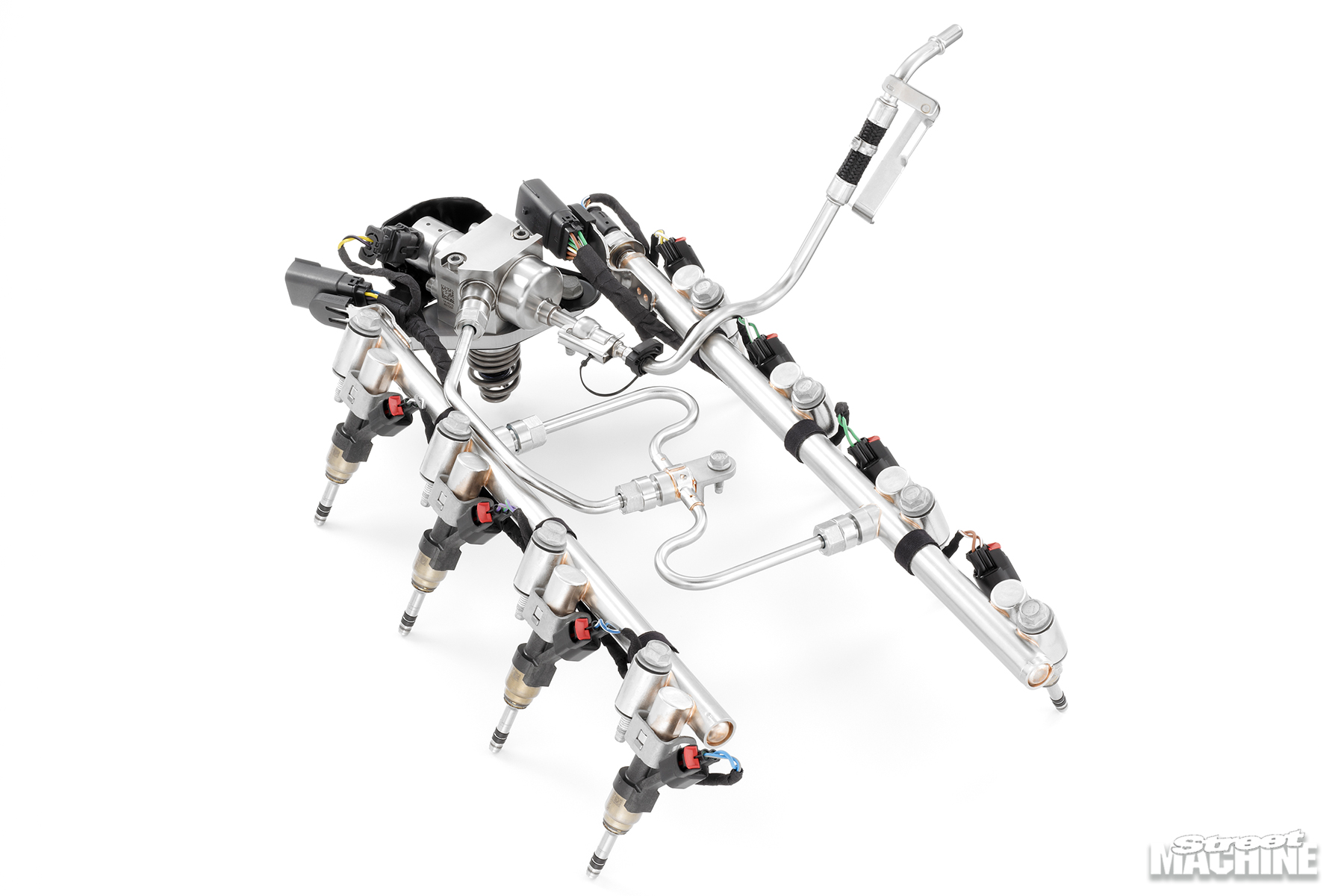
The LS6 features a dual-injection system, with direct injection (DI) boosted by port EFI. Unlike in traditional port-injection systems, GM has moved the squirters into the rocker covers so the fuel sprays directly down into the chamber, improving combustion.
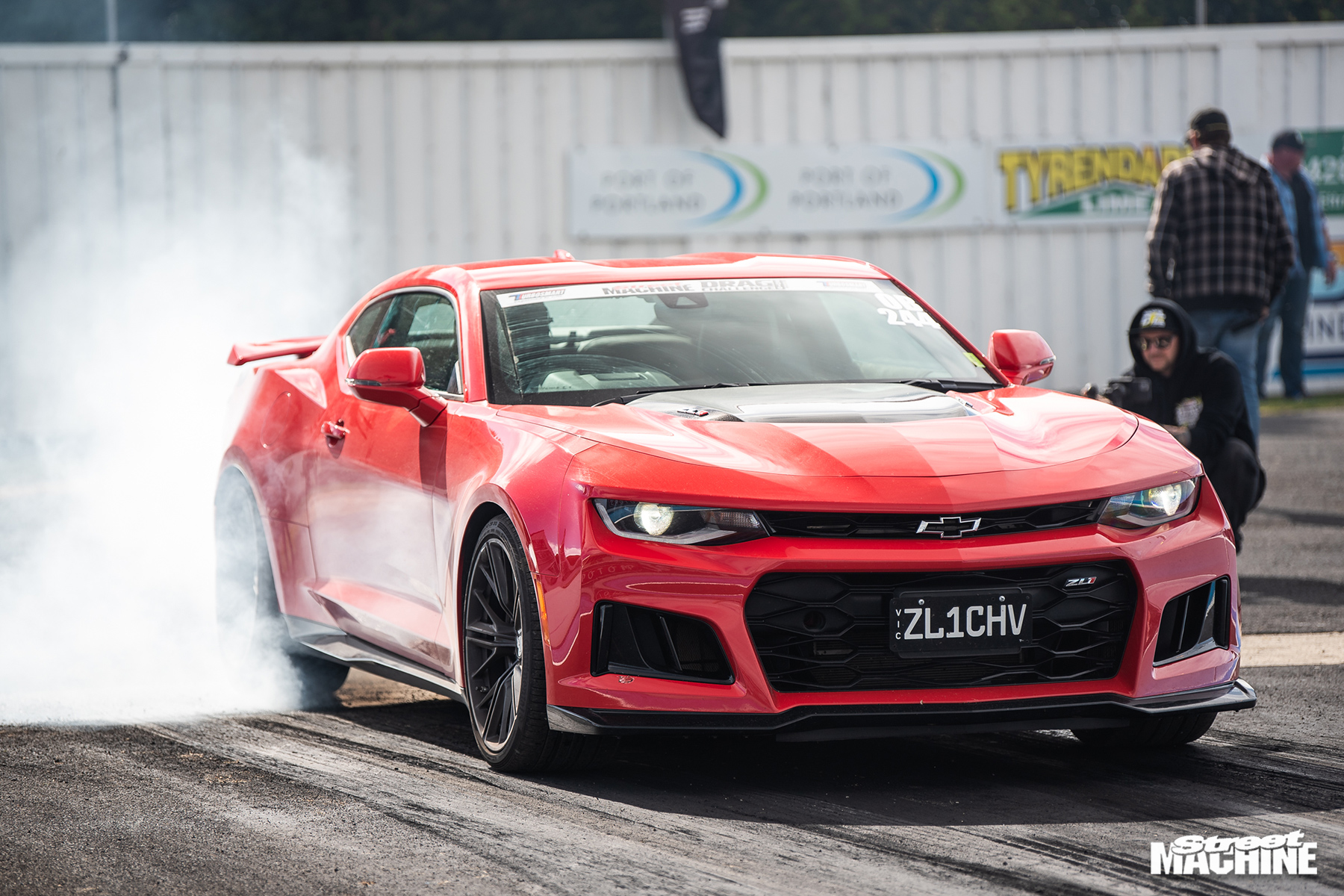
In April this year, GM announced that a new, seventh-generation Camaro will go into production in late 2027. Apart from the LHD-only Cadillac CT5-V Blackwing and C8 Corvette, GM doesn’t currently sell a performance V8 passenger car, but the new Camaro should offer a far more attainable entry point to a bent-eight GM sled
Air enters via a tunnel ram-style intake manifold with a 95mm drive-by-wire throttlebody, up from 87mm. Compared to the LT2, the Gen VI LS6’s intake plenum volume is down (11.5L versus 14.2L), and it uses smaller intake runners (130mm versus 220mm), both of which improve intake air velocity.
The LS6 is only the first of the Gen VI pushrod small-blocks that will power GM vehicles over the coming years, so expect to see other capacities and outputs from the company’s soon-to-be-launched 2027 pick-up range.
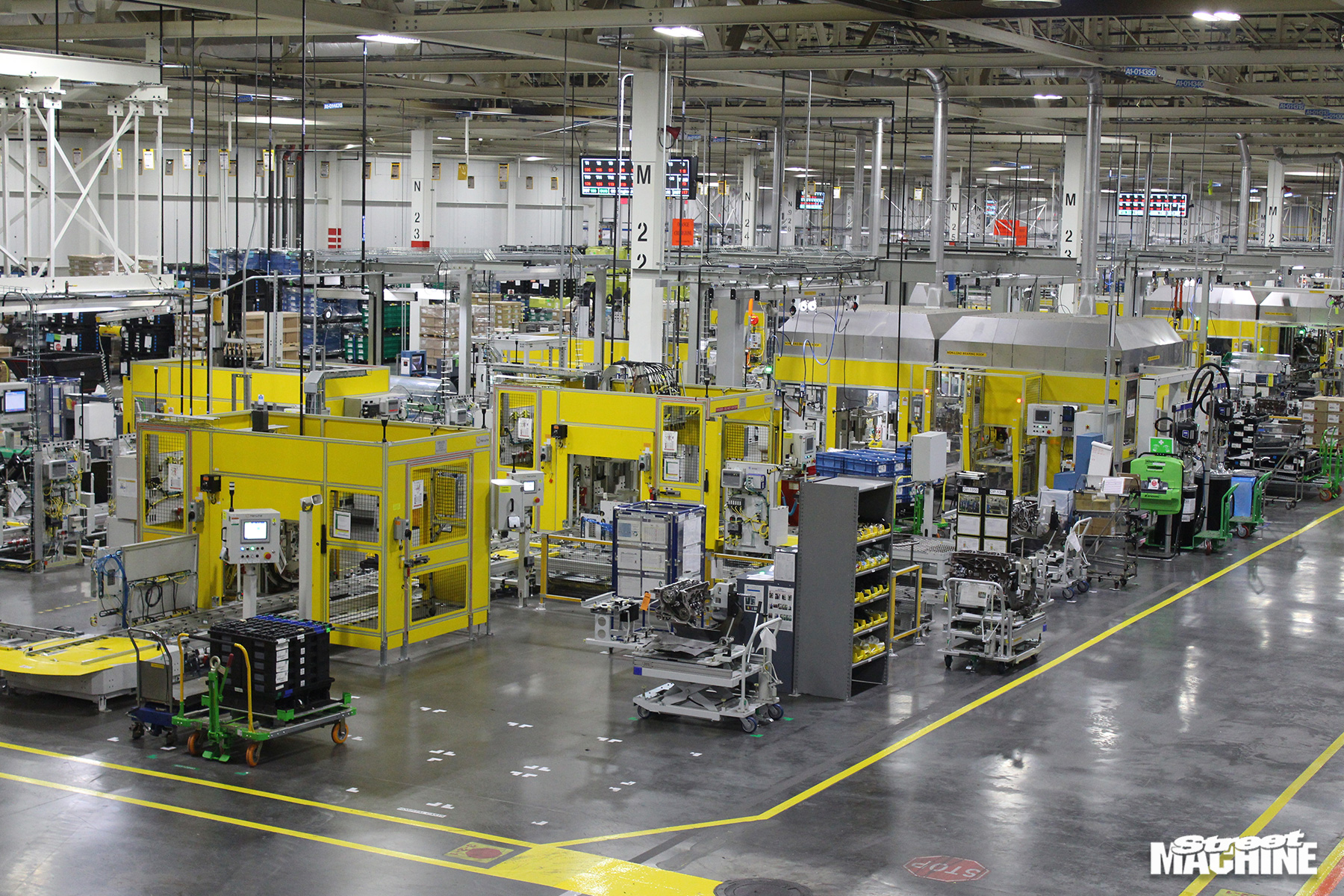
General Motors has committed over $1.7 billion dollars to developing its sixth-gen small-block V8, in addition to a further $1.4 billion dollars redeveloping its American plants to produce V8s into the future – a solid sign that the bent-eight is here to stay. The Gen VI LS6 will be built in Flint, Michigan
The Gen VI line will be sold alongside GM’s completely different, DOHC 5.5-litre Gemini engine platform, which debuted in 2023. These include the naturally aspirated LT6, which makes 670hp in the Z06 Corvette, and the twin-turbo LTZ, which produces 1064hp in the ZR1 ’Vette.
FORD PREDATOR & COYOTE
The Blue Oval’s evergreen cammers
Alongside the iron-block 7.3-litre Godzilla in its medium-duty pick-up trucks, Ford’s evergreen Modular passenger-car V8s continue to shine, with these alloy, overhead-cam mills having first hit the market back in 1990.
If you want a V8 Ford that isn’t a Mustang or commercial vehicle, we have some bad news for you. Ford dropped passenger cars from its US line-up in 2020, and even ditched the long-running Focus hatch in Europe after the 2025 model year. So, for fans of Blue Oval V8 performance, your best bet remains the two-door pony car
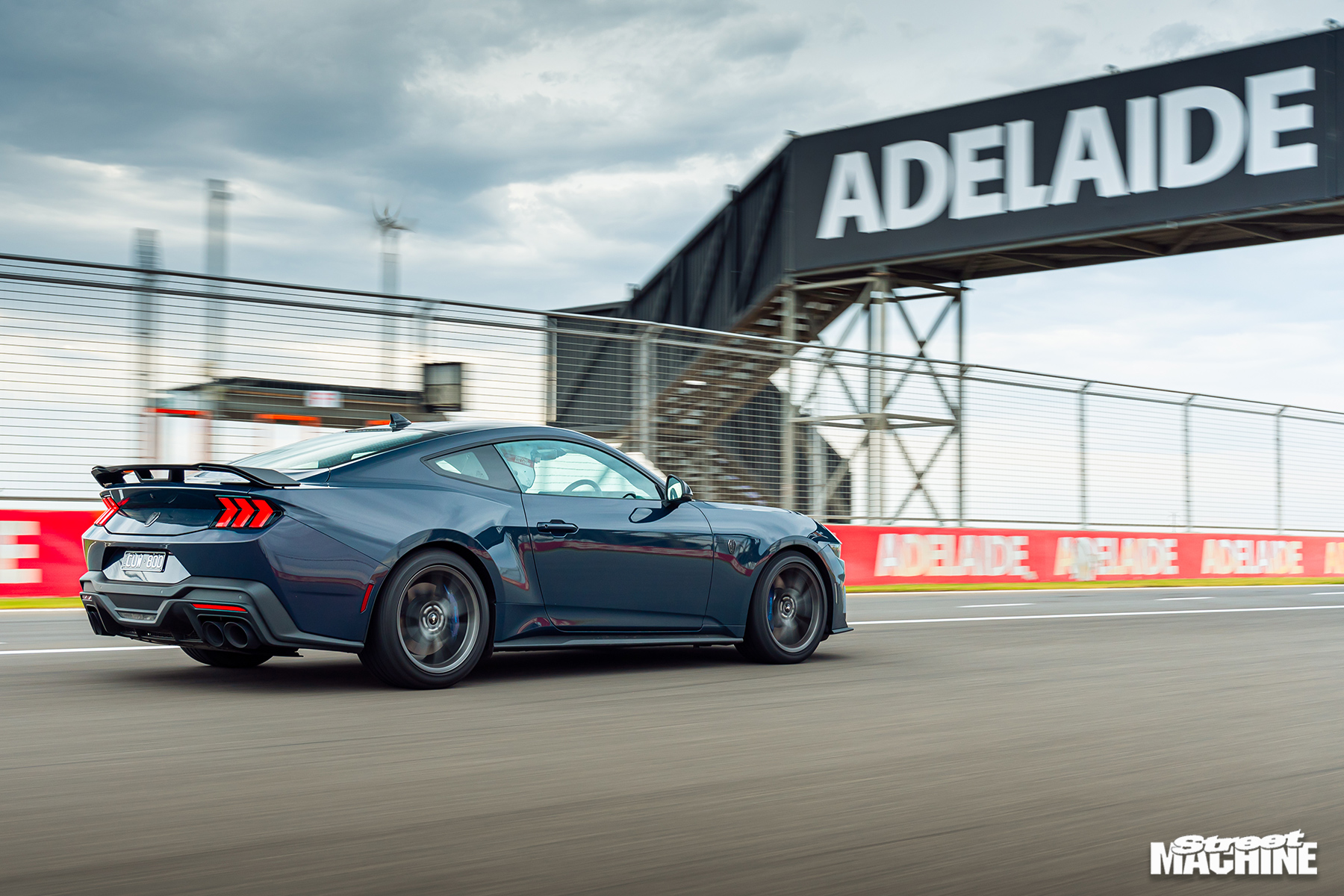
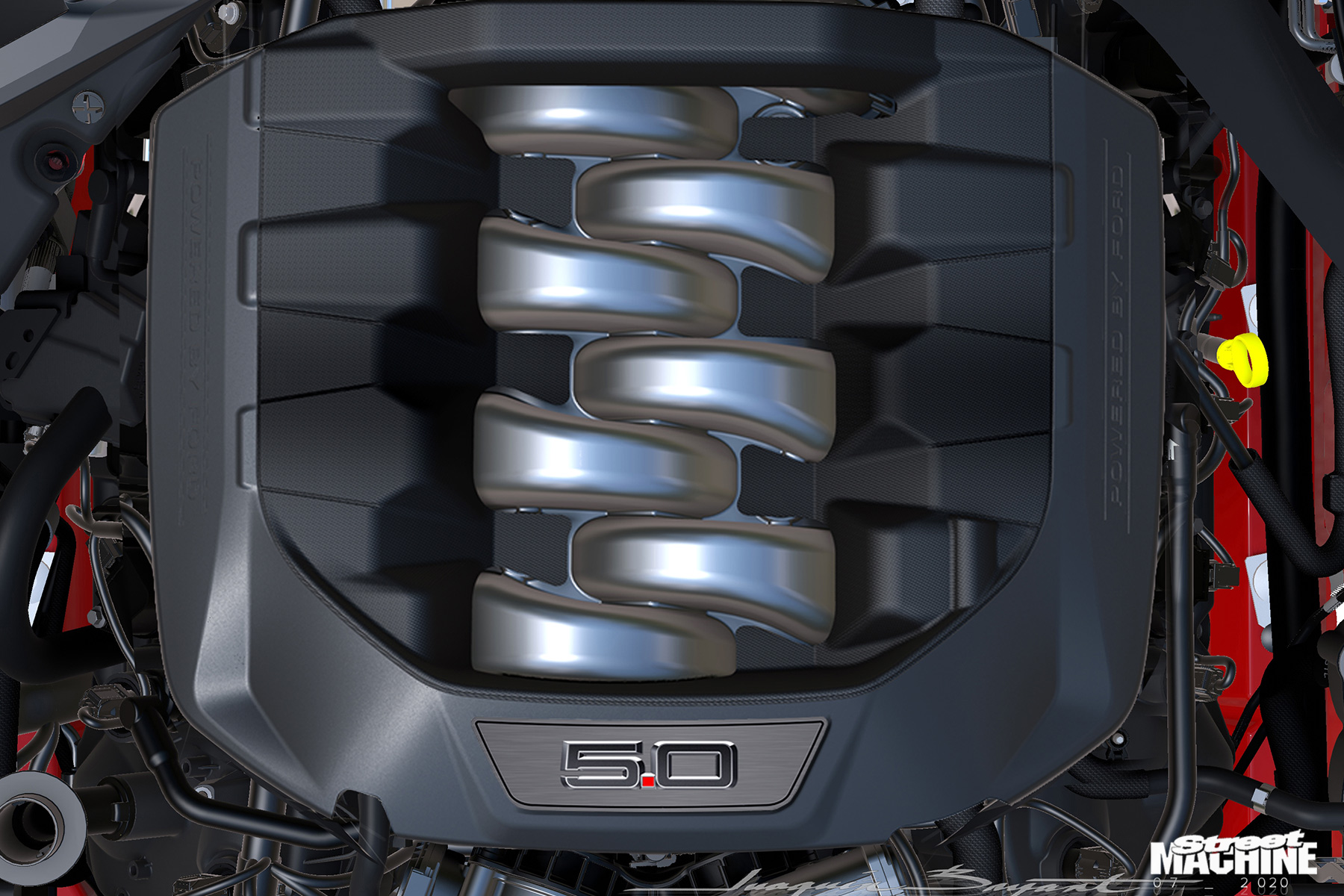
The quad-cam 5.0-litre Coyote certainly shows no signs of retiring soon; it spearheads the near-new S650 Mustang range, which is the seventh generation of Ford’s iconic pony car, launched in 2022. The fourth-gen Coyote used in the S650 retains the platform’s DOHC-per-bank layout with direct injection, but pumps the compression to a hearty 12:1 to squeeze out up to 486hp (362kW) in the US-spec GT model. It also boasts new twin air intakes and throttlebodies, and a redline of up to 7250rpm in US models.
For the Dark Horse model – designed to hark back to the Boss 302 models of yesteryear – Ford added forged rods and slugs, pushing power to 500hp (373kW), while torque remained at 418lb-ft (567Nm) and the redline at 7250rpm.
But better was still to come. The hardcore, range-topping GTD model boasts the supercharged 5.2-litre Predator quad-cam V8 from the previous-generation Shelby GT500. With a new dry sump system and some minor revisions, Ford screwed 815hp (608kW), 664lb-ft (900Nm) and 7650rpm out of the limited-edition, track-focused beast. Later in 2025, Ford launched a detuned 760hp (566kW) Predator variant in the Dark Horse SC model that replaces the GT500.
So far, we haven’t heard of anyone retrofitting the twin-throttle intake from the 2025 Gen 4 Coyote to earlier models. The aftermarket for Coyotes seems to favour earlier port-injected mills, hi-po crate offerings like the Ford Performance 5.2L Aluminator, or max-effort jobbies with custom intakes
The hand-assembled, all-aluminium Predator features a 93.98mm (3.7in) bore and 93.98mm (3.7in) stroke, with forged internals and 9.5:1 compression to handle the 14psi heat from the Eaton 2650 blower up top.
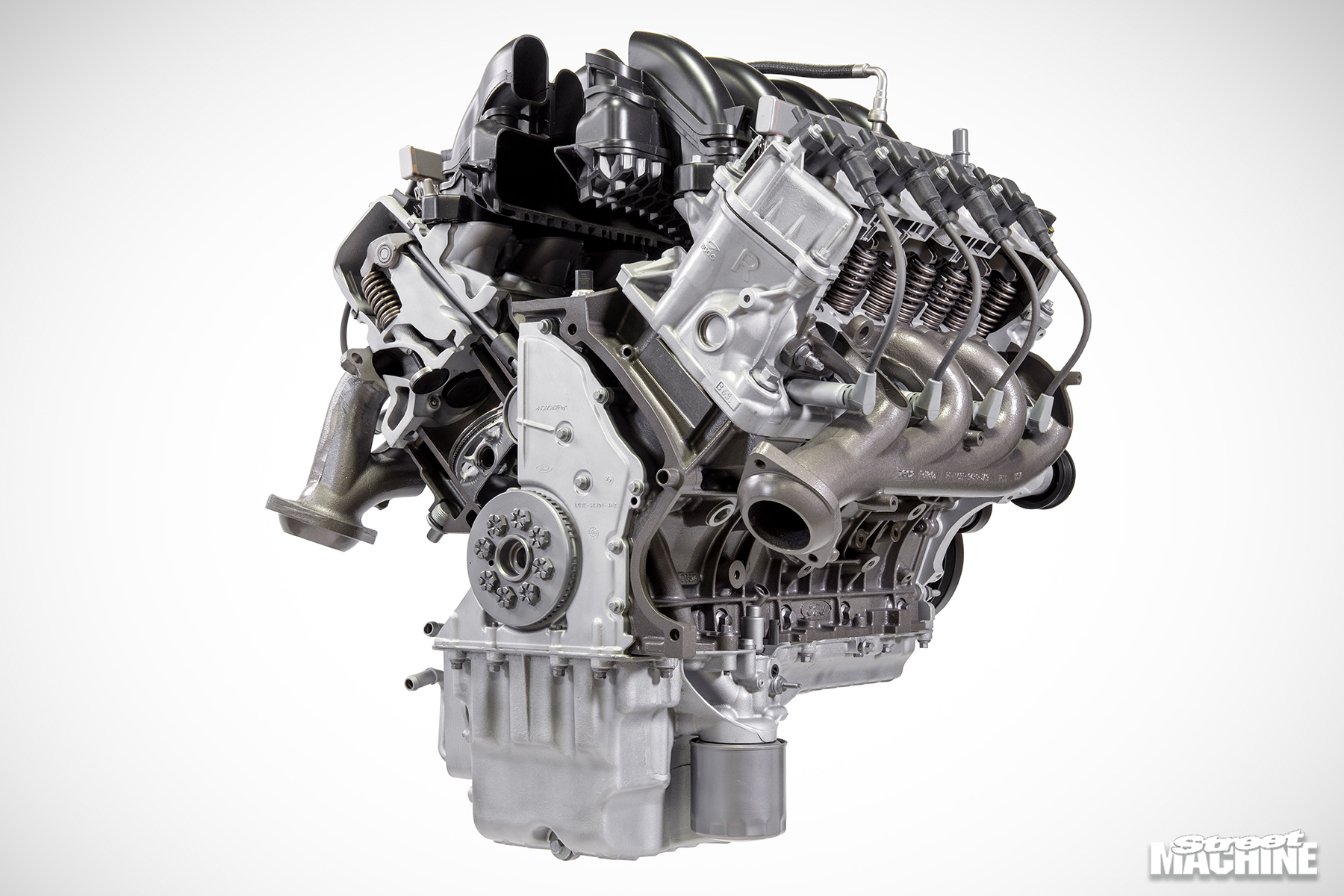
Ford has battled chronic lifter failures in its Godzilla V8s, even in stock-standard trim. Fortunately, aftermarket gurus quickly worked out that GM lifters from the vaunted 7.0L LS7 drop straight into FoMoCo’s truck V8. Cheap and readily available, they are a great upgrade to the Blue Oval 7.3
While all Mustang GTDs are spoken for, Ford has union agreements in place to build supercharged 5.2-litre V8s in this line until 2028. For those wanting a taste, the Ford Performance website lists a warranty-equipped, 760hp Predator crate motor, alongside an aspirated 5.2-litre Aluminator rated at 580hp (432kW) with 12:1 comp, Cobra Jet intake manifold and warranty.
Bill Ford, the Executive Chair of Ford Motor Company, is on record saying performance V8s are critical to the company’s future. He told journalists at the 2026 Australian Grand Prix that high-performance cars and trucks will form a core part of Ford’s business into the future
Ford also sells both the 480hp-spec (358kW), fourth-gen 5.0-litre Coyote and the older 420hp (313kW) single-throttle Coyote as crate motors, as well as traditional Windsor-based small-block Fords, and the 430hp (320kW), 7.3-litre Godzilla and 612hp (450kW) Megazilla iron-block truck motors.
Clearly, street machiners keen to build a fast Ford will be spoiled for choice for the foreseeable future.
CHRYSLER HEMI & HELLCAT
Is Chrysler about to resurrect the Hemi? DECEMBER 22, 2023 was a dark day for fans of V8 muscle cars, as that was when Chrysler pulled the plug on its storied third-gen Hemi V8. Tightening emissions regulations – and skyrocketing fines for breaching them – made the naturally aspirated Hemis and supercharged Hellcat engines uneconomical to produce. However, the catastrophic failure of the eighth-generation Dodge Charger, with its turbo six-cylinder and EV drivetrains, changed Mother Mopar’s mindset.
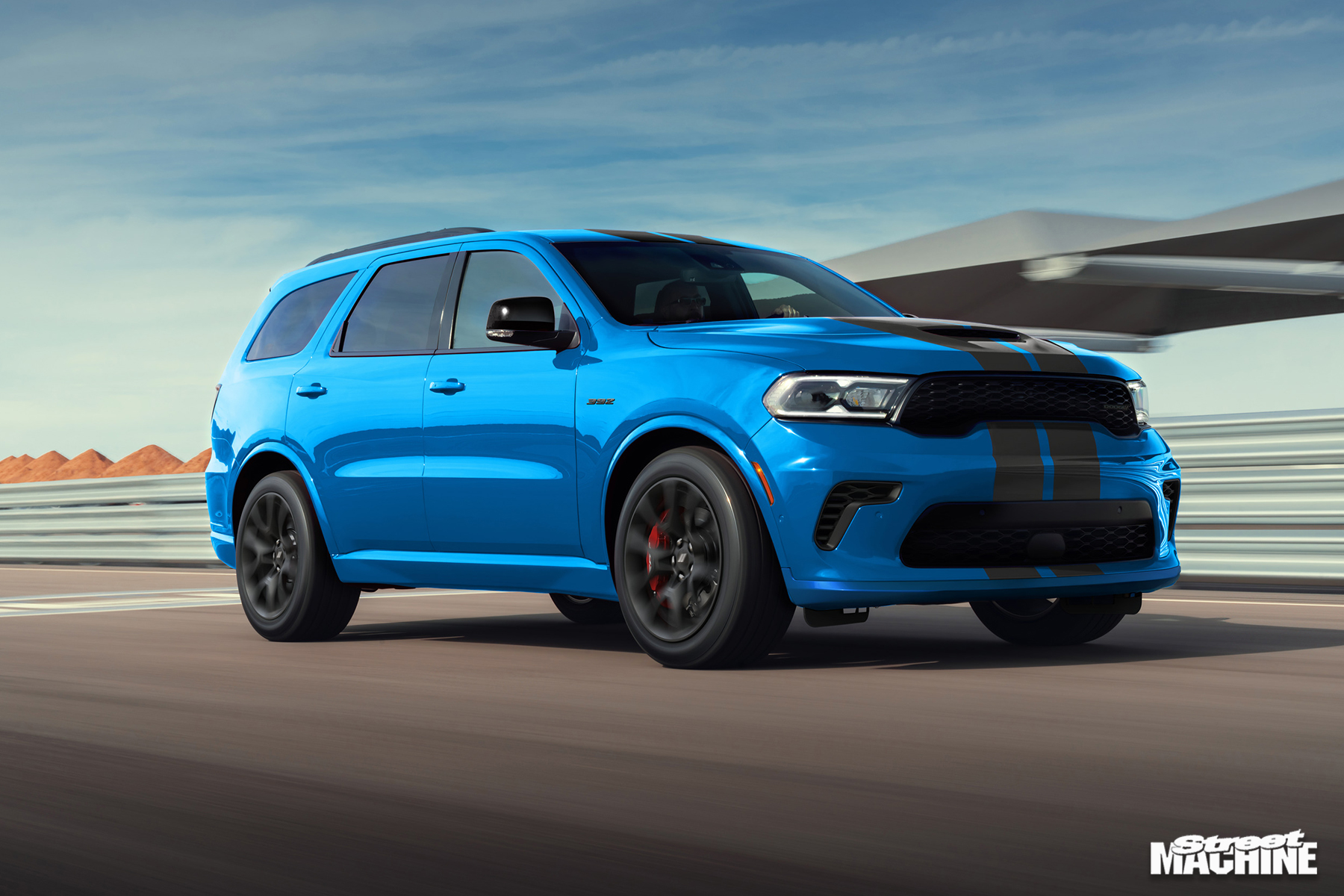
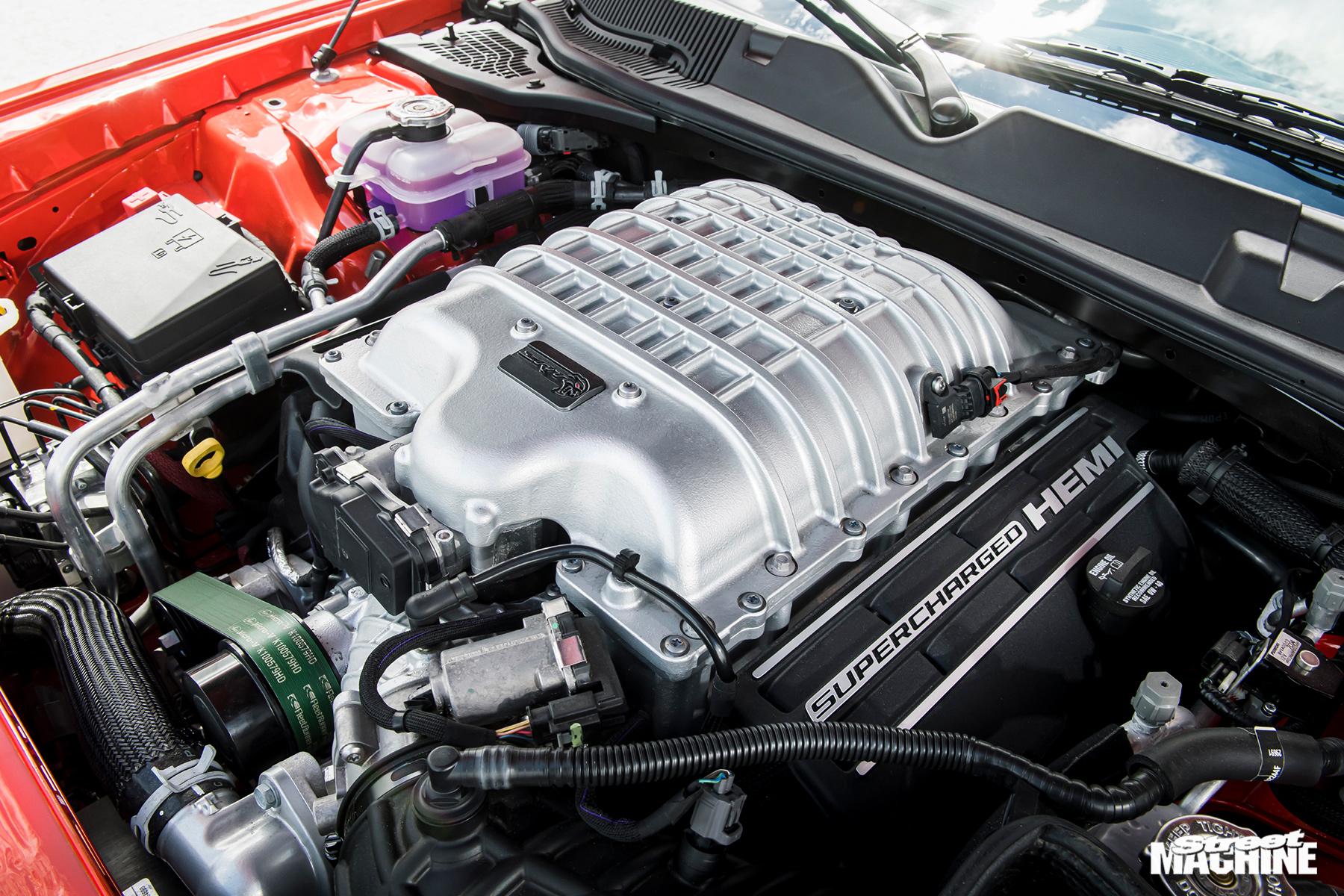
Chrysler reintroduced a 394hp (293kW), 5.7-litre aspirated Hemi V8 option in the 2026 RAM 1500 pick-up truck, and the Durango large SUV offers two V8s in 2026. The naturally aspirated, 6.4-litre R/T 392 boasts the same 475hp (354kW) and 470lb-ft (637Nm) that the previous iteration of this mill offered in Durango and Jeep Cherokee SRT platforms prior to 2024. The head-kicking, supercharged, 6.2-litre SRT Hellcat, meanwhile, offers 710hp (529kW) and 645lb-ft (875Nm), and is the final variant of the factory-blown Hemi still on sale. With the Durango slated in 2027 to move to the same STLA Large platform used under the eighth-gen Charger, it is likely to be the last blown Hellcat option on sale for the time being.
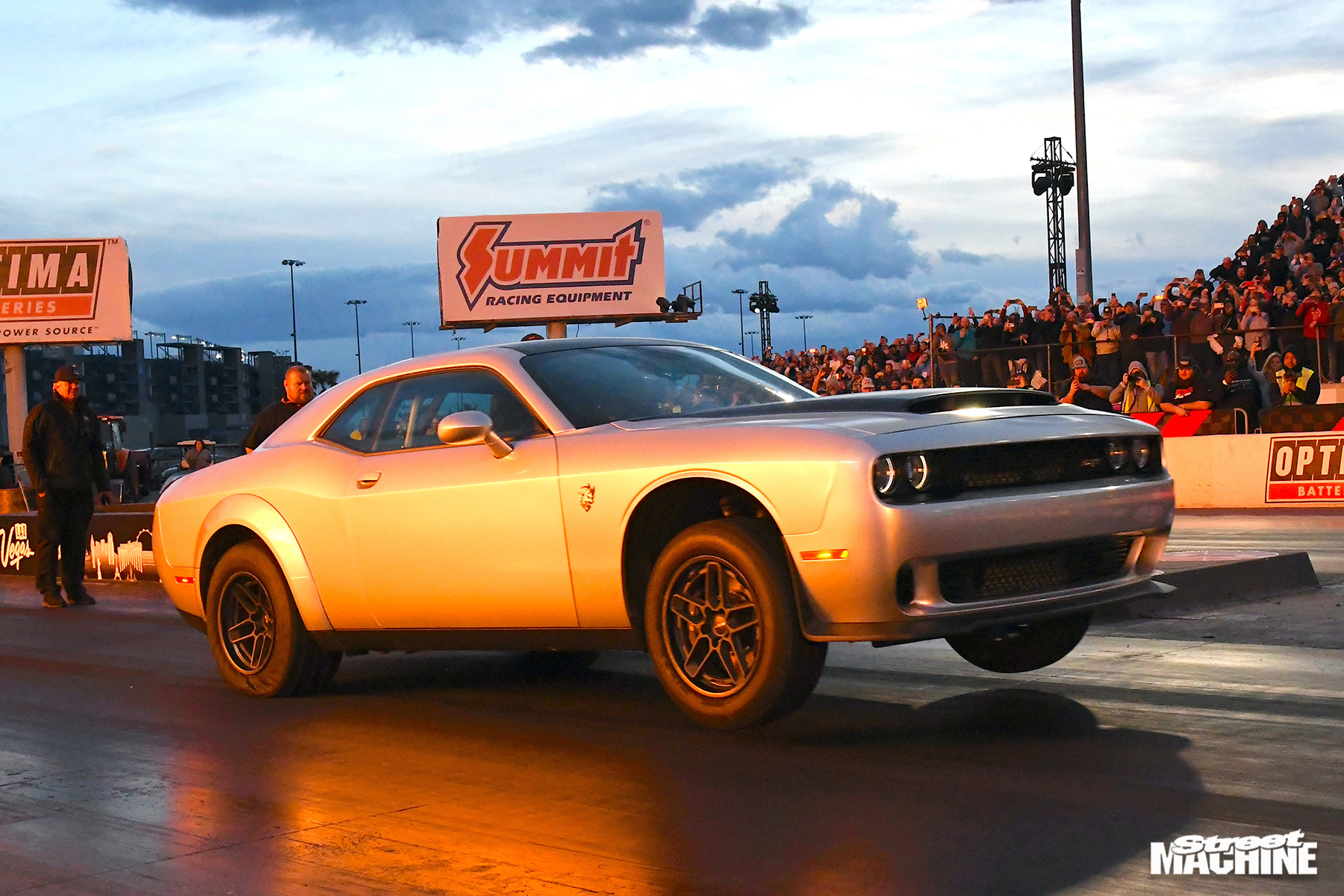
However, late last year, Mopar showed off the 2026 Dodge Charger Hustle Stuff as its new Drag Pak turn-key drag car. Rather than using the turbo Hurricane six-pot, it has a Whipple 3.0-litre-supercharged, 5.8-litre (354ci) Hemi V8 producing an estimated 630hp (470kW), with hardcore additions like a race-only alloy block and heads, a billet crank, forged H-beam rods, Diamond pistons, Jesel solid lifters and rocker arms, a Holley Dominator ECU, alloy wet sump, and a 109mm billet throttlebody.
The Hustle Stuff represents the first time a Hemi V8 has been fitted to the STLA Large platform that underpins the current-generation Charger, though it is unlikely to come Down Under. Since 2024, Chrysler has refused to confirm the existence of a new V8 Charger model, but whispers from Mopar insiders, along with the Drag Pak car, strongly hint that the company has now developed a K-frame to hold the enormous Hemi.
The final blown 6.2L Hellcat-powered car currently on sale isn’t an 850hp ground-pounding muscle car, but an SUV – namely the Dodge Durango SRT Hellcat. However, Chrysler’s blown Hemi-powered Charger Drag Pak proves that a V8 can fit in the front of the STLA Large-platform cars, and suggests we may see a new V8 Charger soon
Rumour has it that Chrysler will release a hardcore, blown Hemi-powered Charger to sit as a range-topper later this year, some 60 years after the 426 Hemi Charger first broke cover. We continue to live in hope, but with Ford and GM heavily investing in V8 powerplants into the 2030s, we’d be shocked if Chrysler didn’t bring the V8 muscle car back, following dismal sales of the EV and turbo six options.
KING OF THE HILL
The most powerful production V8 in American history is the 1064hp, twin-turbo 5.5L LT7 from GM’s Gemini platform, currently used in the eighth-generation Corvette ZR1 and ZR1X.
Chrysler gambled big on people wanting EV variants of its muscle car platforms, with the 670hp, all-electric, dual-motor Charger Daytona Scat Pack EV running 0-100km/h in 3.3sec and the 400m in 11.5sec. However, the Daytona EV tanked, and even the 550hp, twin-turbo six-pot Hurricane Charger R/T failed to ignite sales like the old Hellcats
Capable of propelling the (estimated) 1770kg mild-hybrid ’Vette ZR1X to 8.67@159mph, the LT7 is a marvel of modern engineering, featuring alloy construction; forged internals; seven-stage dry sump oiling; flat-plane crank; dual injection; independent cam phasing and valve timing; titanium and Nimonic valves; and twin low-mount, 76mm BorgWarner turbos. It uses 9.8:1 compression and a wide 104.25mm bore and short 80mm stroke, keeping piston speeds lighting-fast when it hits its 8400rpm redline.
The LT7 is a lower-compression sibling of the naturally aspirated LT6. With 680hp (507kW) on tap, the LT6 offers the highest horsepower of any aspo V8 on sale today, along with a soaring 8600rpm redline.
While the LT6 and LT7 do share the traditional GM small-block 4.4in bore spacing and a bellhousing bolt pattern common to LS and LT mills, they have been solely engineered for use in the mid-engined C8 Corvette. That means it would not be easy to retrofit one into a traditional street machine, although we reckon you could make a pretty epic De Tomaso Pantera with an LT7!
After nearly a decade of production, there are now plenty of second-hand Hellcat V8s for sale at reasonable prices, although no factory-issued, 700-800hp engine is going to be cheap. However, some of these will be more powerful than second-hand Ford Predator 5.2s or GM LS9s or LT5s in Australia









Comments