
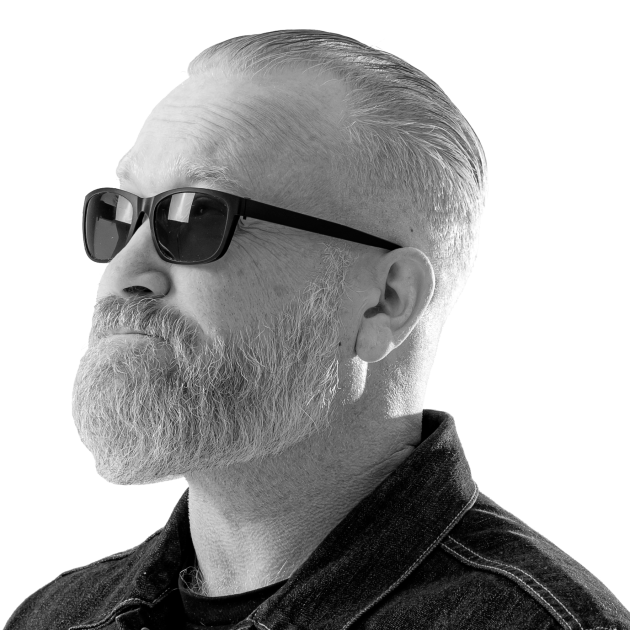
Paul Halstead, a true icon of the Australian motoring landscape has passed away yesterday at the age of 80.
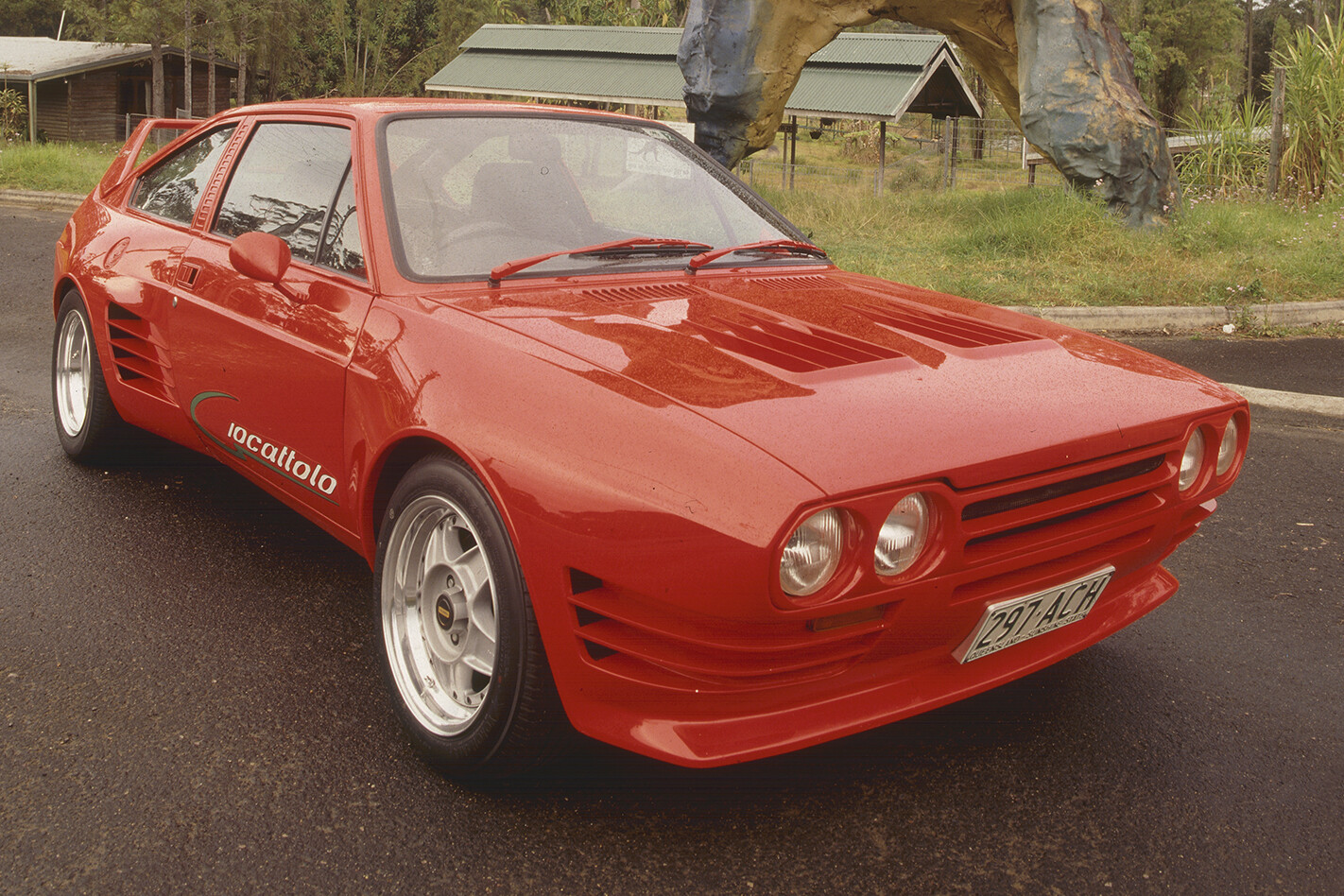
Most famous for his Giocattolo Group B supercar he created with designer Barry Lock, Halstead was responsible for the existence of many landmark road and race vehicles over multiple decades.


Street Machine readers first encountered Paul’s taste for exotic metal when we featured his black, targa-top equipped XC Ford Falcon Cobra on the cover of the April. The story started with these immortal lines:
“Imaging a multi-millionaire businessman with a last for low-slung street muscle. Not a boring pinstripe suit type, but a bloke with bulk imagination and a fistful of dollars. With that combination, you just know whatever he builds is gonna be sensational. He goes by the name of Paul Halstead and over the years he’s had some outrageous machinery at his disposal. There’s been Lambo’s De Tomasos, Porsches, half a dozen exotic two-wheelers and this piece of Black Magic.”
By the time the Falcon appeared in SM, Halstead had already made serious waves in the Australian and indeed, international motoring scene.
Having made his money in the computer industry, Halstead sold his company and went headlong into the car game.
In 1984, he bought the Aussie De Tomaso distributorship from tin top racer Ken Mathews and set up his innovative exotic car dealership dubbed the Toy Shop in North Sydney. With the supply of 351 Clevelands out of the US running dry, Halstead organised to export Australian made 351 Cleveland V8s to Italy for worldwide production.

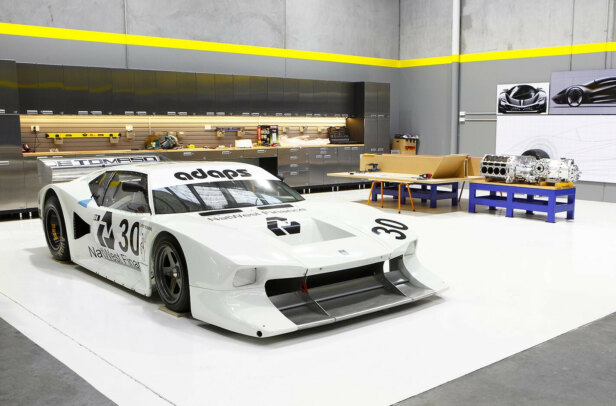
Not only did Paul help keep a classic Italian supercar in production, but he then went on to build one of the most-important and flat-out cool race cars in Australian motorsport history – La Pantera Bianca.
Having rejected a factory De Tomaso Group 4 race car as not up to the job, genius designer and longtime co-conspirator Barry Lock came up with a ground effects design for La Pantera that is still influential today. Lock’s resume included five years working with McLaren, working on F1, Can-Am and the M6GT supercar. He was also the designer and manufacturer of the highly successful Kaditcha sports and racing cars.
Lock examined the rules for the GT Championship and pushed them to the limit to create a car with only the bare minimum de Tomaso required in it. La Pantera swept all before it on the track – with Kevin Bartlett behind the wheel – before rule changes to the GT Championship in 1987 rendered the car illegal in its ultimate form.
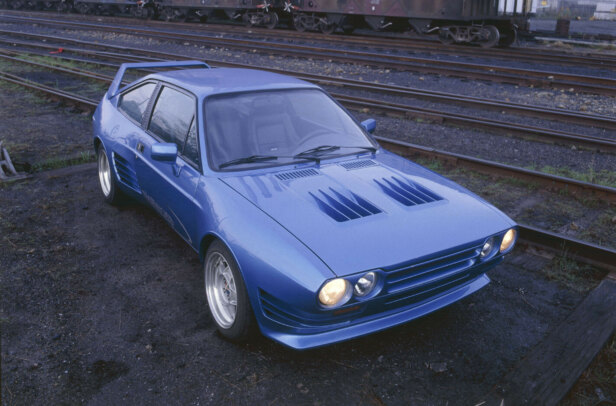
For their next trick, Halstead and Lock created their own ADR-approved, Aussie made supercar, the Giocattolo Group B. Inspired by the Alfa Romeo Group B prototype race car, the Sprint 6C. The 6C was based on the front-wheel drive Alfa Sprint, but with a 3.0-litre V6 and ZF transaxle jammed amidships.
Alfa abandoned the concept, but it inspired Halstead to create his own Downunder. Alfa didn’t want to play ball, however and instructed their dealers not to supply Halstead with cars or parts. Not one to give up easily, Halstead instead imported new Springs from New Zealand and stripped them!

Ditching the V6 idea, Halstead and Lock instead turned to HSV and secured the use of Walkinshaw spec V8s! Build in Caloundra on the Queensland Sunshine Coast, the Giocattolo featured kevlar body panels, 15×8 and 15x10in Simmmons rims and a Kevlar composite rear bulkhead.
Always with an eye for marketing, Halstead employed Aussie F1 legend Alan Jones to front the car’s launch, dummied up a Giocattolo ‘highway patrol pursuit car’ and included a bottle of Bundaberg Rum in each car’s toolkit.
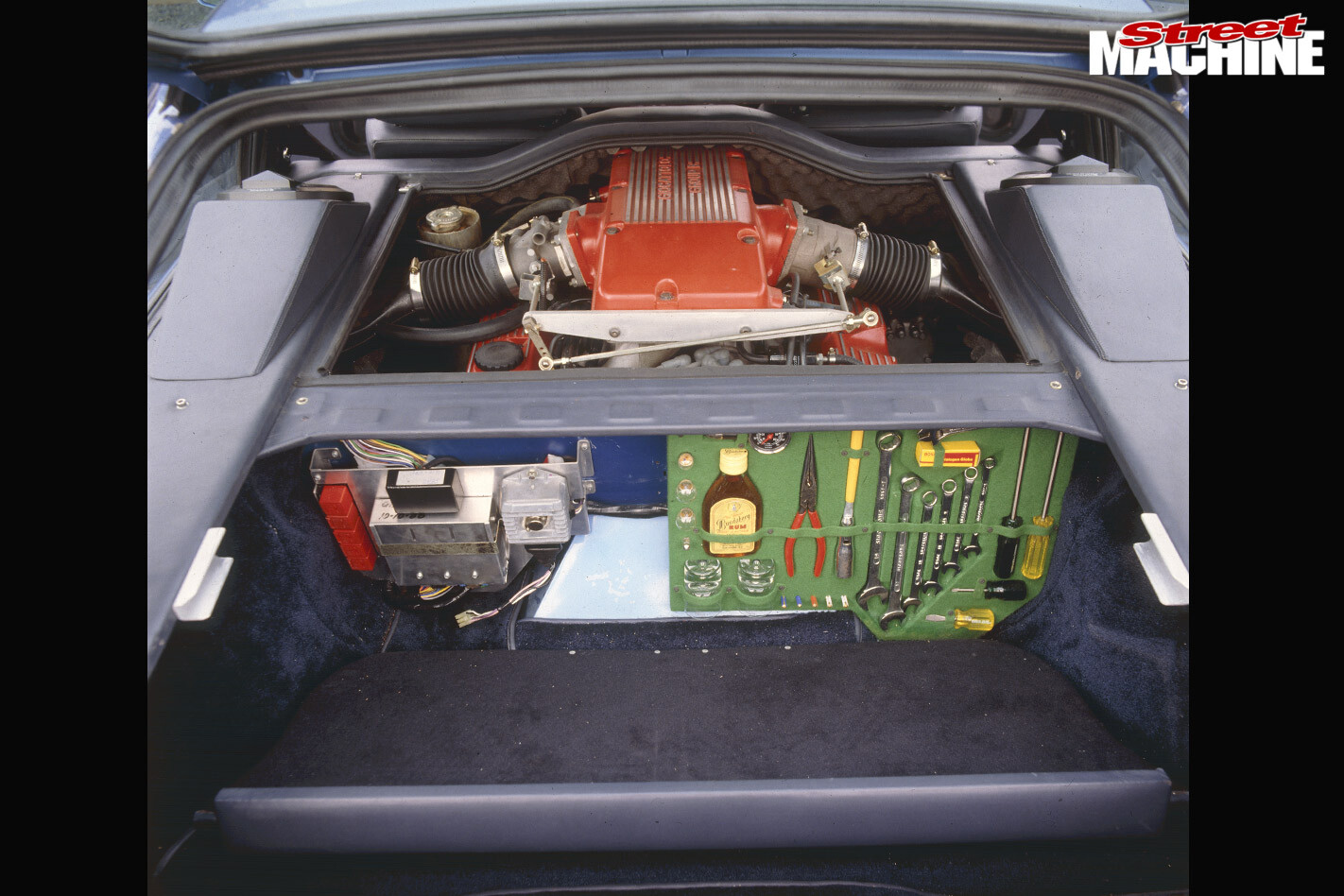
The competed car was a sensation. Weighing in at just 1100kg, the car did the 1-100km/h dah in under five seconds and topped out at 260km/h.
The project had the backing of the Queensland Industry Development Commission (QIDC) and the Kilcoy Holding pastoral company, but the project was up against it financially. The $92,000 car featured many expensive parts, including the ZF transaxles, which were imported from Germany for an eye-watering $30,000.
After two late payments to the QIDC, the operation was wound up and the doors locked, with a total of 15 production cars and three prototypes produced.
“I don’t really regret it because I never compromised the car, and the car is a beaut thing,” Paul told us 2009.
“We never had trouble selling them at $92,000, even back then. Stock standard with full emissions gear they did the standing quarter in 13.2. They were great little things and they handled awesome. But that wasn’t my doing — it was down to Barry Lock.”

Halstead did his dough on the project, but told us he had no regrets.
“I loved it. There were terrible mistakes made and I should have pulled the pin much earlier. It’s complex to talk about because I had a deal with Alfa Romeo which fell through and that’s when I changed from the Alfa V6 to the Holden V8. I was so committed to building the thing that I just kept going, and when my supply of Alfas got cut off, I had to ship them in from New Zealand, three per container, and sell off all the parts I wasn’t using.
I lost a lot of bucks in the process but that’s okay; it’s one of those things that can happen when you’ve got a passion and you go after it.”

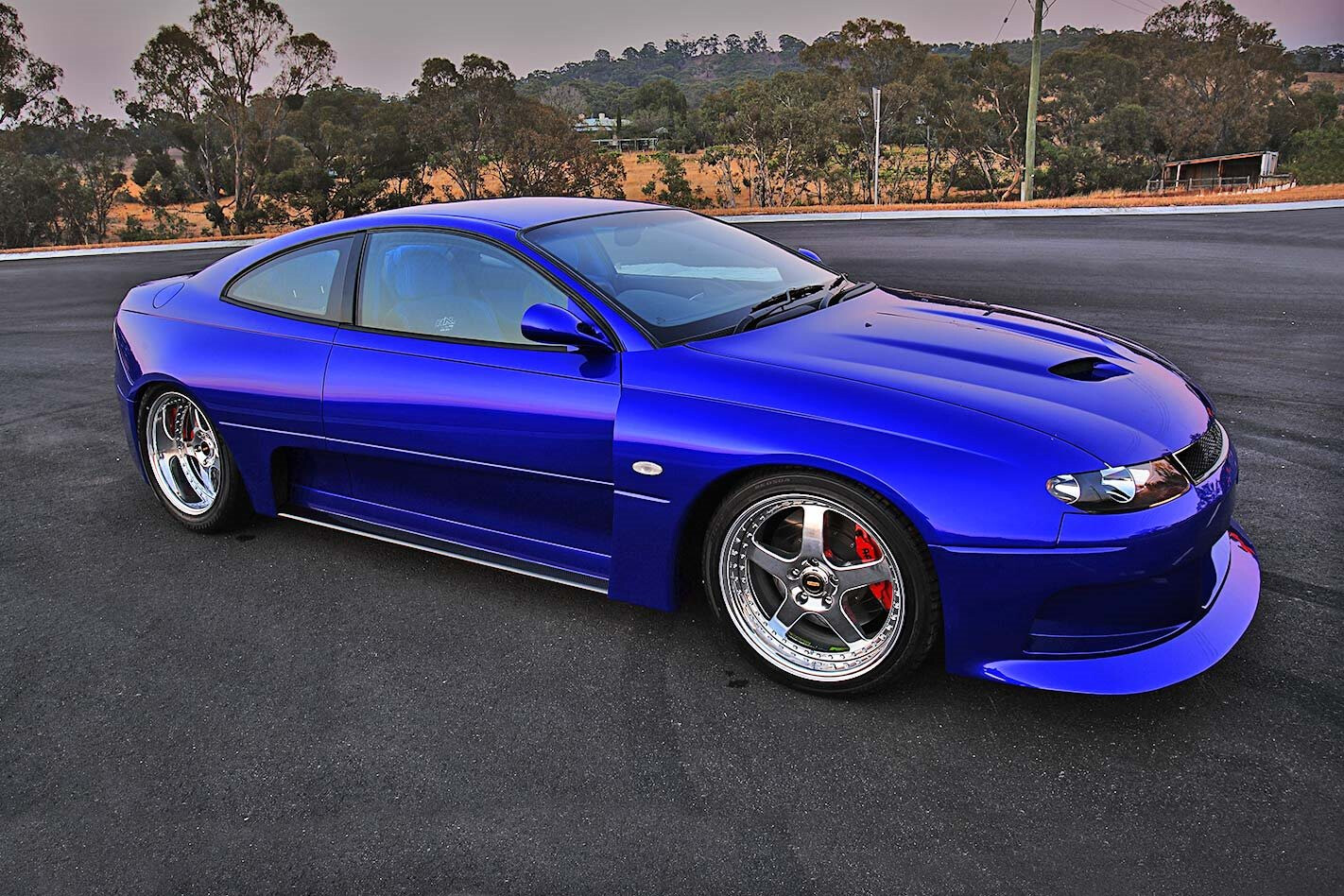
After the Giocattolo, Halstead returned to the IT business and restored his fortune. He next appeared in the pages of SM with another swoopy Australian-made coupe, this time the HSV GTO-based HAL427. Waddington Street Rods and Restorations sunk 1100 work-hours into bringing Halstead’s vision that included a subtle roof chop, pumped rear guards to accommodate the 345/35/19 rubber and massive, functional brake ducts – a theme dating back to the Black Magic XC Cobra – running through the doors and rear guards.

Halstead and Lock’s final, epic project was a hypercar (or Hyperod in Halstead-speak) dubbed the Giocattolo Marcella. Like the McLaren F1 that inspired it, the Marcella was to run a three seater format, with the driver in the central position.

To power the Marcella, Halstead’s team combined two LS7s to create a W16 producing a claimed 1400hp! Albins created a billet transaxle for the project, incorporating six-speed sequential gearbox.

When we interviewed Halstead about the progress of the Marcella in 2015, he left us with these words:
“Call me eccentric – yeah I am. You’re allowed to be eccentric when you get to my age. One of the nice things is realising you’re eccentric and just enjoying it. I just get on with it and don’t worry what other people think.”
Not a bad epitaph for a bloke who pursued his dreams with an enviable gusto.


Comments