
First published in Street Machine’s Australia’s Toughest Fords #2, 2004
So you’re in the market for a self-shifter for your Ford cruiser, but you’re not sure what to buy. Worse still, you know what you want to buy, but you haven’t got a clue what it looks like.
Imagine that you’re wandering the isles of the local swap meet or parts recycler (the flash name for a wrecker) and you’ve spotted what appears to be the bargain of the century. The problem is, you really don’t know if the transmission you’re looking at is actually what you’re being told it is. Ford has released quite few different gearboxes over the years, so how do you tell one Ford auto from another? What came out in what?
All tough questions – so let’s see if we can unravel some of the mystery.

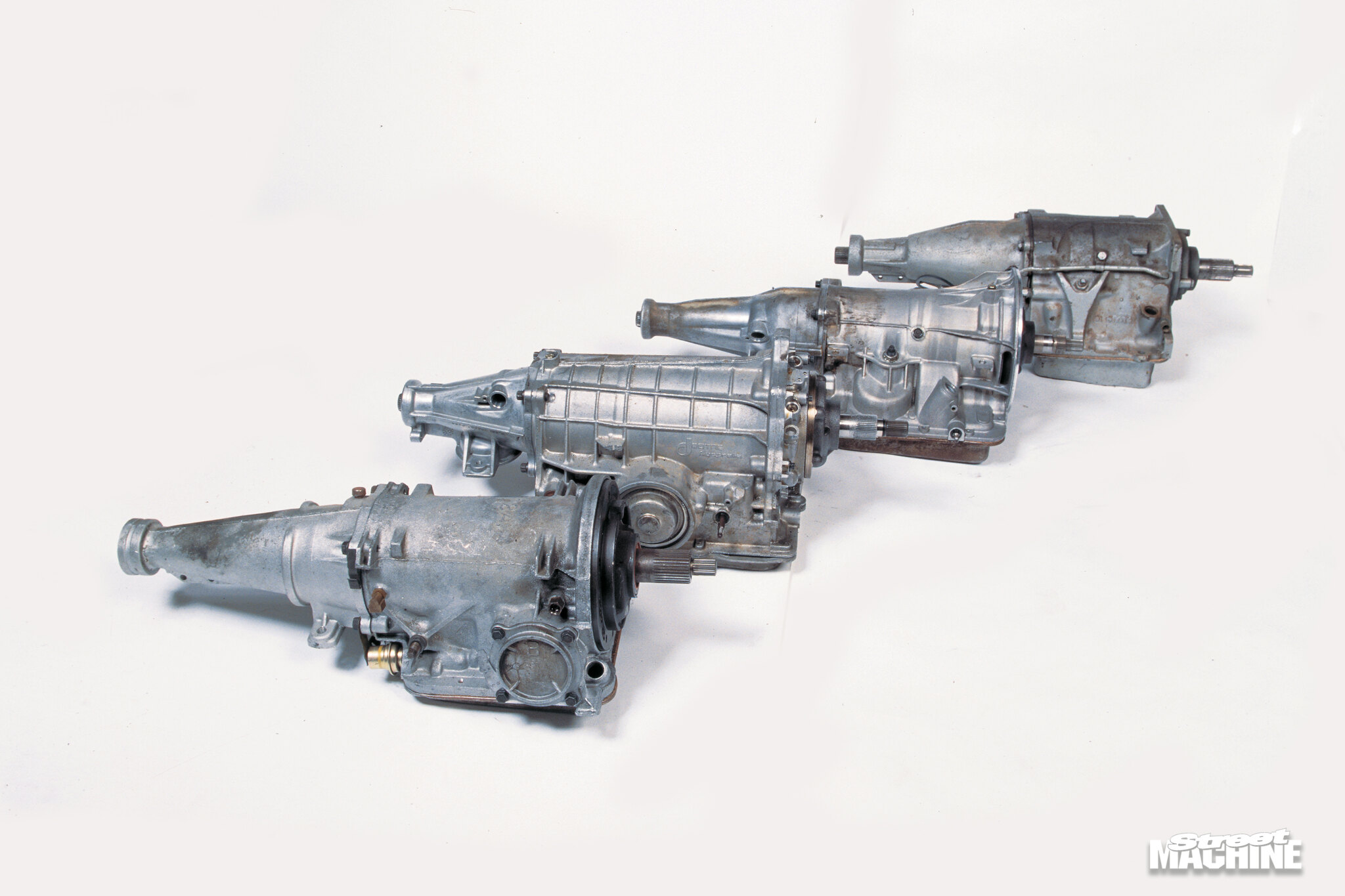
- A) Early six-cylinder C4. Note the difference at the front of the housing between it and the V8 version (see image below).
- B) Unlike Holden’s hydraulically controlled TH700, all the BTR four-speed autos (like this late model 93/97 series) are fully electronically controlled.
- C) The Aussie-manufactured Borg Warner 35/40 series three-speed was first used by Ford in 1965 in the XP Falcon.
- D) The cast-iron FMX is a big-burly ’box that was standard fitment behind all 351ci Clevelands – right up until the V8-engined Falcon went out of production on November 25, 1982.
C4/9/10 (V8)
The American-designed C4 first appeared in Australia in the XR V8 Falcons. While many refer to the later ’boxes as C4s, they are actually either a C9 or a C10; differences were quite minimal. XT-XY 302s and 2V 351s were equipped with a C4, while the XW/XY four-barrel 351s received the C10 (GT got the FMX). From XA onwards, all 302s sported the C10. Early Windsor V8 C4s used the same bellhousing as the six-cylinder, but changed to the generic V8 pattern when Ford swapped to the Cleveland. Easiest way to tell a C4/C9 from a C10 is that the C4’s dipstick runs through the case into the pan, while the C10’s goes around the ’box, does a 90-degree turn and screws into the side of the pan.
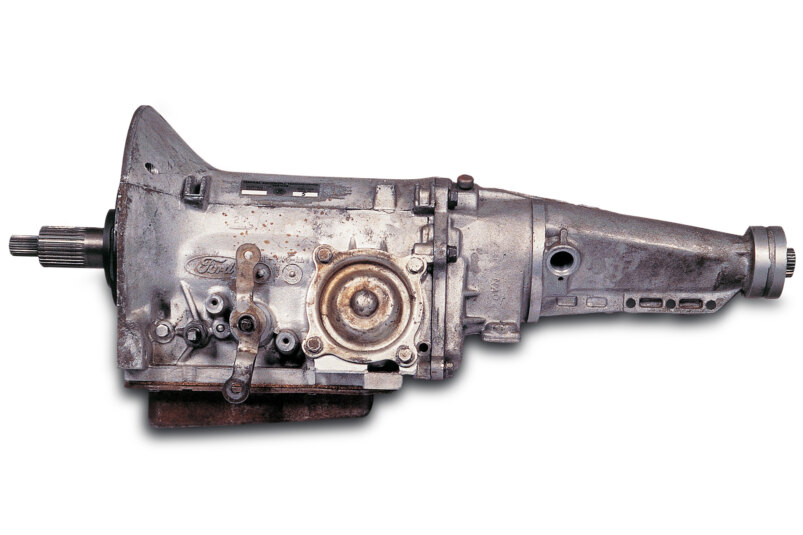
The fact that the bellhousing can be unbolted without disturbing the front pump has made them popular conversions. As such, a range of aftermarket parts is readily available to improve their strength and reliability in high-horsepower applications. Hugo Race Glides has had as much as 700hp through one.
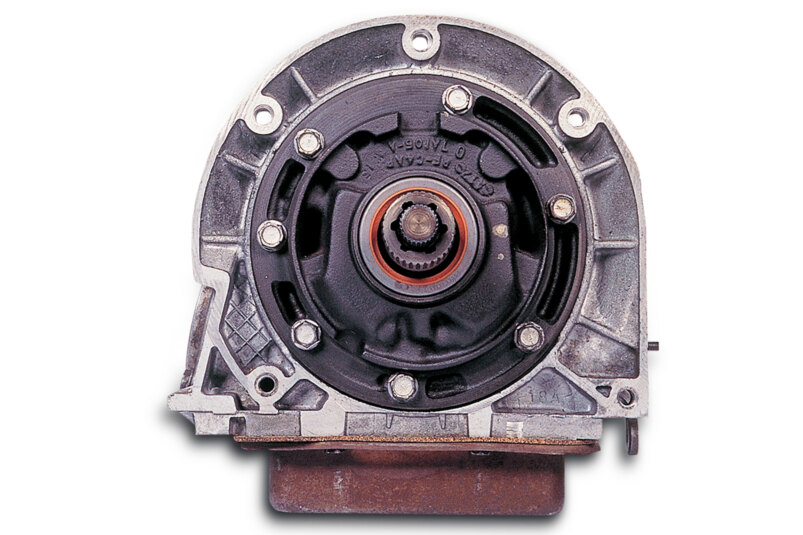
Large build numbers mean you can score a rebuilder for little cost. However, they’re getting quite long in the tooth and often these ’boxes will have servo or modulator problems (needing replacement).
FMX
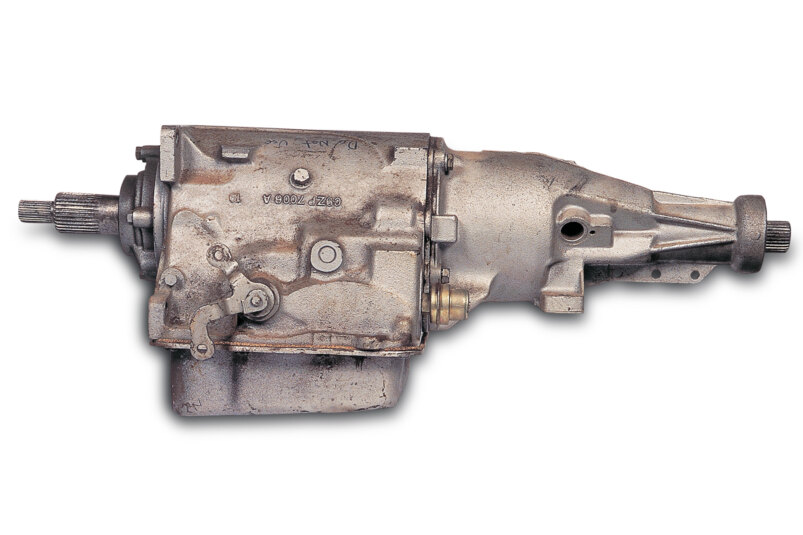
With its cast-iron casing, the FMX is easily the heaviest ’box of the lot. From the XA right up to the last V8 XE in 1982, standard fitment to 351 Clevelands was the FMX (note: 351ci Windsors were fitted with C4s). In keeping with its heavy-duty nature, the FMX used larger-diameter, 31-spline input and output shafts, while all the other Aussie ’boxes used coarser 28-spline shafts.
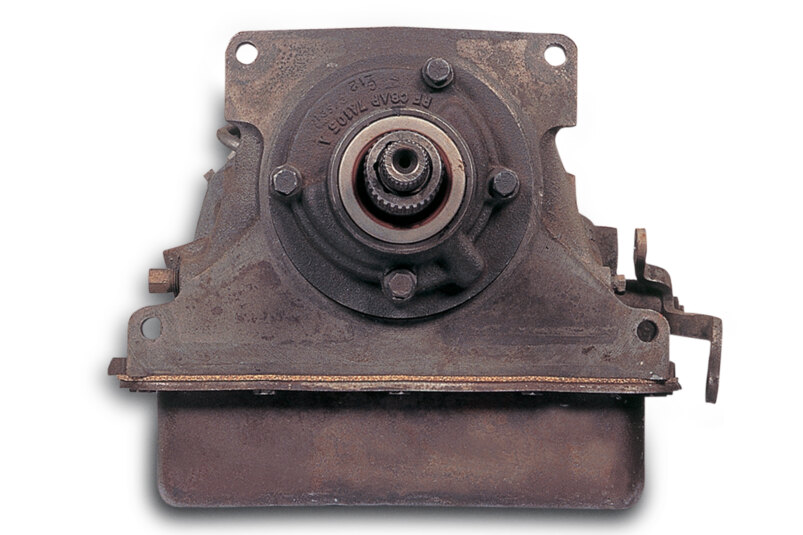
As with many of the ’boxes that were in production for long periods of time, the FMX was upgraded during its service life. The filler tube in the early versions came up level with the bottom of the rocker cover, while later ones had a longer tube that came up to the top of the rocker cover.
C6
Despite belonging to the C4/C9/C10 family, the C6 is a much bigger, stronger gearbox. Like the FMX, it features finer 31-spline input and output shafts. No Aussie cars were fitted with a C6; they’re found in American trucks, light commercials, imported Broncos and behind many big-blocks.
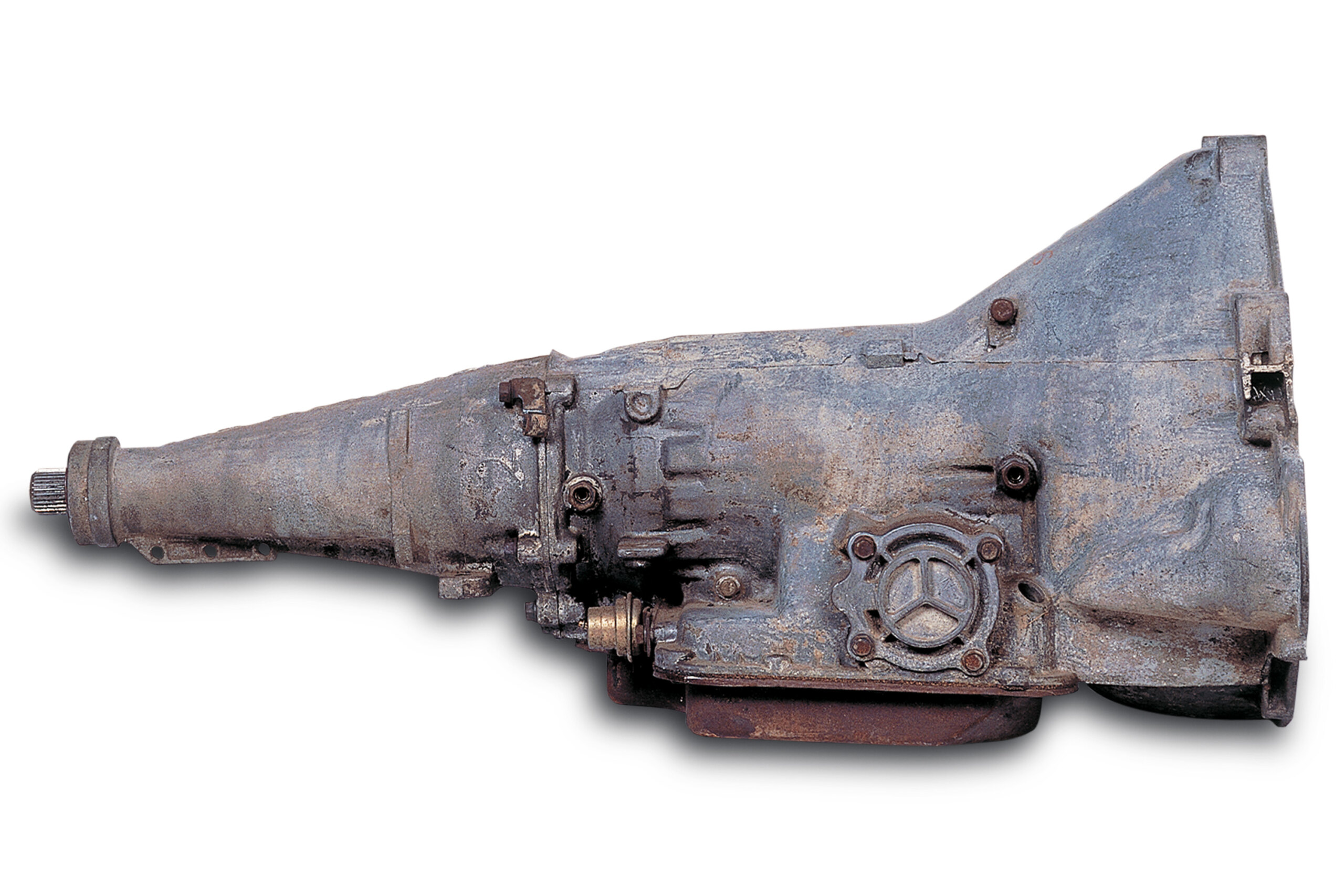
Unfortunately, strength comes at a cost: weight. The C6 is a heavy ’box. It is, however, favoured by the high-powered Ford runners and drag racers. Your local wrecker is unlikely to have one. Look to one of the American import companies to source one; High Performance World has a few.
Identifying a C6 is a snack, as it has an integral bellhousing. Quoting a rebuilt cost isn’t applicable as virtually all C6s are purpose-built for high-power applications, greatly varying the asking price.
C4 (six-cylinder)
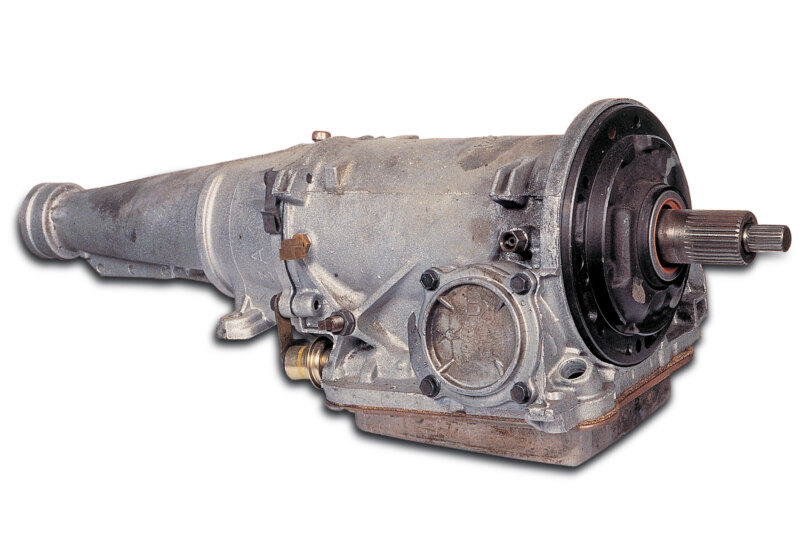
The six-cylinder version of the C4 is essentially the same as the V8 version, albeit with slightly less robust internals. It can be differentiated from the post-XW V8 versions by the lack of flare at the front of the main housing. The casing of the six-cylinder doesn’t flare out at the bellhousing matting flange. Due to the small clutch pack of the lighter-duty six ’box, it’s hard to make them handle a lot of power.
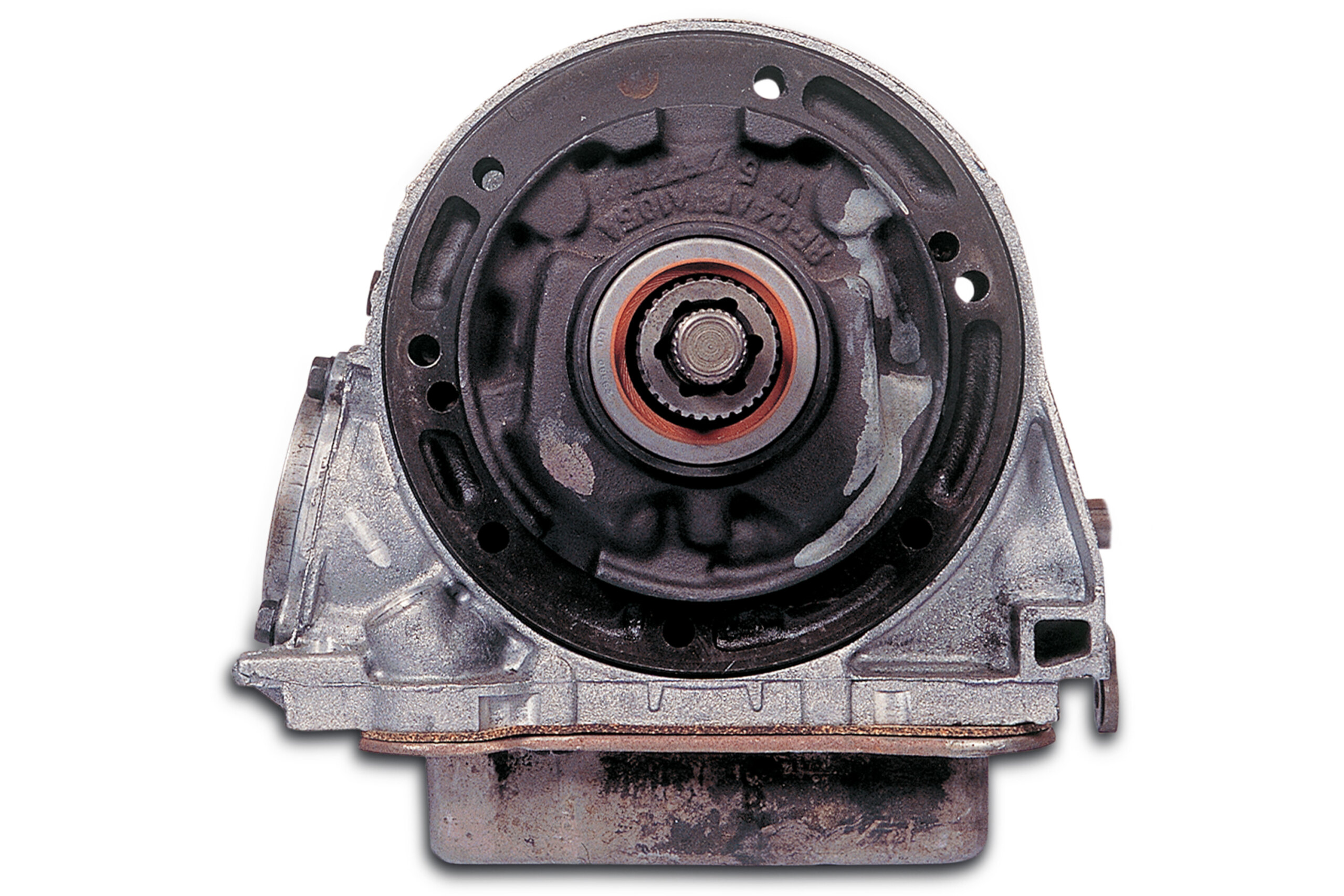
Prices for rebuilder, runner and reconditioned ’boxes are the same as for the V8 C4. While prices might be low, you might have to do a fair bit of running around to find one as they’re quite a bit rarer due to only being in use (production) for a short period of time.
Borg Warner 35/40
Ford introduced its first three-speed auto in conjunction with the XP Falcon. Although Ford marketed the ’box as the Fordomatic 3S, it was in all respects a modified Borg Warner 35.
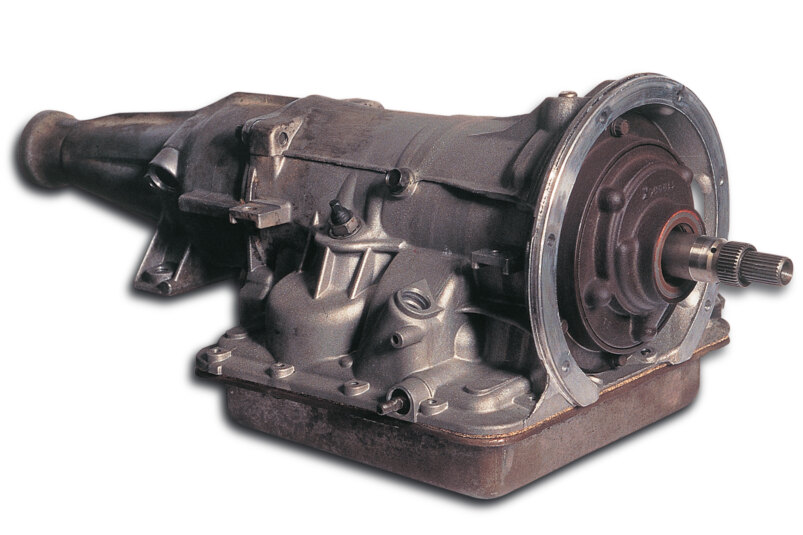
Externally, the BW35 and the BW40 are very similar (note: the XW’s 35 came with a short extension housing). Internally, the difference is that the 40 uses larger gears and fatter drive shafts. Ford used the BW40 behind the 3.3 and 4.1 six-cylinders from mid-XW through to XF.
Simplicity and sheer numbers should make them cheap. The very last of the Borg Warners was the 51 – as fitted to the lower-spec EA Falcons.
BTR 85/95
In 1987 Borg Warner became part of the worldwide BTR organisation; hence, from mid-EA onwards all of Ford’s automatics were designated BTRs. The EA model run saw Ford Australia introduce its first four-speed auto – the BTR85. Overdrive fourth was a high 0.69:1.
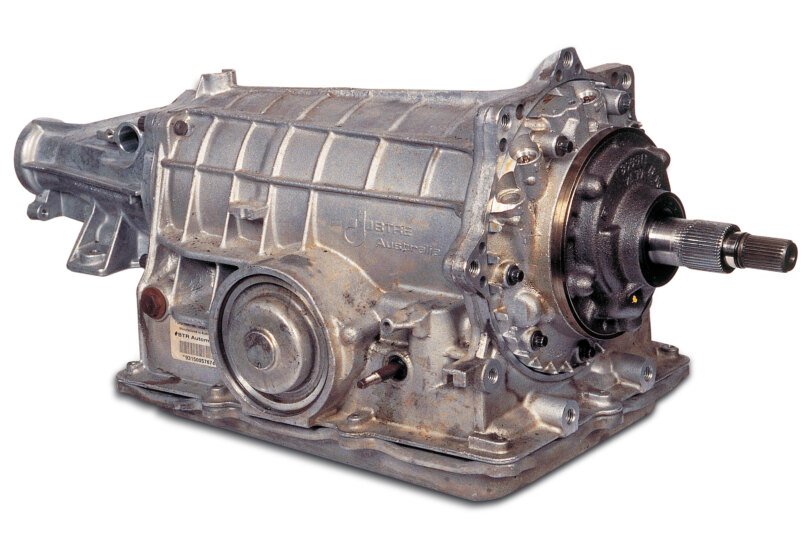
All BTR four-speeds are fully electronically controlled – unlike Holden’s TH700 – which makes them difficult to transplant into older, non-ECU-equipped vehicles. The 85 and 95 are the same family of gearboxes, with the 95 being the V8 version with a long extension housing (233mm versus 202mm). Dipstick for the 85/95 goes into the front of the gearbox on the driver’s side, up near the front.
Rebuilders will be hard to come by as most are sold as runners. These newer ’boxes have a much longer service schedule than older designs. Occasionally the electronic servos give problems; otherwise it’s just basic consumables. Parts are pricey; expect to pay more to have one reconditioned.
BTR 93/97
The BTR 93/97 family appeared in the late EL and early AU Falcons. Once again, the 93 is the six-cylinder version, while the 97 is found behind the V8. This series is easily identifiable via the ‘Lisa Simpson head’ on the front of the main case; look at the bolt pattern and you’ll see what we mean. Its other distinguishing feature is the cylindrical ribs that run around the case.
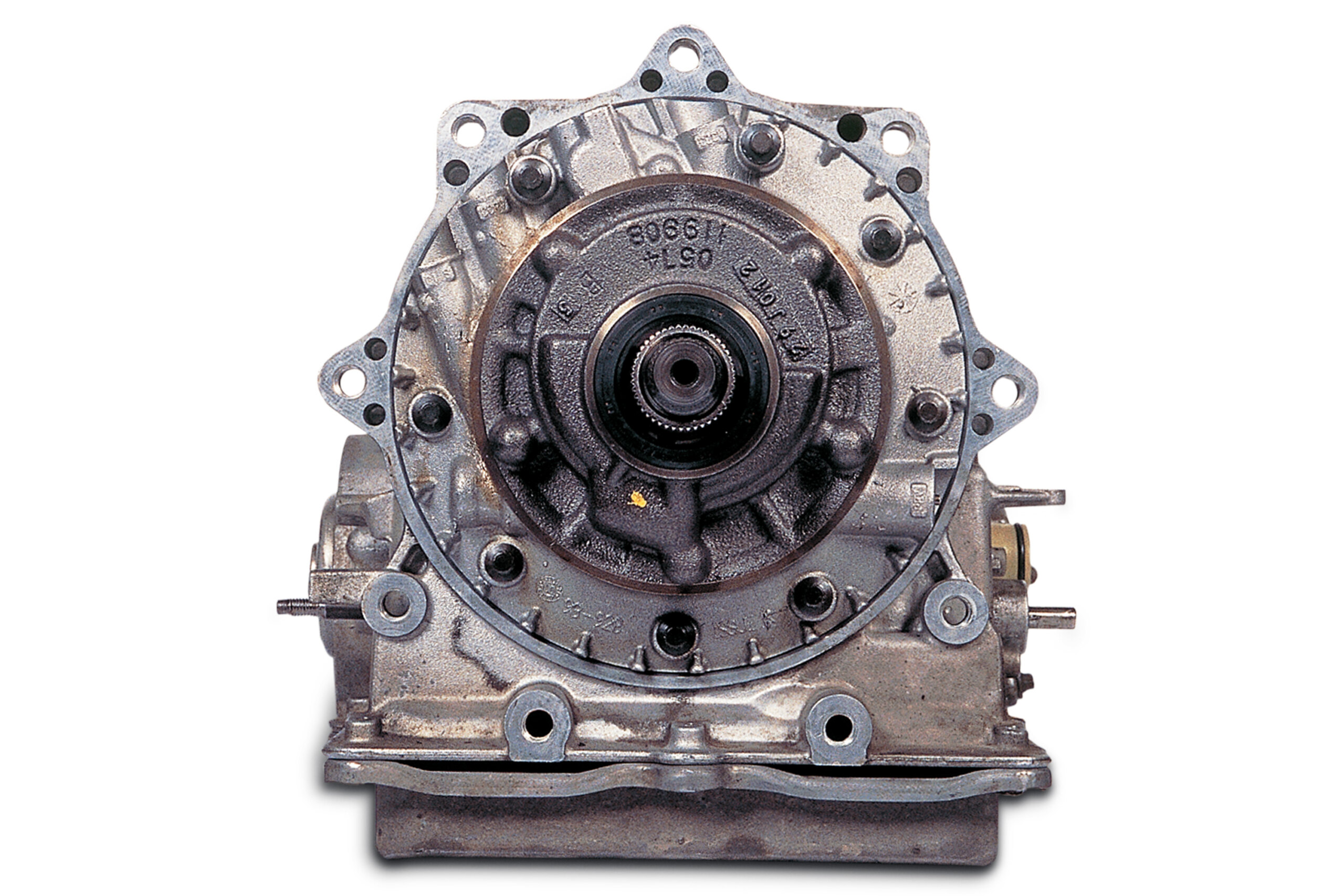
The other easy way to pick the difference between early and late four-speeds is the lack of a dipstick on the later ones. Instead of a pipe up into the engine bay, the dipstick is a short, stumpy thing down the back of the ’box on the driver’s side. You need to have the car up on a hoist to check fluid level! There have been instances of low-oil failure for no other reason than owners are unable to check oil level.
Although relatively new, sheer numbers have kept the prices of second-hand units quite low. A rebuilder can be had for low cost but as with the 85/95, reconditioning is expensive.
HAPPY SHOPPING
When out ’box shopping, keep in mind that the prices will be lower for a standard rebuild – bands, clutches, bushes, seals and rollers. If your ’box has had a big blow-up and needs hard parts (drums, planetary gears, pumps and solenoids), the final price can be somewhat higher. Lastly, whenever you install a new transmission, it’s good idea to drop in a new/reco torque converter, as there’s nothing worse than having a perfectly good ’box ruined by debris from a damaged converter.
THANK YOU
We’d like to thank Ralf, Serge, Alf and Andrew from Central Automatic Transmission Services in Rosebery, Sydney, for their considerable assistance and knowledge in putting this feature together.
Comments