
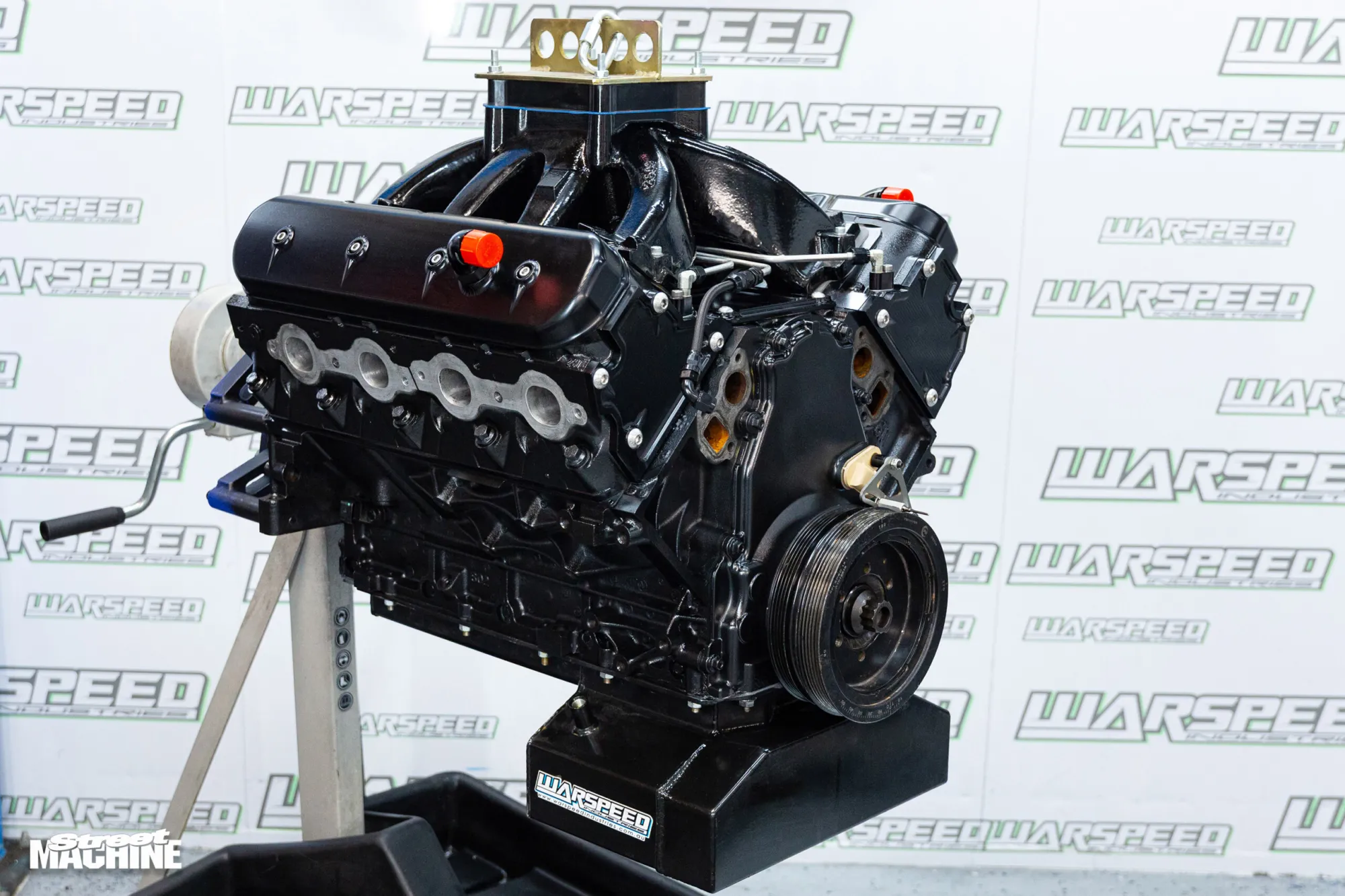
Building yourself a spicy LS street engine seems almost too easy these days, with a world of options at your disposal. But it can give you choice paralysis: do you build from a bare block and buy every single fitting, bolt and component? Or are you better off spending a princely sum on a brand-new crate engine?
First published in the March 2026 issue of Street Machine

There is a solid mid-point between those options, though: buy an engine core and build it out from there. Popular among those swapping an LS into a car that didn’t come with one from the factory, an engine core is a cheaper way to get most of the parts you’ll need without having to pay for those you don’t, while being complete enough that you can dummy the engine in your project car.
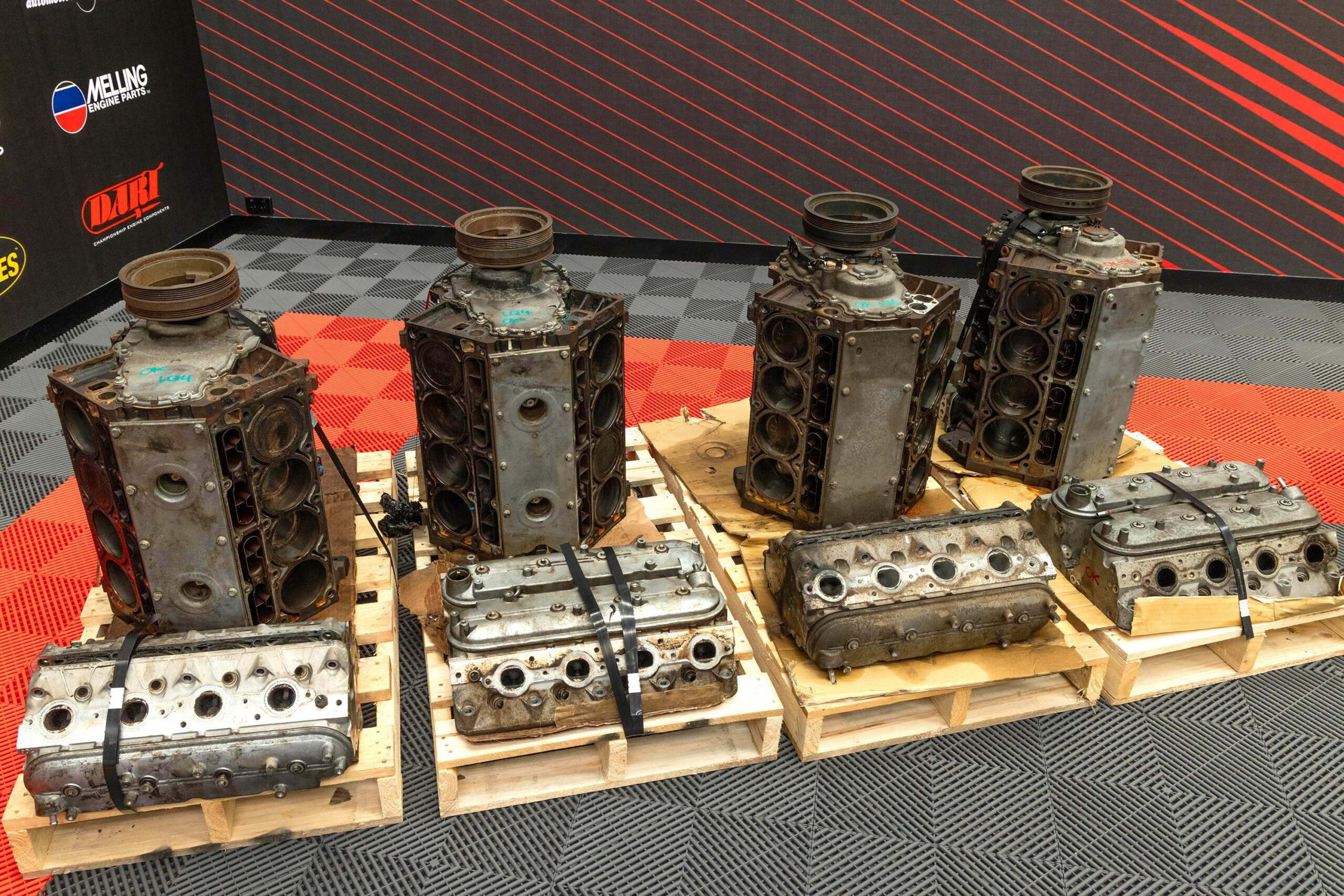
Even if you’ve already got an LS in your ride, buying a core means you won’t have to build a new donk from scratch and is far less expensive than starting with all brand-new individual components. And unlike a crate engine, you can spec out precisely what you want and build it exactly how you want.
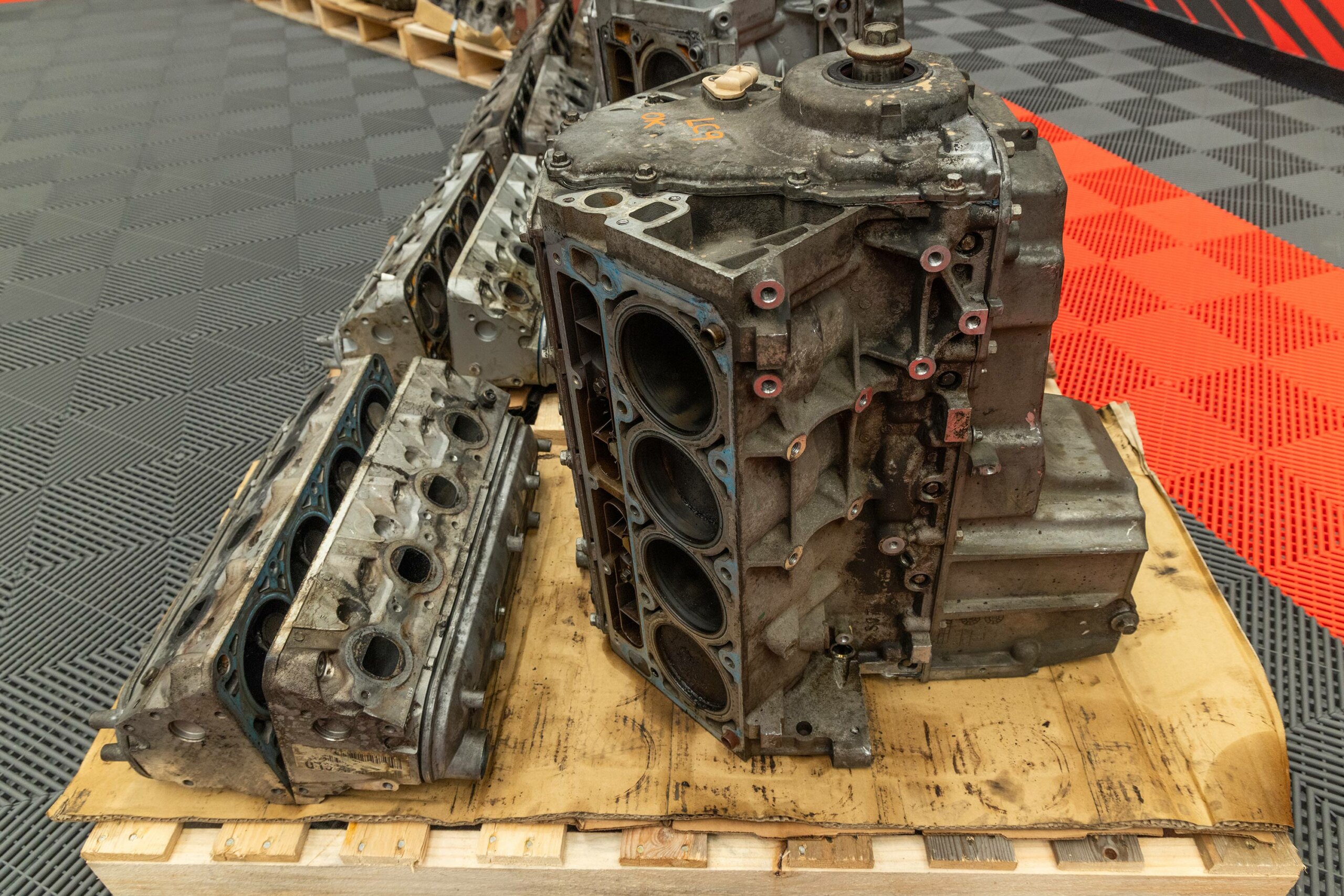
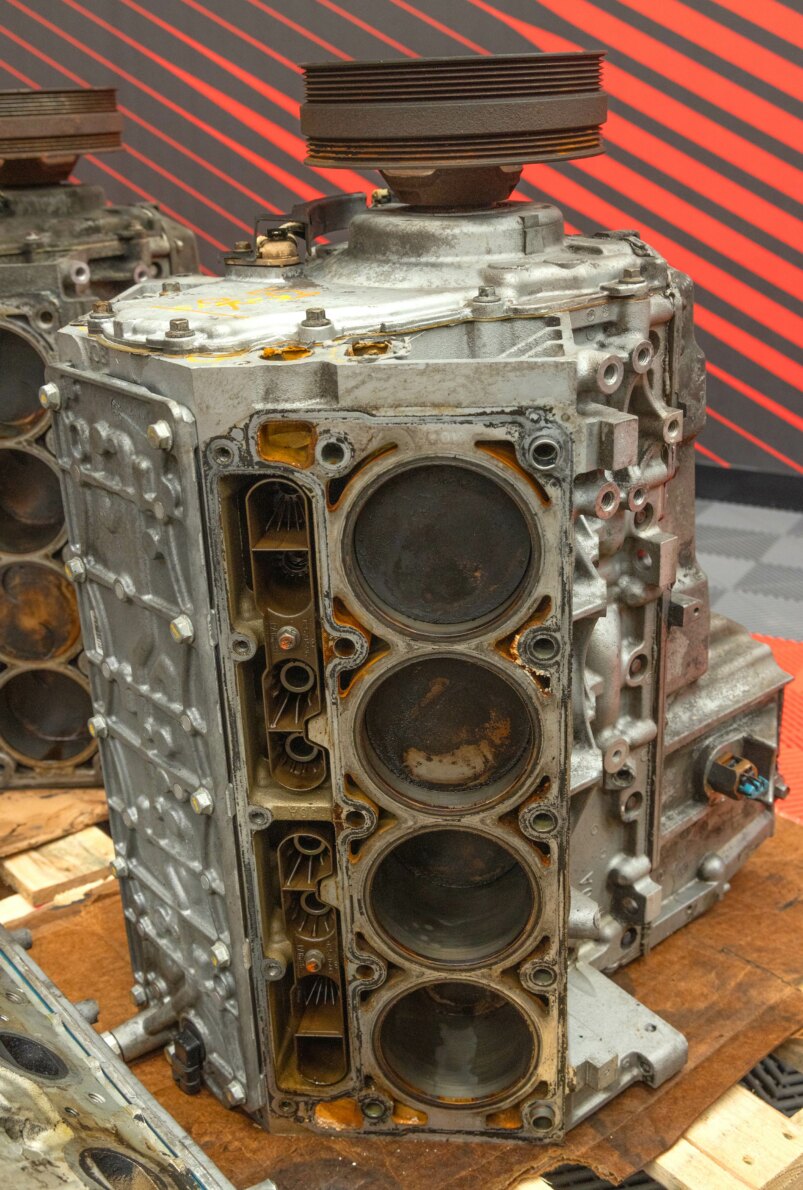
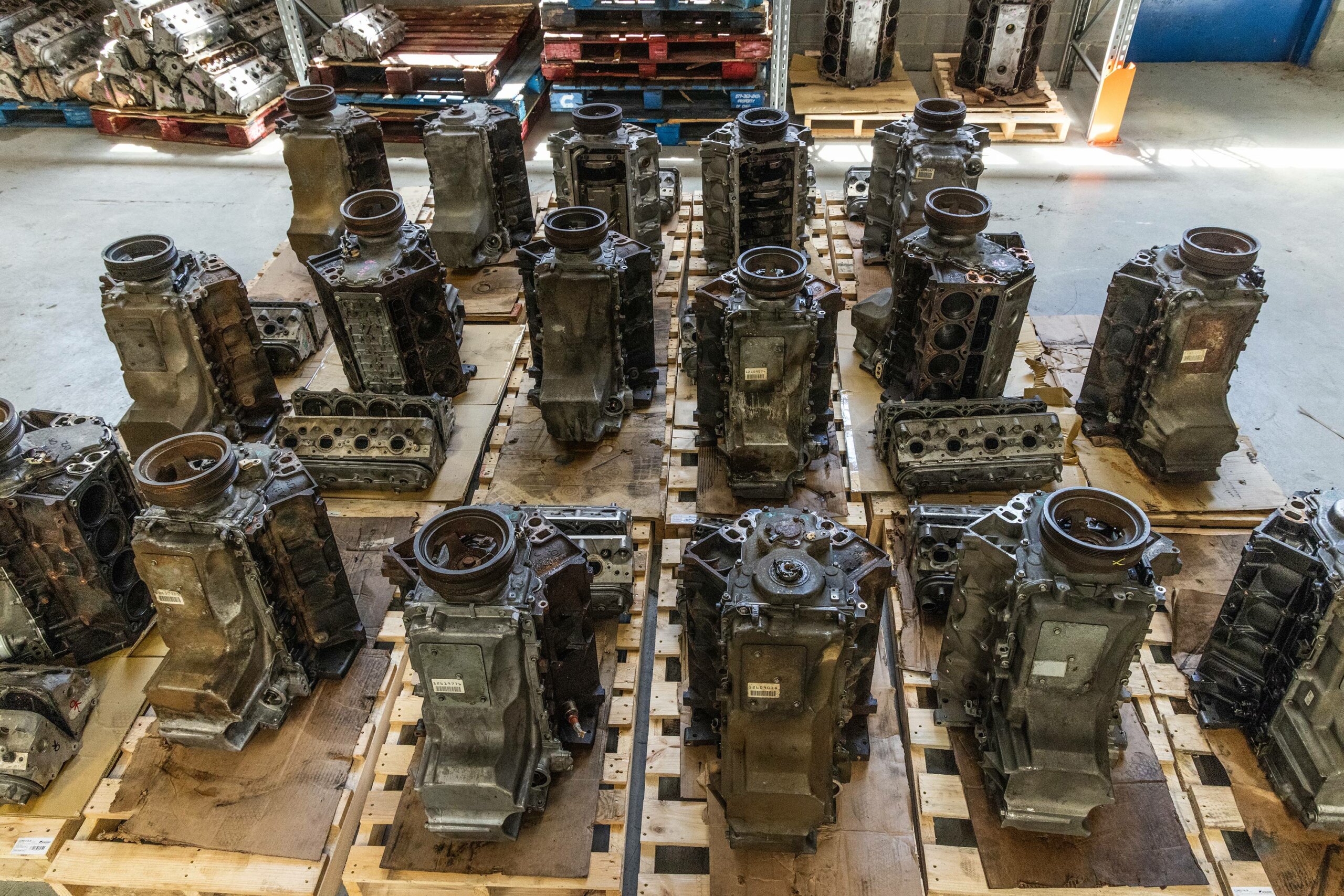
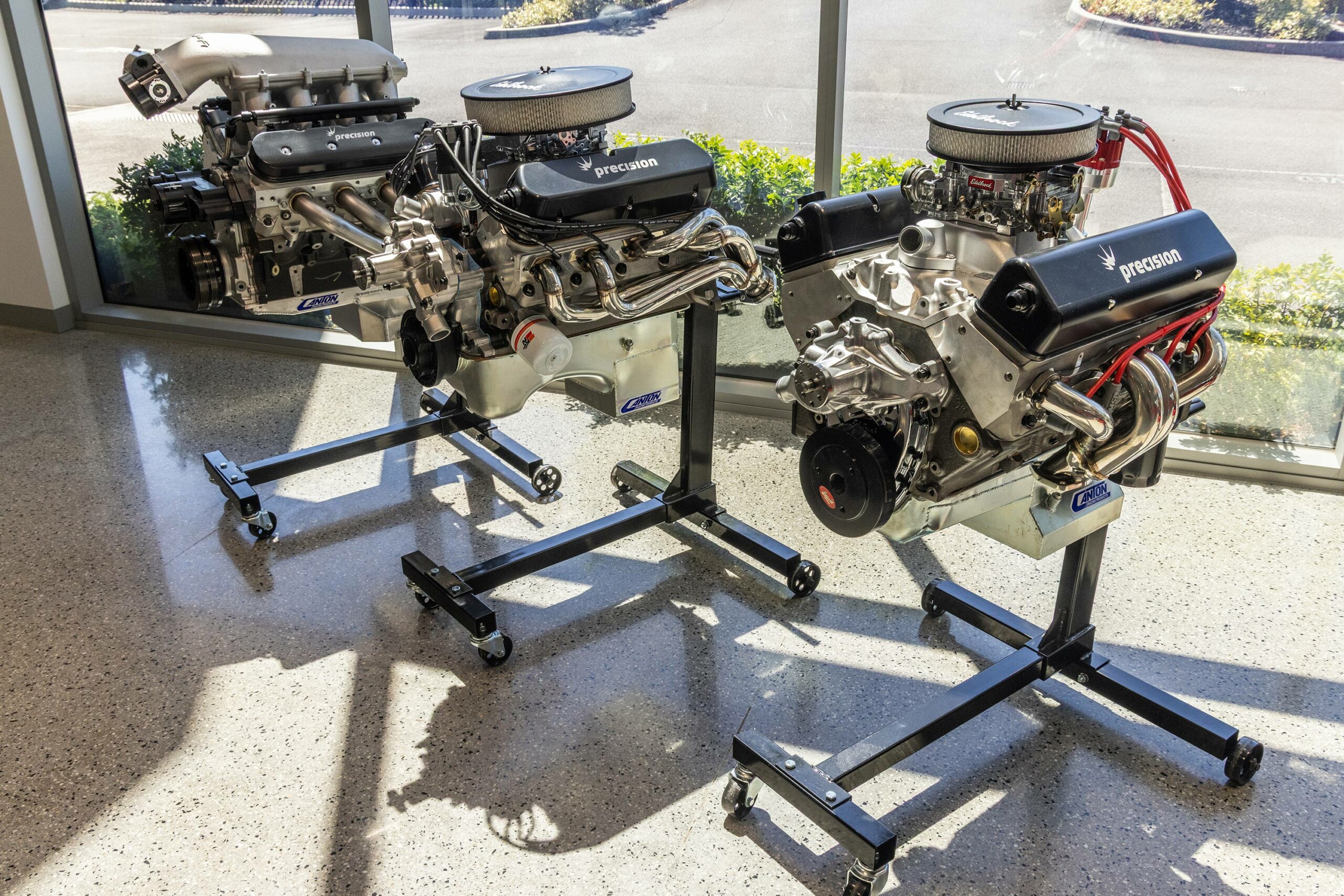
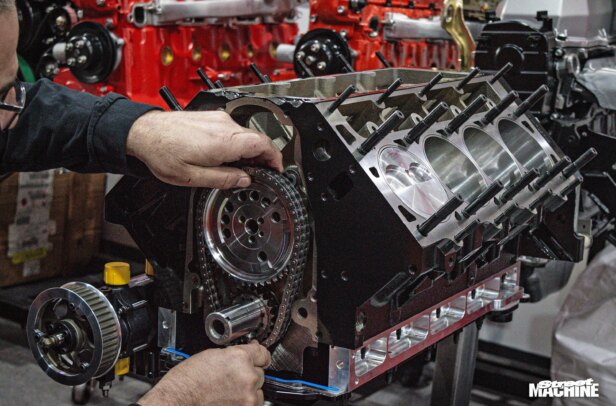
Precision International offers a huge range of LS parts, from big-banger billet cranks to CNC-ported cylinder heads, and stocks LS engine cores that come in pieces on a pallet, ready to be rebuilt. Included is the basic long motor from sump to rocker covers; you’ll have to source new valvetrain wear items like lifters and pushrods, but anyone rebuilding an engine should be replacing those components anyway.

Buying a rebuildable engine core set from a reputable company like Precision means you won’t be stuck with a donk that needs extensive machine work before it can even be rebuilt, or even worse, is unusable except as a buck for dummying.
Here are five awesome LS engine cores ripe to be rebuilt into everything from 500hp cammed combos for a mild streeter, all the way up to a forced-induction beast making four-digit power.
LQ4/LQ9
The Vortec 6000 was GM’s big-inch, truck-spec Gen III V8, which came in two specifications: LQ4 and LQ9. Both followed the standard 6.0-litre LS specs of a 4in bore and 3.62in stroke, but while passenger-car LS mills used lightweight aluminium blocks, the LQ siblings are iron down the bottom with alloy cathedral-port heads up top, which makes them the ticket for big boost.
The LQ4 was rated between 300hp and 360hp as found in Chevrolet Suburbans, Silverados and Expresses; GMC Yukons and Sierras; and Hummer H2s. The LQ9 was the high-performance variant producing 345hp, thanks in part to flat-top pistons, which raised compression to a handy 10:1. Originally designed for Cadillac Escalade models, the LQ9 was also used in the Silverado SS and Denali.
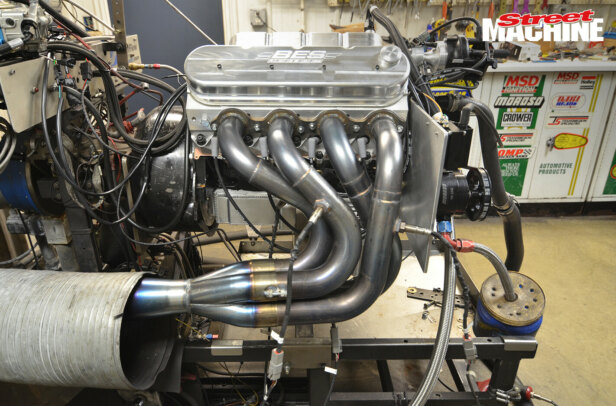
Both LQ variants are highly prized as cores from which to build serious street power. A near-stock, boosted iron-block 6.0-litre famously made 1500hp on an engine dyno after the addition of an aftermarket cam, lifters and valve springs, and there are a plethora of off-the-shelf stroker kits that will have your mill reliably making 1000rwhp.
One of the pluses of the 4in-bore engines is that you can easily fit better-breathing Gen IV rectangle-port heads to the block without shrouding the valves like you would in a smaller-capacity Gen III LS. This also allows you to update all the sensors to the much better-supported Gen IV format, including the all-important knock sensors.
LY6
The LY6 is GM’s Gen IV update to the Gen III Vortec 6000 truck motors, replacing the LQ4 and LQ9. Although it retains the iron block/alloy heads format, 6.0-litre capacity, and 4in bore/3.62in stroke of its predecessors, the LY6 features Gen IV updates like improved rods and intake manifold, rectangle-port instead of cathedral-port heads, improved cam and knock sensor locations, and variable valve timing.
Fitted to 2007-2010 Chevy Silverados and Suburbans, and GMC Sierras and Yukons, the LY6 featured 9.6:1 comp and produced 364-385hp.
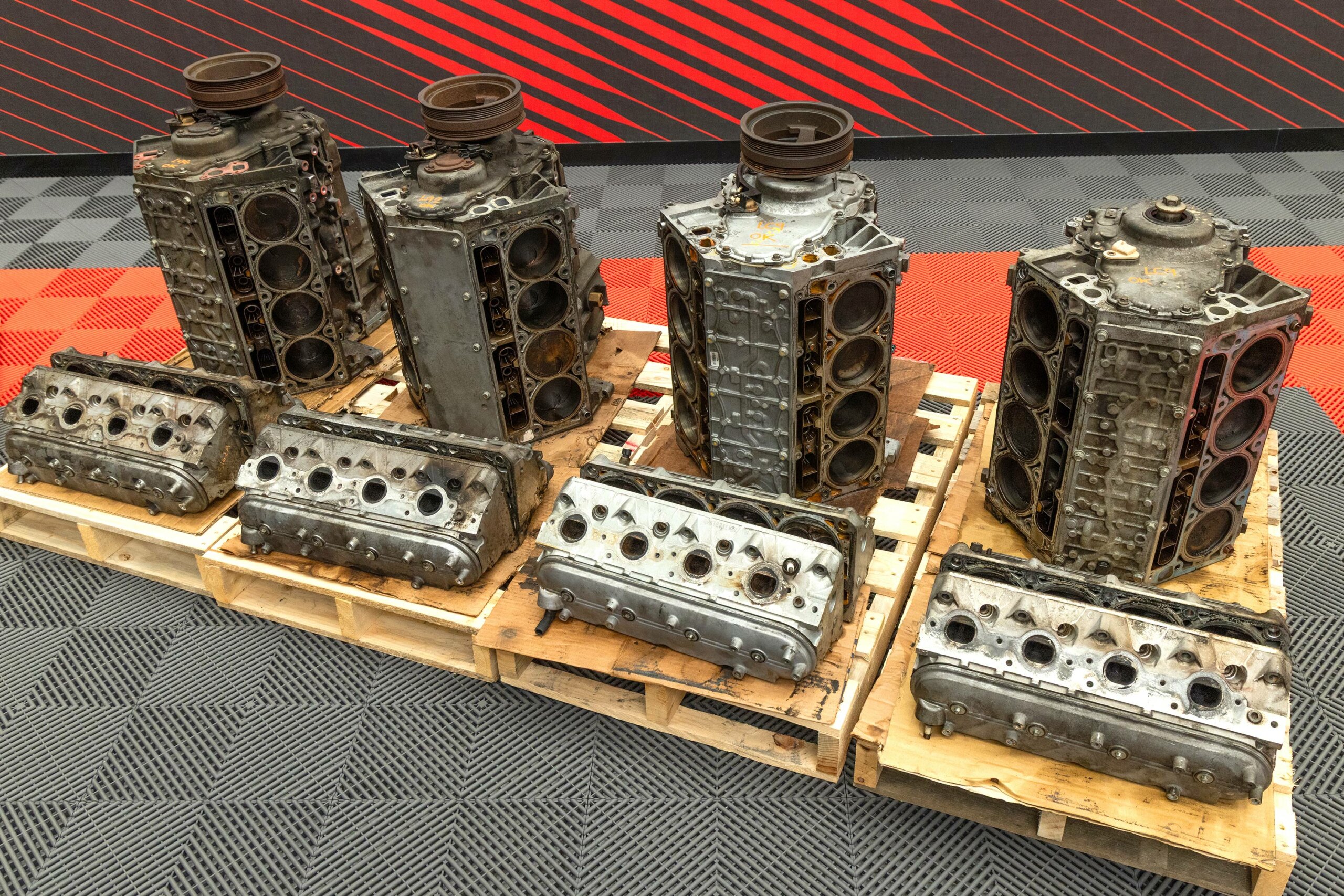
As with the LQ V8s, the LY6 is an impressively robust base to make four-digit power using off-the-shelf components, and it takes to boost like a thirsty miner takes to beer at the pub. While traditionally not as cheap as the older LQs, which could easily be bought used for a pittance, the LY6’s Gen IV updates to sensor locations and cylinder heads make it an attractive proposition for those not wanting to go to the trouble of updating a Gen III mill with those improvements.
People looking to build a tough iron-block LS formerly had the option of buying a brand-new LY6, which were sold as spares through many parts suppliers. But those blocks have now finished production, to be replaced by the newer L8T Gen V 6.6-litre block, which is almost completely different to the Gen III and IV equivalents.

LC9/LH6
Sold between 2005 and 2014, the LC9 and LH6 are aluminium, 5.3-litre Gen IV truck/SUV variants of the iron-block LY5 5.3, and come with Active Fuel Management (AFM). Both engines use the same 3.78in bore/3.622in stroke common to all 5.3-litre LS mills, with compression initially 9.9:1 before being dropped to 9.6:1 in 2007. Sold with cathedral-port heads, both variants benefited from the beefier Gen IV I-beam 6in conrods. Variable valve timing was added from 2010 onwards.
The Vortec 5300 LC9 is a four-wheel-drive fitment, flex-fuel-capable mill that made between 315hp and 320hp, and was fitted to 2007-onwards GMC Avalanches and Sierras, and Chevy Silverados and Suburbans.
The LH6 produces 315hp and can be found in the 2005-2009 Chevy Trailblazer, Silverado 1500 and Sierra 1500; GMC Envoy Denali, XL and XUV; Buick Rainier; and Saab 9-7X. Lower-spec 300hp variants were fitted to 2008-2010 H3 Hummer SUVs and 2009-2012 Chevy Colorado pick-ups, and feature a different sump layout to suit the GMT345 and GMT355 truck engine bays. These also don’t feature the AFM cam technology.
While the iron-block 5.3s have scored plenty of love online thanks to their availability, strength and cheap price, the alloy mills can also be made into potent combos. Street Machine’s own Mark Arblaster ran a 9.0@152mph on a stock-bottom-end alloy 5.3 in his POR440 Valiant hardtop, improving to an 8.33@163mph once the motor was rebuilt with forged internals (SM, Yearbook 2024).
LY5
Released in 2007 as an iron-block variant in the Gen IV 5.3-litre V8 range, the LY5 took over from the Gen III LM7 iron-block, and did duty in the GMC Avalanche and Sierra; Chevy Tahoe, Silverado and half-tonne Suburban; and the GMC Yukon.
In pick-up trucks, the LY5 made 315hp, while SUVs were rated at 320hp; all ran 9.9:1 compression. The Gen IV platform’s stronger rods makes the LY5 a good option for a mild forced-induction set-up, though the factory cast pistons will need to be treated gently and boost limited.

The LY5 was also offered in a flex fuel-capable variant called LMG. It doesn’t feature AFM tech, but any street machiner worth their salt would be replacing the factory broomstick-grind camshaft with something made to party as a first order of business, anyway. Both variants scored variable valve timing from 2010 onwards.
While the 6.0-litre LY6 scored rectangle-port heads, the smaller 5.3-litre LY5 and LC9 variants had to make do with cathedral-port castings. While they don’t flow as much as the rectangle-ports, the #799 castings were basically the same as the high-performance #243 heads on the 5.7-litre LS6 found in the C5 Corvette Z06.

Ultimately, the LY5 is a budget-king option for building a small-cube screamer that can take a tonne of boost. These engines have also been machined by some builders to take 4.125in-bore sleeves to push capacity out to 427 cubes.
L92/L9H/L94
Pushing a 4.06in bore and 3.622in stroke, the L92, L9H and L94 are all-alloy 6.2-litre Gen IV mills offered in pick-up trucks and SUVs. The L92 was sold in 2007-2008 as the Vortec 6200 in the Cadillac Escalade, with two-stage variable valve timing and offering 403hp, and also found a home in the GMC Sierra Denali and Yukon; Chevy Silverado and Tahoe LTZ; and some H2 Hummers.
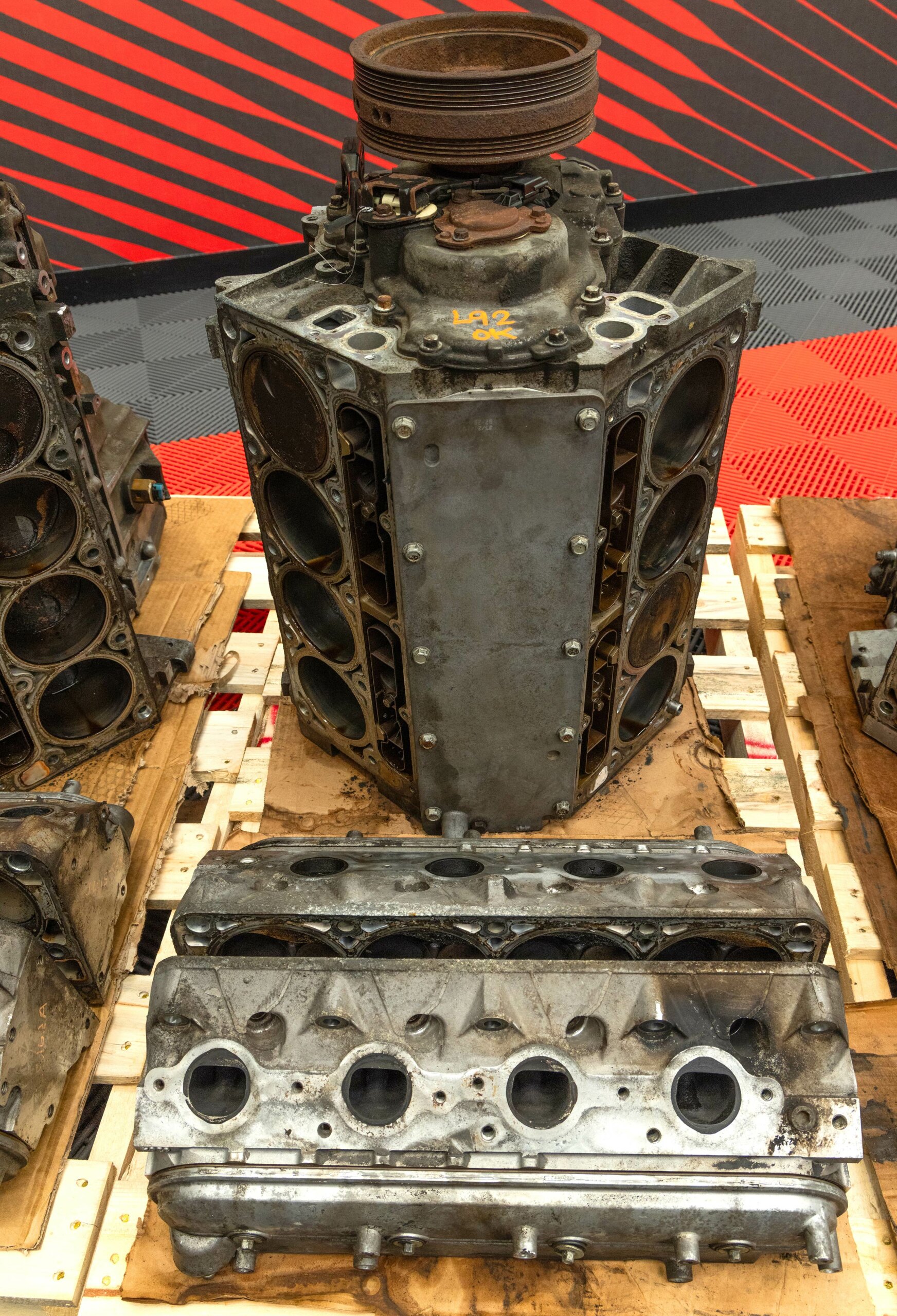
In 2009, the L92 was modified for flex-fuel capability and renamed the L9H, and was again renamed to L94 when AFM technology was added in 2010, with production ending in 2014. With 10.5:1 compression, all-alloy construction, rectangle-port heads, drive-by-wire throttlebody, and electronic sensors, there is a strong case to be made for building one of these motors up.
While the powdered-metal rods, cast pistons and alloy block limit their ability to swallow boost safely, these engines do offer a much cheaper entry point to a 6.2-litre alloy LS than a second-hand LS3. The #823 heads are basically the same castings, so all the base materials are there to build a lightweight muscle car powerhouse with a killer cam-and-heads package, and is an easy way to stick a built 6.2-litre into your VE or VF Commodore.

BORE/STROKE
While the external dimensions and 9.2in deck height of these production motors are all largely the same, the bore/stroke changes as capacity climbs. Here are the more popular capacities and the bore/stroke of each, which are common to both the Gen III and the Gen IV generations.
| Capacity | Bore/stroke (inches) |
| 4807cc/293ci | 3.78/3.27 |
| 5328cc/325ci | 3.78/3.62 |
| 5665cc/346ci | 3.89/3.62 |
| 5967cc/364ci | 4.00/3.62 |
| 6.2L/376ci | 4.065/3.62 |
| 7.0L/427ci | 4.125/4.00 |
Visit the website: precisionintl.com
Comments