
We are very sad to report that Aussie custom car legend Dale Fisher has passed away yesterday at the age of 92. Dale was an extremely talented innovator, who quietly helped shape the car scene in this country from a very young age. Below, we’ve reproduced in full our interview with Dale from the Street Machine Hot Rod Annual 2009, but first a few words from fellow custom guru, Paul Kelly:
Dale was a pioneer of custom car building in Australia, starting as an apprentice in 1950. Convertible conversions was where it began for Dale, first with a then near-new FJ Holden and over the next 30 years many different makes and models followed.
Over his career, Dale performed over 800 different modifications, too many to list individually. He later became a TAFE teacher and passed his knowledge and skills on to many more enthusiasts. Dale was a true gentleman, and would help out anyone wanting to learn the art of metal shaping and lead wiping .
Rest well Dale, my good friend. You have left a great legacy in this country and inspired many others to try their hands at personalizing their cars. Paul Kelly

Originally published in Street Machine Hot Rod Annual, 2009
Had he grown up in South California in the early fifties instead of Sydney town, Dale Fisher would very likely be as well known amongst custom car aficionados as Gene Winfield, Dean Jefferies or even Sam Barris. Heck, if he had a younger brother like George Barris in charge of promotions, there is no question that Dale would be a household name by now.
As it is, Dale is held in high esteem amongst the small group of old-school customisers that are still wielding the hammer and gas axe, including John ‘Chopper’ Katsanis and Smooth Customs’s Paul Kelly. These blokes have enough runs on the board to appreciate the quality of Dale’s work and the perspective to understand what a trail-blazer he was.
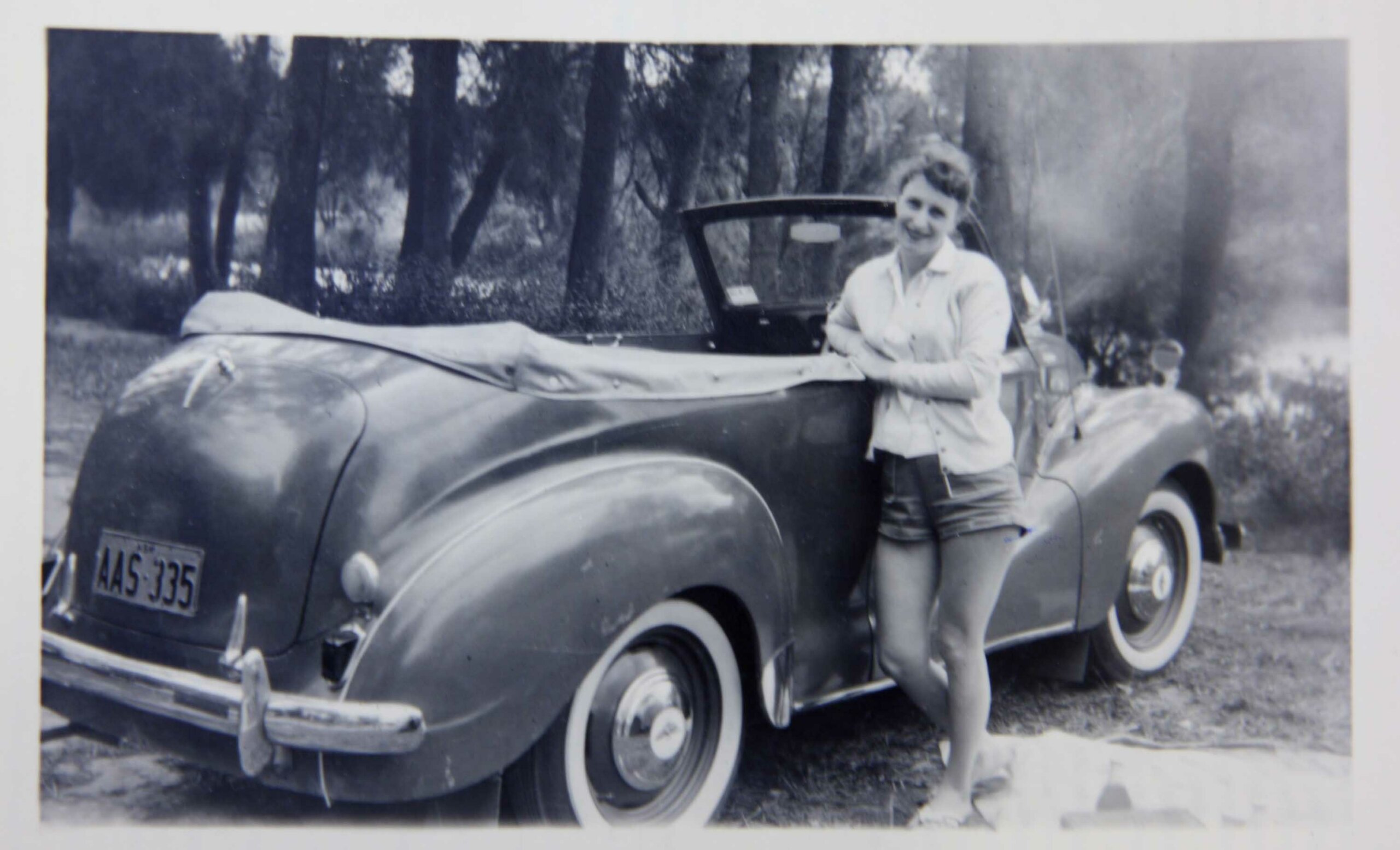
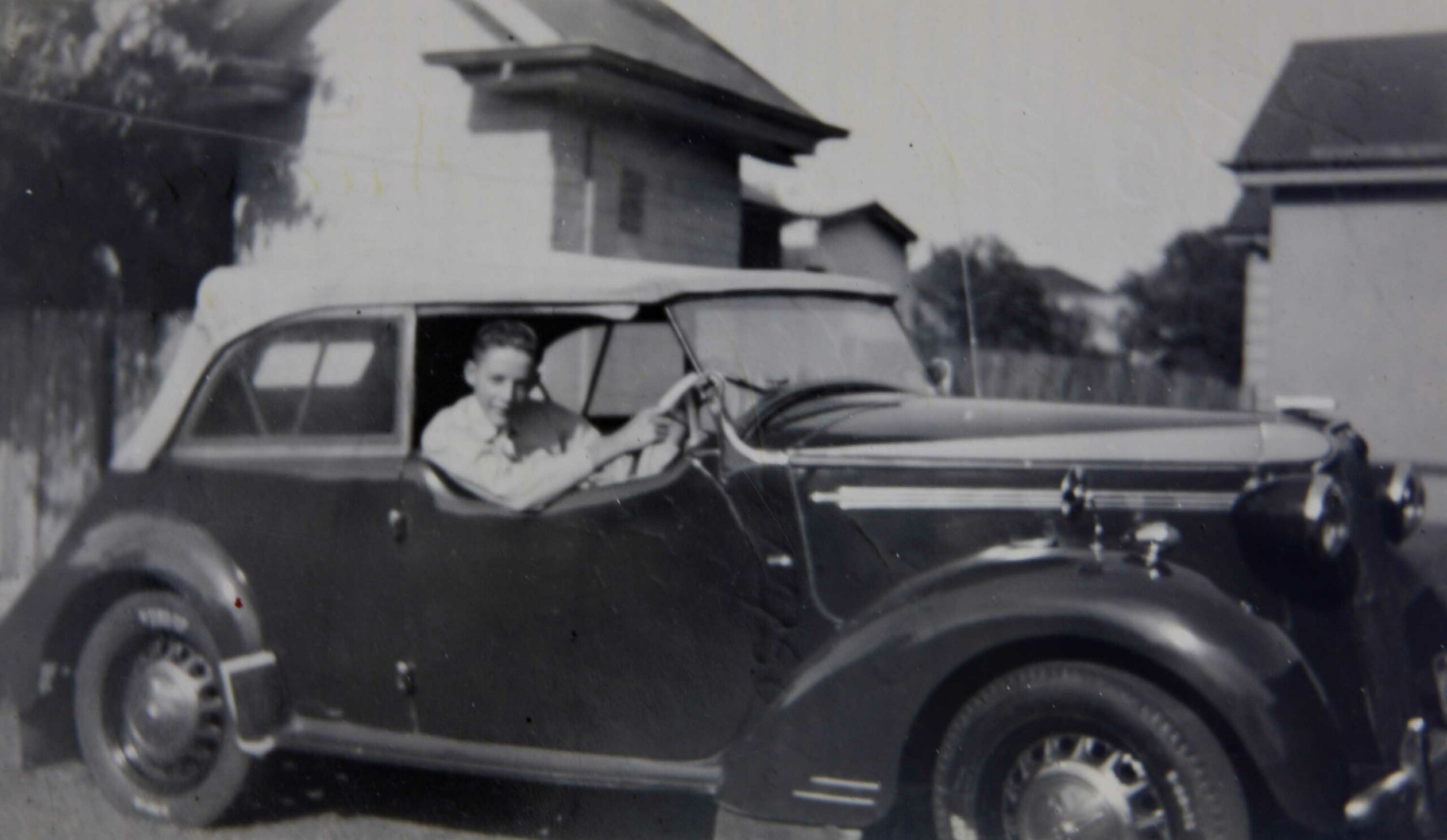
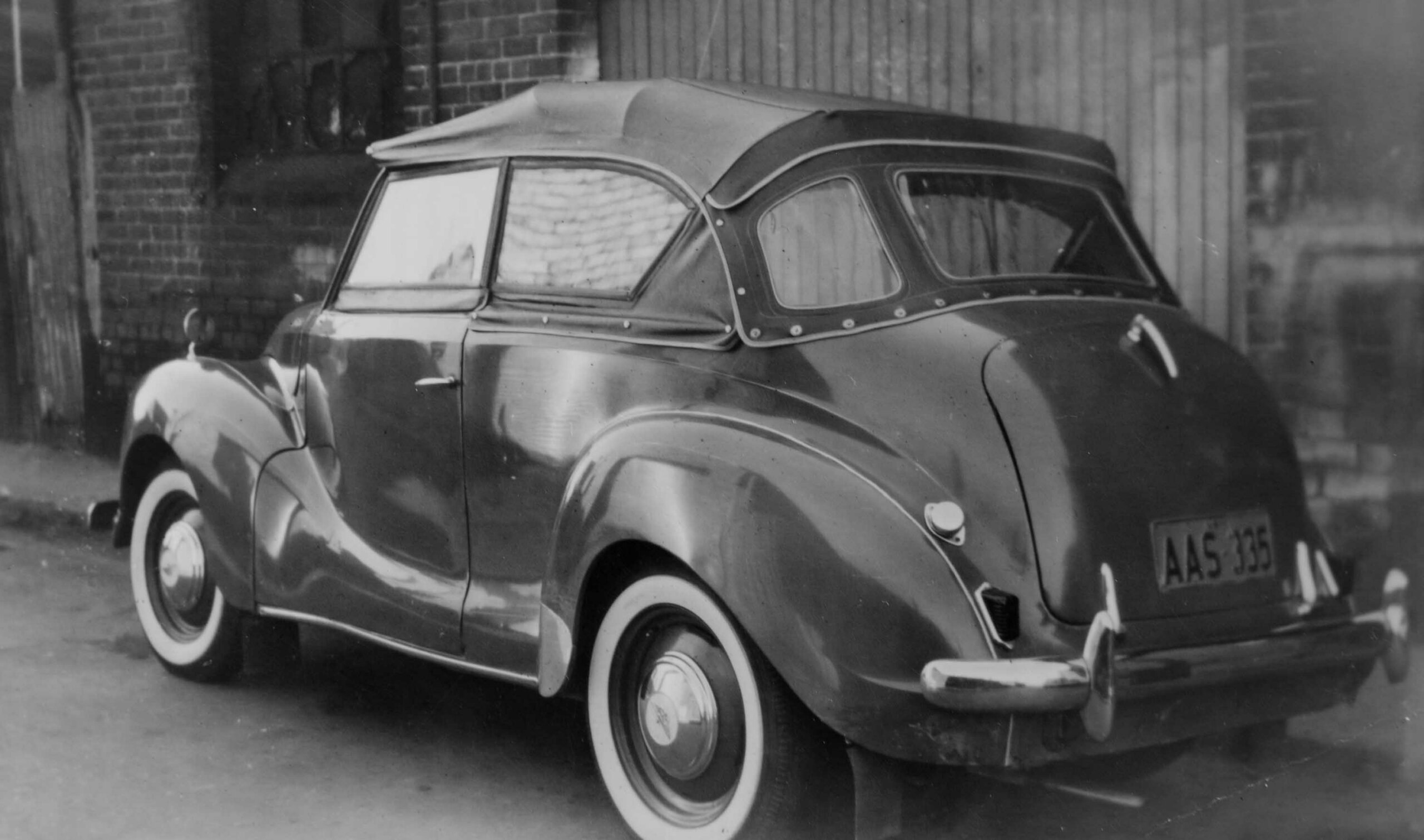
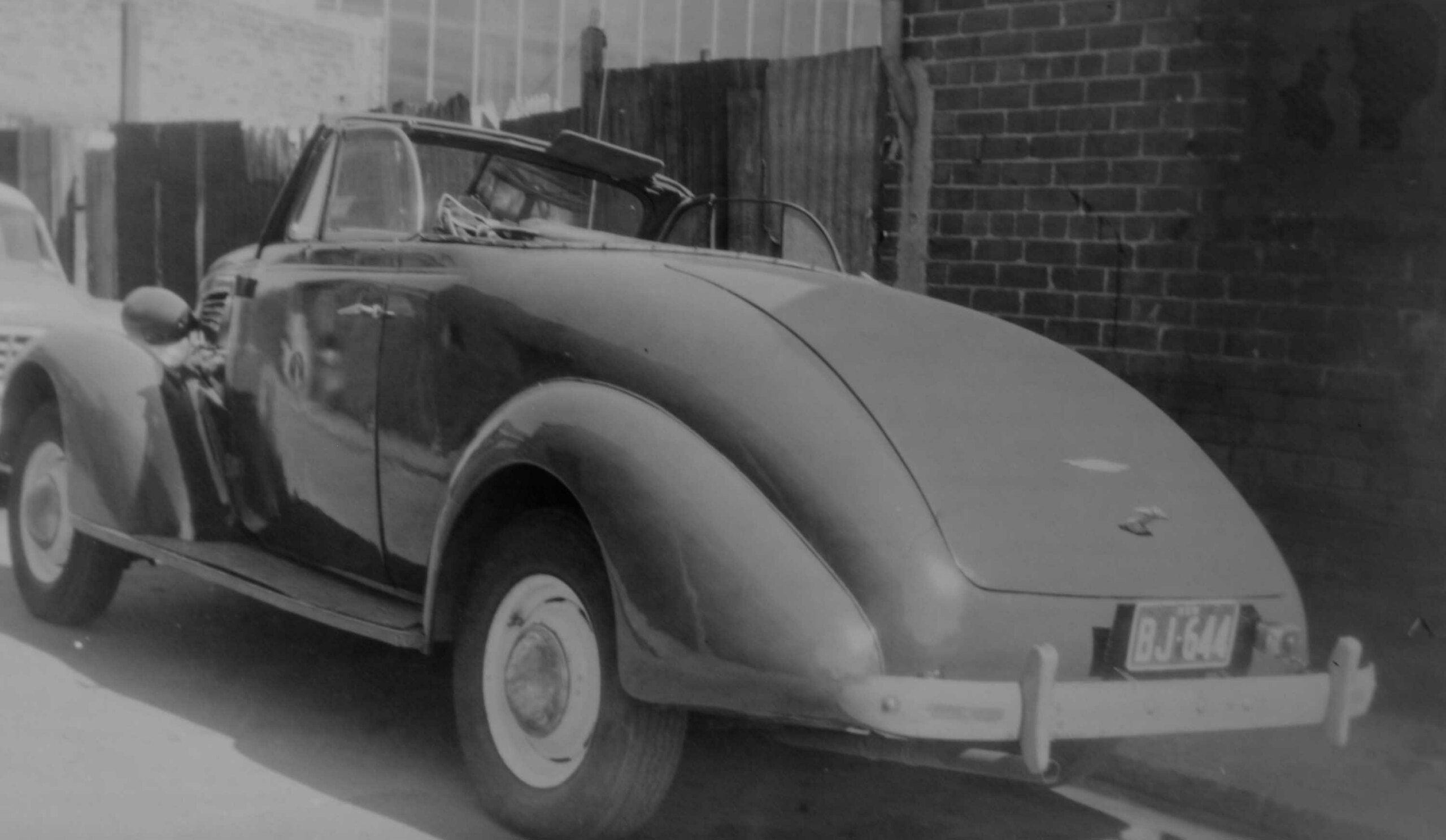
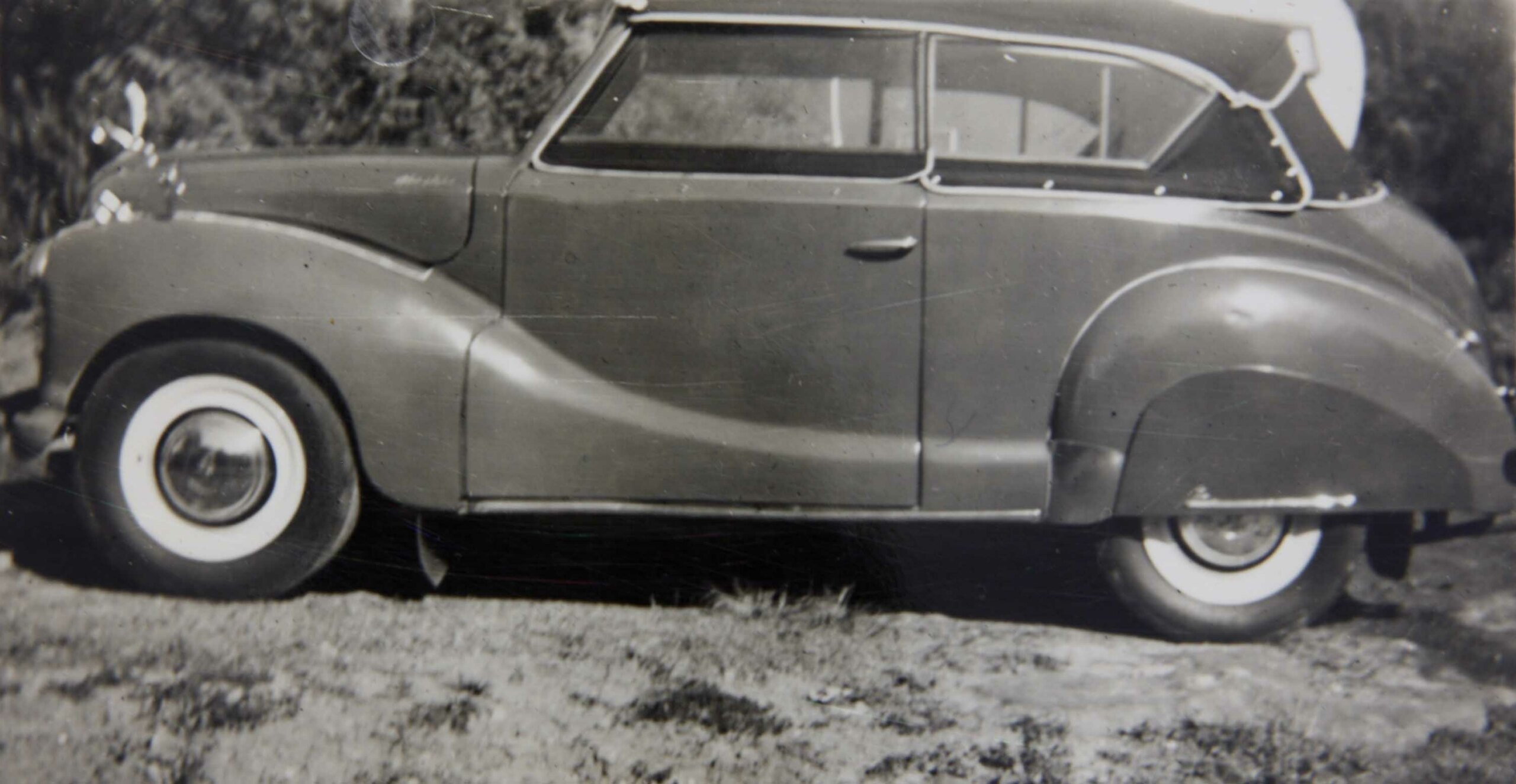
It was Dale’s youthful ambition to work in car design, but life took him on a different path and led him to an apprenticeship in the NRMA body shop. His first car was a ’38 Morris 850 – bought and fixed before he had a licence – followed by a wilder Austin A40 and then a rare Austin Atlantic. If you are wondering why Dale would bother with Austins, remember that this was back when the FJ Holden was brand-new and small pommy cars were the thing to have for a young bloke on the go.
Sydney in the early 50s was a radically different place to LA during the same period. While George and Sam Barris had brand new Mercs, Buicks and Fords to play with, Dale and his mates had to make do with significantly different raw material.
Dale’s first drop-top build is a perfect example of making do. “While I was at the NRMA, I met Roly Huyshe, who was an apprentice in the mechanical section. We became mates and when a FJ came in for a replacement roof, we got to thinking about building a convertible.”
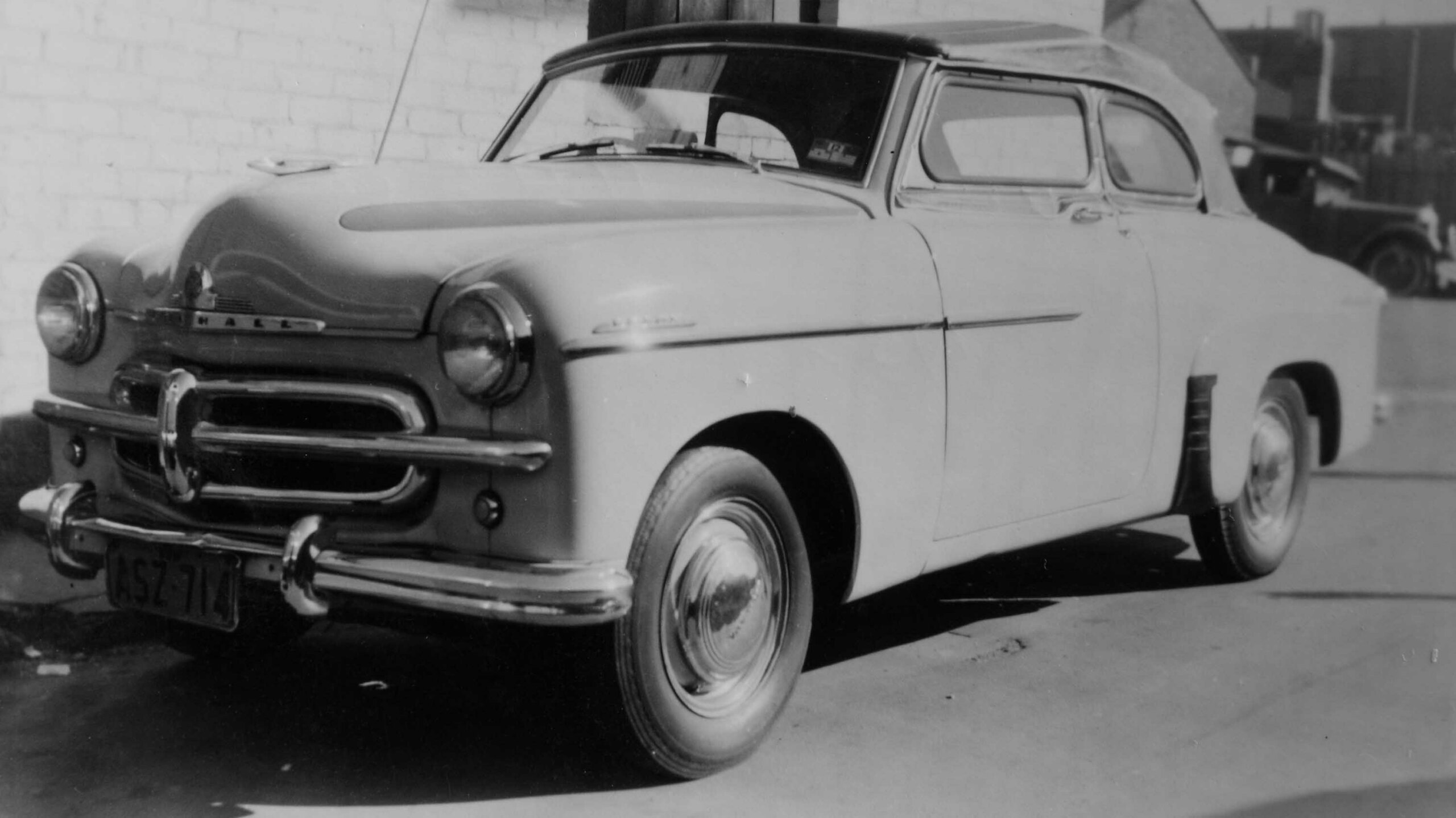
In ‘55, Roly went out and bought a smashed FX and Dale turned it into a two-door, lopped off the top and turned it into an FJ. Finished in cream and green duco, the car looked for all the world like a factory effort, the ultimate compliment to any customiser. It was the first of many convertibles that Dale would build and inspired many others.
So if Dale’s contemporaries in So Cal were building chop top customs, why were Aussies so keen on removing the roofs altogether? “Back in the 50s, convertibles – particularly US cars – were always very expensive,” says Dale. By the time you could afford one, they were cactus. Even then, there was only a very small range of convertibles on the market. People wanted them, so the only thing to do was to build your own.”
While Dale was to build many more convertibles over the years, much of his work was small styling updates that be done in a day or two, so the owner could go back to using their car as soon as possible. These ranged from modified mouldings, to custom grilles, taillights, peaked headlights and twin headlight conversions – all aimed at adding some individuality to the customer’s pride and joy. Most of these blokes weren’t what we would think of today as ‘custom guys’ or hot rodders – they were simply guys who wanted their cars to look different to the rest of the herd.
There wasn’t enough of them to make a full-time business of it though, and Dale was poached from the NRMA to work for Harvey and Berwick body shop. The deal allowed Dale to use the workshop facilities after hours and on weekends, meaning that he could take on bigger jobs,including a ’48 Packard Super 8 for Bob Rowston.
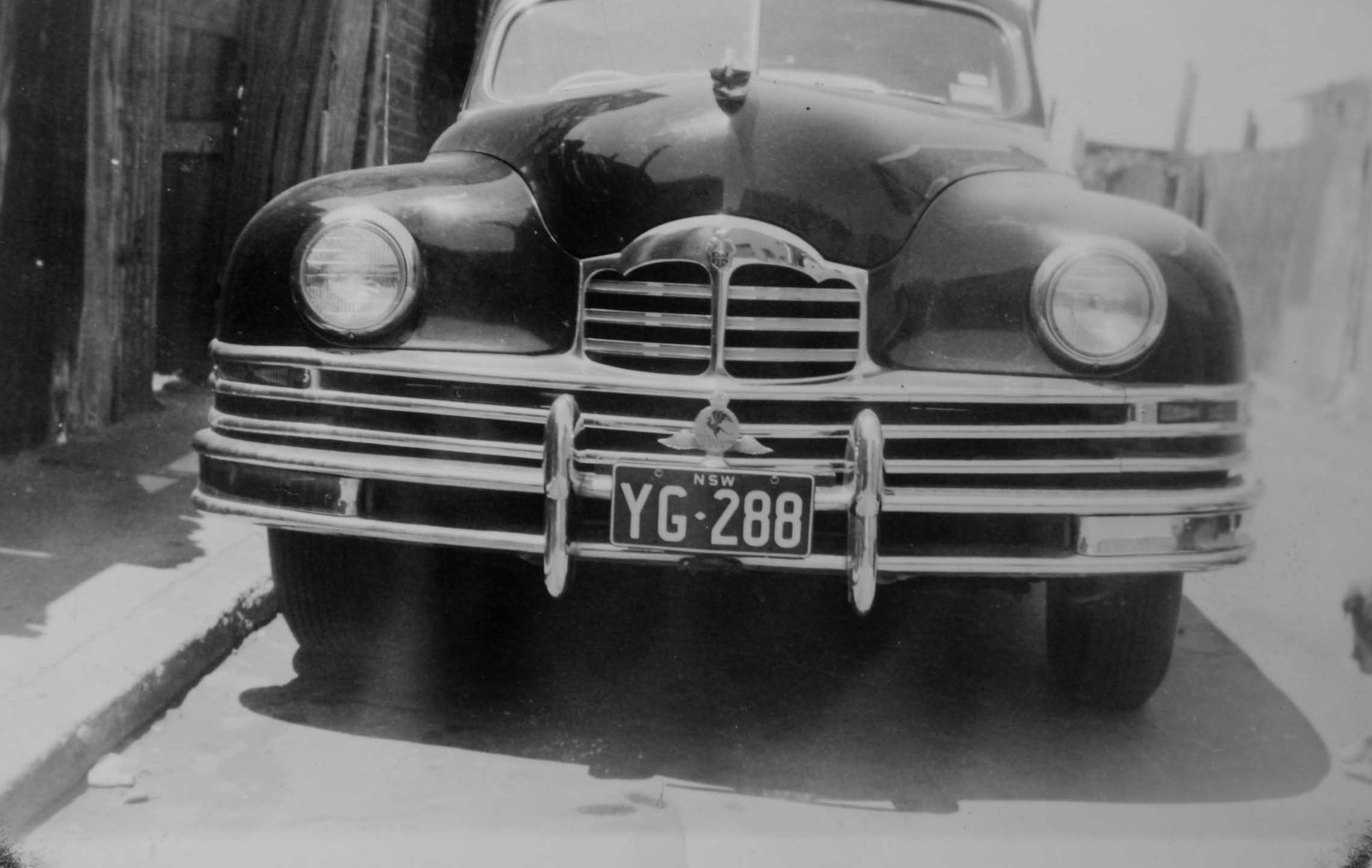
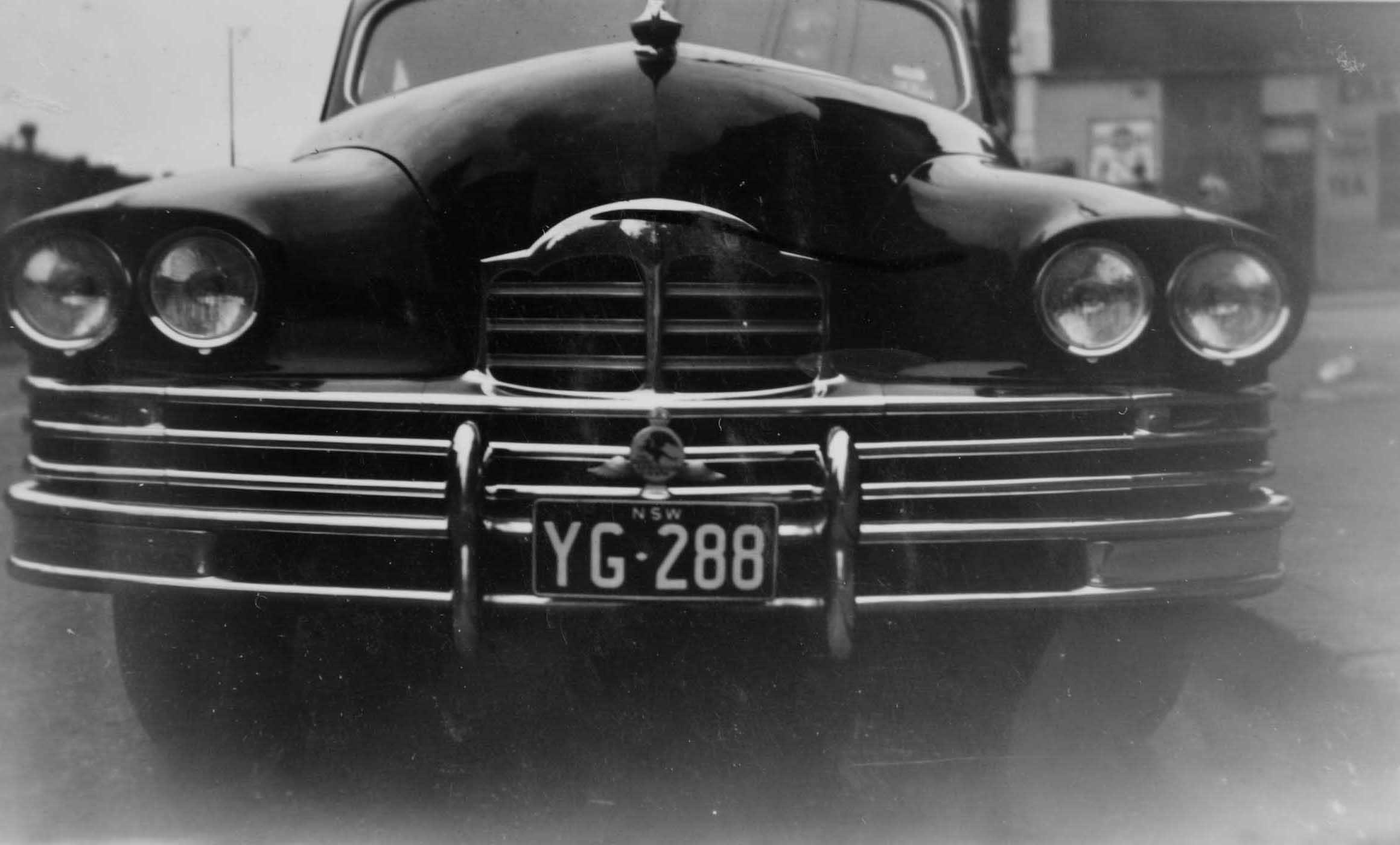
The Packard was a rare and expensive car (there were only four in the country at the time), but the cashed-up Rowston wanted a full custom job, which included Renault Dauphine twin headlights, a continental kit, ’56 Packard taillights and new fins to accommodate them. The car was completed in ’57, but Rowston was killed shortly after in an air race and a landmark Australian custom disappeared forever.
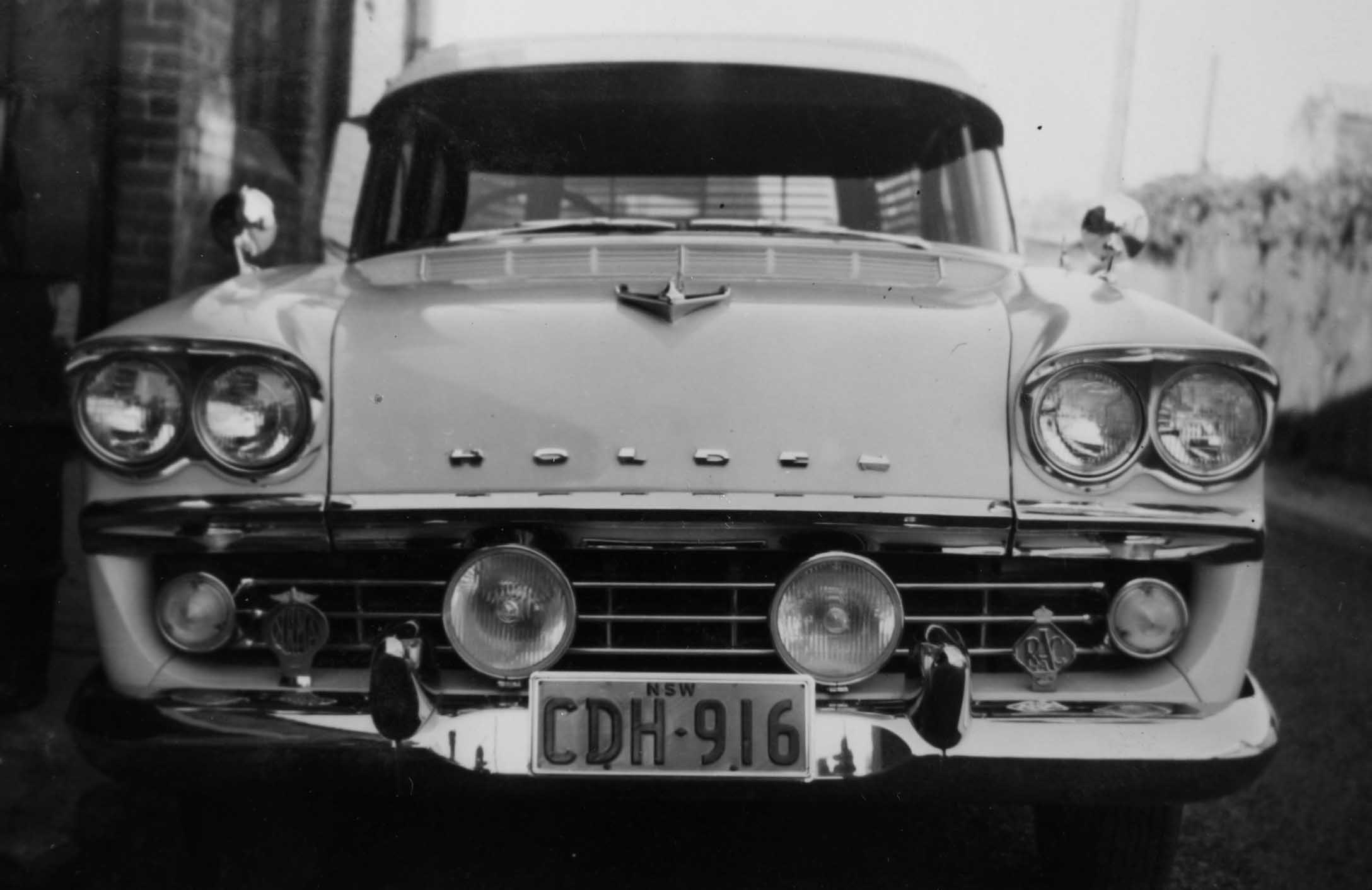
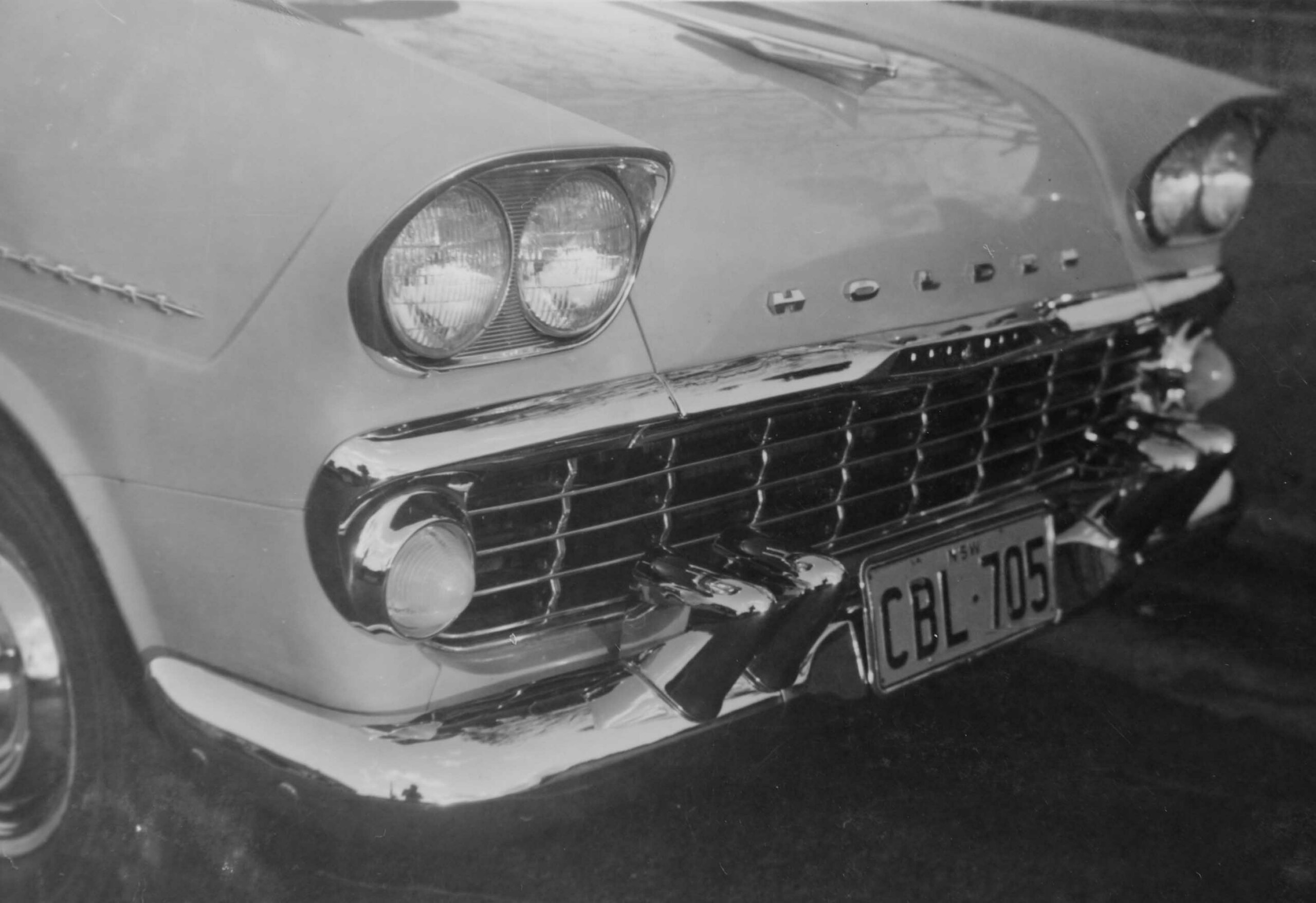
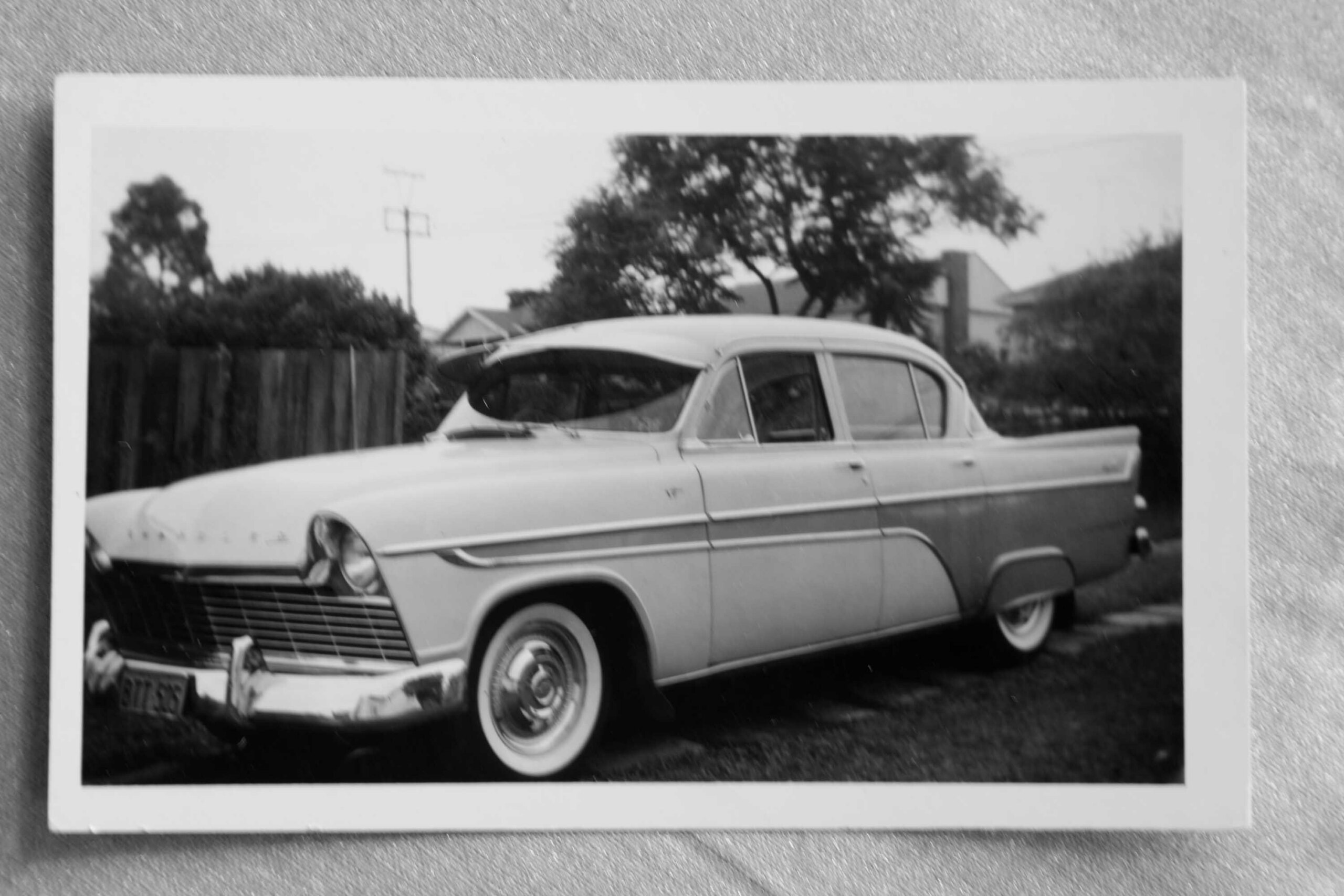
Even so, the short time that the Packard was on the road was enough to generate a trend for twin vertical headlights and Dale performed similar conversions to a range of cars using Nash Rambler, Humber Snipe and ’58 Chev and ‘58 Pontiac lights. These included a number of FB-EK Holdens – some of which were brand-new cars at the time. Dale says that these jobs were never exact replicas of each other. “Blokes see a particular mod done to another guy’s car and ask for the same thing, but I always did each job slightly differently. That is the whole point of customising – you don’t want it to look like anyone else’s car!”
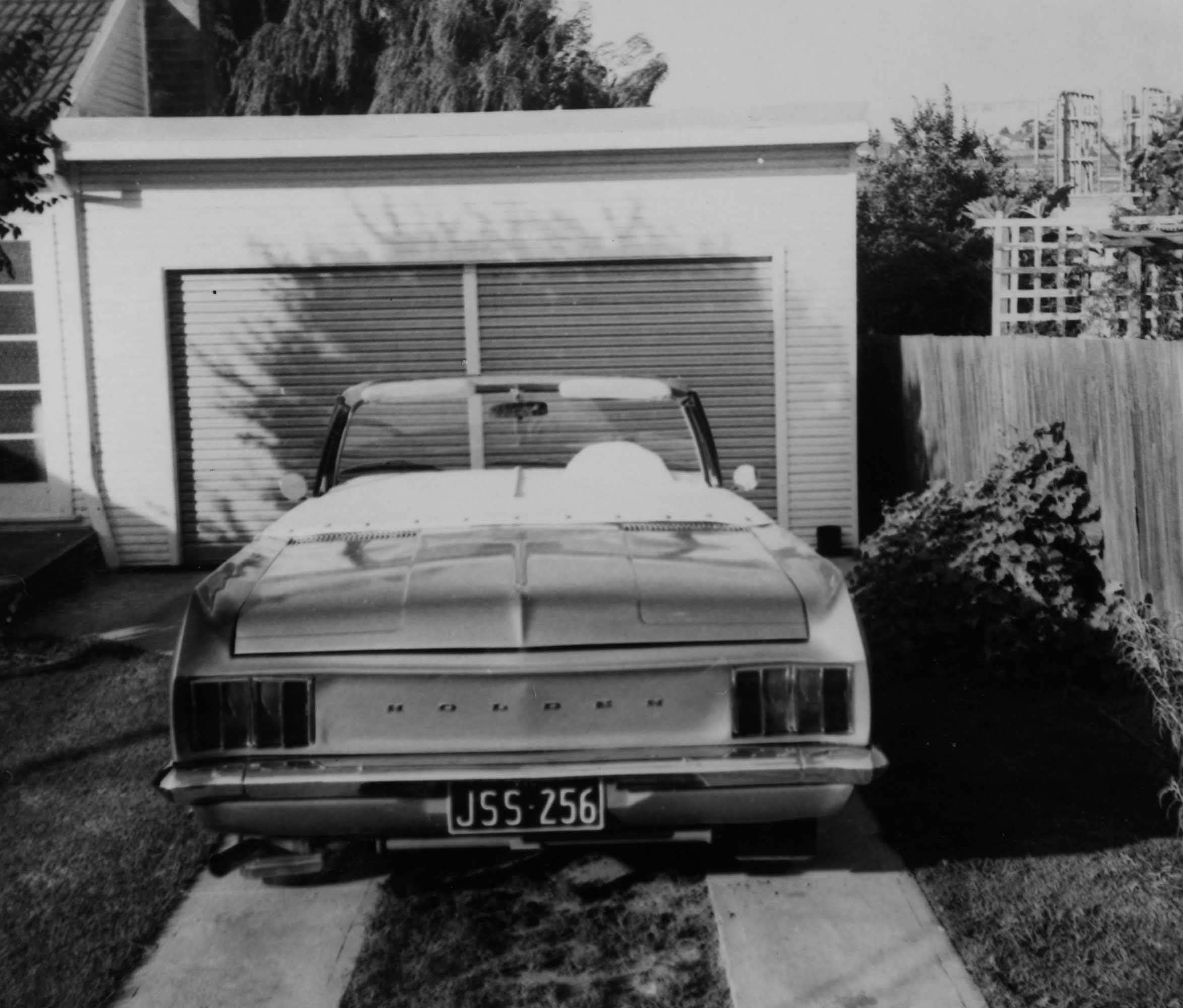
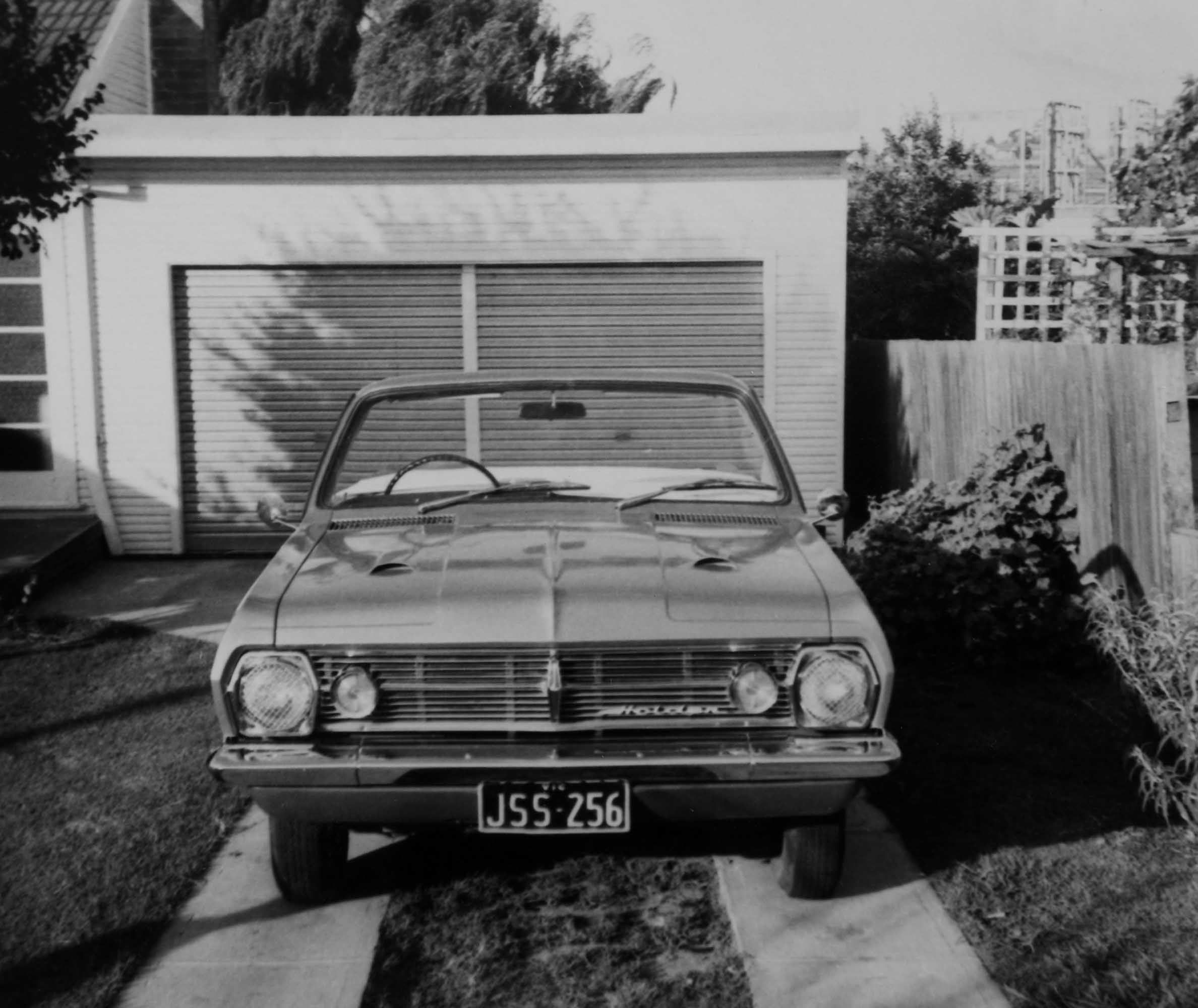
In 1966, Dale left Harvey and Berwick for Castle Hill Auto Repairs, so he could work closer to home. His old bosses were so keen to keep him, the offered to buy him a house near their workshop, but Dale wanted a change. The new shop also allowed him to work on his own projects after hours, which included a bunch of drop tops, including a Customline, XP/XP Falcons and a HR Holden.

This was during the height of the 60s custom boom, when thousands of customs where created in sheds around the country. The new Australian hot rod publishing industry certainly played its part in perpetuating the fad, but there is no doubt that many guys were inspired by seeing one of Dale’s custom jobs that he had been turning out for a decade before the scene took off.
In ’74 Dale began teaching panel beating part time at Granville TAFE and you can bet his students learned some pretty neat tricks, above and beyond the art of body repair. He also taught hobby courses at night for the hot rod set, teaching them how to make their own cycle guards, punch louvers and much more.
Dale opened his own shop in ’76 and the custom jobs kept coming, The home-grown custom boom had died off and the trend at the time was for plenty of fibreglass bolt-ons and of course, panel vans. Dale stuck to his old-school guns and did his stuff in steel. Again, much of the work was done to new or near-new cars, which meant plenty of Toranas, Monaros and late model Falcons.
“Guys would come in wanting Corvette bonnet scoops on their HQ panel van,” remembers Dale. “They’d just want you to fit it with self-tappers and bog it up, then they’d go away and spend $20,000 on paint! I’d tell them that it would look ok for now, but would be cracked within a year and I wouldn’t have a bar of it.”


Dale retired from full time panel beating in ’85, after he was clobbered by a Jaguar while driving his own mild custom Cortina. He switched over to teaching TAFE full-time, which he did until 1995. Since then, Dale has concentrated on classic motorcycle restoration jobs, painstakingly recreating fuel tanks, guards and more, often with only photographs to work from.
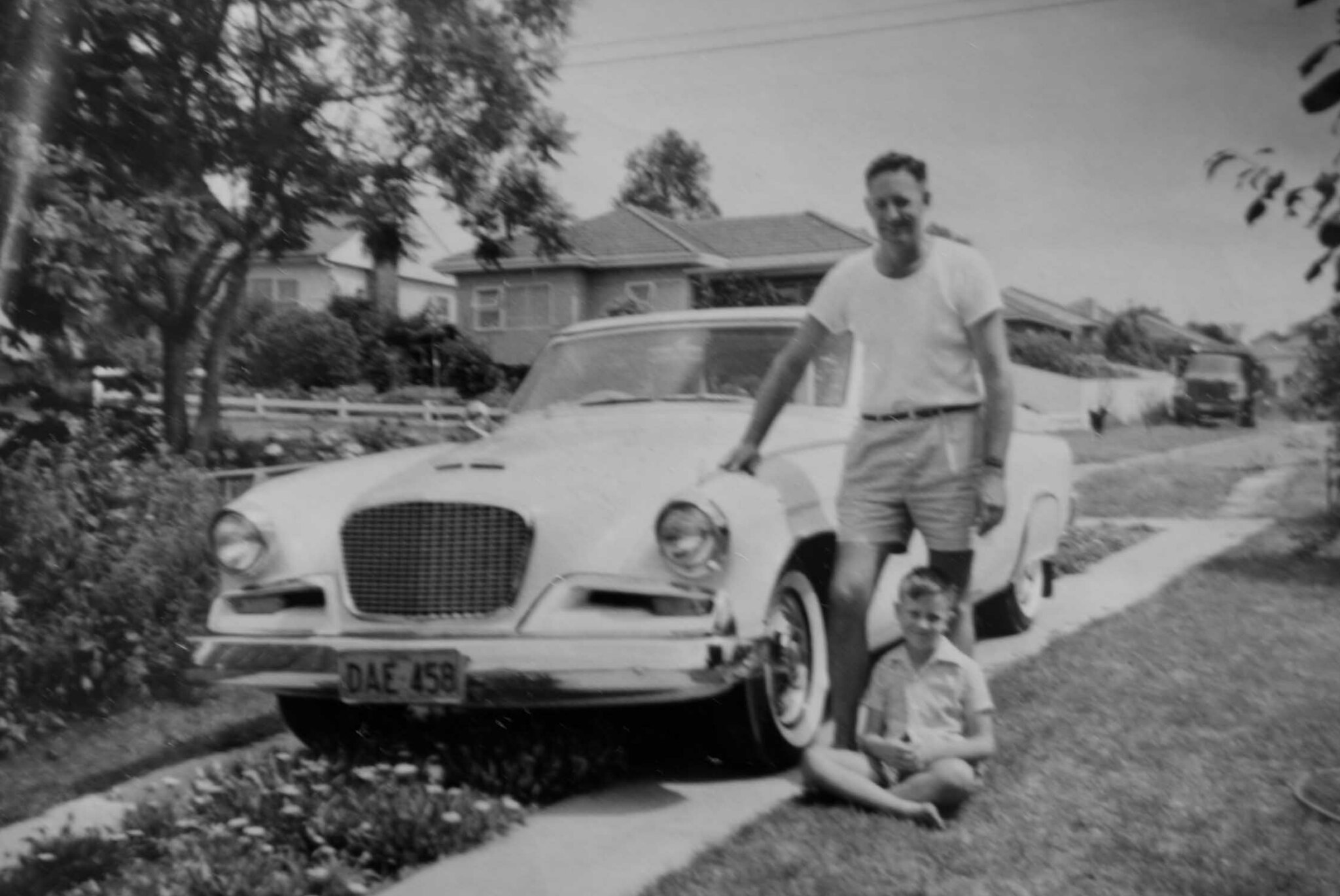
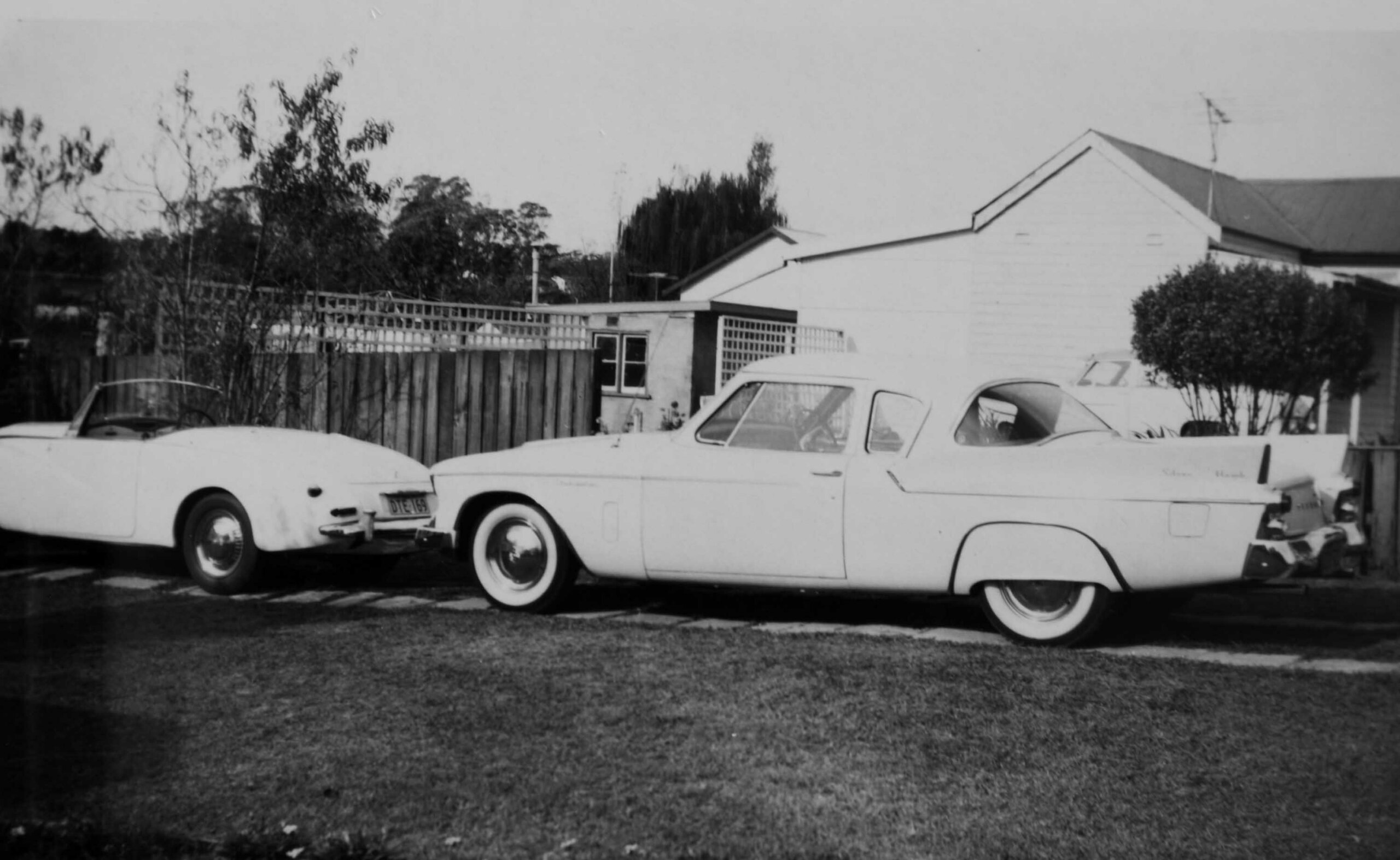
His daily driver is a mild custom Cressida, which is parked beside his magnificent Studebaker Hawk GT, which has a Fisher convertible job, continental kit and has in recent years been modified to look like a prototype Packard that never reached production.
Dale has become a real Stude nut over the years and was the founding president of the NSW branch of the Studebaker Club. He’s passed his affliction onto his son Darryn, who owns no less than five Studebakers and refuses to buy a newer car!
Looking back through Dale’s photo albums and sketch pads, one can’t help be struck not only by how prolific the bloke was, but also the keenness of his eye for subtle modifications. Dale grew up in an era when money was tight, so he aimed to give his customs plenty of impact and individuality for minimal outlay.
The modern disease of throwing money at cars to produce yet another car with a full set of Autometers, big-inch billets and airbrushed insanity doesn’t make sense to him, so it is gratifying to see a resurgence of interest in both mild customs and the art of metalwork itself. There have been plenty of early Holdens, Vals and Falcons built in the last few years that owe a debt to Dale’s way of thinking. These cars provide an inexpensive entrée into the wonderful world of custom cars for a new generation – a fine legacy for fine Australian.
CAPTIONS

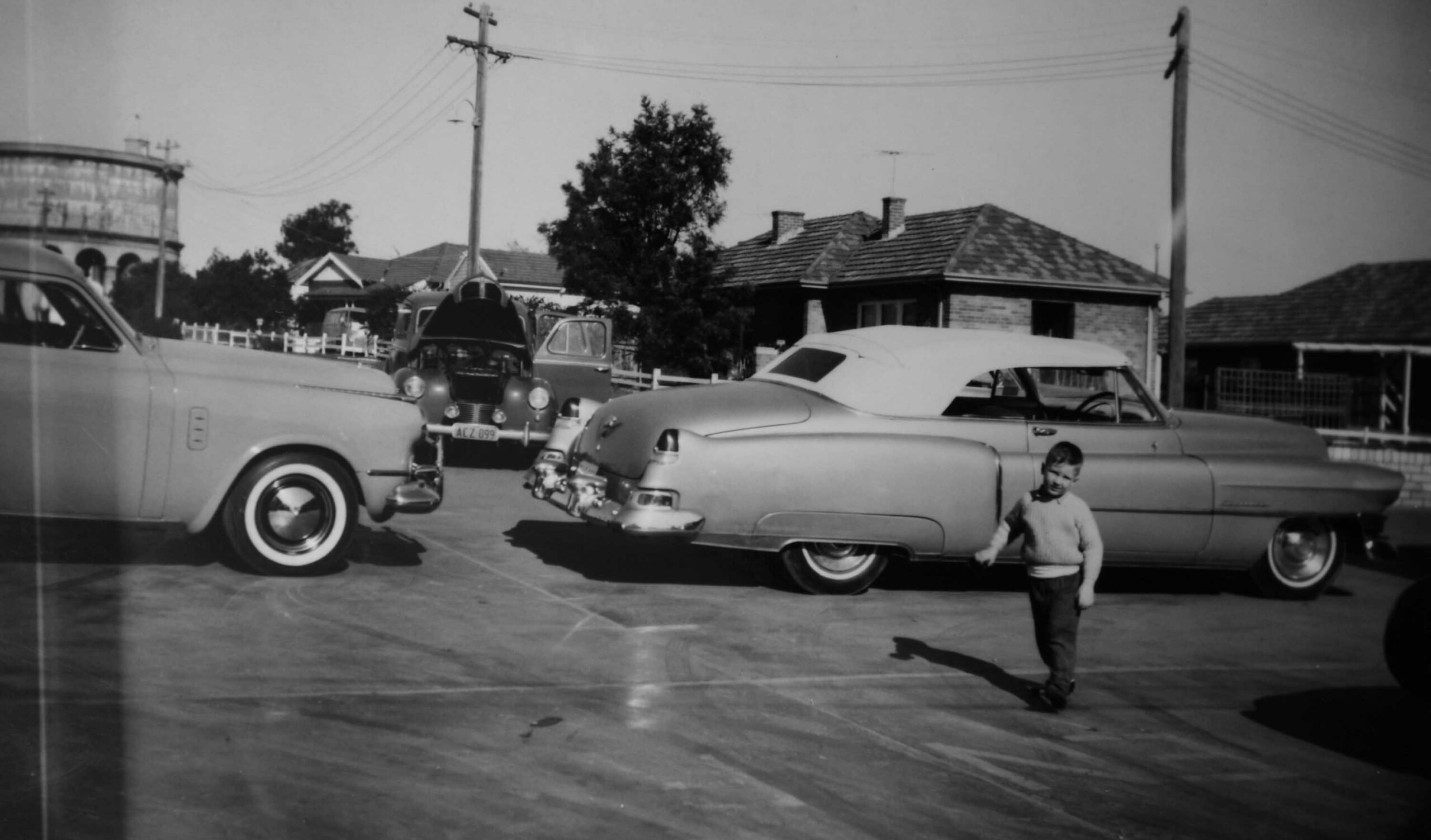
- 1. Dale’s wife Yvonne pictured in the mid 60s with Dale’s ‘52 Cadillac. The Cad ran metallic gold paint and a Biscayne quad headlight conversion

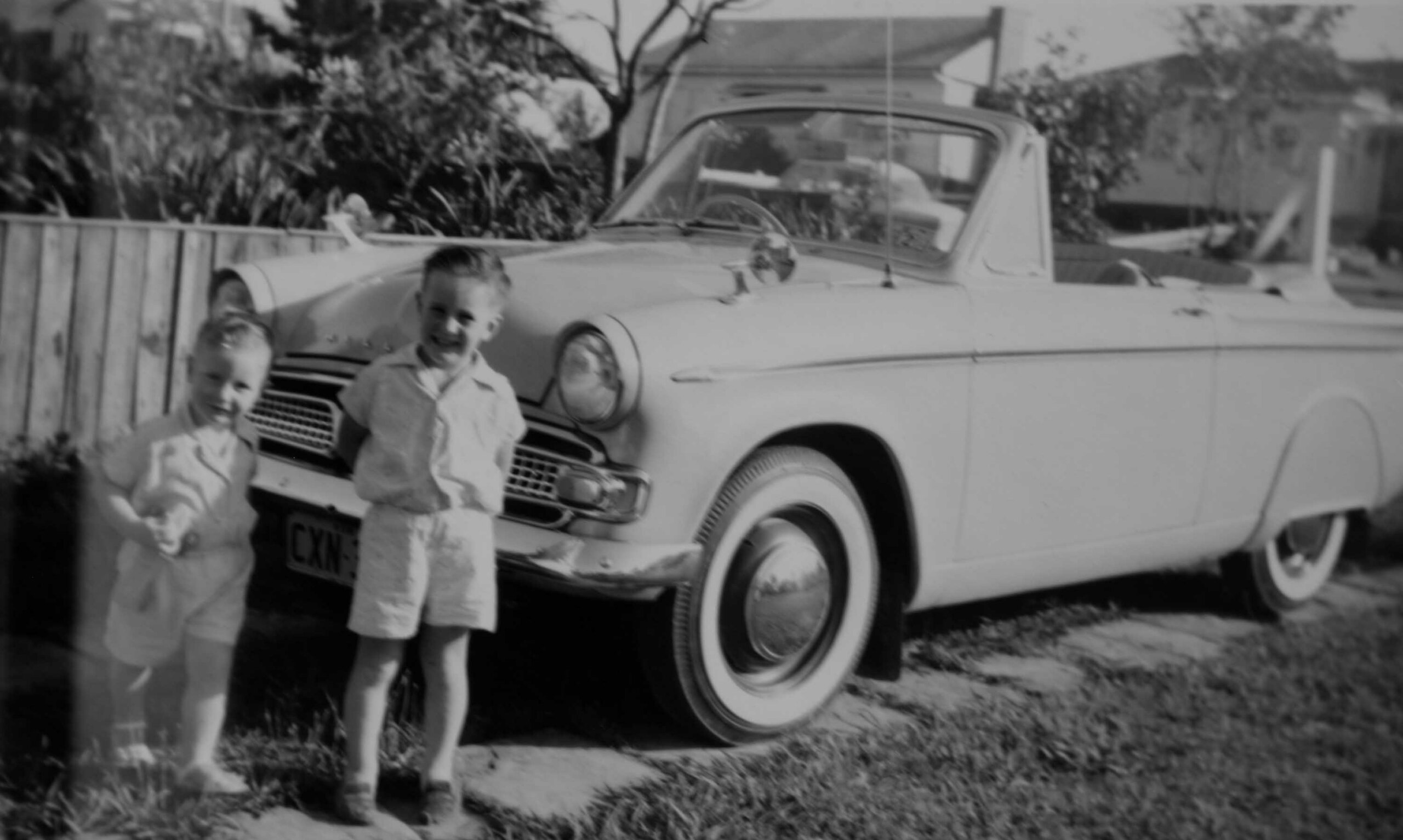
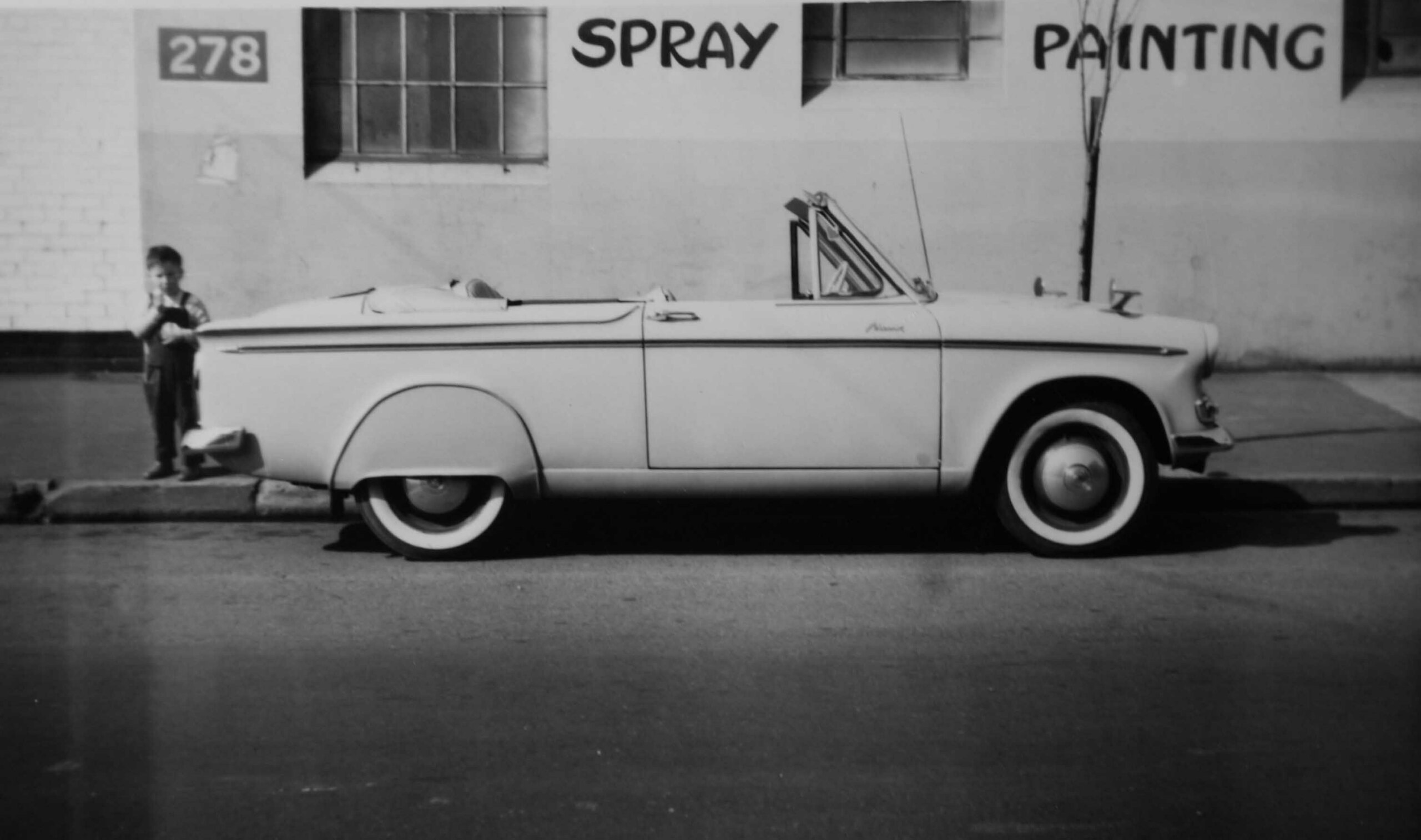
2. A ’50 Plymouth Dale gave the convertible treatment to in 1960

3. Dale turned a number of XM/P hardtops into convertibles. This particularly sweet XM belonged to Joe Swan and featued a 289 donk, Jag ‘box driveline, with a Compact Fairlane dash


4. Bob Wakefield’s stunning XR Falcon, customised to look like a Mustang using an XW front clip, HR headlights, XP grille mesh, modified CD Cortina bumpers and a wedged bonnet and beaver panel!

5. Dale has a serious thing for Studebakers – this one is a ‘59 Silver Hawk and was mildly, but effectively customised with fender skirts, two-tone paint and a black-out B-pillar for that pillarless look

6. Dale at work welding up the rear doors of Roly Huyshe’s FX before removing the lid

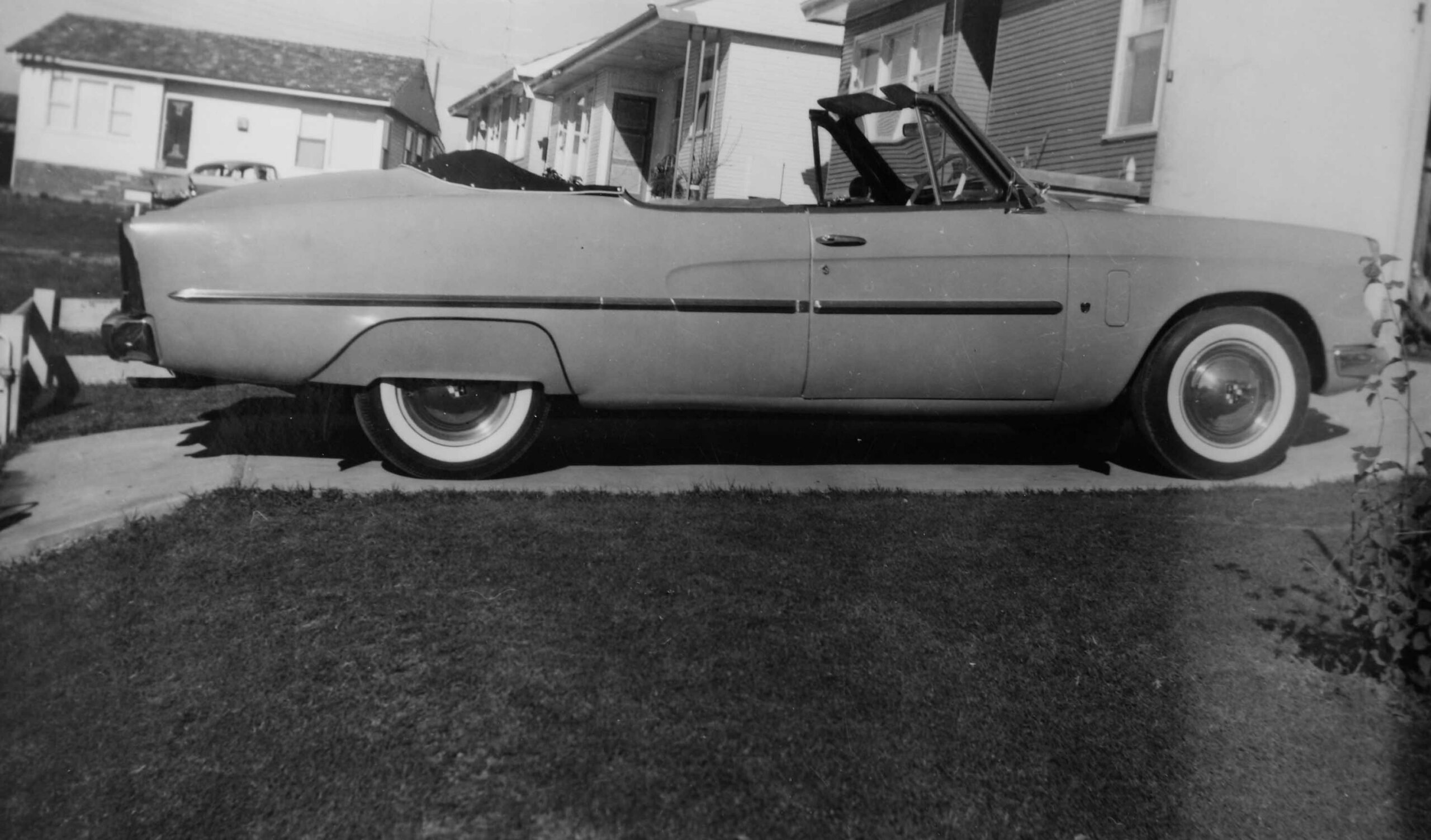
7. Dale turned a ’50 Pontiac four-door into this sweet two-door convertible, with custom fins, extra stainless, a continental kit and his trademark black and corncob yellow duco

8. A 1954 Studebaker Champion, again in corncob yellow and black! This shot was taken at San Souci in 1962, just prior to being sold to a car dealer

9. Dale with the remains of his mild-custom ‘71 Cortina 240L – the results of a run-in with an errant Jag

10. One of many vintage motorbikes that Dale has restored, often starting with little more than a bare frame
Comments