
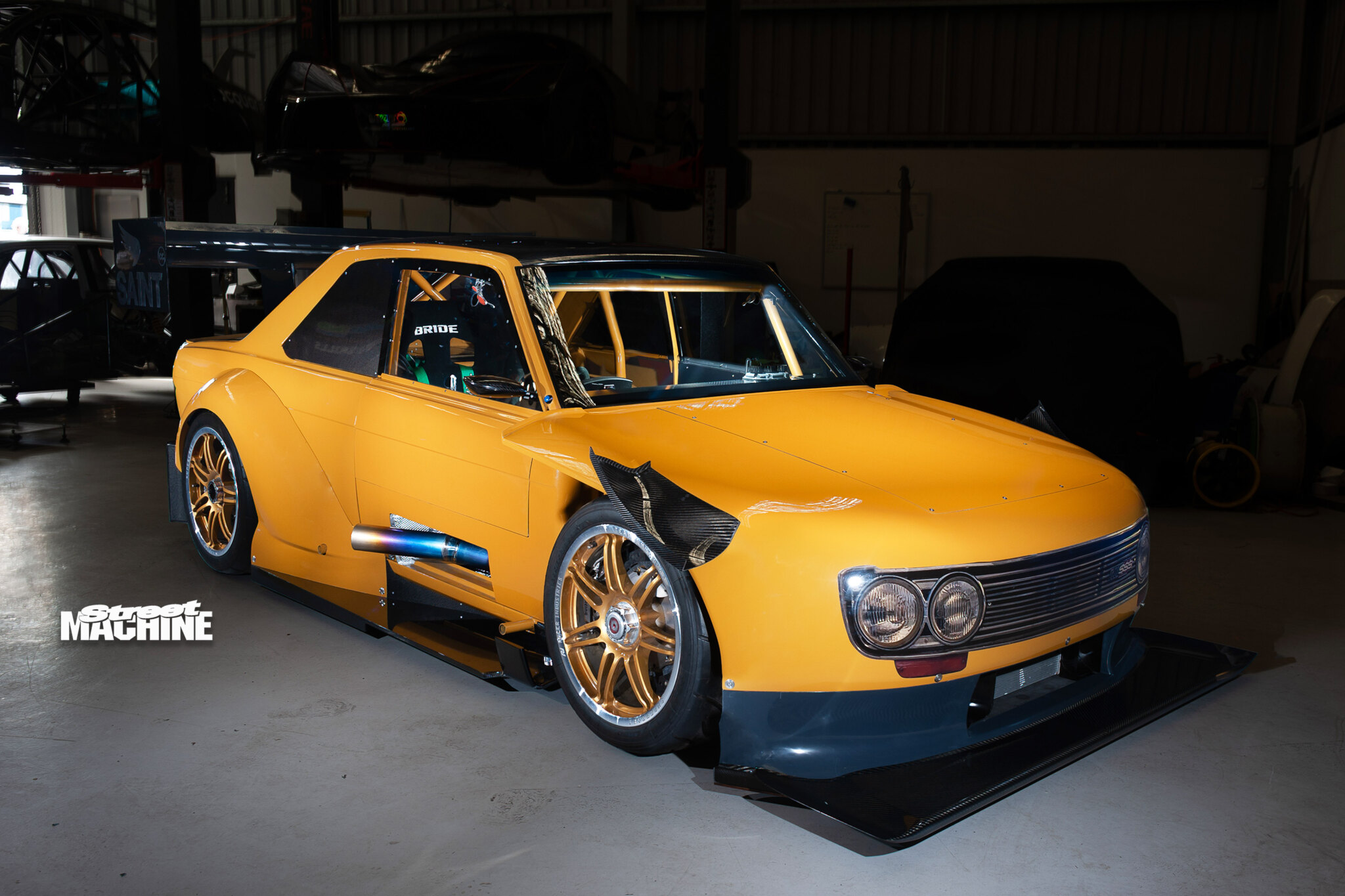
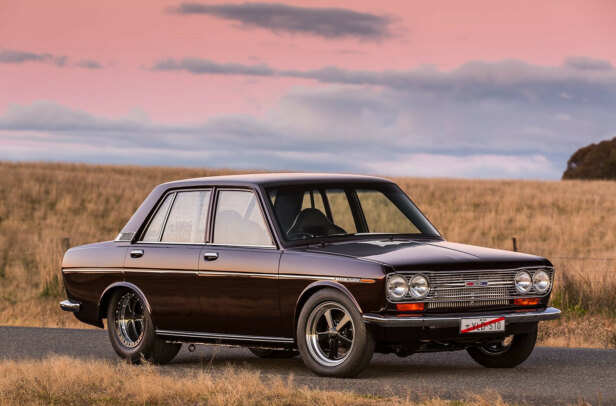
Car enthusiasts are generally products of their upbringing. So, if your dad drove a Kingswood, you’d likely bleed Holden red; if your mum ferried you to school in an XB hardtop, you might have sworn allegiance to the Blue Oval. Dylan Auton’s dad bought Datsuns, and so he’s been a diehard Datto fan for as long as he can recall.
First published in the November 2025 issue of Street Machine

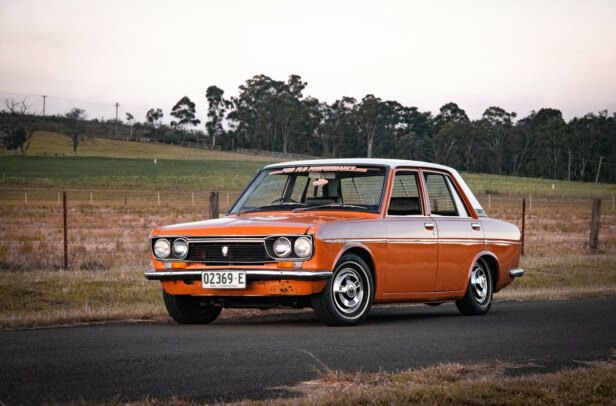
“My dad, John, bought a 1600 new in 1969, and turned it into a rally car almost immediately, so since then there have been Datsuns in the family,” Dylan says. “I’ve owned more than I could count, and eventually they’d all end up with rollcages and getting raced, as my family has a history in motorsport.”
However, one look at Dylan’s latest Datsun should make it clear that this 1600 isn’t likely to pop down to your local show ’n’ shine. “The original goal was to be the quickest Datsun at Phillip Island,” he says. “Then I started attending the World Time Attack Challenge in Sydney.”

Time attack racing originated in Japan in the mid-90s, the simple goal being to set the quickest flying lap time you can. Sydney’s World Time Attack Challenge (WTAC) has become the global centre of the sport, with the best cars lapping Sydney Motorsport Park a monumental 12 seconds faster than a V8 Supercar (read more below).
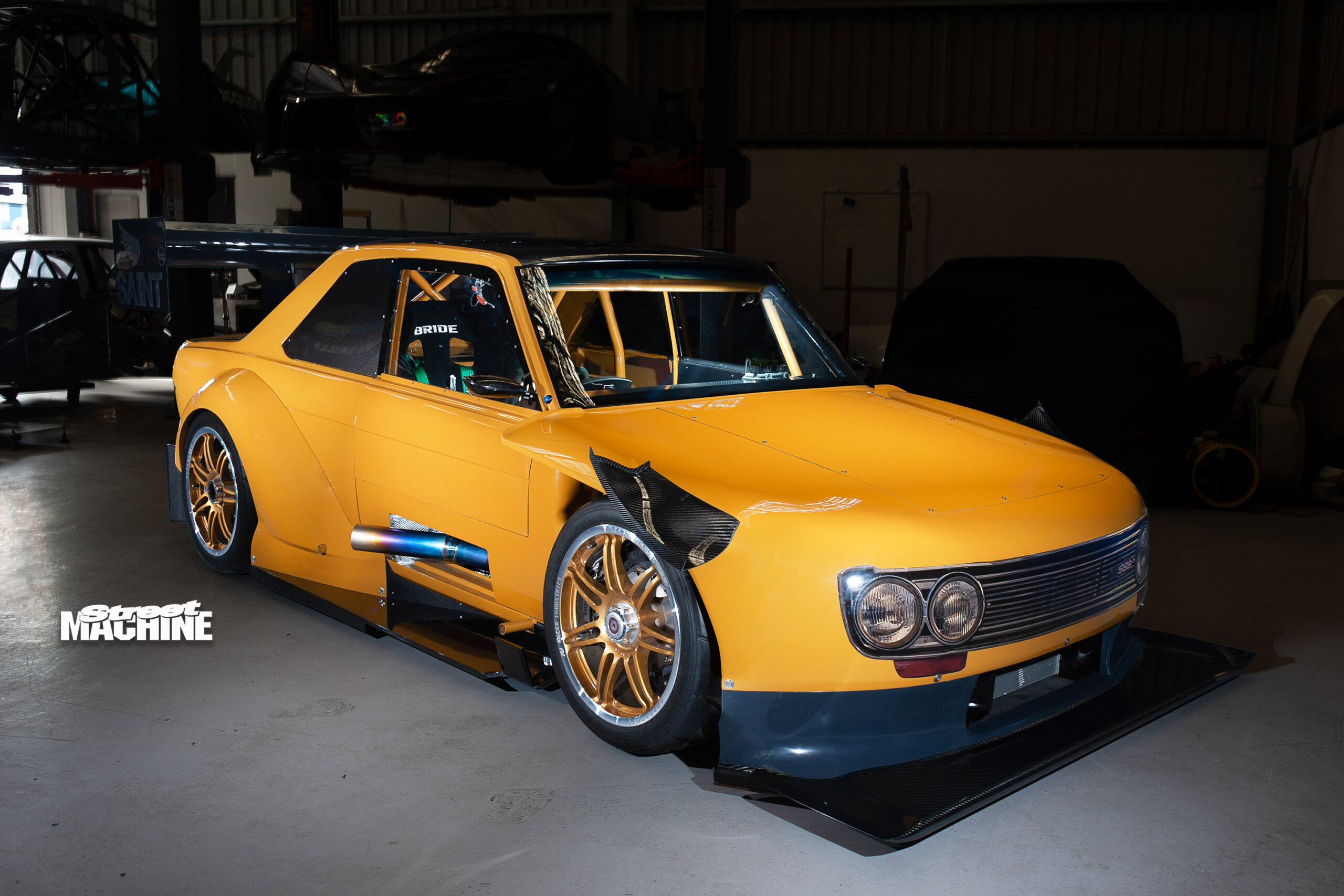
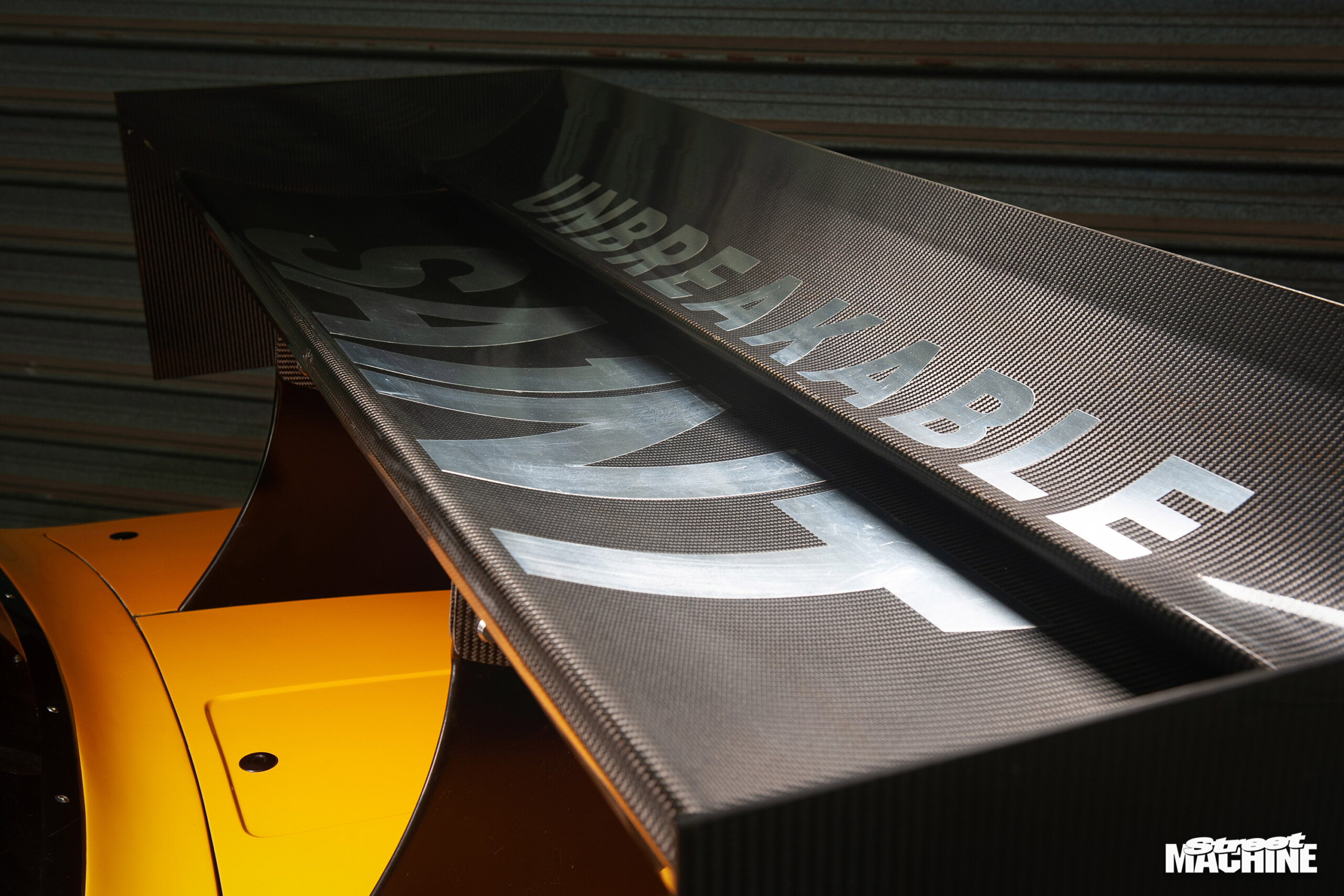
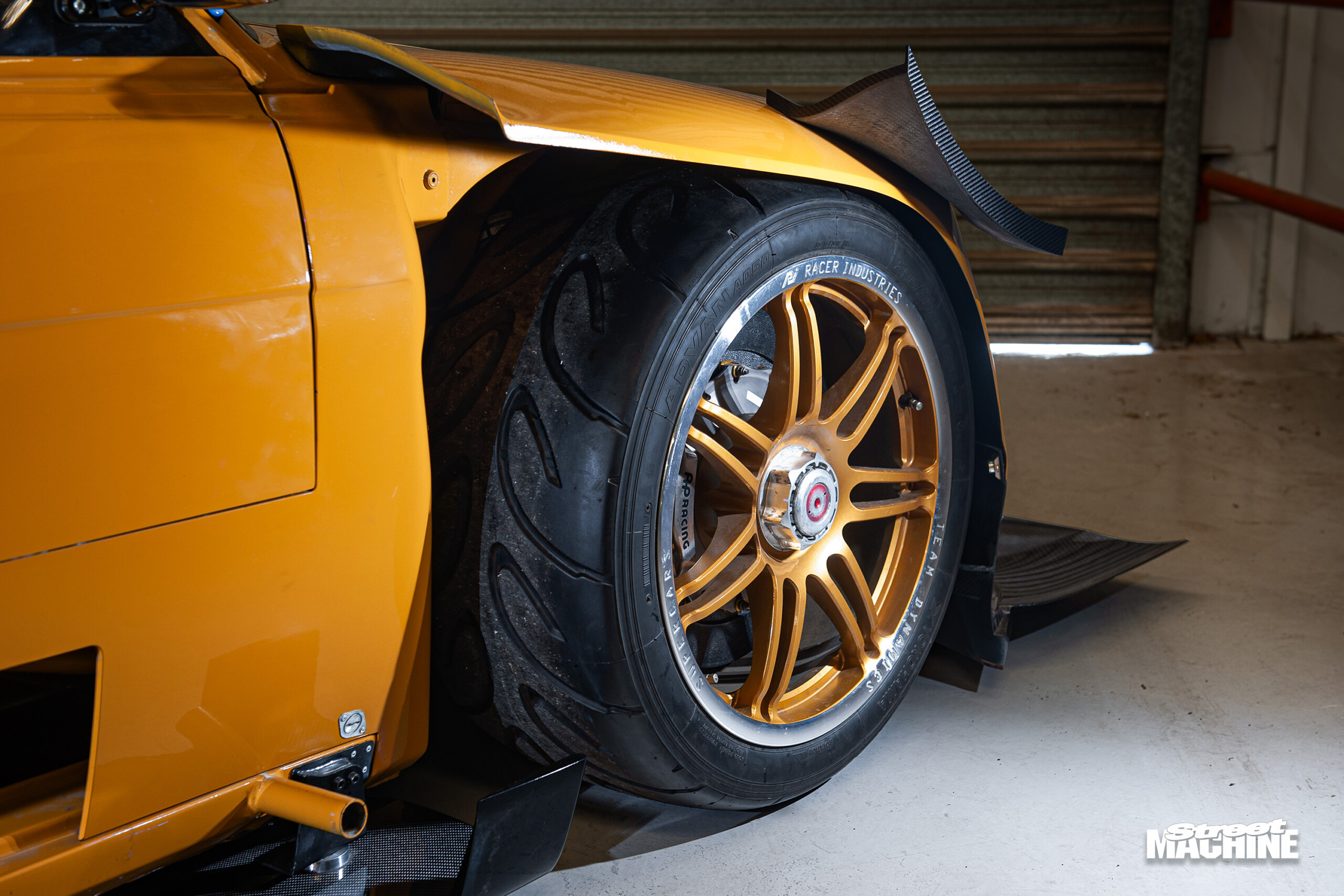
For that reason, Dylan’s Datto packs a wild amount of fabrication. “Dad and I used to build up Datsuns by pillaging parts from other Datsun models, but this time around, we’ve pillaged a V8 Supercar,” he says.
Turning a humble Datsun 1600 into the swiftest time attack machine possible called for an almost complete re-engineering of the car. Andrew Brilliant from AMB Aero created the wild, all-important be-winged aerodynamics package it now sports, undertaking hundreds of computer simulations and models of different modifications before Dylan had even bought the car.

“We scanned an Aussie sedan and a Japanese fastback coupe, but we ended up building the two-door coupe because Andrew’s aerodynamics simulations showed the coupe was far better to work with,” Dylan explains. “It came down to the fact that, to get the rear downforce we wanted, the fastback gave a lot more clear air on the rear wing compared to a sedan.”
The team used a rough Japanese import as their starting point, as they knew they going to cut it up. “It would have been easier to start with a car in nicer condition, but I didn’t want to cut up something rare,” Dylan says.
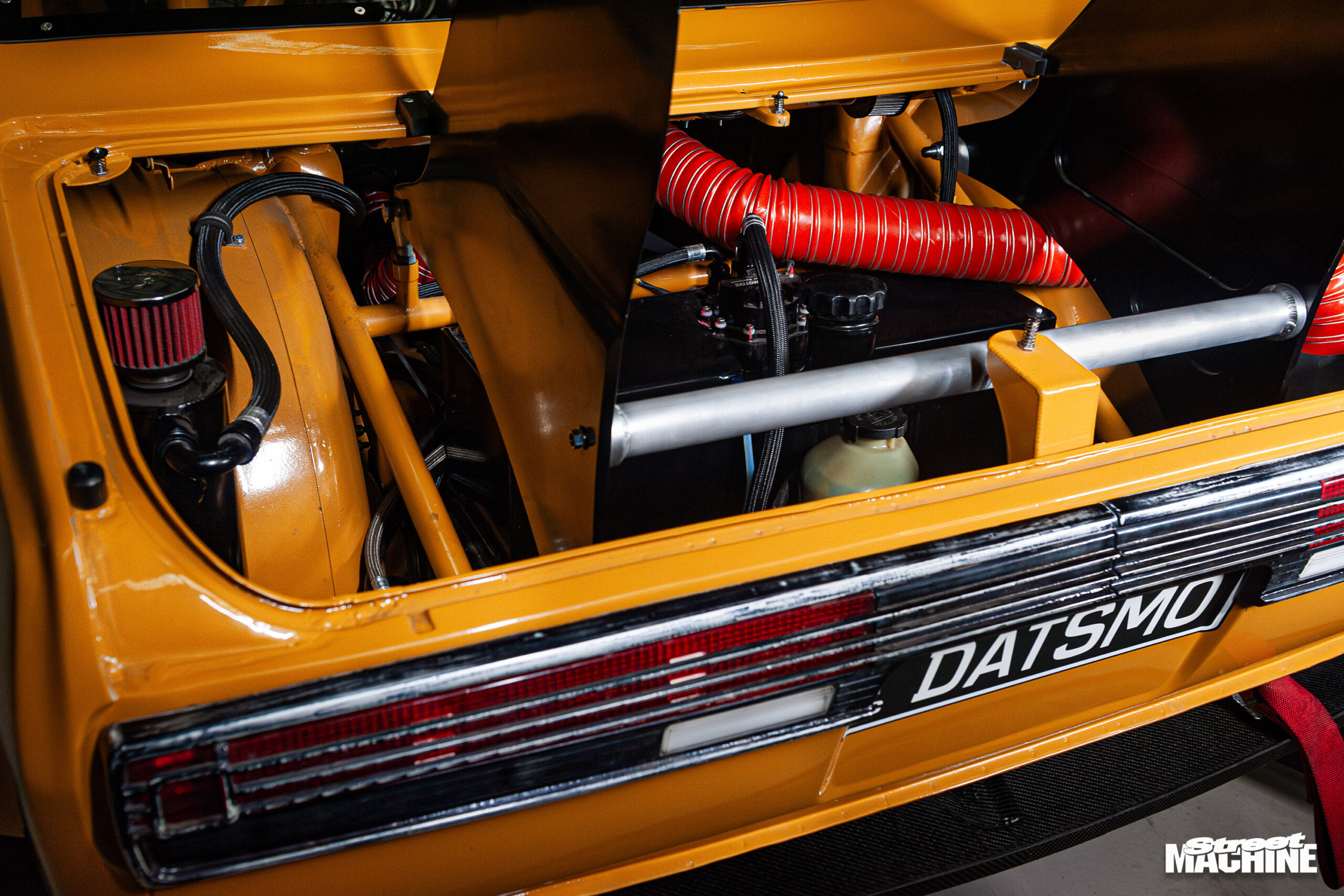
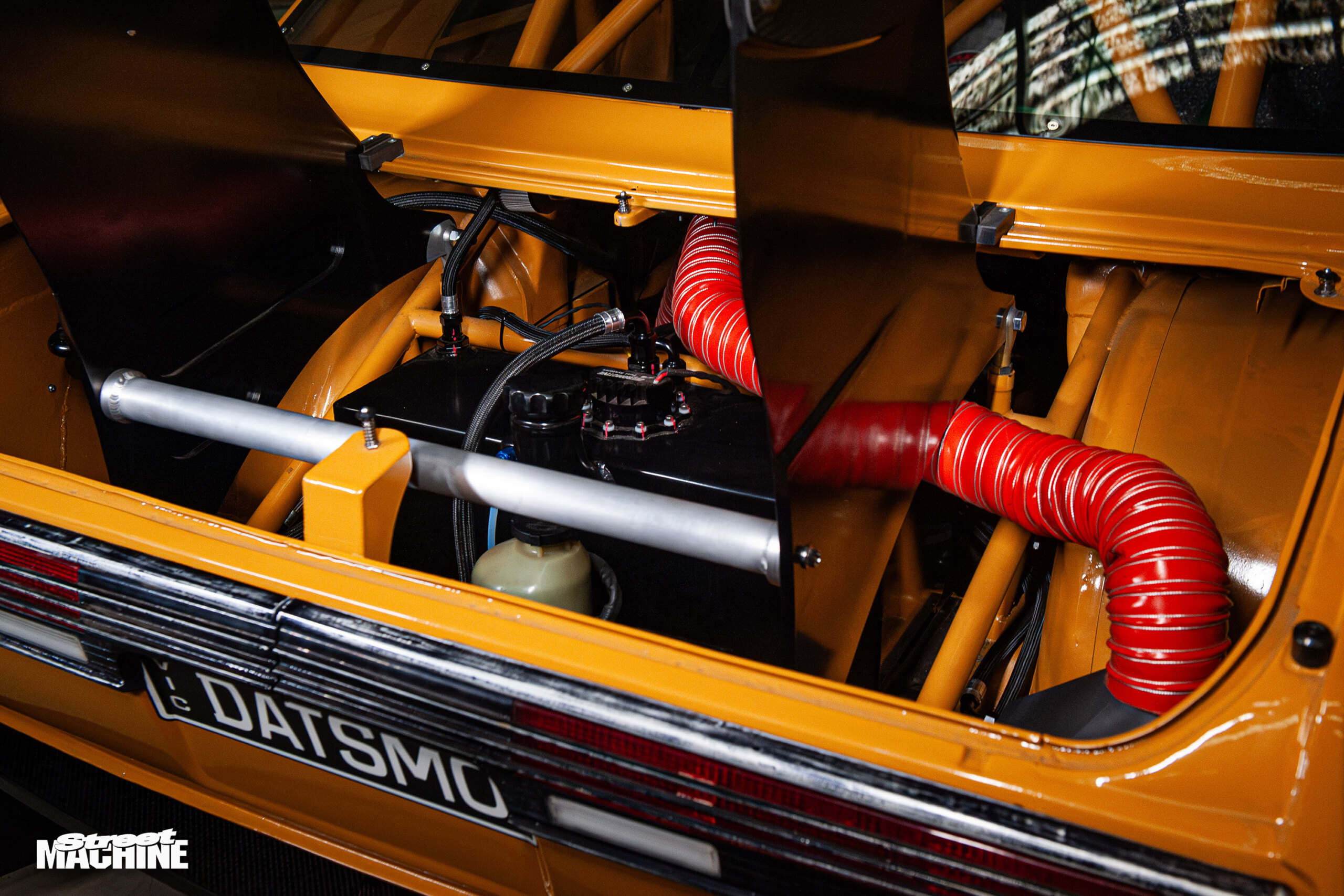
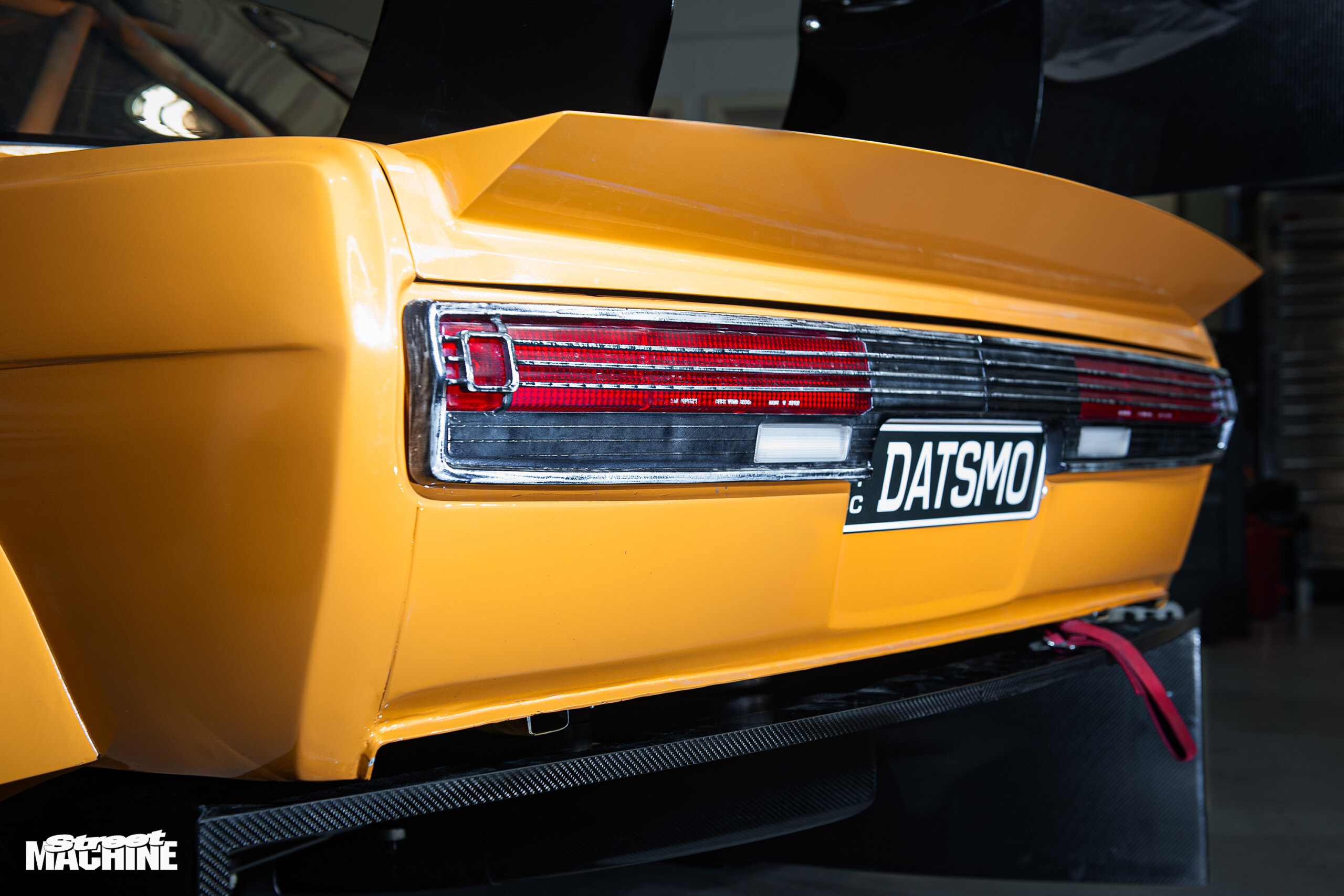
It’s at this point that Liam Hill joins the story. His company, Riverside Racing, has built a name for building wild racing machinery like Liam’s own V8 Supercars-powered Hyundai Excel Sports Sedan.
“Dylan had the car and he was wanting to get serious with it, and was looking for a shop to take on the project,” says Liam. “We had an Albins transaxle from a Tickford Supercar for sale, so they came into the shop to discuss that, and that turned into mounting it up, and then onto building the car. It was a far more basic thing back then with a CA18, though.”
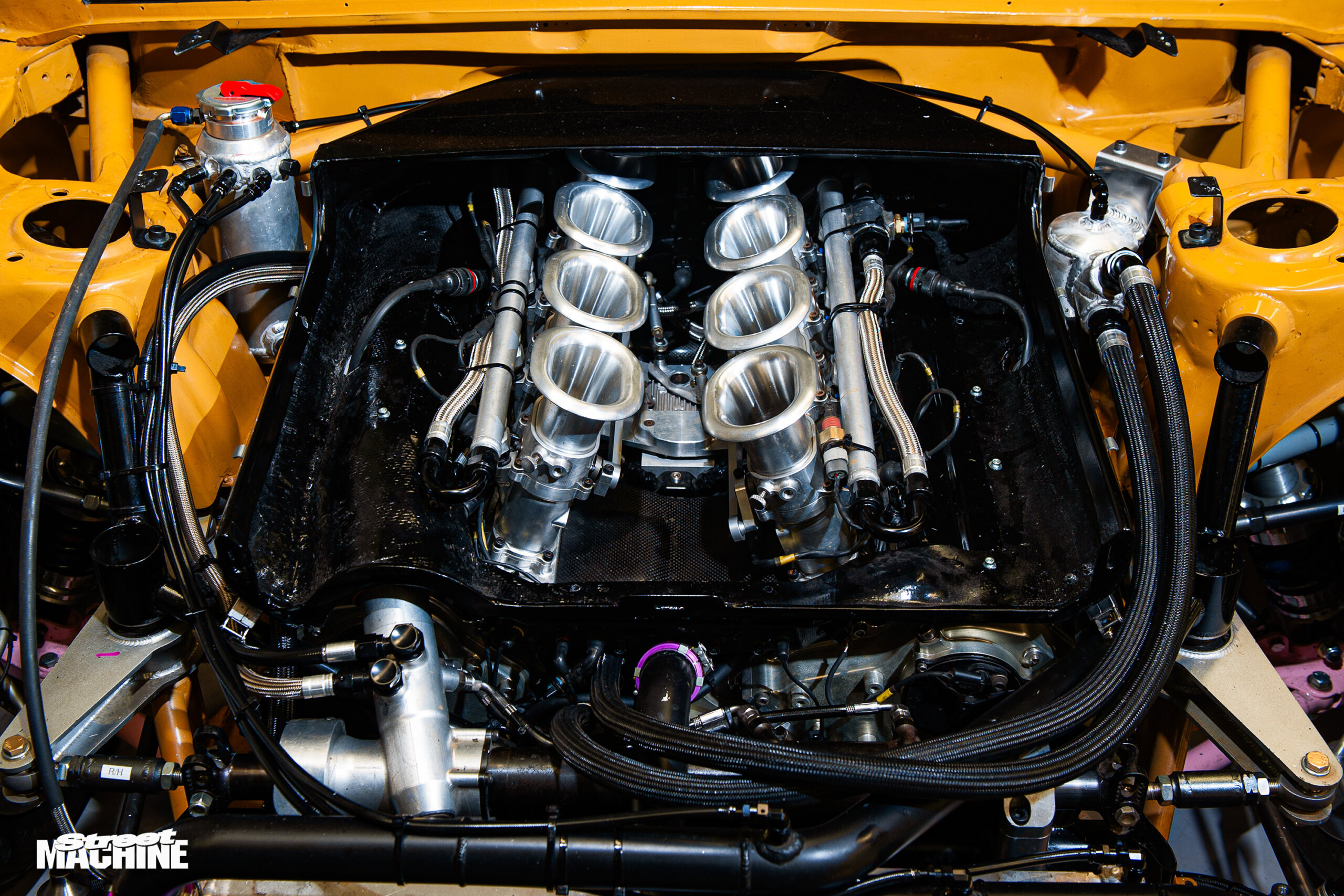
After Dylan handled a bunch of rust repairs himself, Riverside’s Ian Noble got onto the heavy fab work, including moving the firewall back and tubbing the rear end, while Marc Fay at Australian Fibreglass Composites handled the carbonfibre work, including the new roof skin. Amazingly, the Datsun retains the original floorpans and chassis rails, strut towers and original suspension pick-up points, as this is required by WTAC regulations.
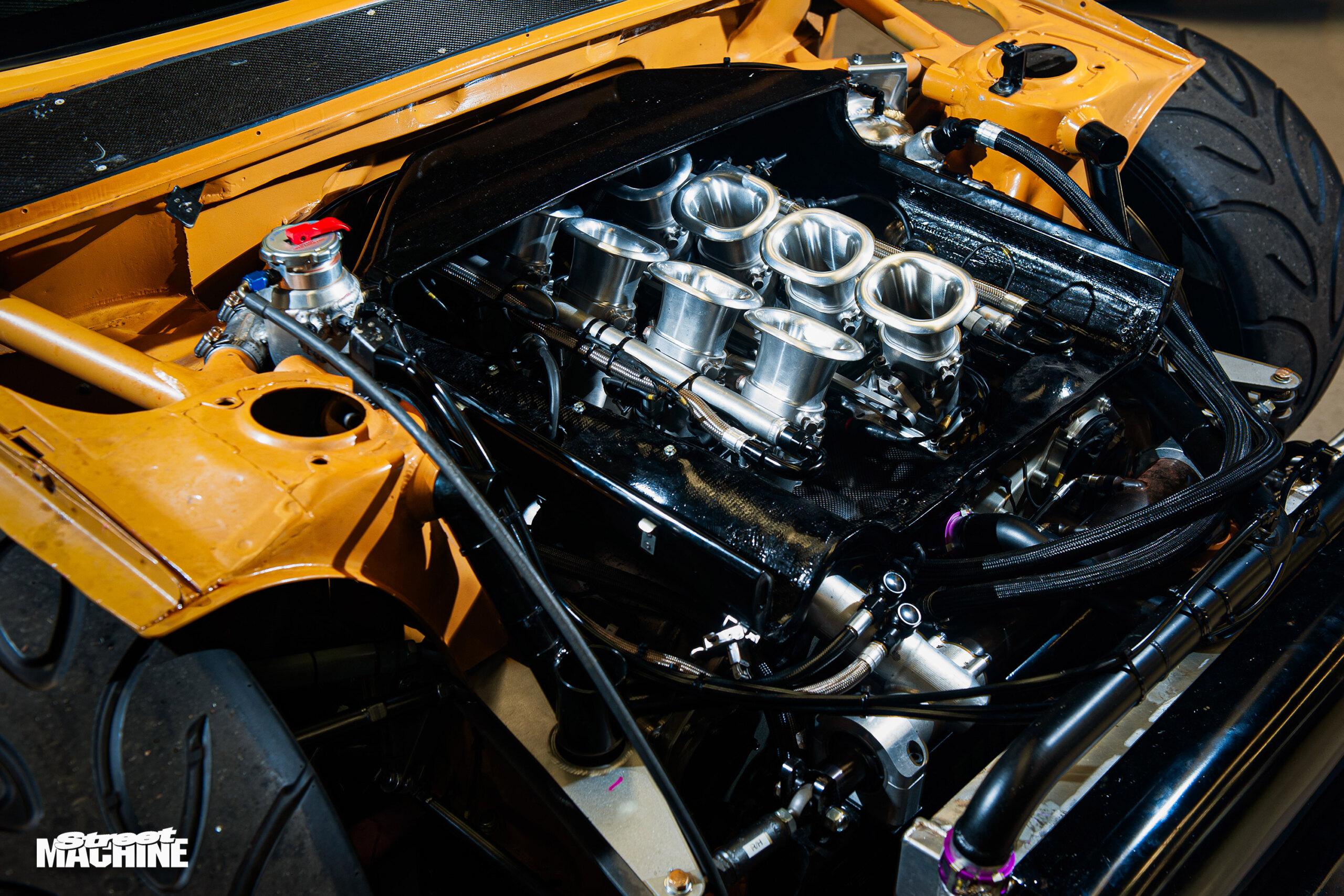
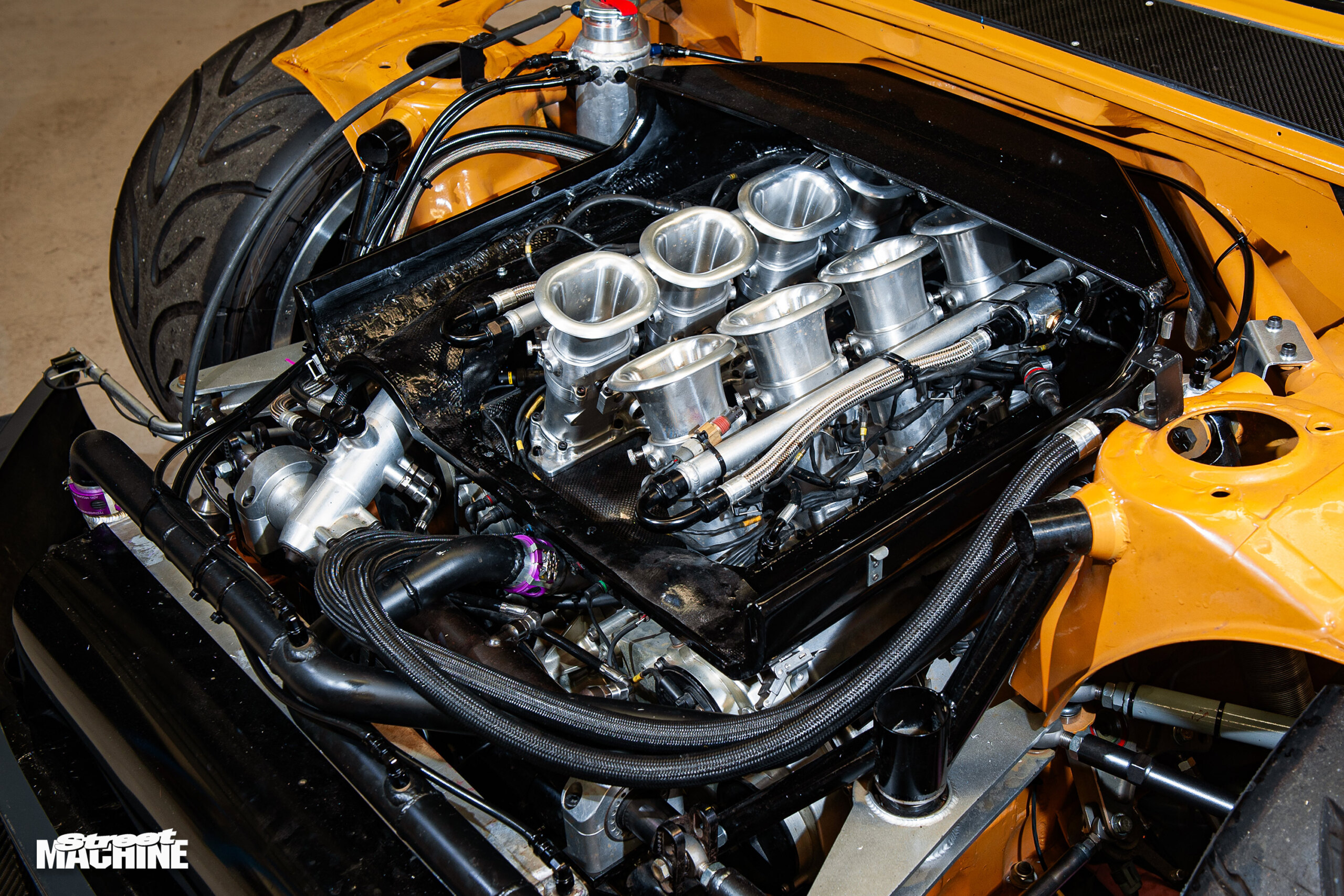
Keen eyes will have picked that the Datto doesn’t rock a turbo Nissan four-pot as originally planned. Instead, a custom-built stroked Nissan VK56 quad-cam V8 sits up front, built to spec by Kelly Racing from their time racing Nissan Altimas in the Supercars series.
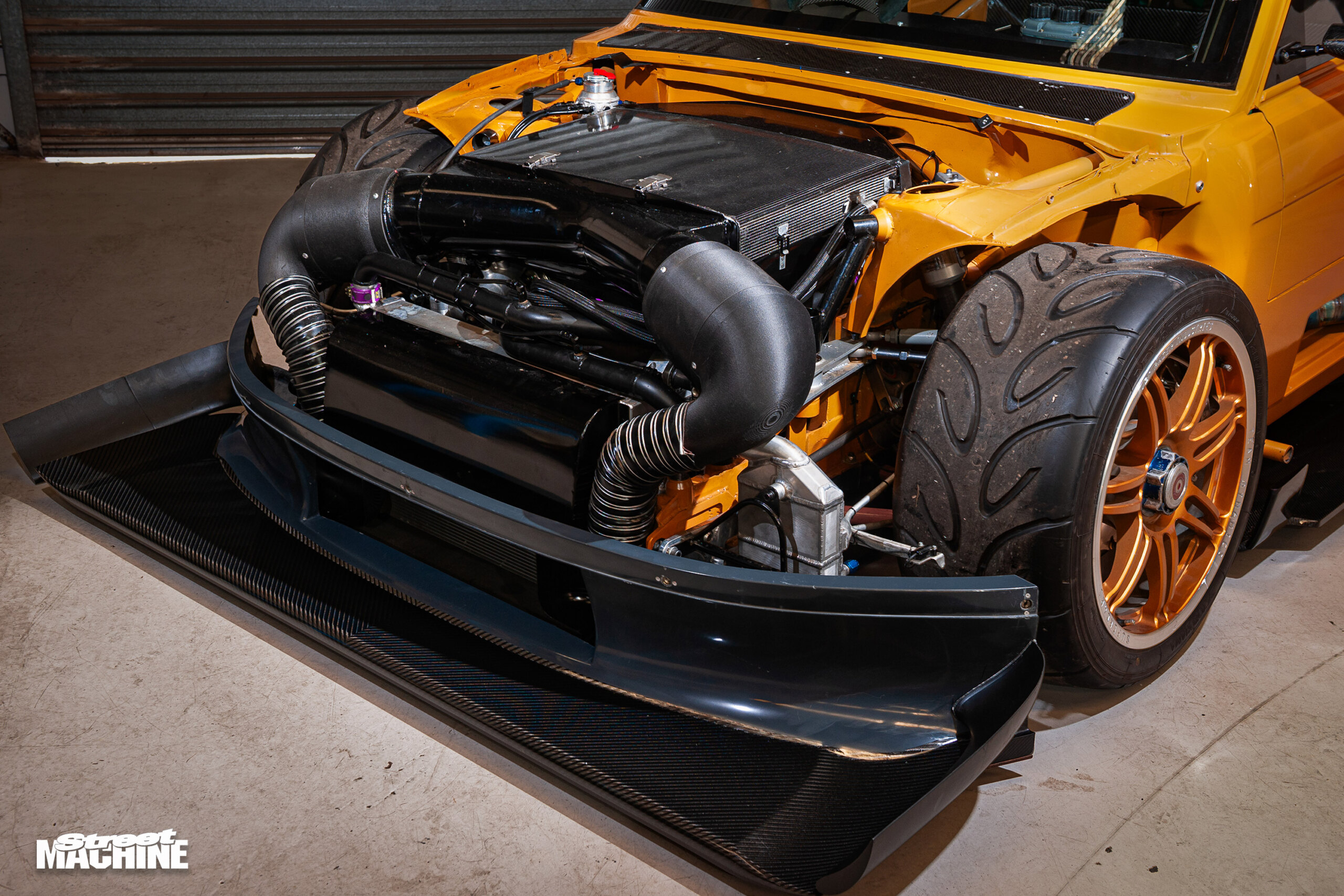
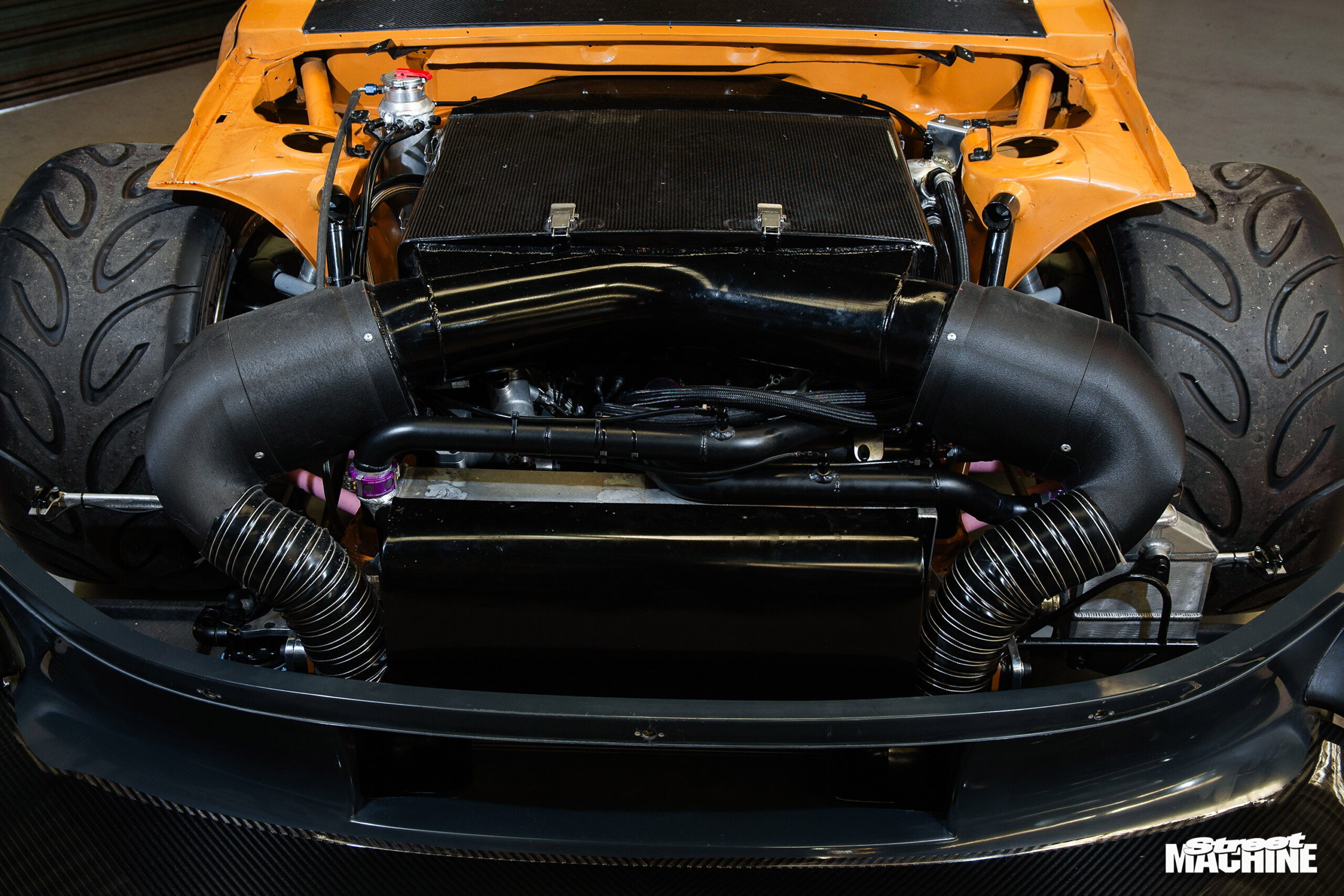
“A customer of ours is tied up with Kelly Racing and told us about a 6.0-litre VK V8 being built. Dylan is a Nissan/Datsun man through and through, so it made sense for him,” Liam says. “This engine is only 20mm narrower than a big-block Ford, but it’s 90kg lighter than a NASCAR V8. The packaging was a nightmare; the rake on the engine is designed to fit around the aero. The steering is on bellcranks, as the dry sump pan is flush with the undertray, so the suspension and cradle goes around the engine.”
While the VK V8s in the Kelly Racing Altimas were de-stroked from 5.6 litres to 5.0 litres to fit the Supercars regulations, the MoTeC Pro Open class Dylan would be running in at WTAC doesn’t have limitations on engine mods or swaps. However, the block and cylinder head castings in Dylan’s 1600 are the same basic package used in Supercars, with a Bryant crank, Carrillo rods and 12.5:1 Bullet pistons to run sweet on 102-octane unleaded ETS Racing fuel.
With custom cams and a custom individual-throttlebody intake manifold, the Nissan V8 has a serious set of lungs on it, and on the dyno, the ex-Supercars 17/8in headers were choking the combo. Liam remedied this with custom 2in primaries flowing into 21/8in pipes, which allowed the four-cam monster to make 830hp on the engine dyno, revving to 8700rpm. While that will be plenty for a 1000kg Datsun, the Pro Open class allows giggle gas, so the 1600 has also been plumbed to take up to a 400-shot of nitrous.

Riverside Racing has close ties with Supercars legends Tickford Racing, so Dylan’s car uses a dual-wishbone front end with Supercars Car of the Future (COTF) front uprights from Tickford, with Supashock dampers. Modified Tickford COTF struts live out back to save weight and provide clearance for the huge brakes.
Originally, the Datto used COTF Supercars AP Racing stoppers all ’round, but Liam lucked onto a set of super-exotic carbon front brakes off an LMP1 race car.
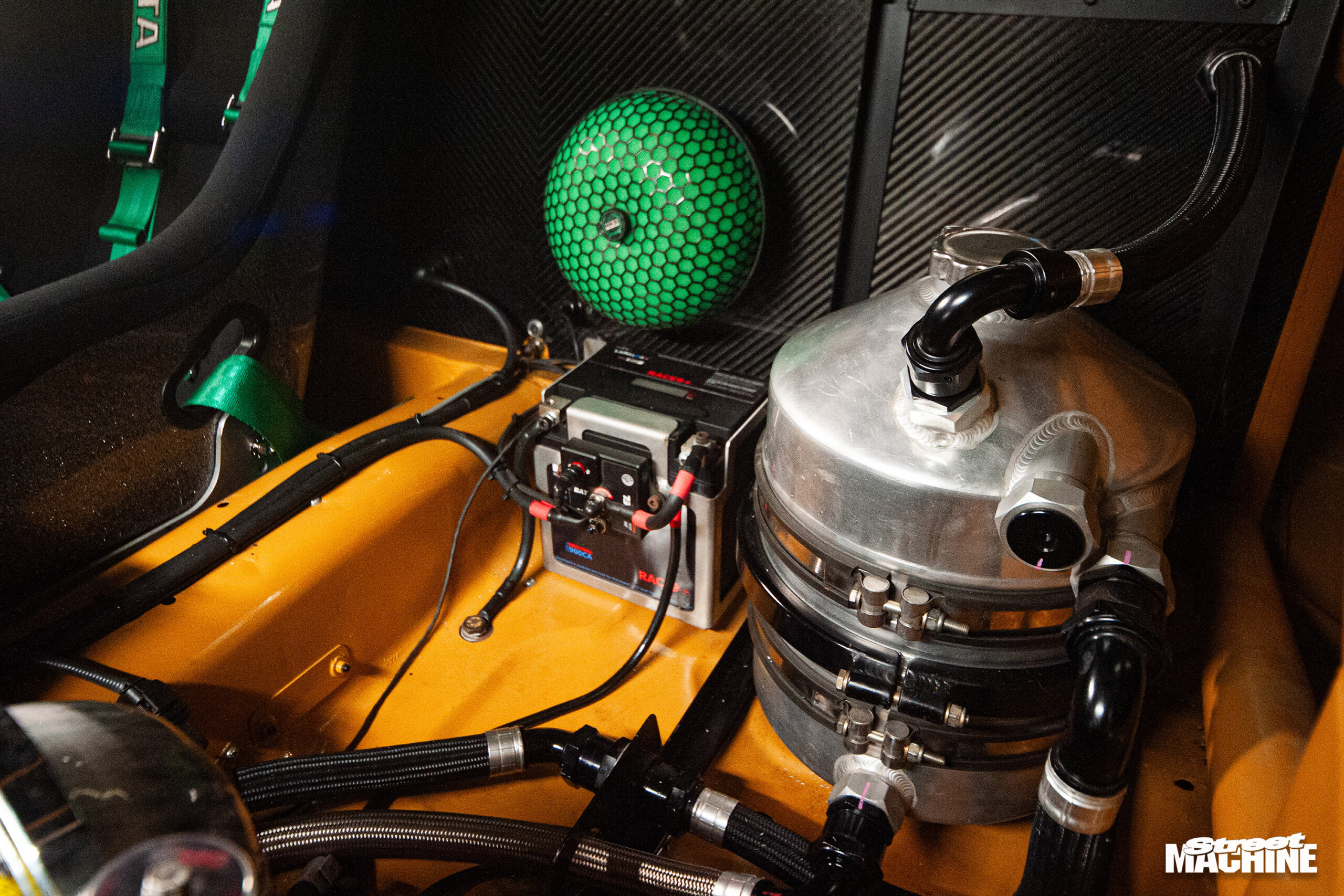
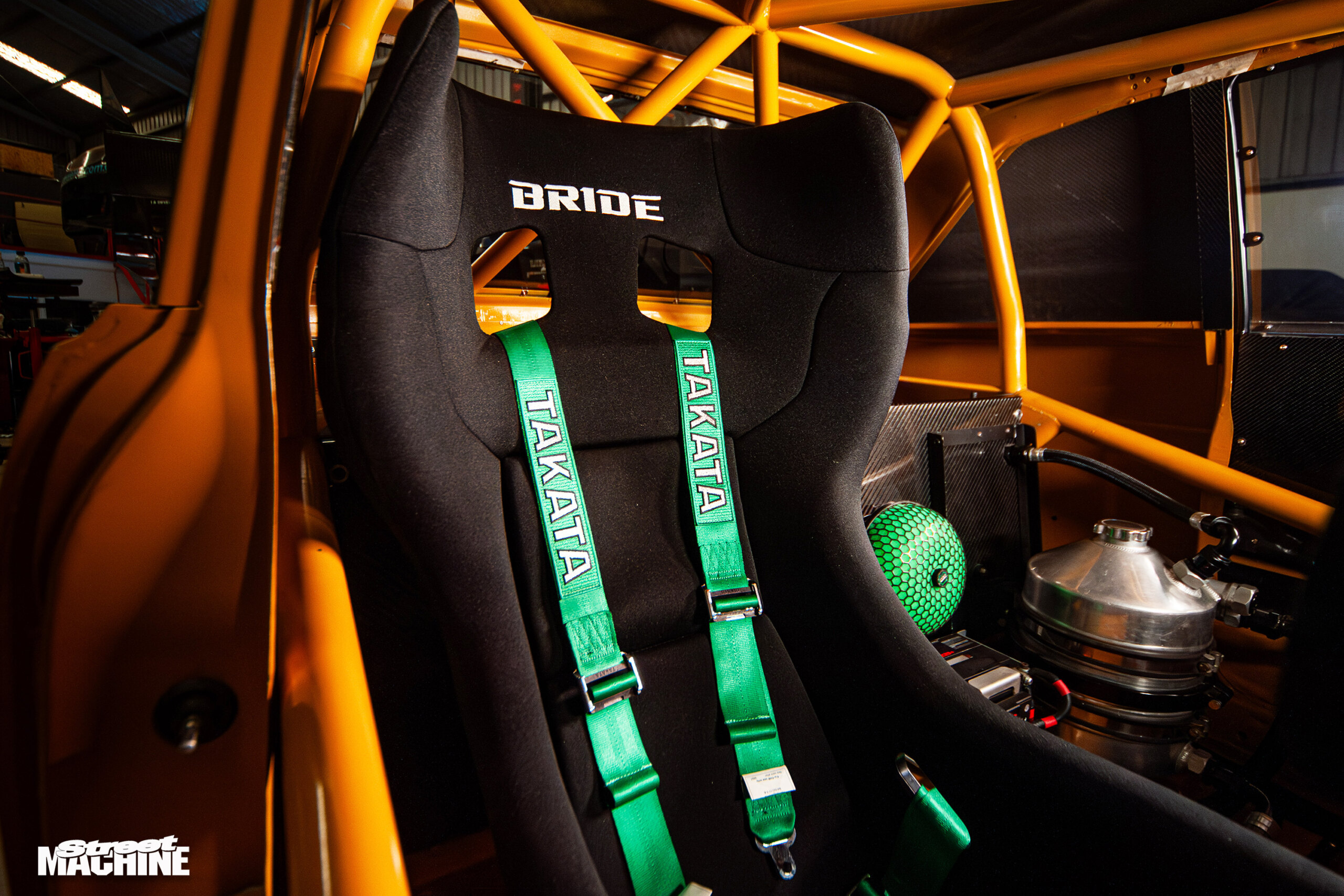
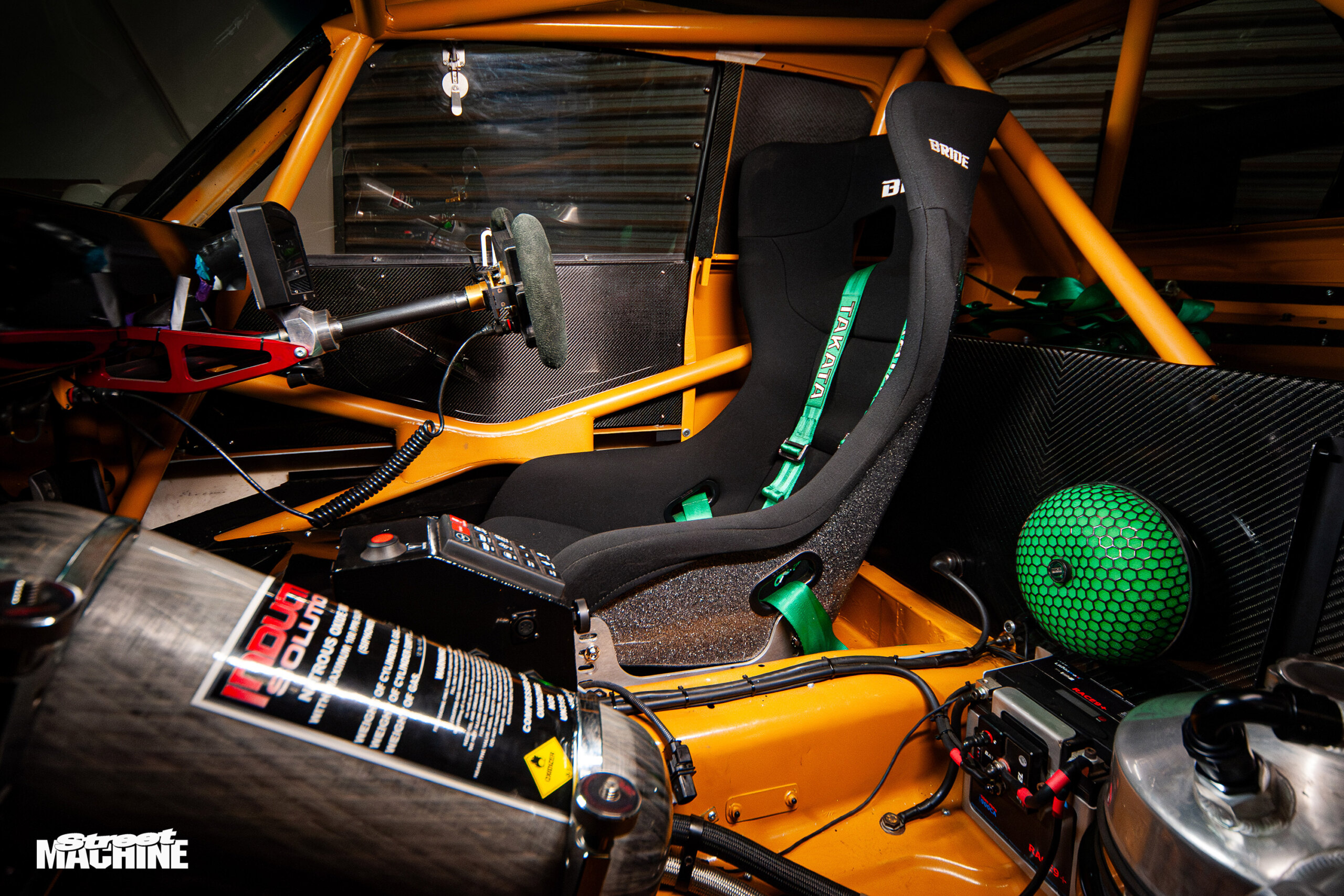
“We got a bargain on these parts, as there’d been a spec change in Europe, so they were moving them on,” he says. “The COTF front brakes weigh 13kg, but LMP1 brakes are 2.1kg, so I wouldn’t be surprised if there’s a second-a-lap gain just in the front brakes. They work, too; I’m still getting my head around how much brake the car has.”
The rear end of the tiny coupe also required plenty of brain power, as the car’s aero elements left scant space for the six-speed Albins transaxle – now with limited-slip centre and paddle-shifters – let alone the rear suspension. “Because of the aero design, the rear end is a narrow IRS, and the suspension runs through the diffuser,” says Liam. A billet aluminium housing bolts to the transaxle, which mounts to the original Datsun subframe pick-up points. “That was a massive job on its own, as we only had a 250mm window to fit the transaxle, control arms and everything in around the aero,” Liam says.
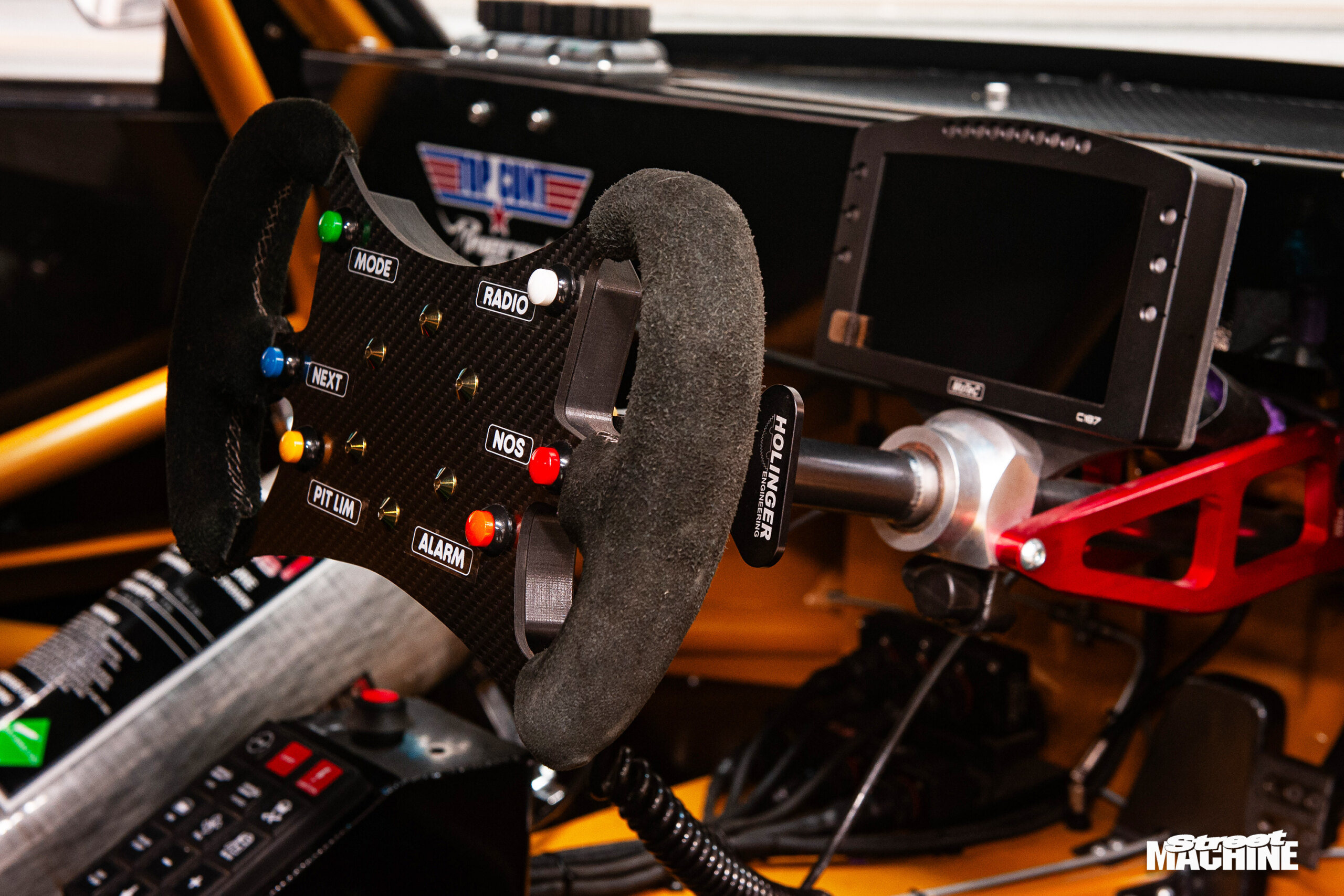
The completed Datsun was originally slated to be driven by rising Supercars star James Golding at this year’s WTAC. Unfortunately, the car suffered a crash in testing and couldn’t be repaired in time to compete. However, Liam and Dylan expect it to be back in rude health for the 2026 event, and we can’t wait to see it put through its paces!
ATTACK LINES
The sport of time attack racing has its roots in Japan in the 60s, but it really kicked off in 1994, when RevSpeed magazine held what is recognised as the first modern time attack event. The concept was simple: get all the tuning shops together at the Tsukuba Circuit and find out who can do the quickest flying lap. Soon, workshops from all over Japan, and later the world, would journey to Tsukuba to battle for time attack bragging rights.

Sydney’s Ian Baker saw the appeal of time attack and kicked off the first World Time Attack Challenge at Oran Park in 2008. Since then, it’s grown to be the biggest event held at Sydney Motorsport Park, drawing international competitors every year across seven classes.
Currently, the quickest WTAC lap time is 1:17.444, set by Barton Mawer in 2024 in the RP968 Porsche. That’s light years faster than the current Supercars lap record of 1:29.84, set by Jamie Whincup in a Holden ZB Commodore V8 Supercar in 2018.

DYLAN AUTON
1971 DATSUN 1600 COUPE
| Paint: | Datsun Safari Yellow |
| ENGINE | |
| Brand: | Nissan 6.0L VK56 V8 |
| Induction: | Custom 60mm individual-throttlebody intake |
| ECU: | MoTeC M190 and PDM |
| Heads: | Kelly Racing VK56 Supercars |
| Camshaft: | Custom Kelly Racing |
| Conrods: | Carrillo |
| Pistons: | Bullet 12.5:1 |
| Crank: | Bryant |
| Oil pump: | Dailey Engineering dry sump |
| Fuel system: | Aeromotive cable pump, custom tank |
| Cooling: | Custom PWR radiator |
| Exhaust: | Custom Riverside Racing 2in primaries, 21/8in headers, Inconel collectors, titanium system |
| Ignition: | Nissan coil-on-plug |
| TRANSMISSION | |
| Gearbox: | Albins Tickford six-speed transaxle |
| Diff: | Albins LSD |
| SUSPENSION & BRAKES | |
| Front: | Tickford Supercars uprights, dual-wishbone arms, Tickford steering rack, Hypercoil springs, Supashock adjustable dampers |
| Rear: | Custom dual-wishbone IRS, Hypercoil springs, Supashock adjustable dampers |
| Brakes: | AP Racing LMP1 360mm carbon discs and six-pot calipers (f), AP Racing Tickford Supercars carbon discs and four-pot calipers (r) |
| Master cylinder: | AP Racing |
| WHEELS & TYRES | |
| Rims: | Team Dynamics 18×11 centre-lock (f & r) |
| Rubber: | Yokohama Advan A005 slick (f & r) |
THANKS
Randy Groenmeyer at 1600 Workshop; Datsun guru Les Collins for his mentorship; Gary and Liam at Riverside Racing; Ian Noble; Ian Baker for creating WTAC; Jake Shuffell for sorting the car on the dyno; my father John for his unwavering support; Geoff Hill; Andrew Brilliant at AMB Aero; Marc Fay at Australian Fibreglass Composites; Ben Schoots for the wiring; my sister Katrina for giving me my first Datsun 1600 when I was 16; my young family for putting up with the late nights while I realise my dream.
Comments