
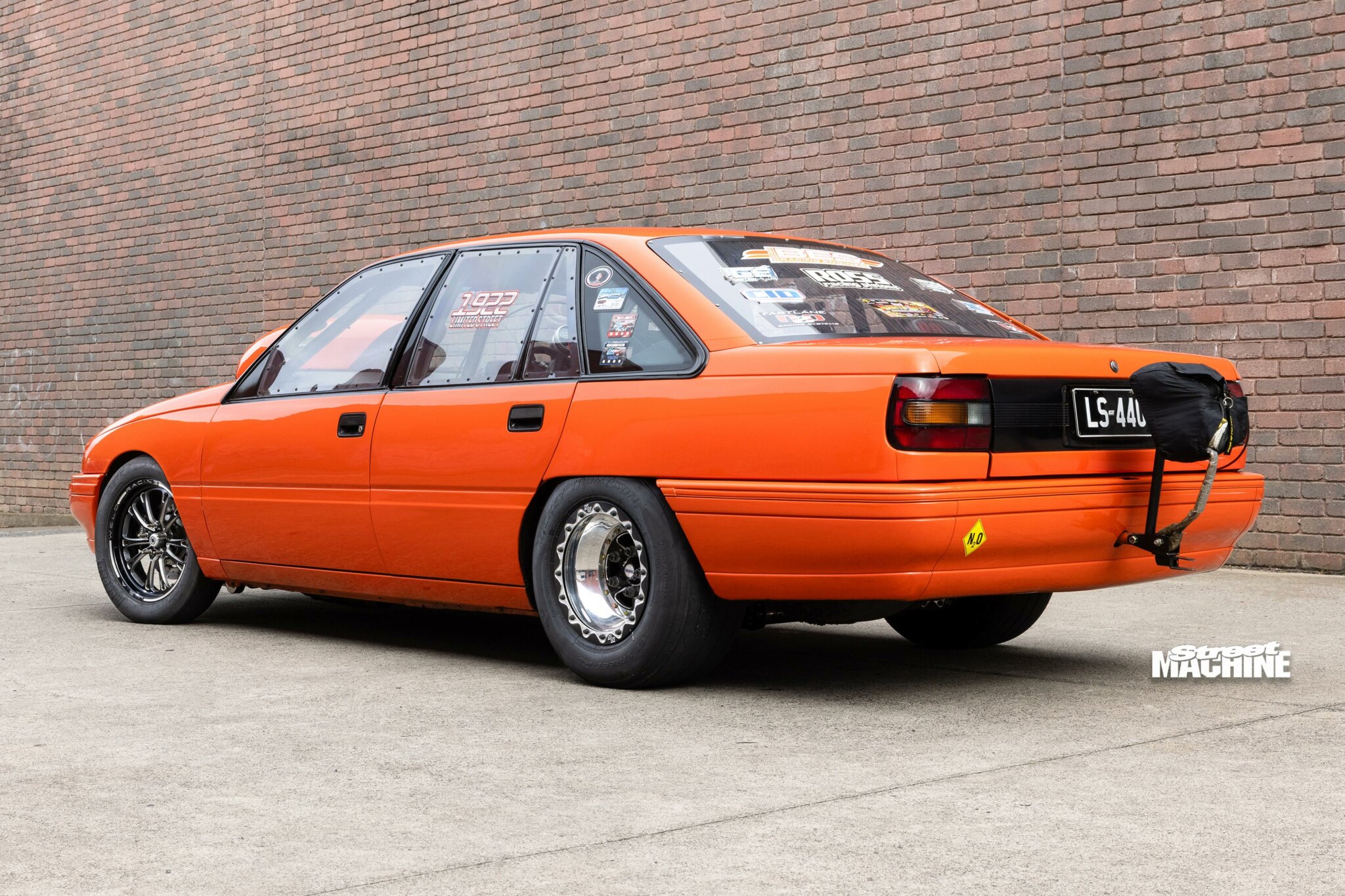
Melbourne-based ICE Ignition has been synonymous with quality, Australian-made speed equipment for over 30 years. The company’s products have powered many of this country’s toughest and quickest street-and-strip cars, but around 20 years ago, owner Michael Konstandinou decided to take the fight to the Americans.
First published in the June 2026 issue of Street Machine
His first successes Stateside came from his multi-year involvement in the prestigious Engine Masters Challenge. Launched by Popular Hot Rodding in 2000 (with Hot Rod taking over in 2014), the Engine Masters Challenge saw a group of builders engage in an engine building battle, with success measured not just in terms of peak horsepower but also criteria like average power and torque, efficiency, and real-world driveability. As such, the contest rewarded smart engineering as much as sheer grunt, which made it a proving ground for cylinder head designs, camshaft profiles and induction systems.
The contest quickly became a bucket-list goal for brands and individual builders from around the world. Michael became involved in the Engine Masters Challenge in 2006 and had a big hand in several winning donks over the following nine years.
Because of that success, ICE Ignition systems began appearing on other Engine Masters competitor engines, as builders increasingly moved towards inductive spark with long duration for improved combustion efficiency, helping them squeeze out small but crucial gains.
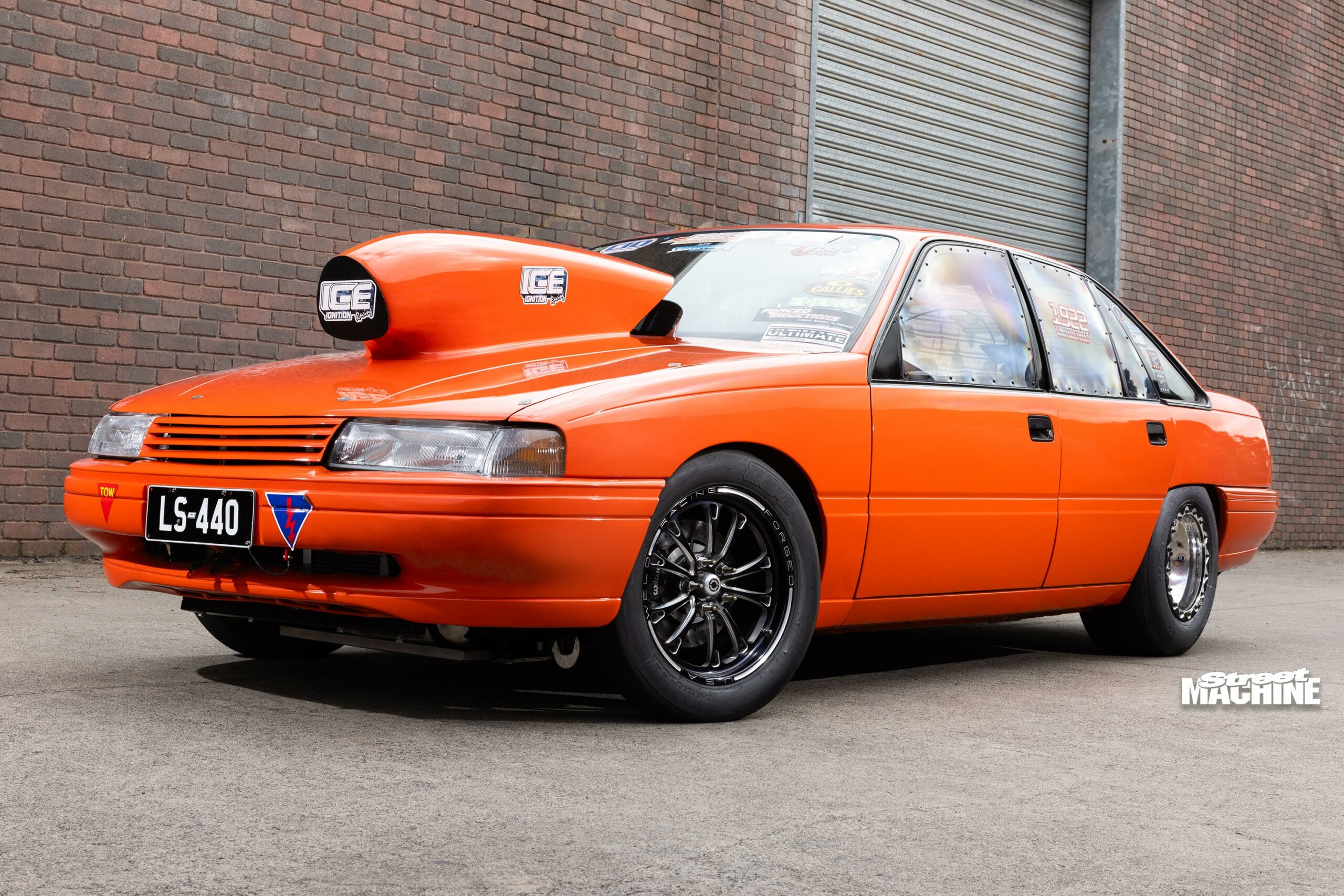
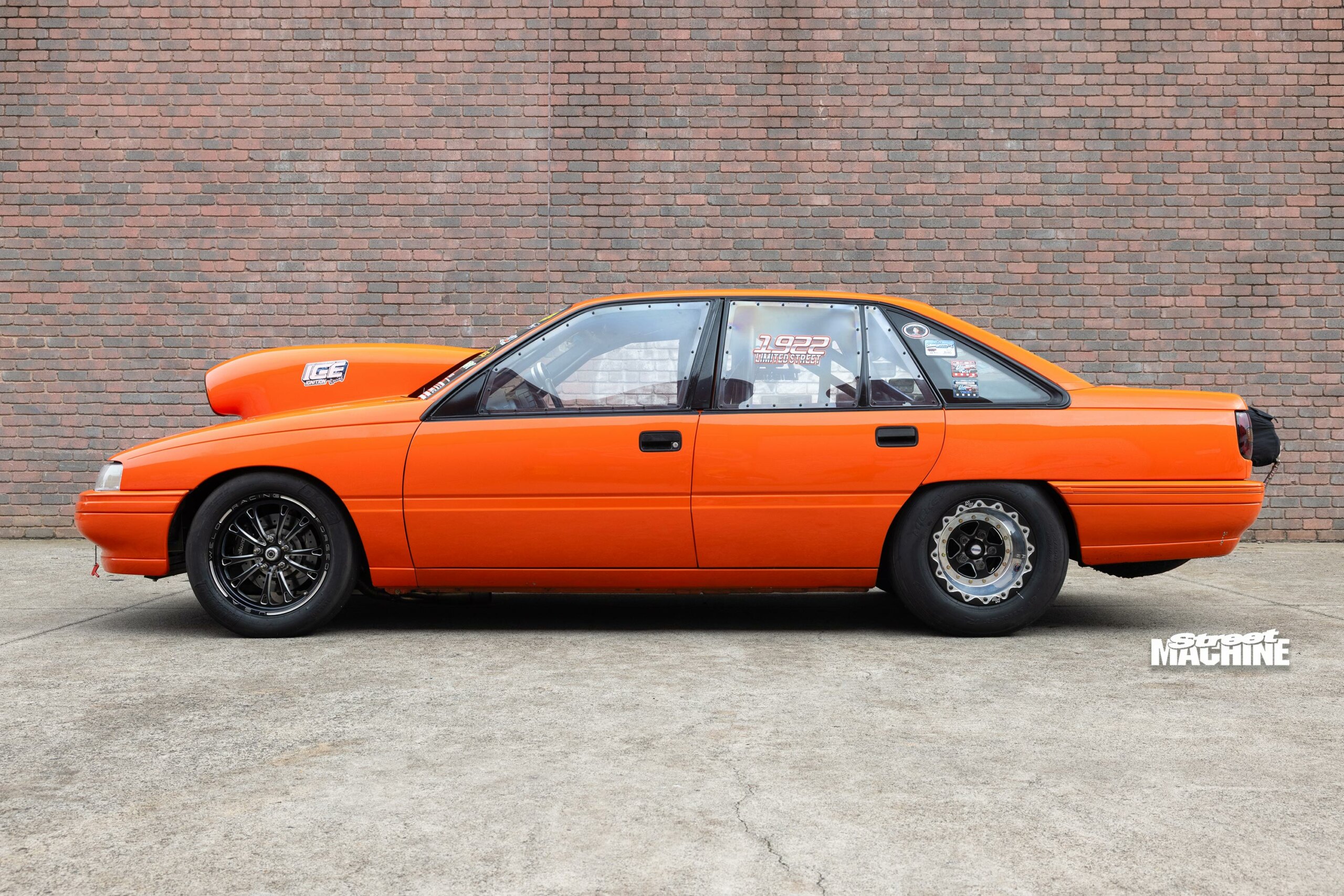
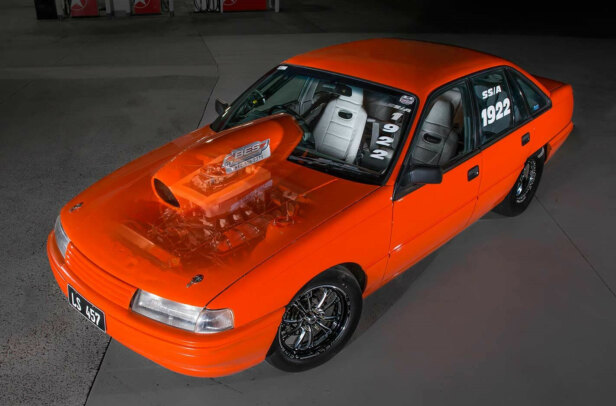
The final Engine Masters comp ran in 2019, but the ICE Ignition journey in the States was far from over. Armed with an incredible network of mates and keen to continue waving the Aussie flag, Michael decided to go radial racing in the US, building a VN Commodore that he’s competed with for the past three years.

Michael built the car here in Australia, initially to compete in the APSA True Street class. “On its first full test pass back in 2017, it broke the mph record at over 157mph,” he recalls. “On its second pass, it beat the ET record with an 8.5, previously held by Queensland Ford guru, Tony O’Connor. Alas, it was only in testing, so it wasn’t official. But with a weight of 3270lb [1687kg], the car ended up running 8.40@161.5mph.”


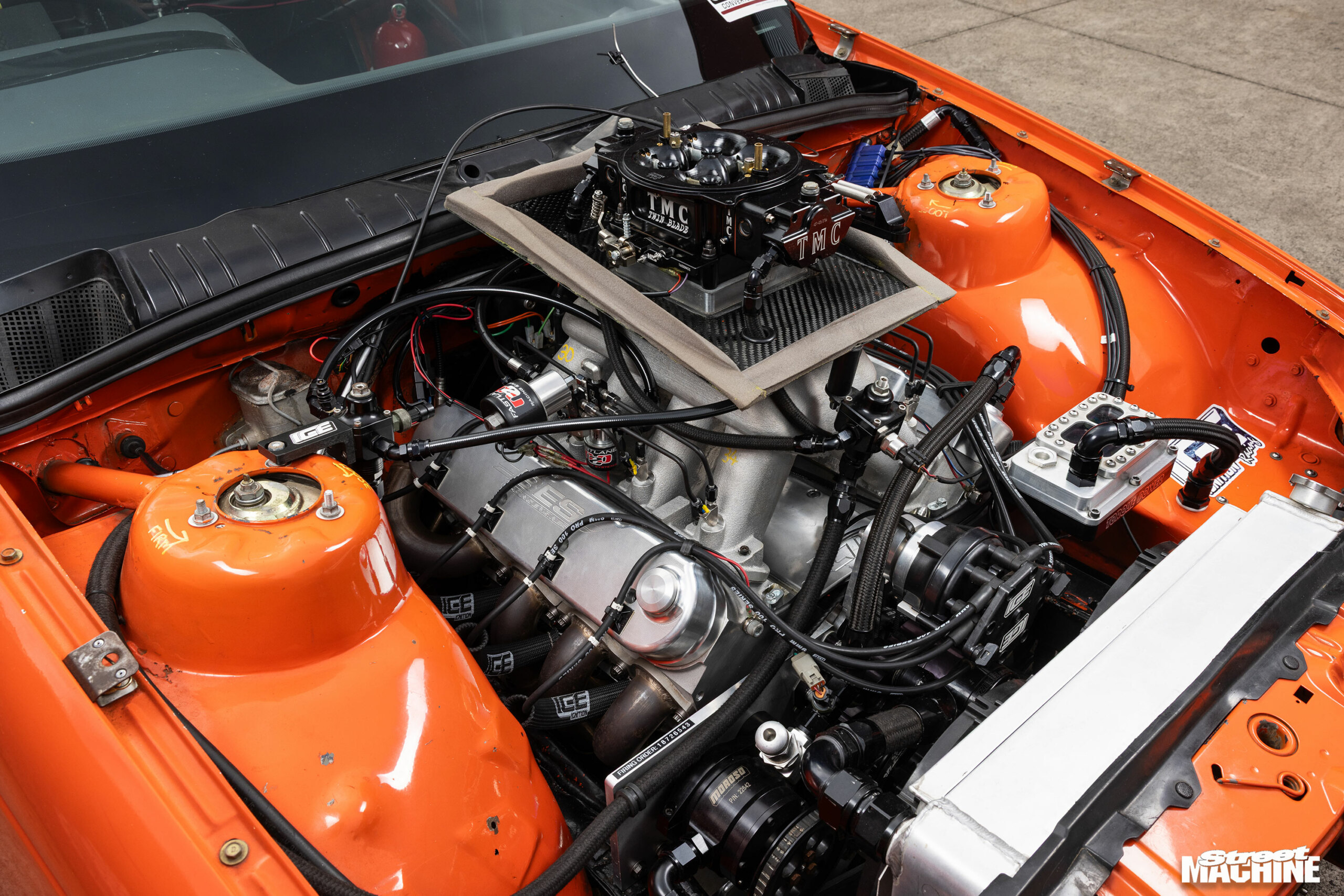
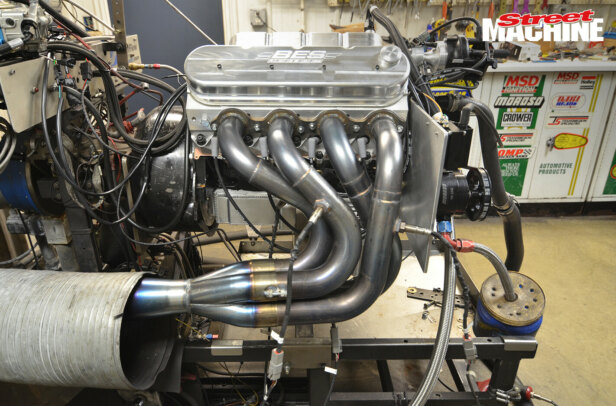
The VN’s success was due in no small part to the top-notch, 457ci LS engine package from Tony Bischoff of BES Racing Engines in the US, which has made 1105hp aspirated. “I was lucky enough to meet Tony through my involvement in Engine Masters, and I really considered him the best in the business,” Michael explains.
After a change of APSA ownership, the True Street class never ran again, but Michael soon set his sights on Duck X Promotions’ new DXP Street radial class in the States.

DXP cars were run over the eighth-mile on a .400 pro tree. Engines up to 472ci were allowed, but there were weight penalties for capacities above 440 cubes. Fuel injection was banned, and the only power adder allowed was a 4150-style nitrous plate. Aside from Michael needing to bring the cubes down to 440ci and adding a nitrous plate, the new class suited the VN perfectly.
The team’s first race in the US was at Florida’s Bradenton Motorsports Park in 2023. Things didn’t go to plan; the boys had issues with the nitrous controller and couldn’t get the car to leave. Their second race meet was Lights Out in Georgia – the biggest radial race in the USA. There, the VN top-qualified, but the engine broke a lifter.

Down but not out, the team packed up the car and drove 12 hours to BES, stripped the engine, got it fixed, and made it to the next meeting, the Carolina Nitrous Nationals. A bent diff housing played havoc with the racing, as it made the car toe-out, but the VN still made it to the semis.

Despite the setbacks, the boys finished the rest of the season and came seventh overall in the championship.
“We then ran into a major tax issue, with the state of Florida wanting to tax us $30K on the car,” says Michael. “As the car was brought in under a temporary import permit as sporting equipment, Florida rules state sporting equipment must leave within seven days of an event or series of events, so we were compliant. Unfortunately, the car was signed for by a buddy, so they were chasing him for the money, so there was no racing in 2024.”


Michael returned to the American radial racing fray in 2025, this time in the Limited Street class (which had subsumed the DXP Street class). Unfortunately, his mother-in-law’s passing meant he only made four of the six points rounds, but he still came runner-up in the championship. “The highlight of this journey was winning the last race at the World Street Nationals in Orlando,” he says. “We top-qualified at the event and were the quickest car every round.

“We were very lucky that our combination was spot-on. We made very few changes to the car we started with,” Michael continues. “Our Powerglide, for instance, was built back in Australia by Atenco with a 1.58:1 Sonnax low gear, 10-clutch lightweight drum, and Reid case, with a standard oil pump and an SDE converter. We were racing against top-level guys up the front of the field who were all constantly swapping out different stators and converters, but we did the whole trip on one converter and trans that was untouched, and our 60-foots were equal to or quicker than any car on the same tyre and conditions.” It goes to show that Aussie-built gear can match it with the best in the world!

Michael points to plenty of other highlights from the VN’s US sojourn, including running a PB of 4.82@145mph over the eighth in Michigan. “That was pretty awesome,” he says.

“All the people and racers we came across were so good to us. Fellow racer Dean Fluhart – who won the championship in 2025 [with ICE Ignition on board] – had his brother drive from hours away to bring us a pushcart when we didn’t have one.

“Our good buddy in Florida, Daryl White, bought a new Ford F350, and he lent it to us as a tow car with 400 miles on it. By the time we left the States, it had 12,000 on the clock, and he had only done about 1500 in that time!”

Michael would like to shout out the following for their support: the team at ICE ignition; his long-suffering wife and family; Atenco; BES Racing Engines; CID Heads; Fast Lane Nitrous; Ross Pistons; Gazzard Brothers; SDE Converters; Tony Morris Carburettors; Top Notch Race Cars; Peter Haravitsidis; John Koutsampasis; James Gazeas; Pat Comardo; Phil Soderstrom; Simon Kryger and Kon Michaloudakis; Wade Owens; and anyone else he forgot!
Comments