
First published in the November 2003 issue of Street Machine
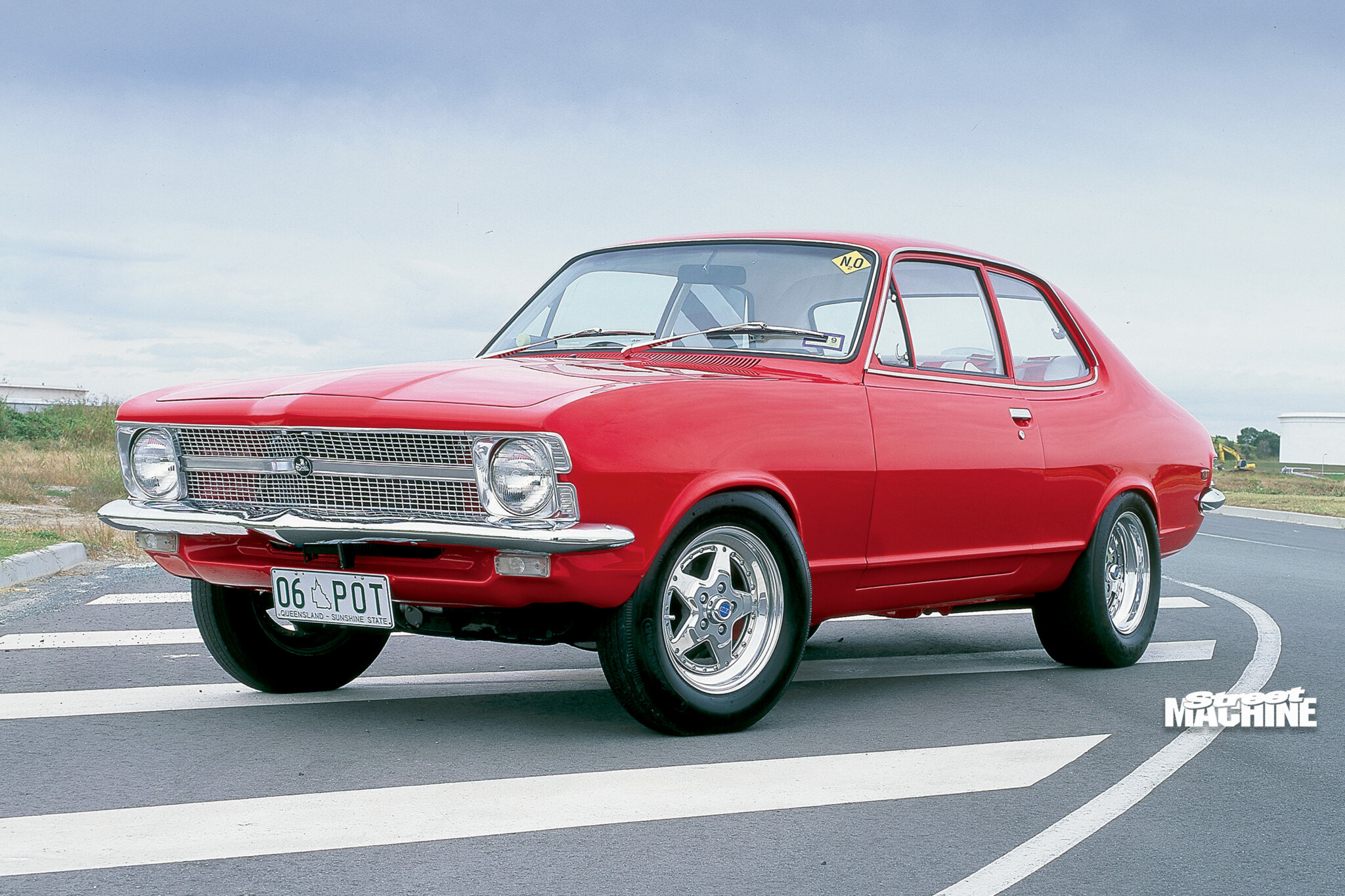
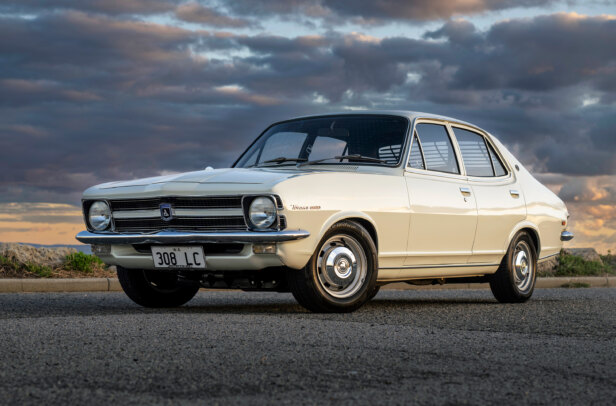
You wouldn’t know it, but Troy Quelch, the owner of this unbelievable LC Torana, is really a Commodore boy at heart. He’s also a natural-born racer who wanted more speed but instead of going the usual route and fitting a V8 into his VH, Troy decided to keep the six and slot it into something a whole lot lighter.

After a bunch of hard work, the result is a machine capable of blasting 11-second quarters on Saturdays, then rolling up and stunning the show judges on Sundays. And that’s without really trying, as Troy reckons he’s not really that much into shows.
“Nah, I don’t put mirrors under the car or pull off wheels or anything like that. I just park it, open the bonnet and that’s it,” he says. “You would never know that everything under the car is detailed to the same standard as the rest.”
Well, there must be plenty of judges with sore knees, ’cos Troy’s Torrie has already walked away with a bunch of trophies from such shows as the 2000 Brisbane All Holden Day, the 2001 Bundaberg All Holden Day and the 2003 Brisbane Hot Rod Show. But unlike a lot of other cars on display, Troy’s backs up the glamour with some serious go.
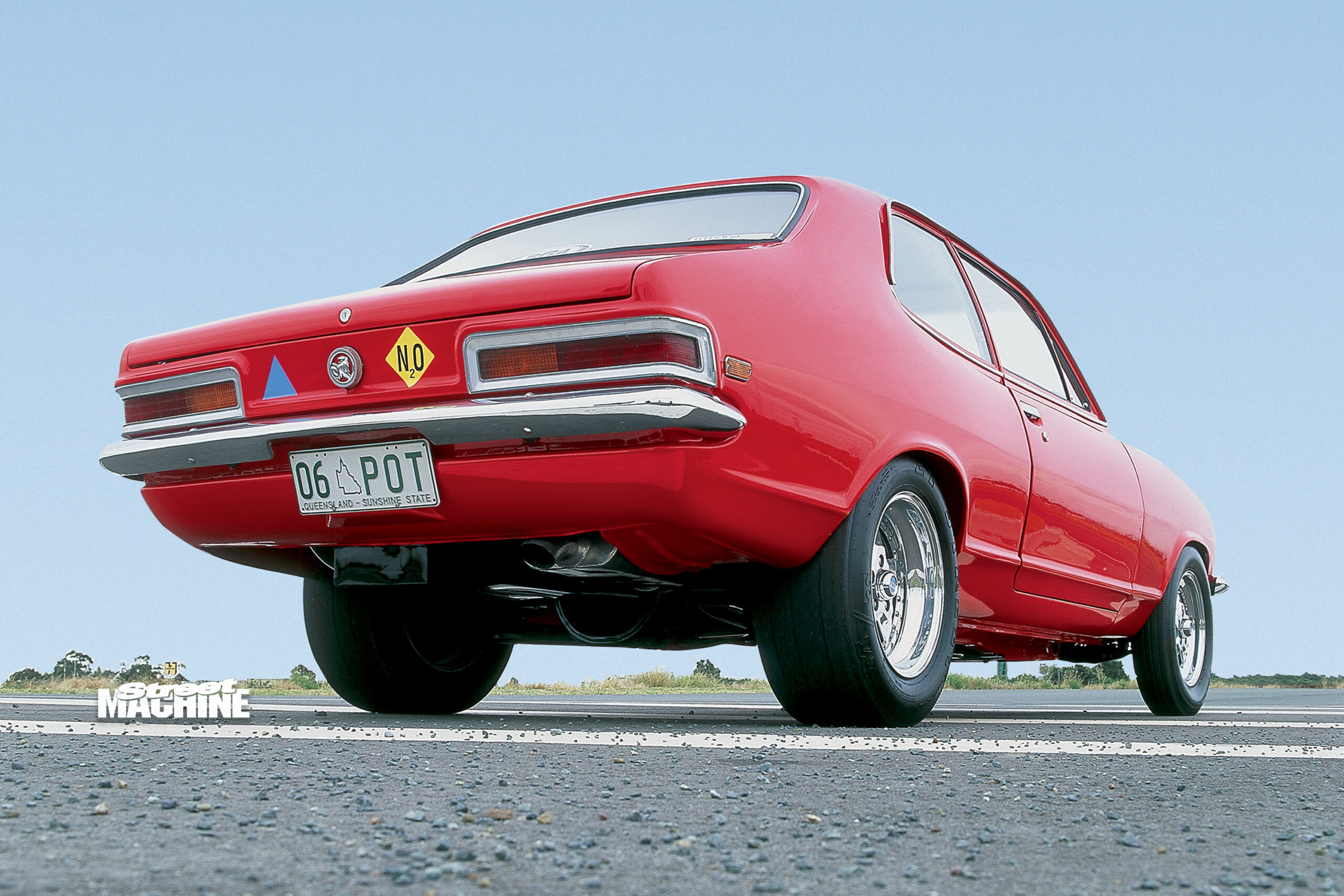
Pushing a street car down the quarter in 11.62@115.9mph is fast in anyone’s language, but doing so in an old-school six with only nitrous for assistance is exceptional. Troy’s mill was built tough by Phil Dorrell at Performance Heads, using plenty of old fashioned nous, combined with a few high tech touches. Up top is a nine-port head, rather than the later 12-port version, which Phil reckons is prone to problems when heavily worked.
The head has been extensively ported and, to increase the inlet valve lift, Phil employed the old trick of changing the ratio of the inlet rockers, using 1.6 ratio rollers instead of the original 1.5. Controlling the valves via Chev solid lifters and Manely pushrods, while the cam is a lumpy Sure Cam stick.

Internally, a blue motor crank and rods have been shot-peened to handle the load generated by around 300hp at 7600rpm. Pistons are 11.1 Ross forgies, which means it needs C12 race fuel for street duties and C16 for competition.
The first thing you notice when you pull the bonnet is Troy’s choice of carburation. He had originally tried the more traditional triple 2in SU combination, but had trouble getting them tuned to his satisfaction. The alternative was to clean up a Holley 650 double-pumper he had sitting around, which proved to be highly successful.
On race days, Troy hooks up the boot-mounted nitrous bottle which injects go-gas through three 120hp foggers mounted in the Redline manifold. All the action finishes through a beautiful set of chrome-looking HPC-coated Gonzo Racing tuned extractors that mate up to a 3in mandrel-bent system.

Keeping an engine that’s making shitloads of power cool can be a tough ask, so Troy got ARE to fabricate a large capacity alloy radiator, which is assisted by two thermo fans.
The CDI ignition system is the kind of stuff drag racers in the 70s could have only dreamed of, consisting of an MSD 6AL igniter, multi-step retarder (for nitrous use) and coil, while the final product is delivered via Top Gun leads.
Troy puts all that power to the ground through a bulletproof driveline consisting of a Bob Grant Trimatic, a Converter Shop 4000rpm stally, and a 9in filled with a full-spool and 4.1 Richmond gears from Aussie Diff Shop, driving through 31-spline Summer Bros billet shafts.
The brakes are pretty much standard except for DBA drilled rotors, and a good ol’ VH44 remote booster that assists the front discs only. To keep the engine bay looking neat, Troy’s hidden the booster inside the passenger’s side front guard. The body’s dropped two-inches all ’round, with Koni 90:10 front shocks and 50:50 rears ensuring the Torana gets full benefit from the 10½in Mickey Thompson street slicks wrapped around the Dragway spun alloy wheels.

Being a spray painter by trade, getting the Torana looking flash wasn’t a big stretch, even if fate meant Troy had to do the job twice!
“I spent two years getting the body perfect and everything painted or chromed from top to bottom. I was following the Torana as it was being towed to get the motor fitted. Next thing it rolled off the back of the trailer while it was doing about 60 kays, went down a steep embankment and launched over a wire fence!”
The result was that all of Troy’s good work in detailing the underside was trashed, as was the stone tray and other bits of the front.
Having a boss like Garry at GJ Cotteril Smash took away a lot of the pain. Garry had already let Troy use the workshop during the car’s build and even lent a hand in the makeover.

The icing on the visual cake is the seductive all-white interior stitched by Bayside Trimming, complemented with TRW four-point harnesses and Auto Meter gauges.
These days Troy is deep into his next project, a 400 cube VT Pro Stocker, meaning that the Torana rarely gets a run. Given that when Troy first bought the Torana he didn’t even like them, you’d think that he might sell the little General, but Troy’s resolve is firm: “No way. I love the Torana and will keep it forever.”
GASSED UP
Nitrous oxide injection is the cheapest horsepower per dollar you can buy and is available in kits from around 40hp all the way to 1000hp. On the drag strip it can cut times up to three seconds and add 10 to 15mph. Troy’s 202 uses direct port injection where the nitrous oxide gas and fuel are dispersed together directly into the inlet manifold runners through nozzles called foggers. This is the best type of system as it delivers the most power, is more accurately tuneable and can be concealed better. The other type is called a plate system which mounts under the carburettor.

Nitrous lasts around 10 seconds per lb of gas per 100hp, with Troy getting around seven to 10 quarter-mile passes from his 10lb bottle which costs around $10 per lb to refill. Complete nitrous kits cost from around $1300 to more than $2000 depending on the type and power. The power rating is determined by the flow potential of the gas through the hoses and nozzles at a certain pressure. To maintain an optimum pressure of 900-950psi, an electric blanket called a bottle warmer is used in cold weather to keep the bottle at a constant temperature of around 30C.
Note that in Queensland and Western Australia it is illegal to fit any nitrous injection components to a registered street vehicle, while in other states, the law reads: “A road-registered vehicle fitted with nitrous oxide must have the system modified so that the bottle is properly secured and isolated from the engine (the main braided line disconnected from the bottle) while the vehicle is being street driven.” In other words, you can fit it but not have it connected on the street.
TROY QUELCH
1970 LC TORANA
| Colour: | Custom Red |
| DONK | |
| Type: | 202 red |
| Head: | Worked 9-port with 1.680in & 1.430in valves |
| Pistons: | Ross 11:1 forged with Total Seal rings |
| Valve gear: | Chev solid lifters, Manely pushrods, Yella Terra roller rockers |
| Lubrication: | Hi-flow oil pump, High Energy sump |
| Induction: | Redline manifold, 650 Holley, 120hp direct injected nitrous |
| Exhaust: | Gonzo Racing tuned extractors, 3in system with Flowmaster muffler |
| Ignition: | MSD 6AL CDI, multi-step retarder and coil, Top Gun leads |
| STOP AND GO | |
| Gearbox: | Trimatic with 4000rpm converter |
| Rear end: | 9in full spool with 4.1 Richmond gears, Summer Bros 31-spline billet axles |
| Tailshaft: | 3in |
| Brakes: | Standard with DBA-drilled rotors, VH44 remote booster |
| UNDERCARRIAGE | |
| Suspension: | 2in lower King springs all round, 90:10 (f) and 50:50 (r) Koni adjustable shocks |
| Wheels: | 15×4 & 15×8 Dragway spun alloys |
| Tyres: | 26×10.5 Mickey Thomson ET Street with 5.60 Nankangs |
| COCKPIT | |
| Steering wheel: | Autotechnica |
| Shifter: | B&M Pro Stick |
| Other goodies: | TRW 4-point harnesses, Auto Meter gauges |
THANKS GUYS
Nathan Hancox, Wayne Fortey, Mark Whittle, Mum & Dad.
Comments